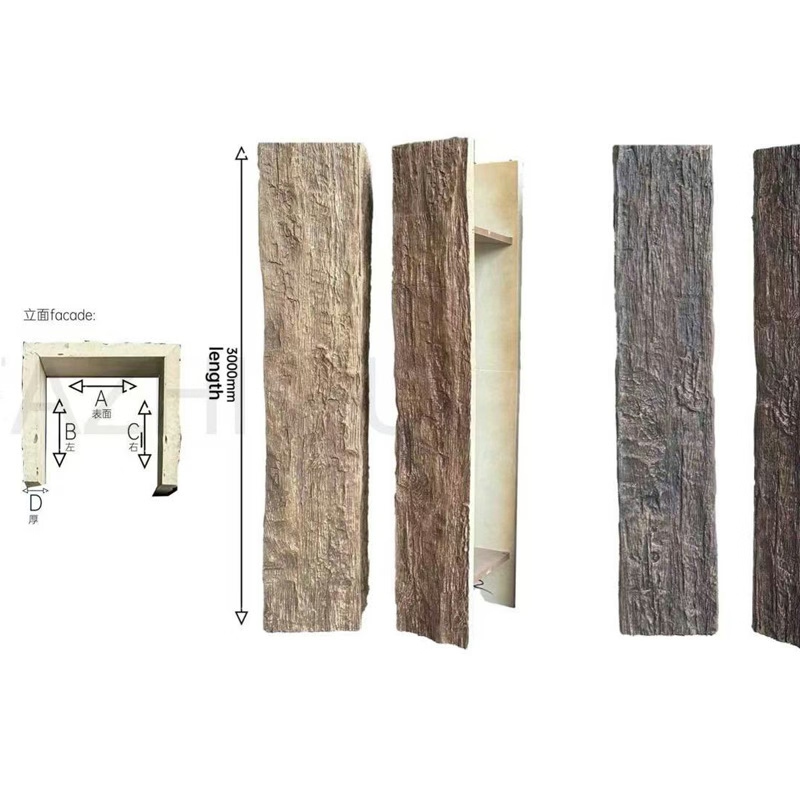
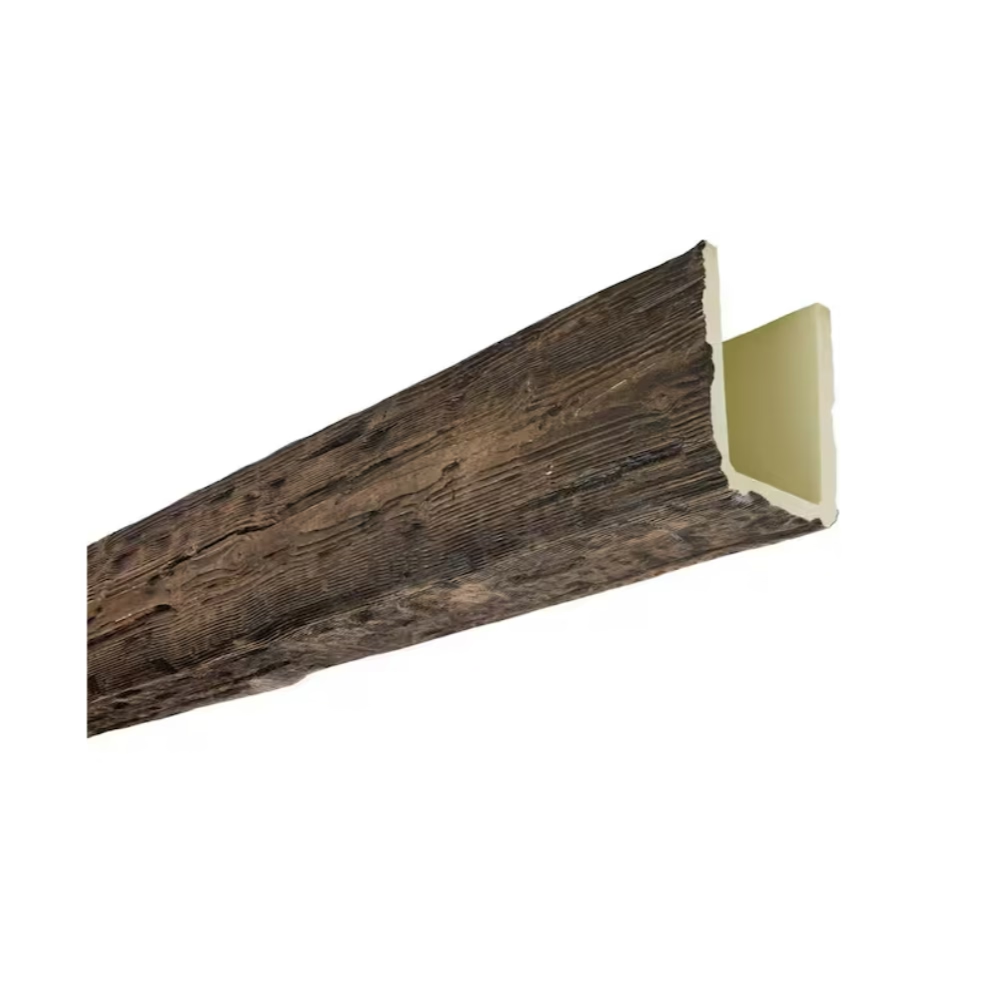
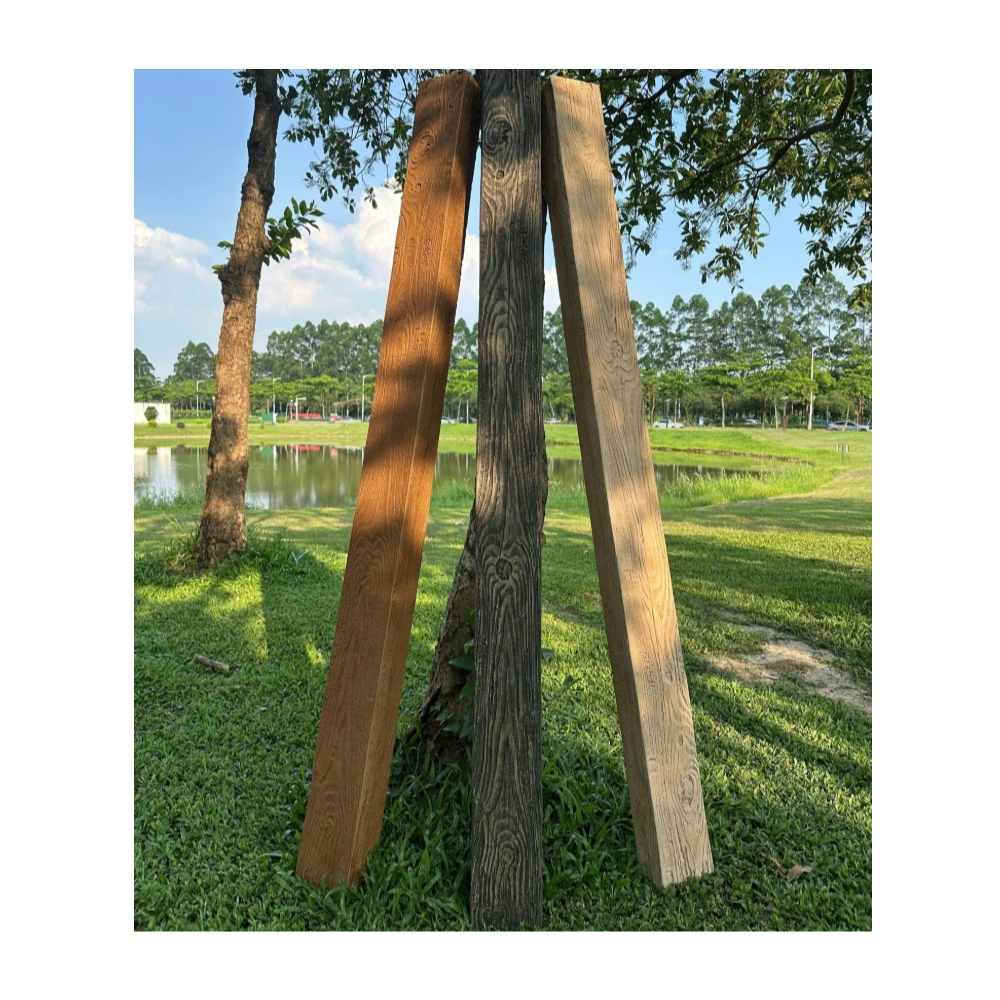
North American homeowners are rediscovering the warmth and architectural character that exposed beams bring to interior spaces. After years of minimalism dominating renovation shows and design magazines, a decisive shift toward rich, textured interiors has taken hold across the United States and Canada. Faux wood beams, manufactured from high-density polyurethane, have emerged as the material of choice for contractors, designers, and DIY renovators who want the visual impact of real timber without the structural complications.

The Vaulted Ceiling Comeback
Vaulted and cathedral ceilings have been a fixture of North American residential architecture for decades, but their treatment has evolved significantly. In the early 2000s, these expansive ceiling planes often remained bare drywall, creating a sense of openness that felt clinical rather than inviting. Today's renovators are closing that visual gap by installing faux wood beams along the ridge line and perpendicular joist directions, transforming cavernous lofts and great rooms into cohesive, cabin-inspired retreats.
The appeal is immediately apparent when you consider the proportional challenge that vaulted ceilings present. A room with twelve-foot ceiling peaks and bare walls can feel disjointed, like an unfinished construction project. Beams draw the eye upward and create a sense of intentionality that drywall alone cannot achieve. Homeowners in regions ranging from the Pacific Northwest to the Rocky Mountain states are embracing this approach in both new construction and renovation projects.
Polyurethane faux beams serve this application particularly well because they are lightweight enough to install without structural reinforcement. Real timber beams of comparable dimensions can weigh several hundred pounds per linear foot, requiring ceiling joists and bearing walls capable of supporting that load. A PU beam of identical appearance may weigh as little as one-tenth that amount, allowing installation directly to existing ceiling structures using adhesive and mechanical fasteners. This distinction makes the difference between a weekend project and a major structural undertaking.
Farmhouse and Coastal Aesthetics Driving Demand
The enduring popularity of farmhouse and coastal farmhouse aesthetics continues to fuel demand for decorative beam installations throughout North America. These design movements share a common appreciation for natural materials, handcrafted textures, and the visual evidence of age and wear. Faux wood beams fit naturally within this palette, offering the knot patterns, grain variations, and weathering effects that define these styles.
Shaker-style kitchens with painted cabinetry, shiplap accent walls, and open shelving have become a foundational combination in American home design over the past several years. Faux wood beams extend this aesthetic to the ceiling plane, creating visual continuity between cabinetry, wall treatments, and overhead structure. In open-plan layouts where kitchen, dining, and living areas flow together, a continuous beam treatment can anchor the entire space and provide a sense of visual grounding.
The coastal variant of this trend emphasizes lighter finishes, wider planks, and more relaxed proportions. Homeowners in Florida, the Carolinas, and coastal California are specifying whitewashed and sun-bleached beam finishes that evoke driftwood and weathered barn timber. These lighter treatments work particularly well in rooms with abundant natural light, where heavy dark beams might overwhelm the space. Manufacturers now offer an expanded range of finish options that address these regional preferences, from the crisp coastal whites of the Southeast to the honey-toned reclaimed looks preferred in the Southwest.
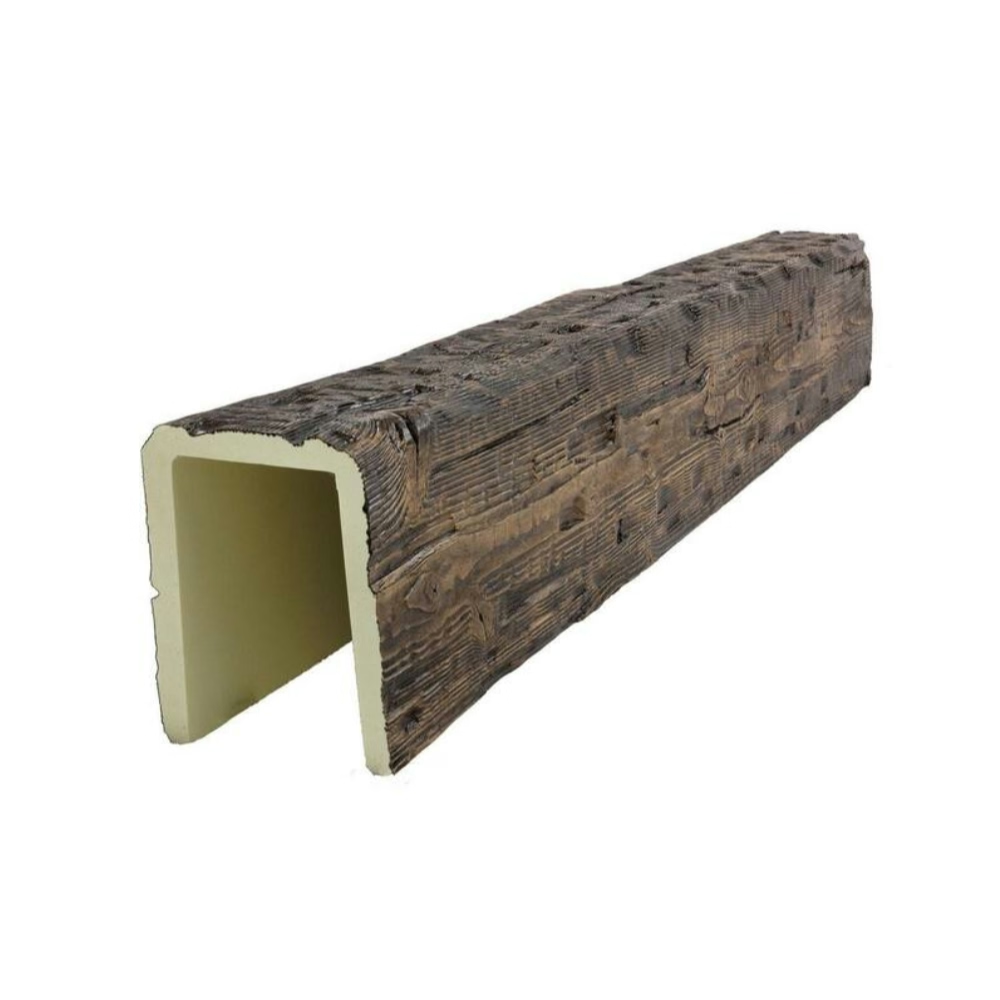
Color and Finish Trends in 2026
The color palette for faux wood beams in North American interiors has diversified considerably over the past two years. While weathered gray and dark espresso finishes remain bestsellers, a notable trend toward warmer, more saturated tones has emerged. Chestnut, amber, and honey finishes are gaining ground in living rooms and master bedrooms, particularly in homes decorated with earth tones, warm metallics, and natural textiles.
The mid-tone finish category has seen the most innovation. Manufacturers are developing new colorways that replicate the subtle tonal variations found in aged white oak and heart pine, species that were historically common in American architecture but are now prohibitively expensive as reclaimed lumber. These beams offer the visual depth of natural wood without the price volatility and supply uncertainty that affects genuine reclaimed materials.
White painted beams with subtle distressing represent another growing segment. These beams suit contemporary and transitional interiors where homeowners want the textural interest of wood grain without the darkness of traditional timber. The technique involves applying a base coat, followed by hand-distressing at edges and high points, then a thin wash or glaze to enhance depth. The result reads as authentically aged wood at a glance, satisfying the aesthetic demand while maintaining budget discipline.

Custom Profiles and Architectural Matching
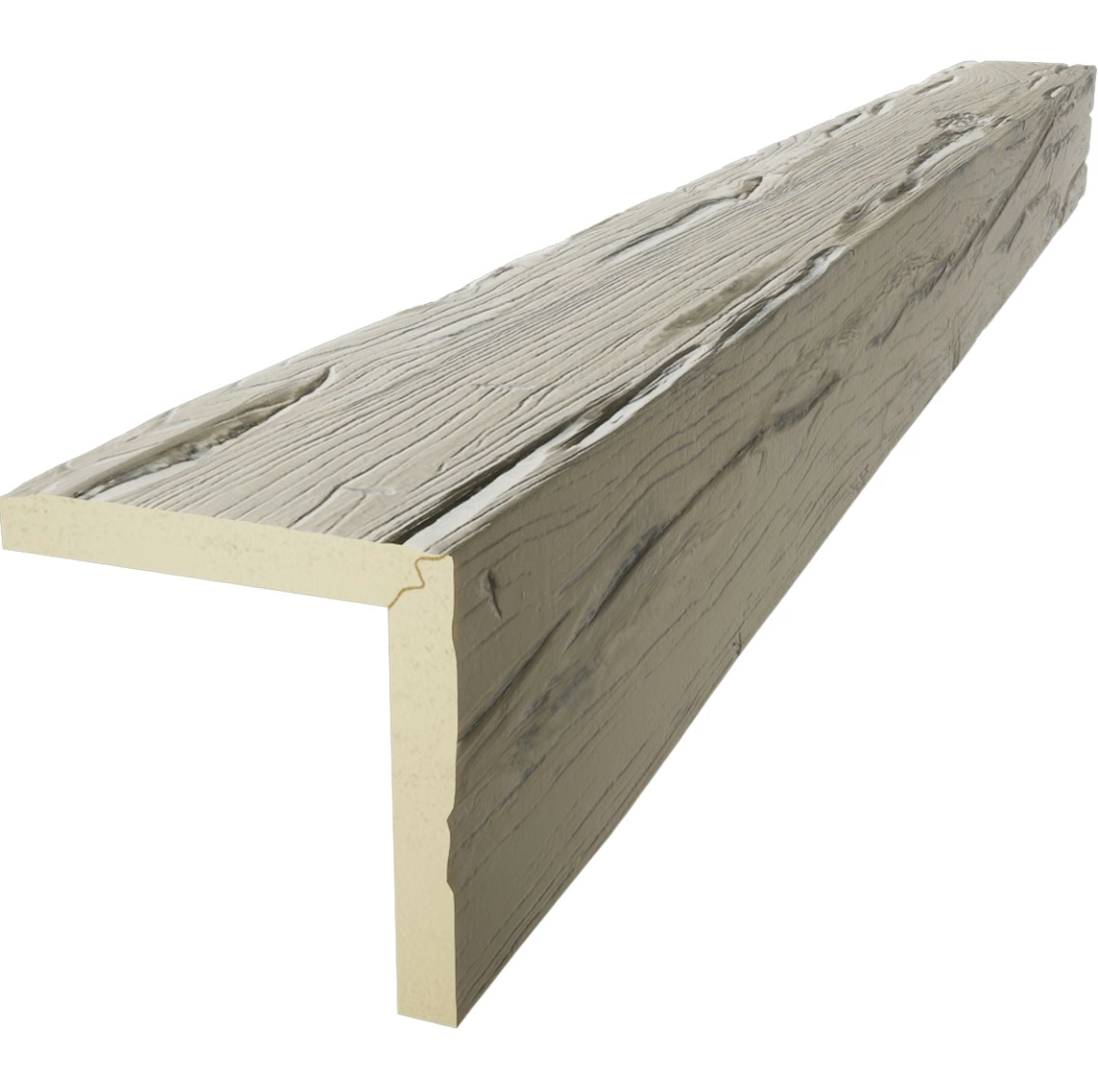
One of the most significant developments in the North American market is the growing availability of custom profile matching. Older homes in the Northeast, Midwest, and historic Southern regions often feature unique beam dimensions and profiles that standard catalog offerings cannot replicate. Today, manufacturers serving the export and wholesale markets can produce custom-molded profiles based on photographs, templates, or detailed measurements provided by contractors and designers.
This capability has opened applications that were previously impractical. Victorian-era porches, Tudor revival interiors, and Craftsman-style bungalows each feature distinctive beam profiles that define their architectural character. Renovators restoring these homes can now specify faux beams that match original dimensions and details while achieving cost savings compared to custom-milled timber or the scarcity of genuinely matching reclaimed lumber.
The profile matching process typically begins with detailed photographs and measurements of existing structural elements or architectural drawings. Manufacturers can then produce tooling for injection molding or rotational molding that captures the exact profile, including any chamfers, tongue-and-groove details, or decorative end treatments. Lead times for custom profiles typically range from four to eight weeks depending on complexity and order volume, making this option viable for projects with reasonable planning horizons.
The Contractor Perspective
From a contractor's viewpoint, faux wood beams have shifted from an afterthought to a featured specification in North American renovation projects. General contractors and interior finish specialists report that clients increasingly arrive at project consultations with specific beam styles, finishes, and installation locations already identified. Social media platforms and home improvement television have educated consumers to a level where technical vocabulary and visual expectations are more sophisticated than a decade ago.
Installation efficiency is a primary driver of adoption. A crew can typically complete a full faux beam ceiling installation in one to two days for an average-sized great room, whereas installing genuine timber beams of comparable scale would require multiple trades, structural engineering consultation, and potentially significant ceiling modification. The adhesive and bracket systems used for PU beam installation have also matured, providing secure attachments that satisfy building inspectors without the complications of heavy timber hardware.
Maintenance considerations also favor polyurethane over natural wood in many applications. Real wood beams require periodic refinishing, are susceptible to insect damage in humid climates, and can develop cracks or checks as they age and dry. Faux beams maintain their appearance indefinitely with basic cleaning and are impervious to insects and moisture-related decay. For vacation homes in humid regions or rental properties where ongoing maintenance is impractical, these advantages translate directly into reduced long-term costs.
Regional Market Variations
Market demand for faux wood beam styles varies noticeably across North American regions. The Western United States, particularly California, Oregon, and Washington, favors clean contemporary profiles with minimal texturing and refined finishes. Beams in these markets tend toward smoother surfaces, tighter tolerances, and more uniform coloration. The preference reflects broader West Coast design sensibilities that favor modern lines even within rustic-inspired treatments.
The Mountain States and interior West embrace more rugged, character-forward aesthetics. Weathered finishes, pronounced grain textures, and heavier beam proportions characterize projects in Colorado, Montana, and Idaho. These homeowners often combine faux beams with stone fireplaces, leather furnishings, and natural textiles to create mountain lodge environments. The visual weight of heavier beam profiles complements the substantial materials used throughout these interiors.
Central and Southern states show a strong affinity for farmhouse-influenced treatments, with white and gray finishes representing the majority of specifications. The trend toward open shelving, subway tile, and apron-front sinks in kitchen renovations provides natural pairing opportunities for ceiling beams. Meanwhile, the Northeastern market remains the most diverse, with colonial, Cape Cod, and farmhouse styles coexisting across adjacent neighborhoods and price points.
Planning Your Renovation Project
For homeowners considering faux wood beam installation as part of a renovation project, several practical factors deserve early attention. First, evaluate the ceiling structure to confirm it can support the weight of mounting hardware, even though the beams themselves are lightweight. Painted drywall ceilings typically accept toggle bolts or specialized beam brackets without difficulty, while plaster or lath ceilings may require additional reinforcement.
Second, establish a clear aesthetic direction before selecting beam products. Collect reference images from home design platforms and note specific finish names or color codes when available. Manufacturers often provide finish sample kits that allow accurate comparison against existing cabinetry, flooring, and wall colors. This step prevents costly mismatches that are difficult to correct after installation.
Third, consider the overall room proportions when specifying beam dimensions. A common mistake in DIY installations is selecting beams that are too narrow for the room scale, resulting in an underwhelming appearance that fails to achieve the intended architectural effect. As a general guideline, beams should occupy approximately one-twelfth to one-fifteenth of the ceiling height to read as intentional architectural elements rather than decorative afterthoughts.
The North American market for faux wood beams continues to mature as product quality improves, finish options expand, and consumer awareness grows. For renovation professionals and homeowners alike, these products represent a practical path toward the warmth and character that timber brings to interior spaces, delivered at a fraction of the weight, cost, and installation complexity of the genuine material.
Technical References
ASTM standards cited in every specification
Test Data
Lab results from internal testing program
Updated 2026
Reviewed against current product specs