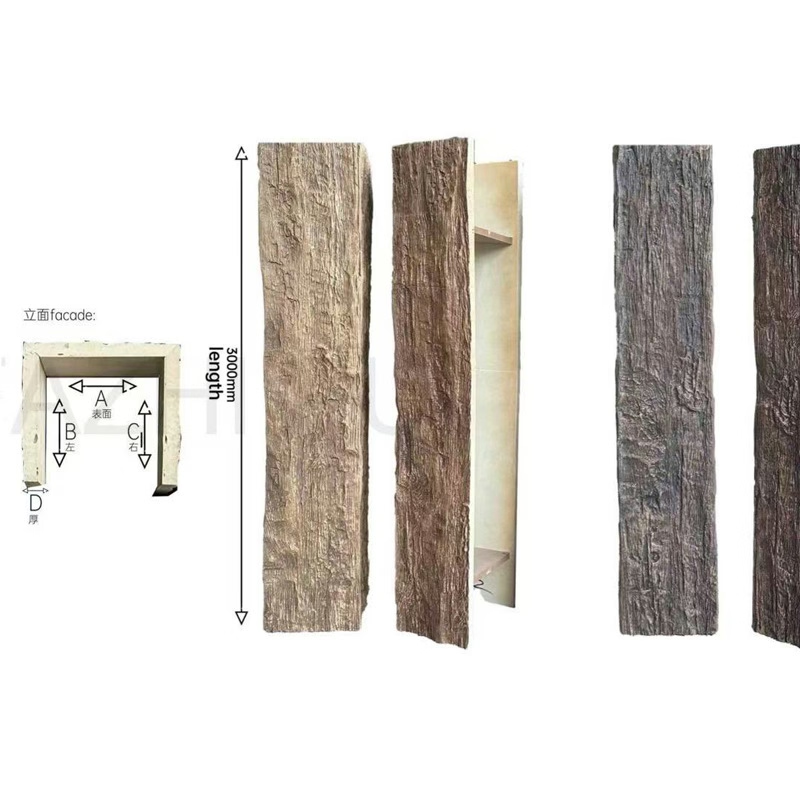
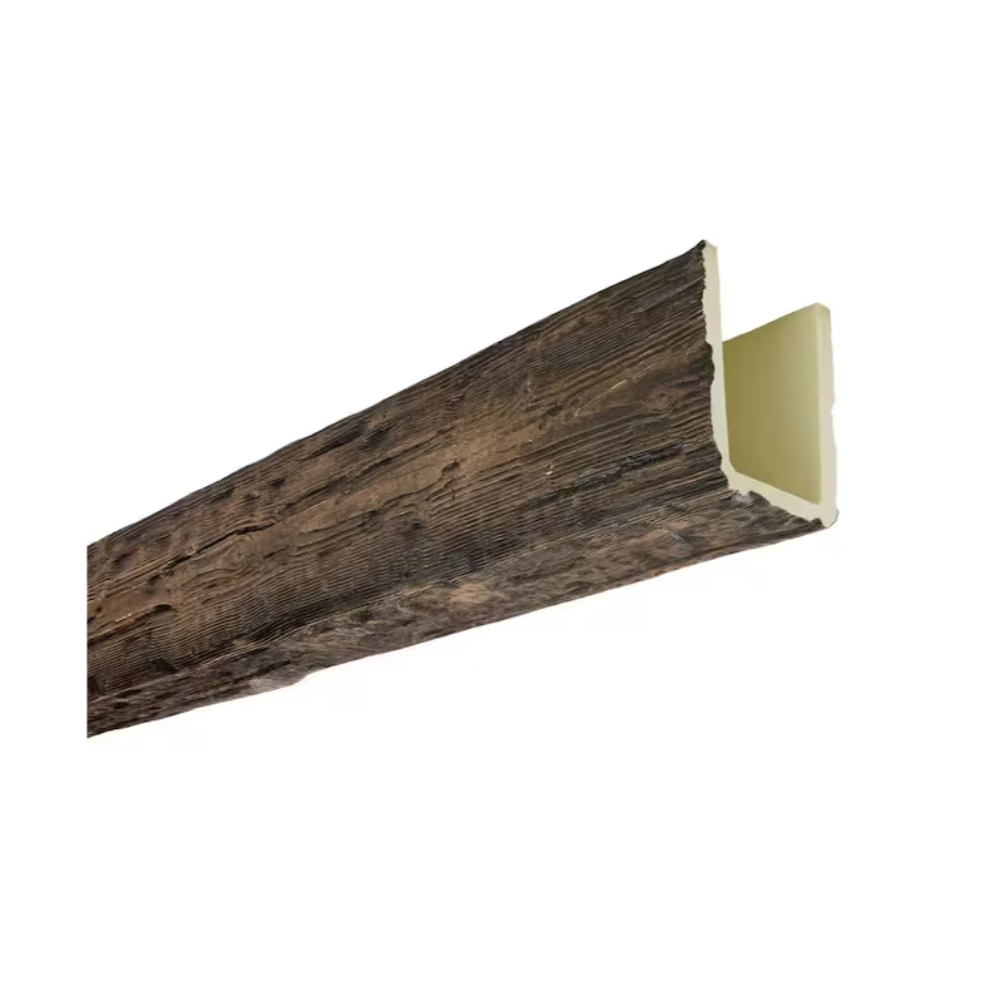
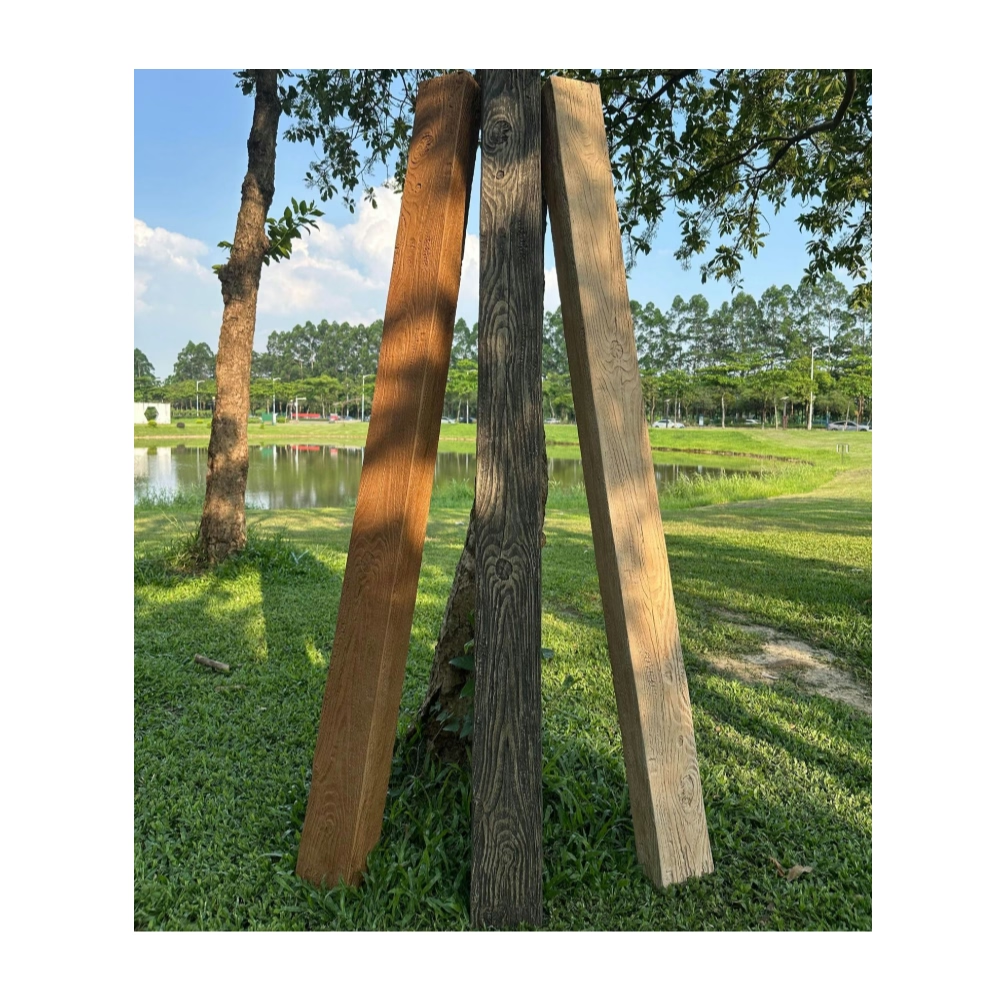
Renovation projects involving existing structures present unique challenges that new construction simply doesn't encounter. Property owners frequently discover that their vision for authentic timber ceilings conflicts with practical limitations: ceiling joists that cannot support genuine wood's weight, budgets that cannot accommodate specialized installation labor, or timelines that demand faster completion than traditional carpentry allows. Polyurethane faux beams resolve these tensions by delivering the wood aesthetics homeowners desire through methods compatible with renovation realities.
The Evolution of Faux Wood Technology
The distinction between modern polyurethane beams and earlier synthetic alternatives cannot be overstated. First-generation faux timber products often appeared obviously artificial, with smooth surfaces, uniform coloring, and textures that betrayed their manufactured origins. Contemporary polyurethane technology has fundamentally changed this equation. Current products capture the complexity of natural wood with fidelity that challenges casual observation.
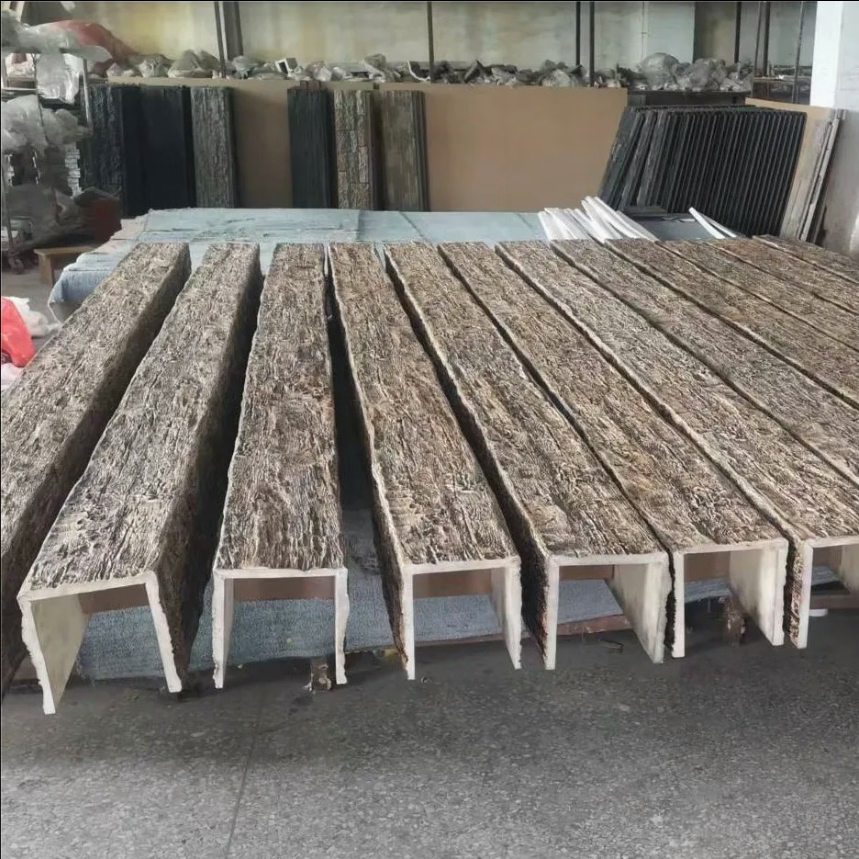
Manufacturers achieve this realism through multi-stage production processes refined over decades of development. The process begins with detailed molds extracted from actual timber samples, preserving not only obvious grain patterns but also the subtle variations that make natural wood compelling. Surface coatings layer multiple tones that mimic how natural light interacts with wood's organic structure. The most convincing products include imperfections deliberately incorporated to prevent the too-perfect appearance that marks artificial materials.
Renovation Scenarios Perfectly Suited to Faux Beams
Historic home updates frequently encounter ceiling structures unsuited to traditional timber installation. Victorian and Edwardian properties often feature lath-and-plaster ceilings that cannot support solid wood without substantial reinforcement. Faux beams install directly to existing surfaces using attachment methods that transfer loads appropriately. This compatibility preserves historic fabric while introducing the timber character these homes were originally designed to display.
Attic conversions represent another application where faux beams excel. Sloped ceilings with exposed rafters create natural opportunities for beam installation, but structural rafters may lack the aesthetic qualities renovation plans require. Covering these elements with faux timber creates cohesive appearance while maintaining the structural function of the original rafters. The lightweight nature of polyurethane proves particularly valuable in attic spaces where additional weight affects overall building balance.
Basement refinishing projects benefit similarly from manufactured beam options. Concrete ceiling structures cannot easily accommodate traditional timber without building elaborate secondary framing. Faux beams attach to furring strips or mounting channels that create the illusion of structural integration while respecting the actual ceiling composition. This approach transforms utilitarian spaces into environments with the warmth timber provides.

Matching Existing Architecture
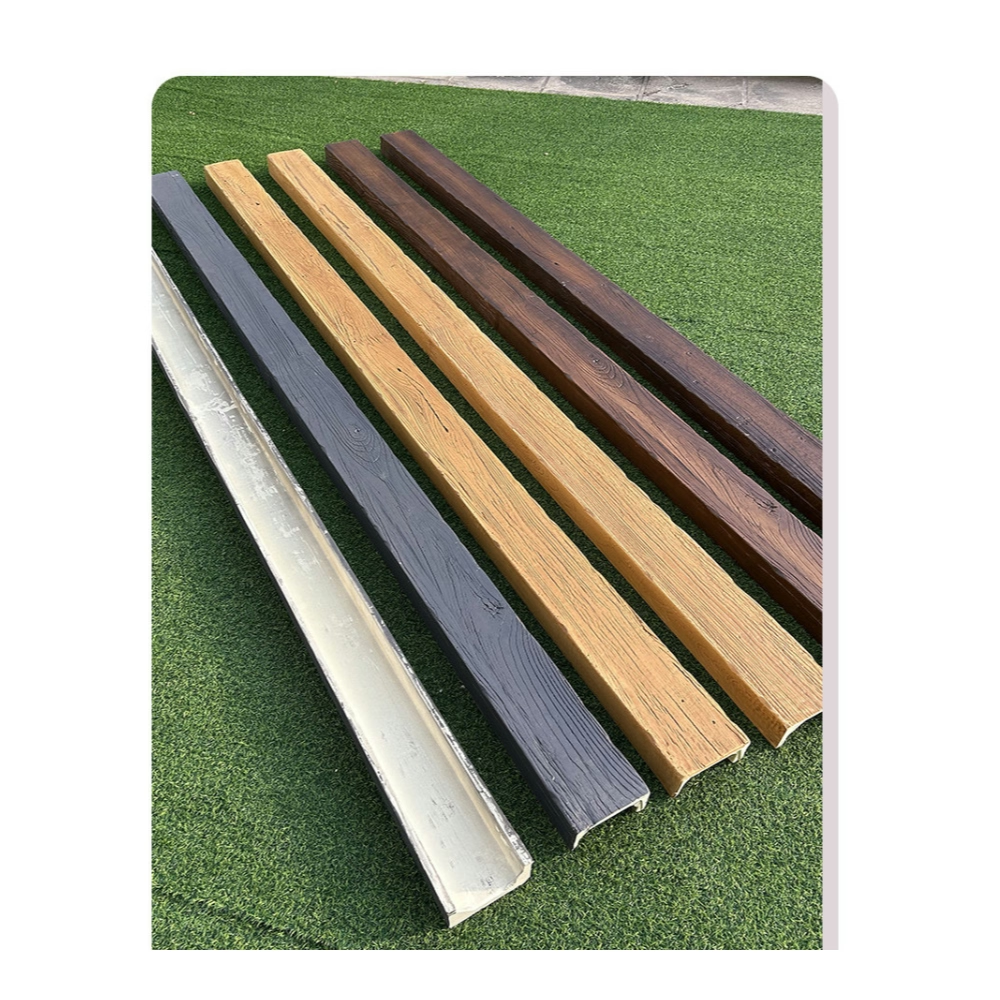
Successful renovation integration requires faux beams that complement surrounding architectural elements. Door and window trim, baseboard moldings, and built-in cabinetry all reference wood species or finishes that beams should echo. Most manufacturers offer diverse finish options precisely for this reason, enabling designers to select beams that harmonize with existing woodwork rather than clashing with it.
Proportion relationships matter significantly in this context. Beams that appear undersized relative to room dimensions read as decorative afterthoughts rather than architectural features. Conversely, oversized beams may overwhelm modest spaces or compete with other significant elements. Reviewing manufacturer specifications for dimensional options helps ensure selected beams provide appropriate visual weight.
The relationship between beam spacing and room geometry deserves consideration. Regular spacing creates formal rhythm suitable for contemporary interiors, while irregular placement suggests the accumulated character of genuine timber in historic structures. Some renovation projects deliberately embrace asymmetric arrangements to reinforce authenticity, though this approach requires confidence in the overall design direction.
Installation Techniques for Renovation Contexts
Surface-mounting remains the most common technique for renovation applications where removing or modifying existing ceilings proves impractical. This approach involves attaching mounting strips or furring directly to the existing ceiling surface, then securing beams over these supports. The process requires minimal tools and produces results that appear structurally integrated from typical viewing distances.
For spaces requiring additional visual depth, shadow-gap installations create separation between beam and ceiling surfaces. This technique involves mounting beams with a small gap maintained around their perimeter, allowing light to create visible shadow lines that enhance three-dimensional perception. The effect adds sophistication to the installation while remaining achievable within renovation timeframes.
Corner and junction details require careful attention during renovation installations. Where beams must turn corners or intersect, manufacturers provide specialized pieces designed for clean transitions. These components maintain continuous grain patterns around bends while simplifying field work that might otherwise produce visible seams or misalignments.
Moisture and Climate Considerations
Renovation projects in challenging climates benefit from polyurethane's resistance characteristics. Bathrooms, kitchens, and enclosed pool areas expose ceiling elements to humidity fluctuations that stress natural wood. Polyurethane accepts these conditions without the dimensional changes that plague genuine timber. Beams maintain consistent appearance regardless of seasonal humidity variations that cause natural wood to expand and contract visibly.
Cold-climate applications also favor manufactured materials. Natural wood in unheated spaces may develop checking, splitting, or ice damage during winter months. Polyurethane tolerates temperature extremes without deterioration, making it suitable for seasonal cottages, unheated barns, or outdoor structures with covered conditions. UV resistance formulations extend this durability to covered patio and porch applications with indirect sun exposure.
Coastal environments present particular challenges for natural wood due to salt air exposure. The corrosive effects of marine atmospheres degrade metal fasteners and deteriorate wood surfaces rapidly. Polyurethane beams paired with stainless steel mounting hardware provide solutions that withstand coastal conditions while maintaining attractive appearances throughout their service life.
Achieving Authentic Character
The most convincing faux beam installations embrace the character that genuine timber provides rather than pursuing perfect smoothness. Beams featuring weathering effects, saw marks, and natural variation create environments that feel genuinely timber-influenced rather than merely beam-decorated. This authenticity emerges from surface texture details as much as from color matching.
Color gradation across beam surfaces contributes significantly to realistic appearance. Natural wood darkens in areas exposed to handling during construction and use, with lighter tones appearing in protected zones. Sophisticated faux beam finishes replicate this variation, creating surfaces that appear genuinely aged rather than uniformly finished. The effect rewards close inspection rather than appearing attractive only from a distance.
Knots and grain patterns should continue naturally across joints and connections. This continuity distinguishes quality installations from budget approaches where patterns terminate abruptly at seams. Premium products include alignment guides that help installers position grain features consistently across multiple pieces, maintaining visual flow throughout extended beam runs.
Cost Management in Renovation Contexts
Renovation budgets benefit from the simplified installation faux beams provide. Unlike genuine timber that may require structural engineering consultation, specialized handling equipment, and extended labor schedules, polyurethane beams install using common tools and standard construction techniques. This accessibility translates directly to cost savings that improve project viability.
The elimination of finishing expenses provides additional budget relief. Natural timber often requires staining, sealing, or painting after installation, with associated materials and labor costs. Polyurethane beams arrive with factory-applied finishes that achieve appearance standards exceeding what site finishing typically produces. This convenience reduces both direct expenses and project timelines.
Long-term maintenance costs favor polyurethane as well. Renovations completed with natural wood may require periodic refinishing, pest management, or repairs that accumulate substantial expense over time. Faux beam installations maintain appearance without such interventions, providing cost certainty that simplifies household budgeting for maintenance expenses.
Selecting Quality Products
Product quality varies substantially across manufacturers, with significant implications for renovation success. Density affects both appearance and durability, with higher-density formulations producing more substantial feel and better impact resistance. Budget products may dent or scratch more readily than premium alternatives, undermining the authentic appearance they attempt to achieve.
Finish quality determines how convincingly beams simulate natural wood over time. UV-stable coatings resist the yellowing or fading that lesser products experience, maintaining consistent appearance despite years of light exposure. Moisture-resistant formulations prevent the surface degradation that occurs when lesser products absorb water during cleaning or humidity fluctuations.
Warranty coverage provides additional quality indicators. Manufacturers confident in their products typically offer multi-year warranties covering appearance and structural performance. Products with minimal warranty coverage may indicate manufacturer uncertainty about long-term durability, suggesting prudence in selecting alternatives with stronger guarantees.
The Renovation Transformation
Faux beam installation fundamentally changes how renovated spaces feel and function. Ceilings that seemed bare or institutional acquire visual weight and architectural character. Rooms flow better when beams define circulation patterns and activity zones. The warmth of wood appearance softens contemporary surfaces and creates environments that feel established rather than newly constructed.
These transformations occur without the disruption renovation projects typically require. Installations complete in days rather than weeks, enabling rapid project completion and swift return to normal household routines. The efficiency proves particularly valuable in occupied homes where extended construction phases create hardship for residents.
The result satisfies homeowners seeking authentic timber character without accepting genuine wood's limitations. Faux beams deliver the aesthetics renovation plans require through methods compatible with existing structures and realistic budgets. This practical excellence has established polyurethane beams as standard options in the contemporary renovation toolkit.
Technical References
ASTM standards cited in every specification
Test Data
Lab results from internal testing program
Updated 2026
Reviewed against current product specs