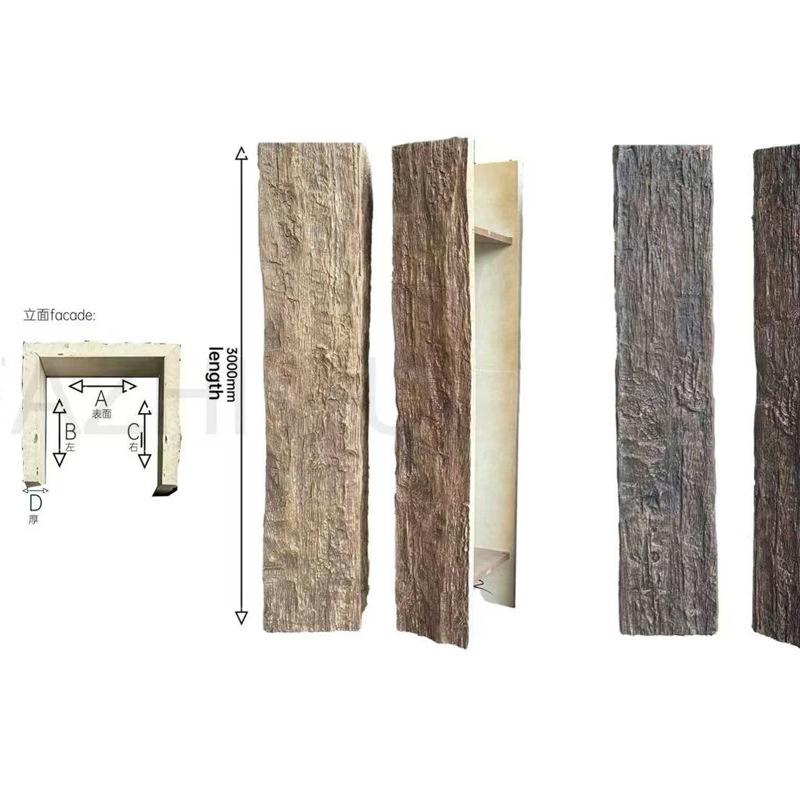
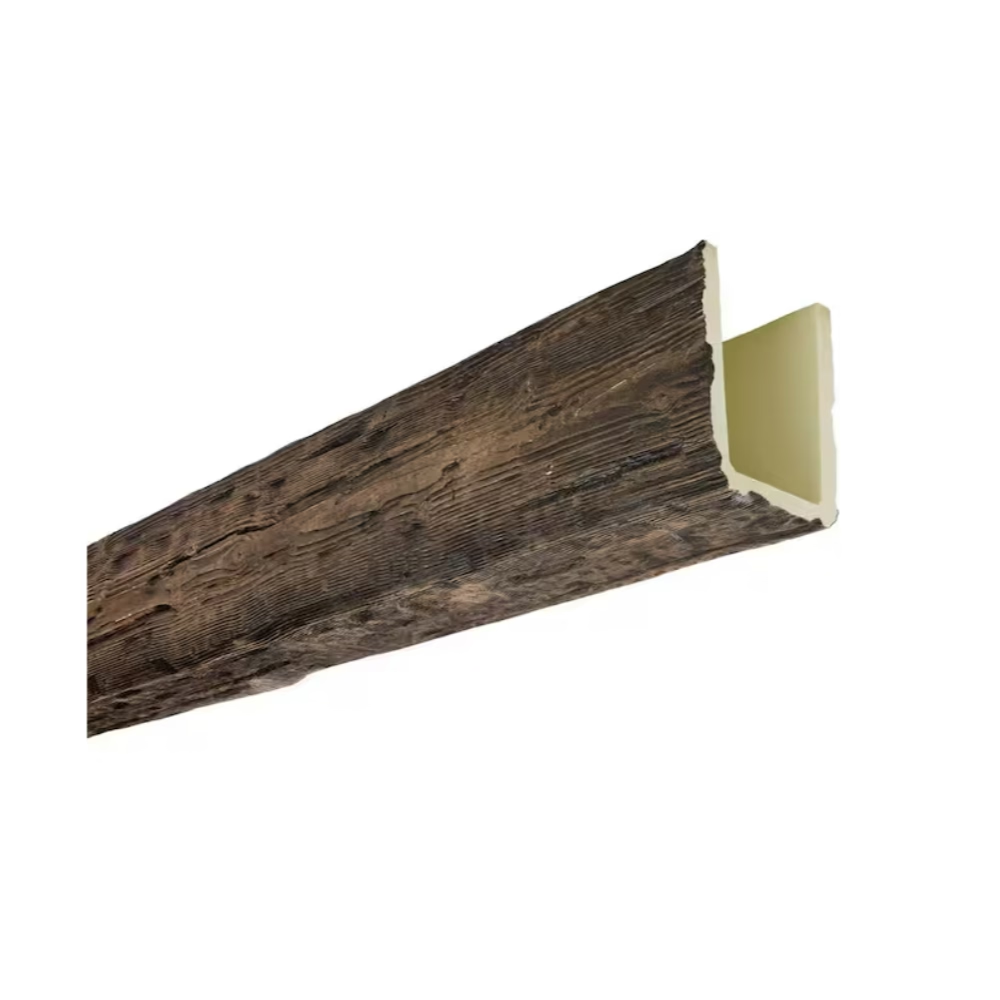
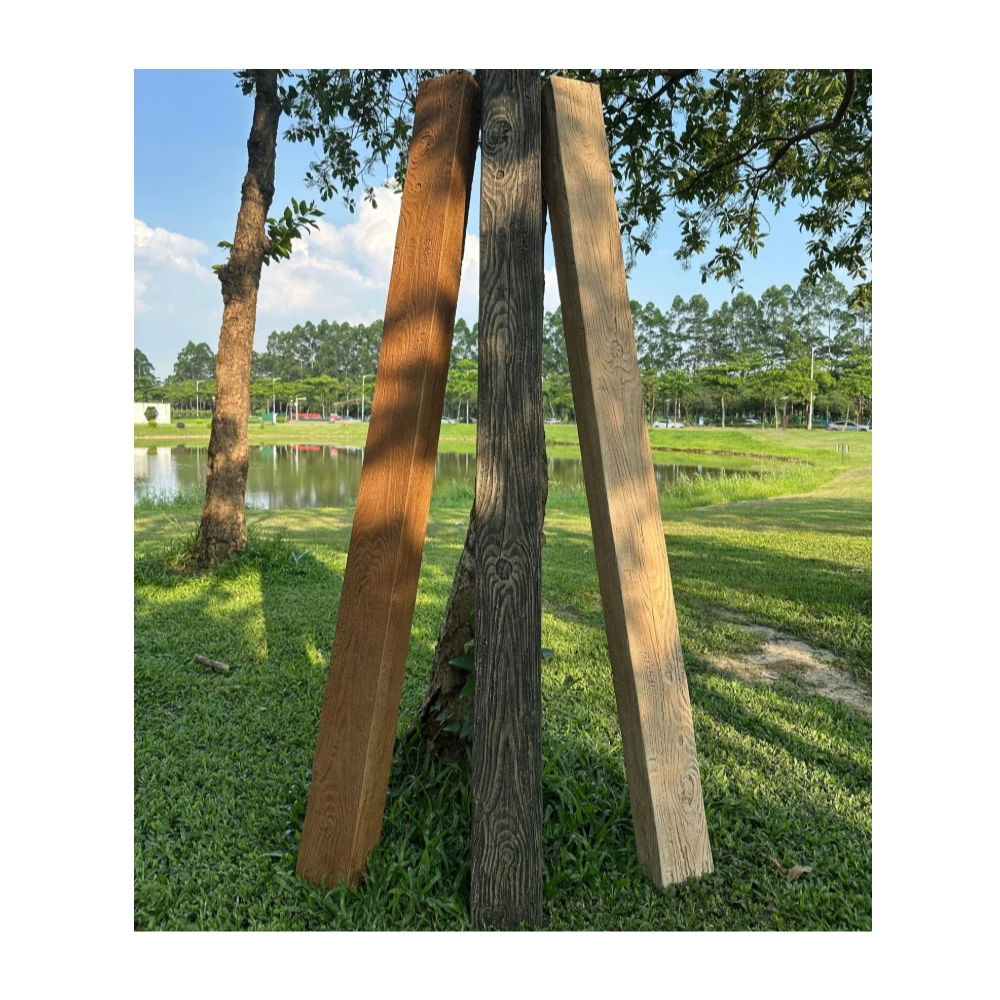
Ceiling surfaces influence room character more profoundly than most homeowners realize. Often treated as afterthoughts or ignored entirely, overhead planes actually establish the visual ceiling that completes room composition. When properly decorated, ceilings transform ordinary rooms into memorable spaces. Timber-look polyurethane beams provide ceiling decoration options that achieve authentic wood aesthetics through practical approaches that serve modern construction realities.
The Overlooked Potential of Ceiling Decoration
Walls receive consistent design attention while ceilings languish in neglect. Paint color selections focus on vertical surfaces, furniture arranges against walls, and architectural details concentrate at eye level. This systematic ceiling disregard leaves significant interior real estate unaddressed, producing rooms that feel incomplete despite thoughtful wall and floor treatment.
The absence of ceiling decoration becomes particularly noticeable in rooms with architectural features drawing attention upward. Fireplaces, prominent windows, and double-height walls all encourage upward gazes that reveal ceiling plainness. Without matching treatment, these features highlight rather than hide ceiling inadequacy. Decorative ceiling elements resolve this imbalance by providing visual reward for attention that architecture draws.
Even modest ceiling enhancement produces disproportionate room improvement. A single beam crossing an unremarkable ceiling creates instant architectural significance. This transformation multiplier makes ceiling decoration particularly efficient investment compared to wall treatments that must compete for attention with furniture and fixtures.
Why Authentic Appearance Matters
Artificial appearance undermines decorative credibility regardless of initial visual impact. Viewers may not consciously identify what seems wrong, yet installations that appear fake create discomfort that reduces overall room appeal. Ceiling beams visible throughout daily life deserve authentic appearance that withstands scrutiny across years of familiar observation.
Polyurethane technology has progressed dramatically toward genuinely convincing simulation. Modern manufacturing techniques capture wood characteristics at scales from obvious grain patterns to subtle surface variations. The most sophisticated products achieve authenticity that challenges casual observation, providing appearance benefits that justify their cost over cheaper alternatives that disappoint.
The manufactured origin of polyurethane beams need not conflict with authentic decoration goals. These products honestly present themselves as high-quality simulated timber rather than attempting to deceive observers about material composition. This authenticity aligns with contemporary values that celebrate honest expression over deceptive imitation.
Design Approaches for Authentic Results
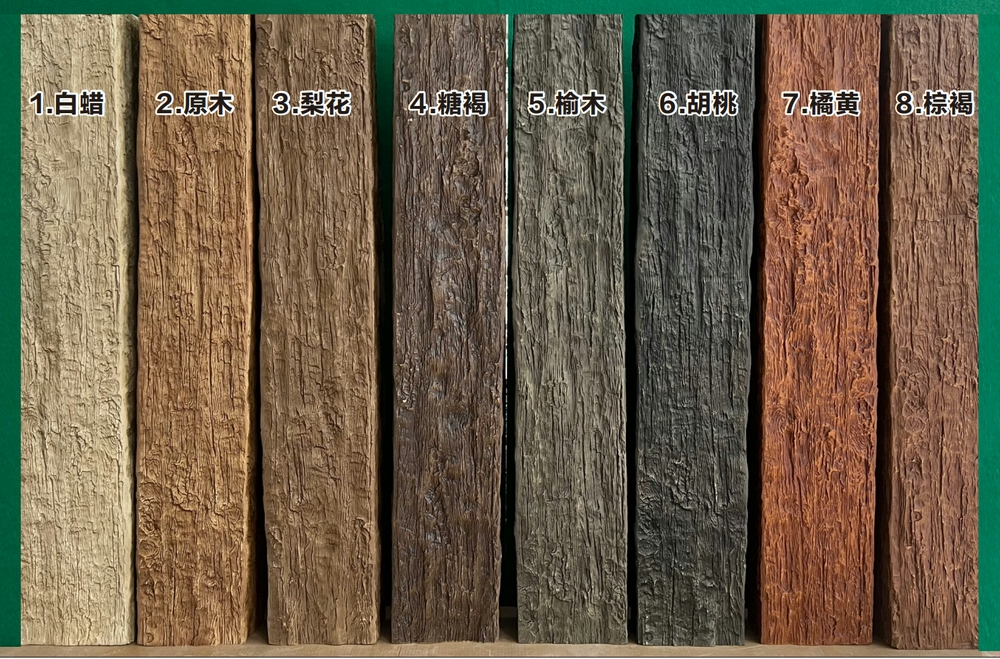
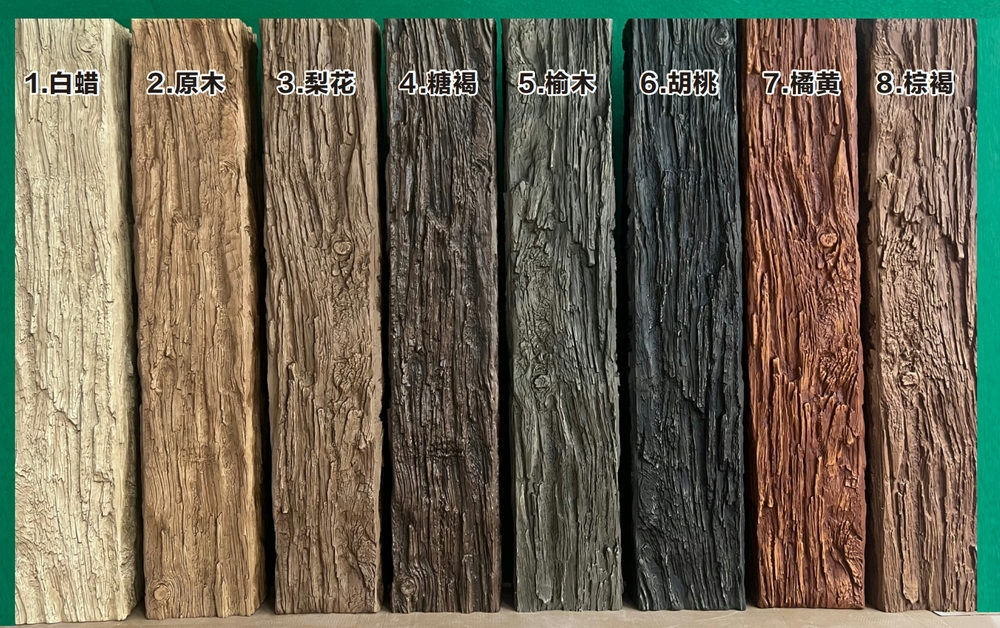
Species selection establishes foundation for authentic appearance. Different wood types display characteristic grain patterns, color ranges, and textural qualities that distinguish them from alternatives. Selecting appropriate species for intended aesthetic ensures that subsequent decisions build on realistic rather than arbitrary foundations. Catalog offerings should match design intentions rather than forcing designs to accommodate available options.
Aging effects contribute substantially to authentic timber appearance. Weathered surfaces, handling marks, and natural discoloration all communicate genuine history that new wood lacks. Quality faux beams incorporate these effects appropriately for their intended style, avoiding both the sterile perfection of unfinished new wood and the overdone distress that characterizes cheap alternatives.
Scale appropriateness ensures that beams contribute authentically to room composition. Oversized beams that dwarf surrounding elements appear theatrical rather than architectural. Understated beams that disappear against ceiling surfaces waste the opportunity ceiling decoration provides. Achieving authentic contribution requires matching beam scale to room dimensions and design ambitions.
Common Decorative Applications
Fireplace alcoves benefit from overhead beams that frame the focal point below. The timber canopy draws attention to fire features while introducing warmth that complements crackling flames. Beams positioned at right angles above the mantel create visual enclosure that makes fireplace gathering feel sheltered and intentional.
Kitchen islands gain definition through beams positioned above food preparation zones. The visual separation helps organize open-plan kitchens while adding the organic warmth that balances stainless steel appliances and hard surface countertops. This application demonstrates how ceiling decoration can serve functional organization alongside aesthetic enhancement.
Bedroom headboards benefit from overhead beams that create sleeping sanctuary definition. Positioned above the bed, beams provide architectural canopy that makes rest feel like intentional retreat rather than mere unconsciousness. The warmth timber contributes promotes relaxation that contributes to sleep quality.
Integration With Existing Architecture
Beam placement should respect rather than fight existing architectural features. Structural elements, ceiling fixtures, and ventilation grilles all influence optimal beam positioning. Accommodating these features produces installations that feel considered rather than arbitrarily imposed. This integration attention distinguishes professional installations from amateur approaches.
Proportion relationships between beams and existing elements determine whether installations achieve professional quality. Door frames, window casings, and baseboard moldings all provide reference points that beam selection should complement. Disproportionate beams create uncomfortable visual tension, while appropriately scaled elements contribute to architectural harmony.
Color coordination extends beyond beam selection to include adjacent surfaces and finishes. Warm wood tones should complement rather than compete with existing woodwork. Cool gray or painted finishes might better suit contemporary interiors with neutral palettes. This color intelligence ensures that beam installation enhances rather than complicates existing design.
Achieving Three-Dimensional Realism
Shadow play creates depth that distinguishes quality installations from flat appearances. Beams mounted with slight separation from ceiling surfaces cast shadows that enhance perceived dimension. This shadow gap technique requires careful attention during installation but produces results that reward the effort through enhanced realism.
Surface texture variation across beam profiles prevents the uniform appearance that reveals manufactured origin. Quality products incorporate varied texture that responds differently to light across their surfaces. This textural complexity creates visual interest that close inspection rewards rather than exposing artificial uniformity.
Edge treatment affects perceived authenticity significantly. Beams with properly finished edges and realistic end caps appear solid and substantial. Rounded corners and smooth transitions maintain authentic appearance throughout, while sharp corners and visible seams betray manufactured origin that close observation reveals.
Maintenance of Authentic Appearance
Quality maintenance preserves authentic appearance throughout extended service. Dust accumulation dulls finish luster that authentic simulation requires. Regular cleaning using appropriate methods maintains the visual quality that justifies installation investment. This modest maintenance requirement contrasts favorably with genuine timber's more demanding care schedules.
Damage repair maintains authenticity when incidents occur. Quality repair techniques address chips, scratches, or dents without requiring replacement. Having matching finish materials available for touch-up enables prompt attention that prevents damage escalation. Professional repair services address more significant issues while maintaining authentic appearance.
Environmental protection prevents the deterioration that undermines authenticity. UV-stabilized finishes resist yellowing and fading that would compromise realistic appearance. Moisture resistance prevents the swelling, warping, and discoloration that would make beams appear damaged or poorly made. These protective characteristics ensure sustained authenticity.
Cost Considerations for Authentic Outcomes
Initial cost differences between quality and economy products translate directly to appearance differences that persist throughout ownership. Economy beams may save money initially but display their budget origins through appearance that educated observers recognize. The additional investment in quality products pays returns through sustained authentic appearance.
Installation investment affects ultimate authenticity as significantly as product selection. Professional installation ensures that quality products receive treatment that maintains their authentic potential. Amateur installation may compromise appearance through alignment issues, visible seams, or inadequate fastening that quality products alone cannot overcome.
Long-term value favors authentic appearance that serves well across extended periods. Budget products requiring early replacement generate cumulative costs that exceed quality product investment. Authentic appearance maintained through quality materials and professional installation provides lasting value that economy approaches cannot match.
Professional Consultation Benefits
Design professionals help navigate options toward authentic outcomes that individual judgment might not achieve. Their experience across diverse projects provides insight into what succeeds and what disappoints. This guidance proves particularly valuable for homeowners making decisions based on limited previous experience.
Product selection from extensive catalogs benefits from professional familiarity with available options. Manufacturers offer ranges that overwhelm individual shoppers, making objective comparison difficult. Professional designers bring knowledge of product characteristics that enables efficient selection toward optimal outcomes.
Execution quality ultimately determines whether authentic potential translates into satisfying reality. Professional installation ensures that specification quality receives technical execution matching design intentions. This execution investment protects design investment from compromise that amateur approaches might produce.
Making Authentic Choices
The pursuit of authentic ceiling decoration leads naturally toward quality polyurethane beams from established manufacturers. These products deliver the timber aesthetics that decorators and homeowners seek through manufacturing approaches that achieve genuinely convincing simulation. Investment in quality ensures that authenticity goals translate into lasting satisfaction.
Visiting showroom displays enables firsthand evaluation that photographs cannot provide. Observing beam samples under actual lighting conditions reveals qualities that catalog images obscure. This direct experience informs selection decisions better than any secondary information source.
Requesting samples for extended evaluation in actual room conditions provides final validation before commitment. What appears appropriate in showroom lighting may seem different in home environments. Sample evaluation under actual conditions prevents disappointment that post-installation corrections cannot address.
Technical References
ASTM standards cited in every specification
Test Data
Lab results from internal testing program
Updated 2026
Reviewed against current product specs