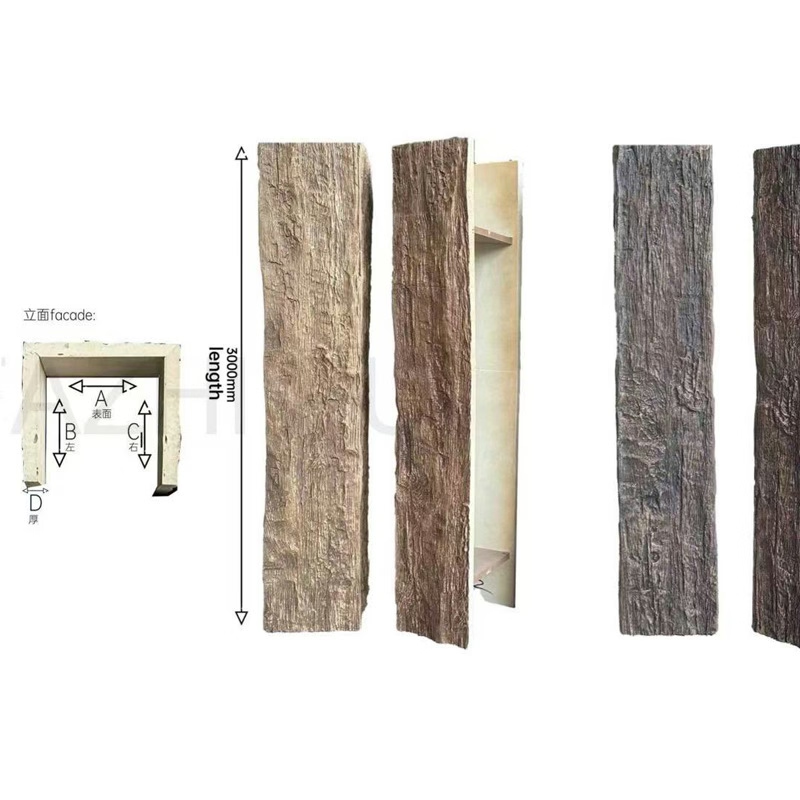
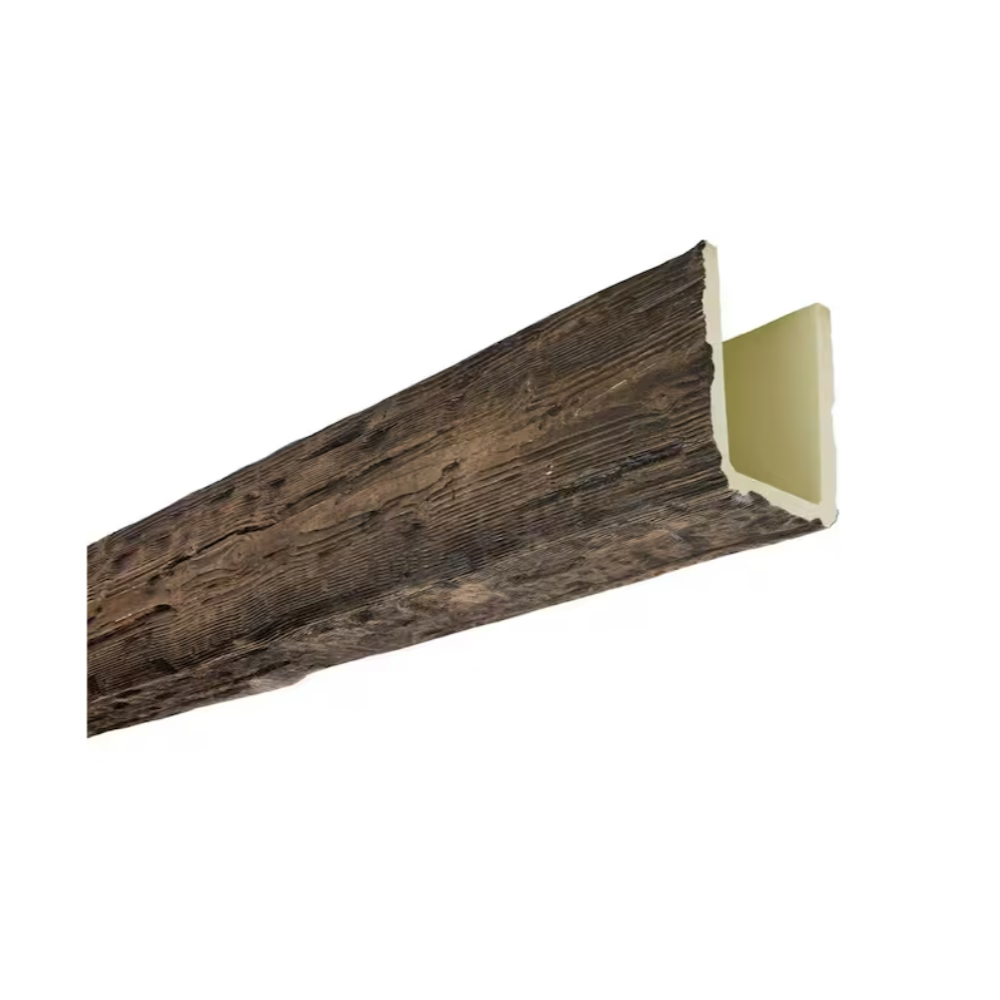
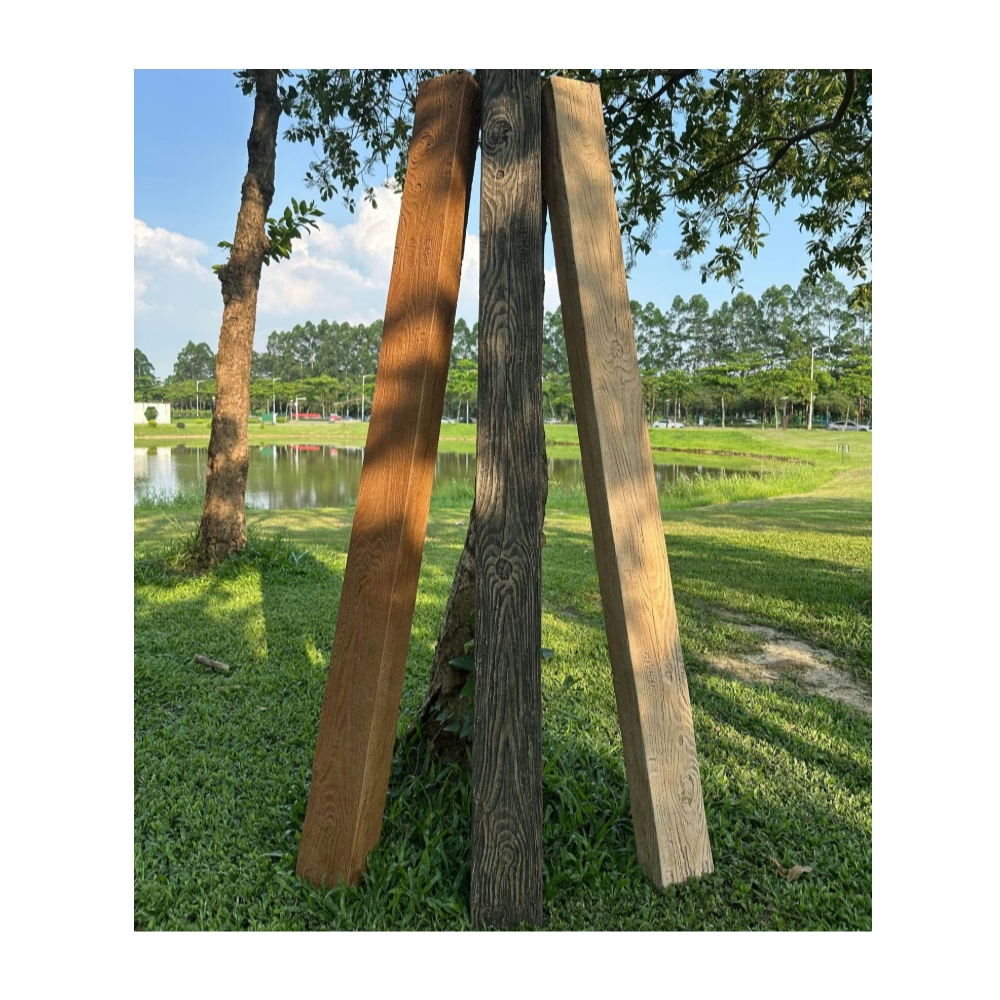
When Sarah and Mark renovated their 1970s bungalow in Kelowna, British Columbia, they spent weeks searching for reclaimed wood beams that would fit their vision of a rustic-modern living room. The problem was every option they found either weighed too much for their ceiling structure or came with delivery timelines stretching well beyond their project deadline. Then they discovered polyurethane faux wood beams designed specifically for the Canadian market, complete with delivery service that reached their doorstep within two weeks of ordering.
This experience is becoming increasingly common across Canada, where both homeowners and trade professionals are turning to lightweight faux wood beams as a practical alternative to traditional timber. The shift reflects not just a preference for easier installation but also a growing understanding of how modern materials can deliver the aesthetic qualities of natural wood without the associated logistical headaches.
Why Canadian Homeowners Are Choosing Lightweight Faux Wood Beams
The Canadian housing market presents unique challenges for renovation projects. Older homes in cities like Toronto, Montreal, and Vancouver often feature ceiling structures that were never designed to support the weight of solid oak or Douglas fir beams. A single eight-foot section of genuine reclaimed barn beam can weigh anywhere from 40 to 80 pounds, depending on its dimensions and moisture content. For many homeowners, that weight means structural reinforcement is required before any installation can begin, adding thousands of dollars and weeks of construction time to their project.
Lightweight faux wood beams solve this problem at the foundation. Polyurethane foam beams typically weigh between 1 and 3 pounds per linear foot, making them light enough to mount on virtually any ceiling without additional structural support. A contractor in Calgary recently completed a full ceiling beam installation in a 1,200-square-foot open-concept home in a single afternoon, using standard mounting brackets and construction adhesive. The same project with genuine timber would have required at least two workers, a lifting mechanism, and a minimum of two full days.
Beyond the practical weight advantage, these beams resist the moisture-related expansion and contraction that plagues natural wood in Canada's diverse climate zones. From the humid summers of southern Ontario to the dry cold of Alberta winters, polyurethane maintains its dimensional stability without warping, cracking, or splitting. Canadian homeowners investing in these beams receive a product that holds its appearance through seasonal temperature swings without the maintenance demands of authentic wood.

Fast Delivery Across Canada's Provincial Markets
One of the most significant advantages offered by contemporary faux wood beam suppliers serving the Canadian market is the streamlined logistics network that eliminates the extended lead times historically associated with architectural millwork. Traditional timber beams sourced from specialty yards often require weeks of lead time, especially for custom dimensions or finishes not kept in stock. Custom orders can stretch to eight weeks or longer when factoring in milling, drying, and finishing.
Modern polyurethane beam manufacturers have restructured their inventory and fulfillment processes specifically to address time-sensitive renovation schedules. Most in-stock beams ship from regional distribution points within 48 hours of order confirmation, with standard courier service reaching major metropolitan areas in three to five business days. Homes in more remote locations, including rural communities in Atlantic Canada or northern territories, typically receive their orders within seven to ten business days through established freight networks.
This delivery model proves particularly valuable for contractors managing multiple renovation projects simultaneously. A renovation company in Edmonton reported that switching to polyurethane beams with reliable delivery schedules eliminated the bottleneck that previously delayed finishing phases of their builds. Instead of waiting for a timber supplier to fulfill custom orders, their crews could proceed through installation on the planned timeline, improving project profitability and client satisfaction.
The packaging innovations developed for shipping these beams also deserve mention. Each beam is wrapped in protective material and secured within custom-length shipping containers that prevent transit damage. Unlike natural wood, polyurethane beams arrive at their destination free from the moisture damage, insect infestation concerns, or surface scratches that sometimes accompany timber deliveries. Contractors open the packaging and proceed directly to installation without any preparation or conditioning time.
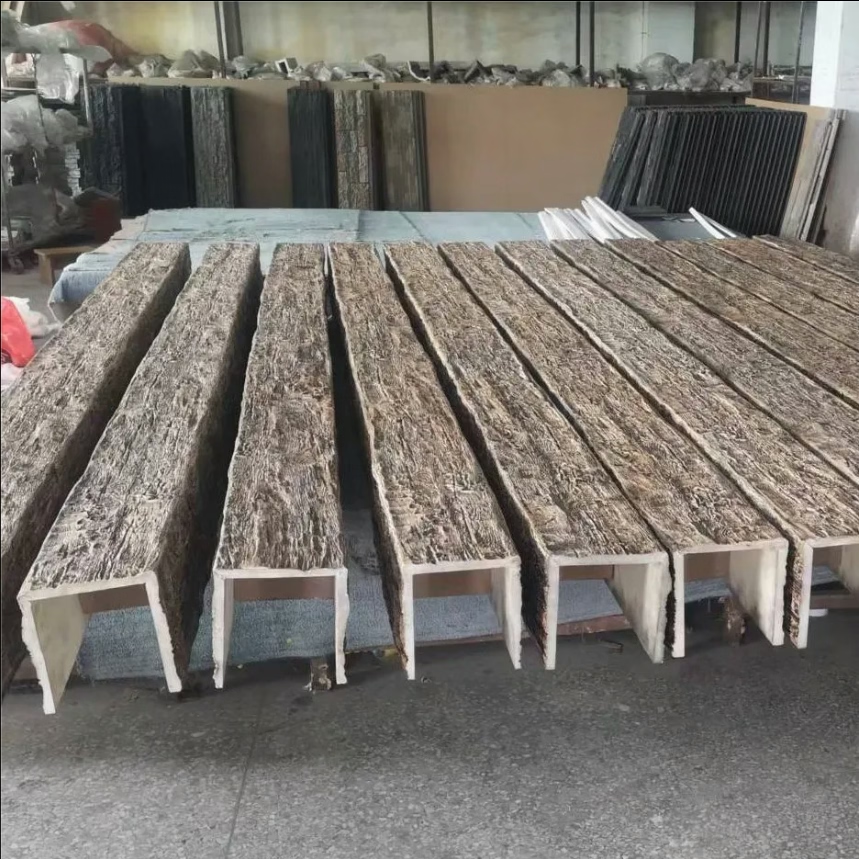
Design Possibilities for Canadian Interior Styles
The versatility of lightweight faux wood beams allows them to complement virtually every architectural style found in Canadian homes. In heritage properties throughout Quebec and the Maritimes, these beams bring authentic character to spaces where matching original millwork details matters to both homeowners and heritage preservation boards. The ability to replicate specific wood species, grain patterns, and aging effects means that even the most discerning eyes struggle to distinguish the faux beams from genuine timber at normal viewing distances.
Contemporary Canadian architecture benefits equally from the clean lines and uniform quality of polyurethane beams. The clean, consistent appearance of manufactured beams appeals to architects and designers working toward minimalist aesthetics where uniformity is an asset rather than a liability. A modern home in Whistler featured exposed beam ceilings using matte-finish polyurethane beams that created visual warmth without the knots, cracks, and color variations that can disrupt a contemporary design scheme.
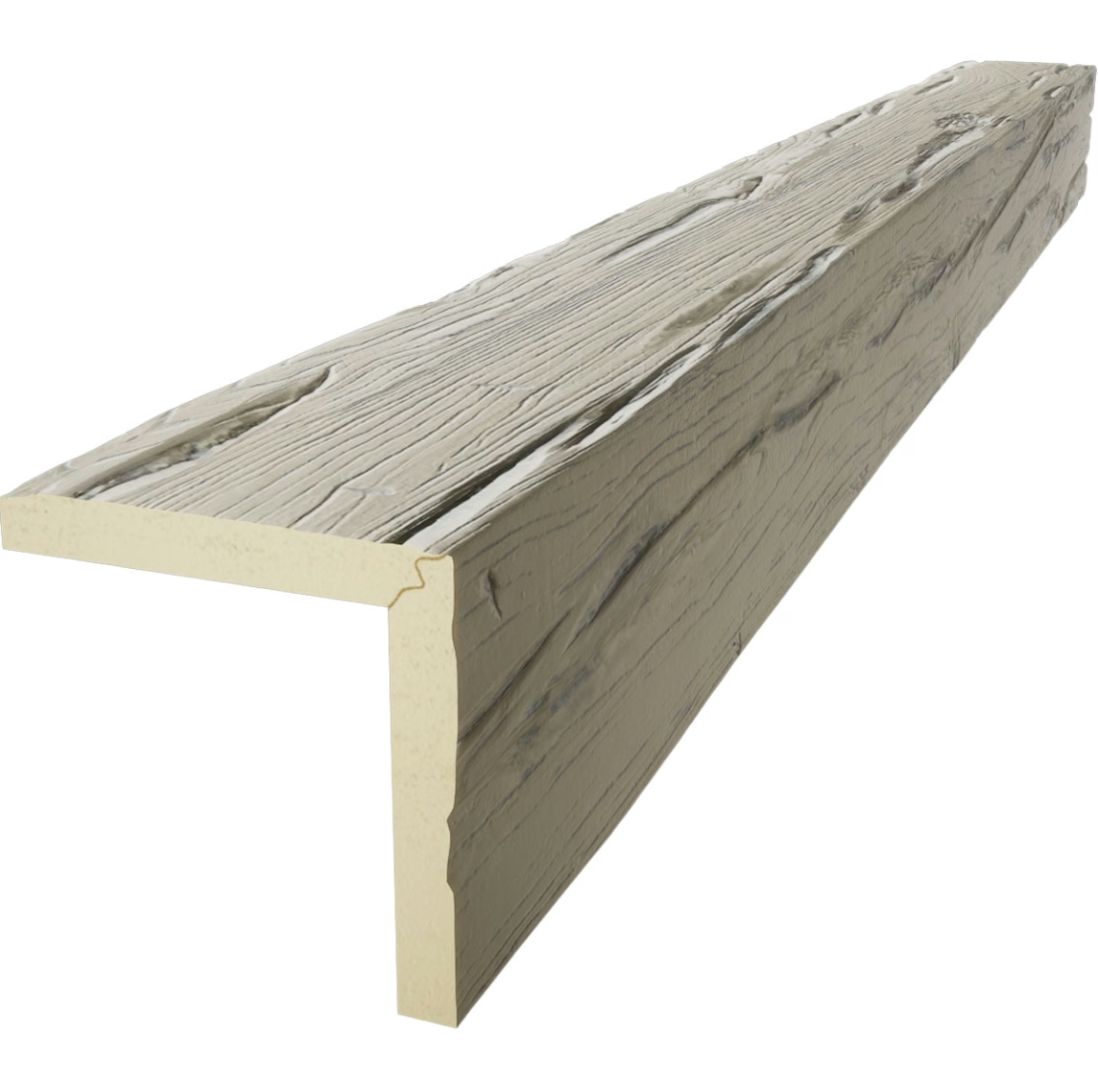
For those drawn to the farmhouse aesthetic prevalent in newer Canadian subdivisions, barnwood-style faux beams offer an approachable entry point into rustic design. These beams feature distressed textures, weathered color palettes, and knot patterns that evoke reclaimed lumber without the sourcing uncertainty or premium cost. Kitchens, dining rooms, and covered porches throughout the Prairies and beyond have embraced this aesthetic, with polyurethane barnwood beams providing the character of aged timber at a fraction of the installed cost.
The color and finish options available through current manufacturers make customization straightforward. Whether a homeowner prefers the deep amber tones of walnut, the pale warmth of natural oak, or the silver-grey patina of weathered barn siding, polyurethane beams can be ordered in finishes that align with the existing color palette of the room. This eliminates the need for on-site staining or painting, further reducing the labor investment required to complete a ceiling beam project.
Practical Installation Considerations for Canadian Homes
Installing lightweight faux wood beams in Canadian homes requires minimal specialized knowledge or tools, which makes these products accessible to both professional contractors and ambitious DIY renovators. The standard installation process begins with measuring the ceiling span and marking the desired beam positions, accounting for any light fixtures, ceiling fans, or ventilation components that may affect placement.
Most installations use a combination of mounting brackets and construction adhesive to secure beams permanently to the ceiling structure. The brackets attach to ceiling joists or blocking that has been installed between joists, providing a secure anchor point. Once brackets are in place, the beam simply slides over them and locks into position. The adhesive provides additional security and eliminates any possibility of rattling or shifting over time.
For beams spanning longer distances, intermediate support may be required to prevent sagging. Professional installers typically add support brackets at intervals recommended by the beam manufacturer, which vary based on beam profile and dimensions. These intermediate supports are often designed to be hidden within the beam's profile or covered by decorative corbels that enhance the visual authenticity of the installation.
One frequently overlooked benefit of polyurethane beams in Canadian contexts is their thermal insulation properties. While the material itself is lightweight, the air pockets within certain beam profiles provide marginal improvement in ceiling insulation values. For homeowners focused on energy efficiency in Canada's variable climate, this incidental benefit adds to the value proposition without requiring any additional investment or installation steps.
The maintenance requirements for installed polyurethane beams are minimal compared to natural wood. Periodic dusting with a soft cloth keeps the beams looking fresh, and occasional cleaning with a mild soap solution removes any accumulated grime in kitchens or high-traffic areas. Unlike natural wood, polyurethane beams do not require periodic sealing, staining, or protective coating applications to maintain their appearance. This low-maintenance characteristic proves especially valuable for homeowners who want the look of wood without committing to ongoing care routines.
Selecting the Right Beams for Your Canadian Renovation Project
Choosing the appropriate faux wood beams for a Canadian home involves considering several practical factors beyond aesthetic preferences alone. The ceiling height and room dimensions should guide the selection of beam proportions, as overly large beams in a modest room can overwhelm the space while undersized beams in a grand room may disappear visually. As a general guideline, beams should occupy roughly one-twelfth of the wall height when installed on standard eight-foot ceilings to maintain proportional balance.
The room's lighting conditions also affect which beam finish will look best in the space. Rooms with abundant natural light from large windows can accommodate darker, richer finishes that might appear too heavy in dimly lit spaces. Conversely, rooms with limited natural light benefit from lighter finishes that reflect available illumination and maintain an open, airy feeling despite the visual weight of ceiling beams.
Fire safety considerations vary by province and municipality, so homeowners should verify that their chosen polyurethane beams meet local building code requirements for interior finishes. Many manufacturers now offer fire-retardant formulations that meet or exceed standards set by the Canadian Construction Materials Centre, making compliance straightforward in most jurisdictions.
Budget planning for a faux wood beam project should account for both material costs and any associated hardware or accessories. Mounting brackets, adhesive, decorative corbels, and finishing trims add incremental cost beyond the beams themselves, though these items typically represent a small percentage of the overall project budget compared to the beams themselves. When factored against the avoided costs of structural reinforcement, specialized installation labor, and ongoing maintenance required for genuine timber, the total investment in polyurethane beams remains substantially lower.
Canadian homeowners who have made the switch report high satisfaction with both the installation process and the long-term results. The combination of realistic appearance, practical performance in demanding climates, and delivery timelines that fit real renovation schedules positions lightweight faux wood beams as a compelling option for anyone looking to add warmth, character, and value to their home through ceiling design.
Technical References
ASTM standards cited in every specification
Test Data
Lab results from internal testing program
Updated 2026
Reviewed against current product specs