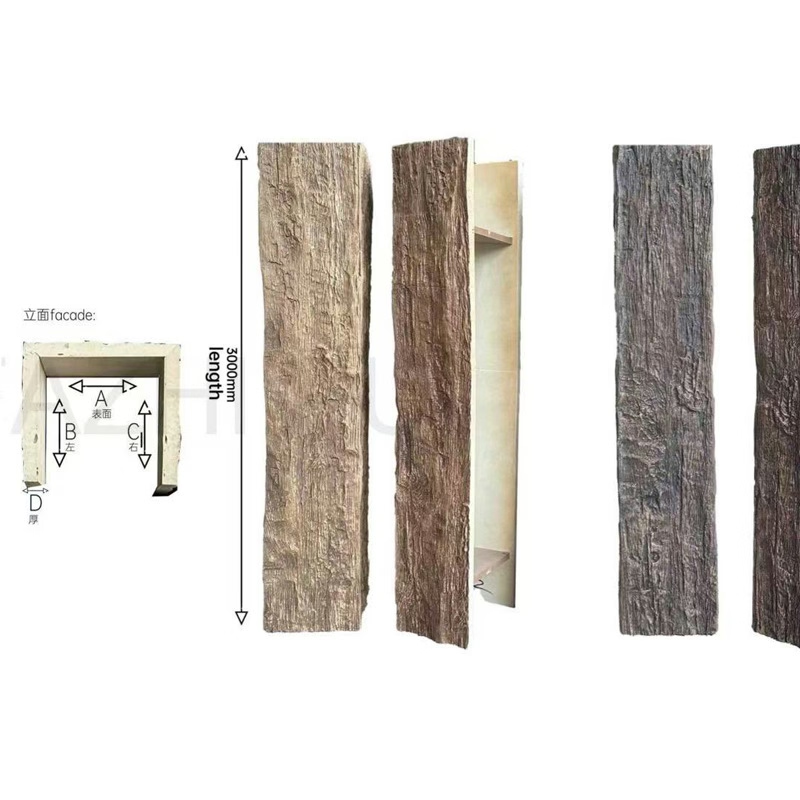
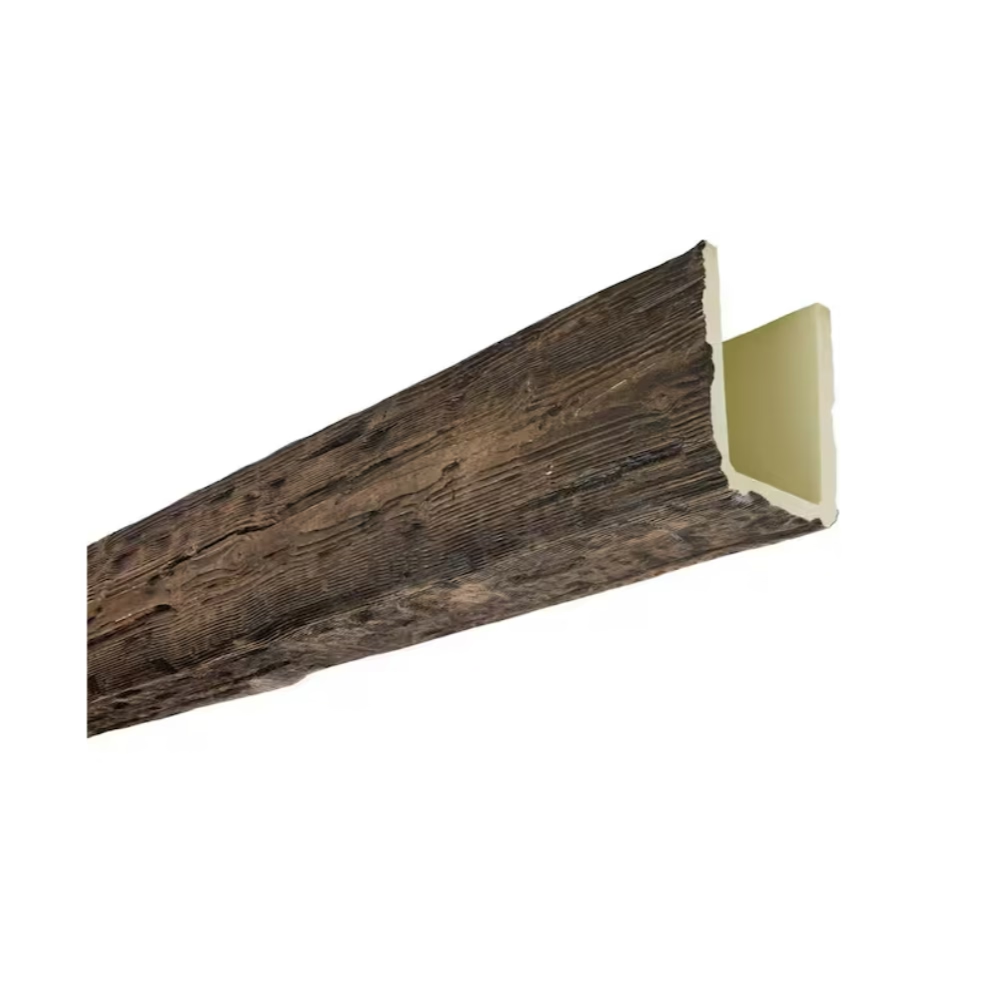
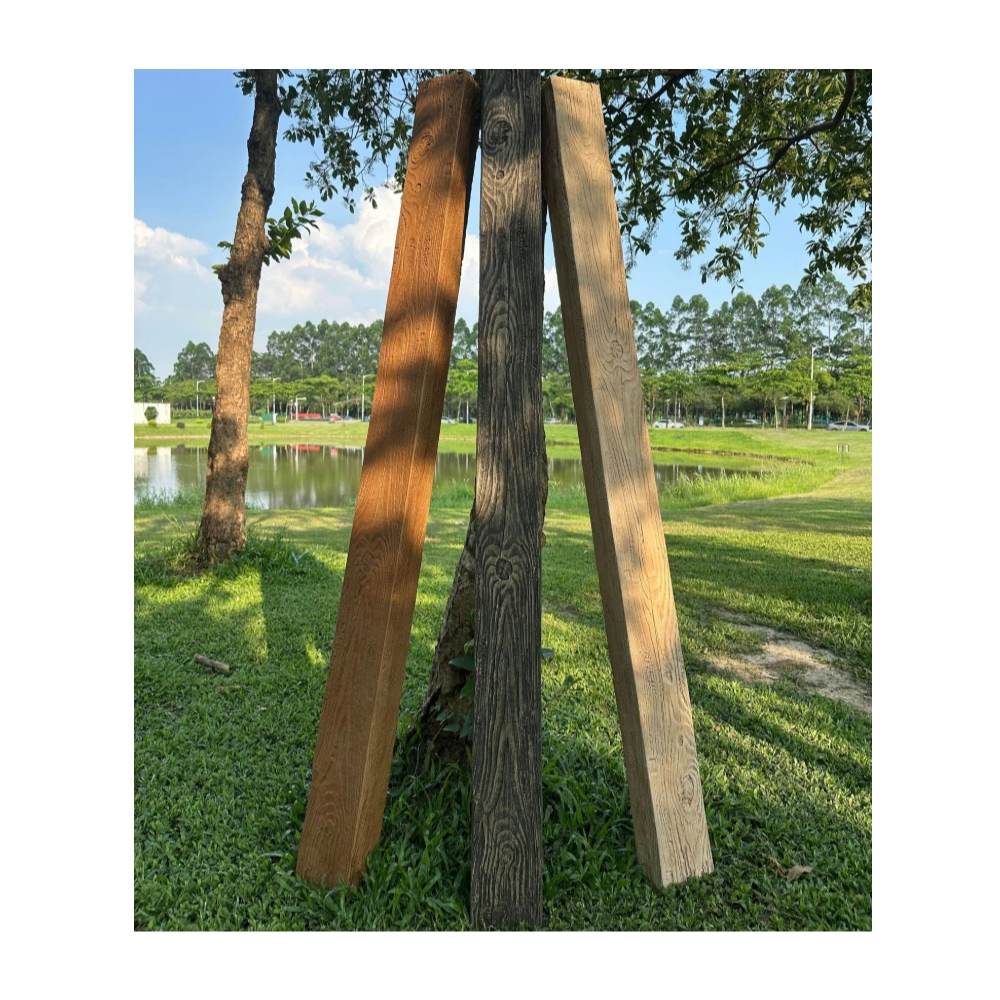
Interior design magazines regularly feature stunning ceiling beam installations that make rooms look polished, sophisticated, and undeniably expensive. The problem for most homeowners is that the professional installations showcased in those pages often carry price tags running into thousands of dollars for materials alone, before accounting for the specialized labor required to handle and mount heavy timber safely. This cost barrier has historically kept ceiling beam transformations out of reach for many renovation budgets, but material innovations in polyurethane foam have changed that calculation entirely.
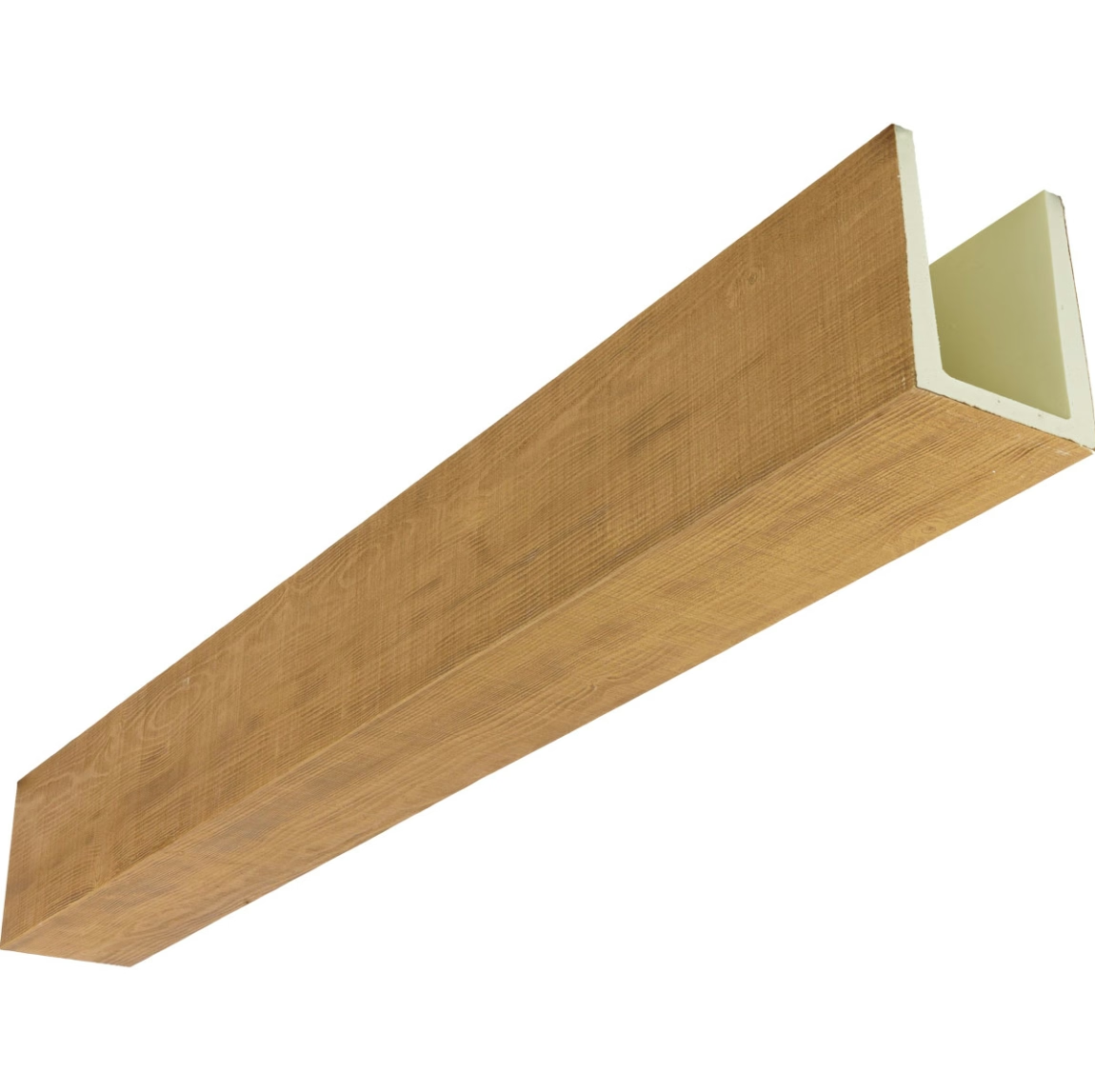
The economics of foam faux ceiling beams start with manufacturing efficiency. Where a genuine Douglas fir beam must be milled from harvested timber, dried in climate-controlled kilns, finished by hand, and transported as a heavy awkward load, a polyurethane beam is cast from liquid raw materials in precision molds. The process consumes minimal energy, produces consistent quality across every unit, and generates a finished product that weighs a fraction of its wooden counterpart. These production efficiencies translate directly into consumer pricing that undercuts genuine timber by 60 to 80 percent in most comparisons.
Labor costs represent an even more significant portion of traditional beam installation budgets. When beams weigh 60 pounds per eight-foot section, contractors must account for multiple workers, lifting equipment, and extended installation time that drives up project quotes substantially. Foam beams weighing under 3 pounds per linear foot can be installed by a single person using basic hand tools, which dramatically reduces labor costs for homeowners who choose to install them themselves and eliminates the premium pricing that contractors charge for heavy material handling.
Understanding the Cost Breakdown of a Foam Beam Project
A typical foam faux ceiling beam project for an average living room involves several line items that together remain far below the cost of equivalent timber installations. The primary expense is the beams themselves, priced by the linear foot based on profile style and finish selection. Standard profiles range from approximately $15 to $40 per linear foot depending on complexity and surface detail, while premium distressed finishes or custom color matching may command higher rates.
Mounting hardware adds a modest amount to the overall project cost, typically $50 to $150 depending on the number of beams and the complexity of the ceiling structure. Keyed mounting rails, L-brackets, construction adhesive, and finishing screws represent the essential components, with optional decorative elements like corbels, plates, and end caps adding incremental cost based on the chosen aesthetic.
For homeowners with basic carpentry skills and standard household tools, the installation labor represents pure savings compared to hiring professionals. A weekend warrior with a tape measure, level, drill, and helper can reasonably complete a beam installation for a standard living room in one to two days. Professional installation of the same project might cost $500 to $1,500 depending on local labor rates and project complexity, money that stays in the homeowner's pocket when choosing the foam beam path.
Comparing the total project cost to alternatives reveals the value proposition clearly. Custom millwork from a local woodworking shop for equivalent beam dimensions could run $3,000 to $8,000 for materials alone in many markets. Even MDF beams with veneer faces, often considered a budget alternative, typically cost 30 to 40 percent more than polyurethane equivalents while lacking the realistic surface detail and durability of modern foam products. Foam faux beams occupy a genuine sweet spot of affordability, quality, and visual authenticity.

Maximizing Impact Within Any Renovation Budget
Strategic decisions about beam placement and style can stretch limited budgets further without sacrificing visual impact. One effective approach involves installing beams only in key areas of an open-plan space, using them to define functional zones without requiring coverage of the entire ceiling. A single prominent beam crossing a dining area, for example, can establish architectural interest at a fraction of the cost of covering the full ceiling expanse.
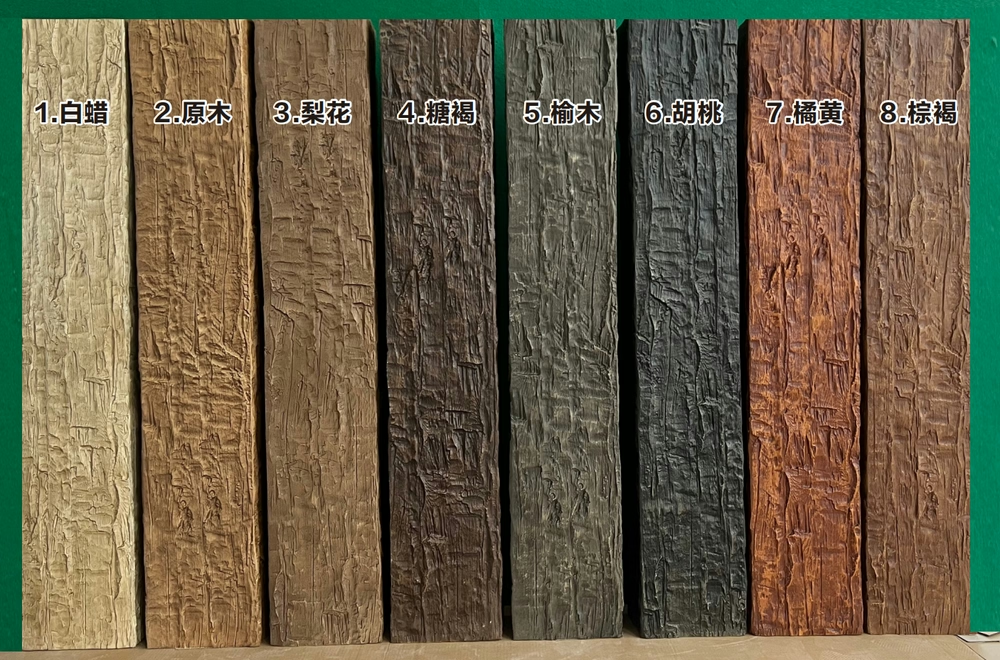
Choosing beams with strong visual presence in smaller dimensions can achieve more impact than larger beams spread thin across a limited budget. A set of four-inch-by-six-inch beams with rich wood-grain texture and deep color saturation will command more visual attention than eight-inch-by-ten-inch beams with a平平淡淡 plain finish. Investing in quality finish details rather than raw size typically produces more satisfying results per dollar spent.
Decorative techniques that enhance rather than enlarge can also improve the cost-to-impact ratio. Adding crown molding where beams meet walls, incorporating beam plates at connection points, or installing matching faux beam trim around light fixtures all add perceived craftsmanship without proportional cost increases. These details catch the eye and draw attention to the ceiling feature, making the installation appear more extensive and considered than the actual square footage would suggest.
Another budget-maximizing strategy involves using beams selectively to highlight architectural features already present in the room. Beams installed perpendicular to exposed joists create a layered architectural effect that appears intentional and designed, while beams positioned to frame a central light fixture or skylight draw the eye upward and emphasize the ceiling as a design element. These placement choices require no additional material but produce spaces that look substantially more designed than a simple grid of beams.
Long-Term Value and Return on Investment
The financial case for foam faux ceiling beams extends beyond the initial installation cost. Because these beams require no ongoing maintenance beyond occasional dusting, they generate no future expense for sealing, staining, repairs, or replacement. Genuine wood beams, by contrast, may require periodic refinishing, pest treatment, or structural repair over a decade of service, costs that accumulate significantly over the lifetime of the installation.
The durability of modern polyurethane formulations also contributes to long-term value by eliminating the replacement risk that affects lower-quality faux products. Quality foam beams carry expected service lives of twenty years or more under normal interior conditions, with manufacturers backing their products through warranties that protect the initial investment. This durability compares favorably to many genuine wood products, especially reclaimed beams whose unknown history may include hidden defects or deterioration that only becomes apparent after installation.
From a home value perspective, ceiling beam installations contribute meaningfully to perceived property value in markets where architectural character is valued. Real estate professionals consistently report that buyers respond positively to distinctive ceiling treatments, with beam installations cited as a factor in several recent comparable sales. While the precise return on investment varies by market, the improvement in perceived value typically exceeds the cost of the installation for homeowners who plan to sell within a few years.
Energy efficiency considerations also factor into the long-term value calculation, though the impact is more modest than sometimes claimed. The air space within hollow foam beams provides minimal insulation value, but when beams are installed as part of a comprehensive ceiling treatment that includes proper air sealing and supplementary insulation, the overall thermal performance improvement can contribute to reduced heating and cooling costs over time.
Making the Most of a Budget Beam Project
Successful budget projects begin with careful measurement and realistic planning. Before purchasing any materials, homeowners should document ceiling dimensions, joist locations, and any obstructions that will affect beam placement. This preparation prevents over-purchasing and ensures that the chosen beam style will fit the space appropriately once installed. Many suppliers offer consultation services that help customers select appropriate products and quantities based on room measurements.
Ordering samples before committing to a full purchase allows homeowners to evaluate finish quality and surface detail in their own space before investing significantly. Lighting conditions, wall colors, and existing finishes in the actual room can affect how a beam finish appears, and seeing a sample in context prevents costly missteps. Most suppliers offer sample pieces at modest cost, a worthwhile investment for projects involving custom finishes or color matching.
Installing beams in the correct sequence maximizes efficiency and prevents frustration. Beginning with the most visible beam and using it as a reference point for alignment ensures that the installation appears intentional and professionally executed. Taking time to verify level and alignment before adhesive sets prevents costly corrections later in the process. The extra minutes spent on precision during installation pay dividends in the finished result.
Finally, documenting the installation process serves both personal satisfaction and practical purposes. Photographs taken before, during, and after installation provide a record that helps with future maintenance or modifications and serves as a reference if questions arise about bracket locations or adhesive applications. For those who enjoy sharing renovation experiences, the documentation also provides content for personal blogs or social media posts celebrating the project's successful completion.
The combination of accessible pricing, straightforward installation, durable performance, and significant visual impact makes lightweight foam faux ceiling beams one of the most cost-effective ceiling upgrade options available to today's budget-conscious homeowners. With careful planning and realistic expectations, a modest investment can transform an ordinary room into a space with genuine architectural character.
Technical References
ASTM standards cited in every specification
Test Data
Lab results from internal testing program
Updated 2026
Reviewed against current product specs