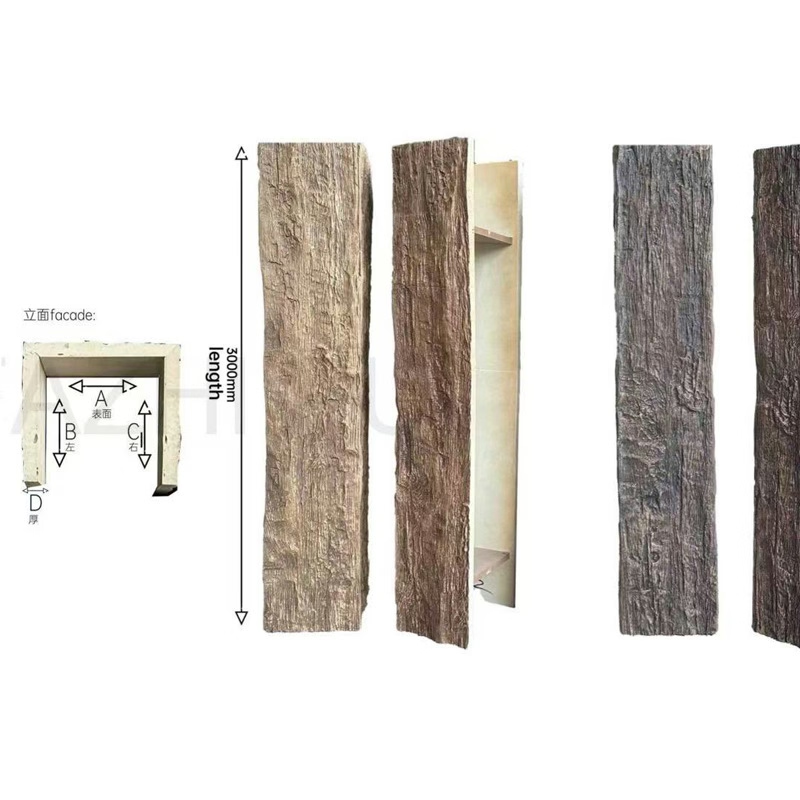
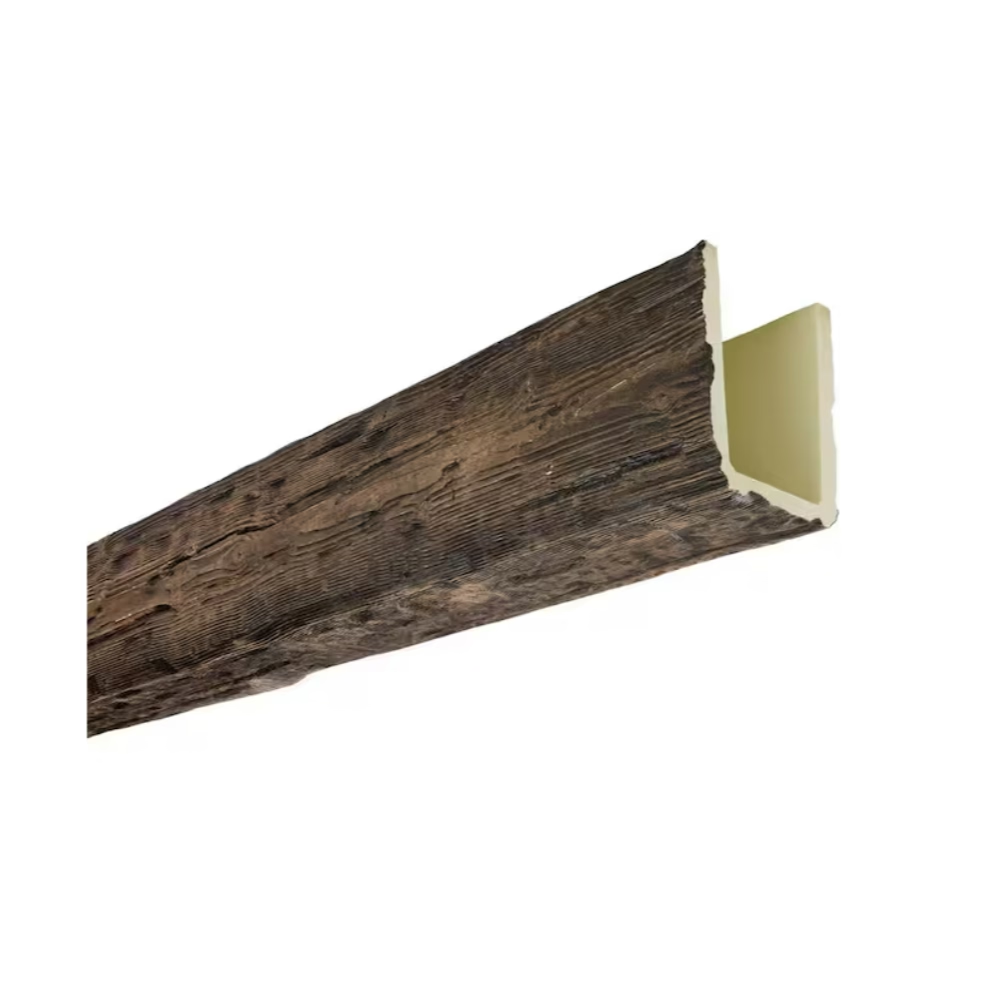
The design vocabulary of contemporary architecture prizes certain qualities that can be surprisingly difficult to achieve with traditional materials. Clean, uninterrupted lines. Consistent surface quality across large spans. Uniform color and texture without the natural variations that make genuine wood both charming and unpredictable. These qualities matter in modern interiors because they support the visual calm and intentional order that characterizes contemporary design philosophy. When a designer specifies a ceiling beam for a minimalist living room, they need to know that the beam they specify will be identical to the sample they approved, that it will arrive without warping or surface defects, and that it will maintain its appearance indefinitely without maintenance intervention.
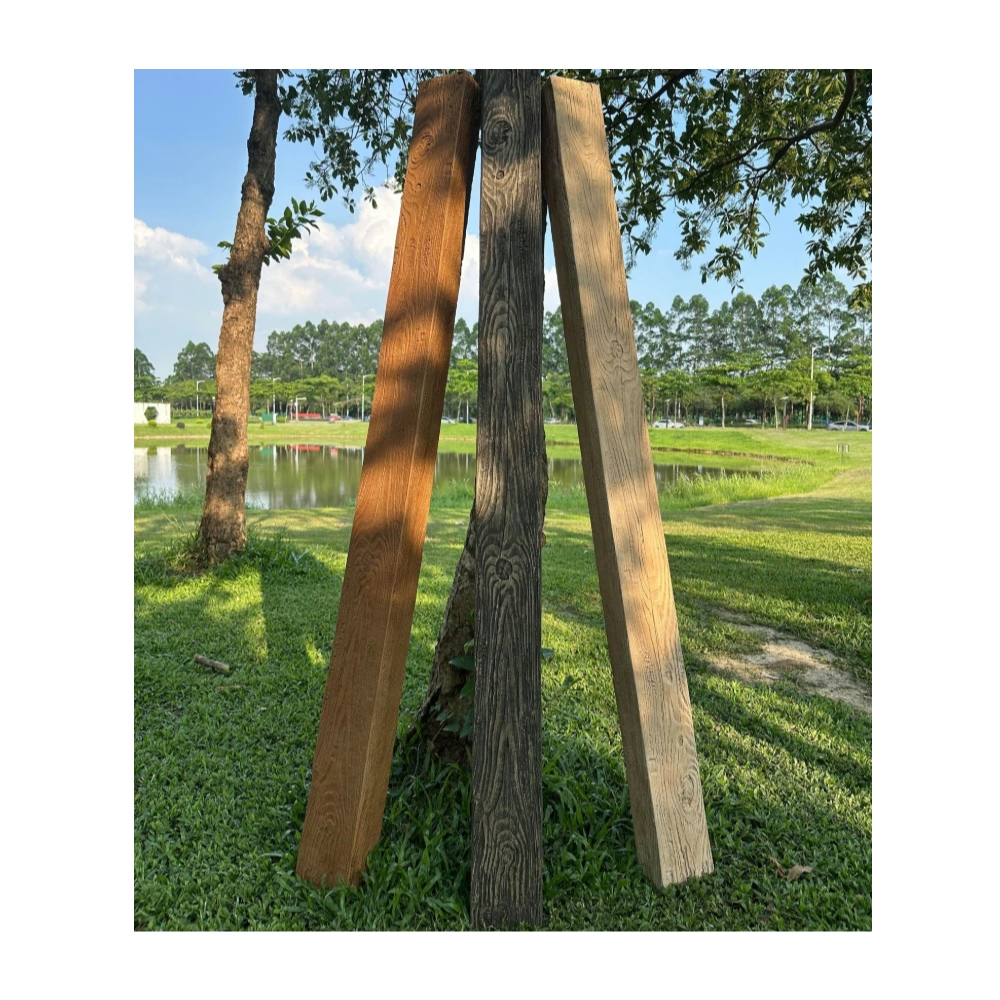
Genuine wood, regardless of how carefully it is selected, carries the inherent unpredictability of a natural material. Grain patterns vary from piece to piece. Color shifts subtly across the board surface. Knots appear or disappear based on the tree's growth history. Even premium kiln-dried lumber continues to move slightly with seasonal humidity changes, potentially creating gaps at joints or slight twisting in long spans. These characteristics are precisely what many designers value about wood, but they conflict directly with the consistency requirements of contemporary design.
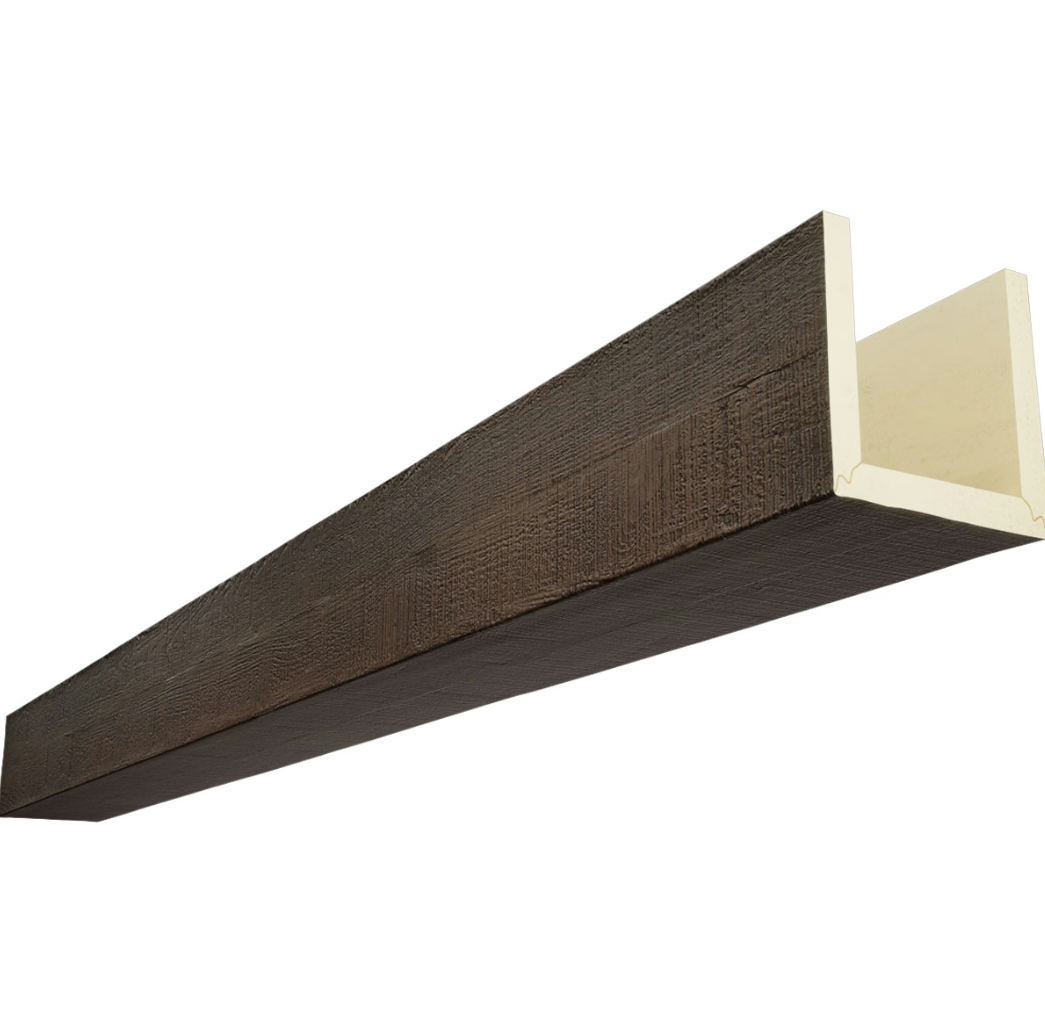
High-strength polyurethane faux beams address this tension by providing the warmth and visual depth of wood while eliminating the variability that complicates modern design execution. Each beam produced from a given mold is dimensionally identical to every other beam from that mold, with surface details reproduced at molecular precision. A designer can specify eight beams for a room with confidence that all eight will be visually consistent, that they will fit together seamlessly at joints, and that the finished ceiling will present exactly the clean, controlled appearance that modern interiors demand.
Engineering Advances in Polyurethane Formulations
The term high-strength as applied to polyurethane beams refers to density and structural formulation improvements that expand the material's performance envelope beyond standard decorative applications. Where standard-density foam beams serve well for typical ceiling installations with modest spans, high-strength formulations enable longer spans, slimmer profiles, and applications where the beams must resist more demanding conditions. These improvements come primarily through higher-density foam formulations that increase structural rigidity while maintaining the weight advantages that make foam beams practical for single-person handling.
The density increase in high-strength formulations typically ranges from 50 to 100 percent above standard decorative foam, resulting in material that provides meaningful structural support for longer spans without the weight penalty of solid timber. An eight-foot high-strength beam with a four-inch profile might weigh 8 to 10 pounds compared to 60 or more pounds for equivalent timber, maintaining the practical handling advantages of foam while improving the beam's ability to maintain straight alignment over longer distances.
Impact resistance improves proportionally with density increases, making high-strength beams more tolerant of accidental contact and rough handling during installation. This durability matters in commercial applications where maintenance activities, HVAC work, or furniture moving might subject ceiling beams to occasional contact. The improved impact resistance also benefits residential applications in family homes with active children or frequent furniture rearrangement.
Thermal stability represents another engineering advantage of high-strength formulations. The expanded foam structure in these beams resists temperature-induced dimensional changes more effectively than standard foams, maintaining precise alignment through the temperature fluctuations that occur near skylights, heat vents, or exterior wall transitions. This thermal stability proves particularly valuable in rooms with large glass areas or in climates with significant seasonal temperature variation.

Design Applications in Contemporary Architecture
Contemporary residential design frequently incorporates ceiling beams as structural visual elements that organize space without the visual heaviness of traditional timber. High-strength polyurethane beams suit these applications particularly well because their slim, clean profiles complement modern proportions without overwhelming the clean-lined aesthetic that defines contemporary interiors. A two-inch-by-eight-inch beam in a high-strength formulation provides meaningful visual presence while maintaining the light, airy feeling that modern design prioritizes.
Industrial-loft conversions represent a natural application for modern faux beams. These spaces typically feature exposed structure, polished concrete floors, and minimal ornamentation, creating interiors where ceiling beams must integrate with rather than compete against the existing architectural character. High-strength beams in matte-finish neutral tones work particularly well in these settings, providing texture and visual interest without introducing color or finish complexity that might clash with the industrial palette.
Scandinavian-influenced interiors, characterized by light wood tones, white walls, and natural textures, benefit from high-strength beams in pale, natural-finish polyurethane. The lightweight beams provide the warmth of wood without the color saturation that would dominate the restrained Scandinavian color palette. The dimensional consistency of manufactured beams supports the orderly, controlled aesthetic that defines this design approach.
High-ceiling contemporary homes often feature beams that run continuously across large open volumes, connecting different functional zones while maintaining visual flow. Long-span capability makes high-strength beams particularly suitable for these applications, where standard-density beams might sag or require intermediate support that interrupts the clean architectural line the designer intended. The ability to achieve forty-foot continuous beam runs with high-strength formulations opens design possibilities that would be impractical or impossible with timber alternatives.
Professional Installation Considerations
While high-strength polyurethane beams remain lightweight enough for single-person handling, their enhanced structural properties affect installation approaches in subtle but important ways. The higher density provides more secure friction fit within mounting systems, which improves alignment retention during and after installation. However, the increased density also requires more robust mounting hardware to support the greater weight compared to standard foam beams.
Bracket selection for high-strength beams should account for the increased load, with heavier-duty formulations specified for spans approaching maximum lengths. Most manufacturers provide load charts that specify recommended bracket types and spacing for different beam sizes and span lengths, taking much of the guesswork out of installation planning. Following these recommendations ensures that the installation performs safely and maintains alignment over time.
Splicing long beams where continuous installation is impractical requires careful technique to create joints that maintain the clean, continuous appearance that contemporary design demands. scarf joints, where the beam ends are cut at shallow angles and joined with adhesive, produce the strongest and most visually seamless connections. The adhesive bond fills any microscopic gaps between the cut surfaces, creating a joint that is actually stronger than the surrounding material in many cases.
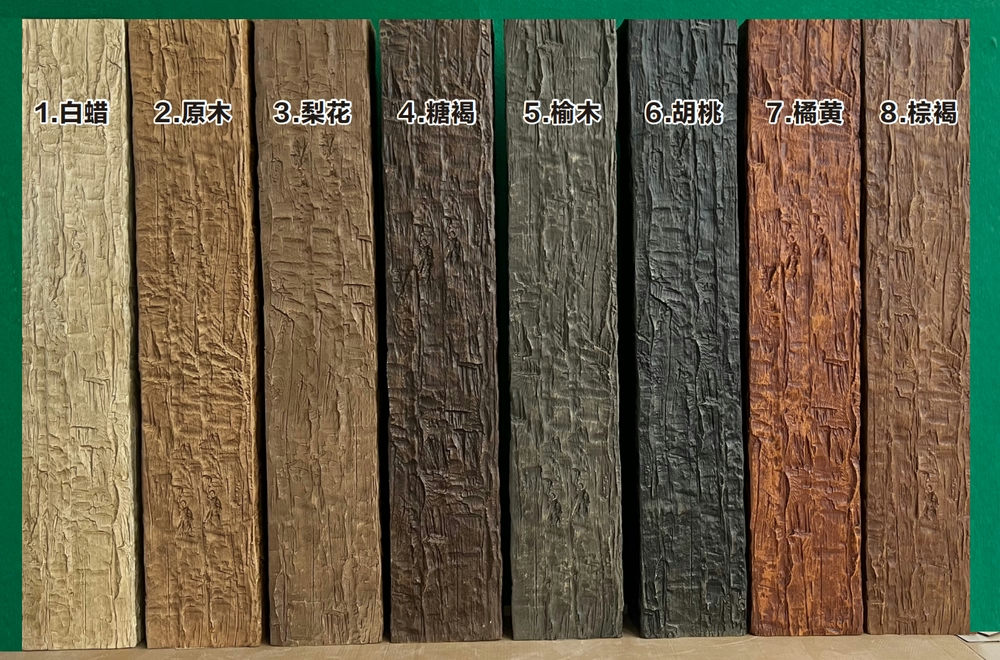
Finishing high-strength beams requires products compatible with polyurethane surfaces, which do not accept standard wood stains without preparation. A bonding primer applied before staining improves adhesion and allows more uniform color development. Water-based stains generally work better than oil-based products on polyurethane, with less risk of surface blemishes and faster drying times that accelerate the finishing process.
Maintenance and Long-Term Performance
The maintenance profile of high-strength polyurethane beams aligns with the low-maintenance expectations of contemporary design. Unlike genuine timber, which may require periodic refinishing, pest treatment, or structural inspection, high-strength foam beams maintain their appearance through years of service with minimal intervention beyond occasional dusting. This maintenance simplicity appeals particularly to commercial property managers and design-conscious homeowners who value both aesthetics and convenience.
Surface cleaning for high-strength beams follows straightforward protocols appropriate for polyurethane finishes. Mild soap solutions remove accumulated dust and grime, while soft cloths prevent scratching the finish surface. Abrasive cleaners should be avoided, as they can damage the color layers that create the wood-like appearance. For beams in kitchens or other areas prone to grease accumulation, degreasing cleaners formulated for polyurethane surfaces provide effective cleaning without compromising the finish.
Long-term color stability in high-strength beams depends primarily on UV exposure levels and the specific finish formulation. Beams in rooms with significant direct sunlight may experience gradual lightening over years of exposure, though this process occurs more slowly in quality beams with UV-stable finishes than in many alternatives. Periodic application of UV-absorbing polyurethane protectant sprays can extend the like-new appearance in high-exposure installations.
The structural performance of high-strength beams over decades of service depends on proper installation and adherence to manufacturer load recommendations. Beams installed within specified span limits and mounting requirements should maintain their dimensional stability and alignment indefinitely, with no degradation of the foam core or mounting system under normal interior conditions. This long-term reliability makes high-strength polyurethane beams a sound investment for both residential and commercial applications where lasting quality matters.
Technical References
ASTM standards cited in every specification
Test Data
Lab results from internal testing program
Updated 2026
Reviewed against current product specs