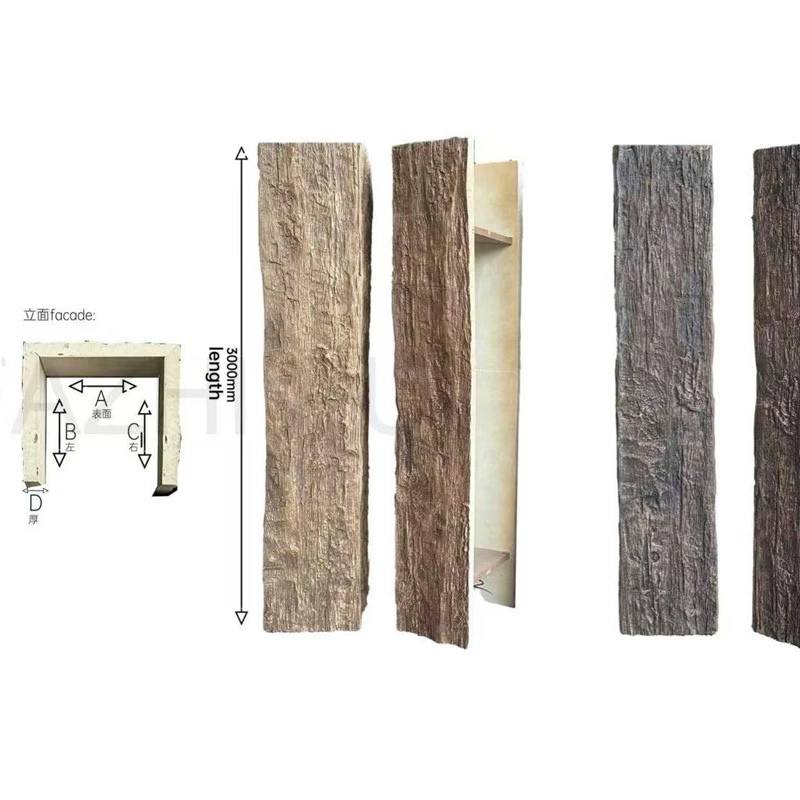
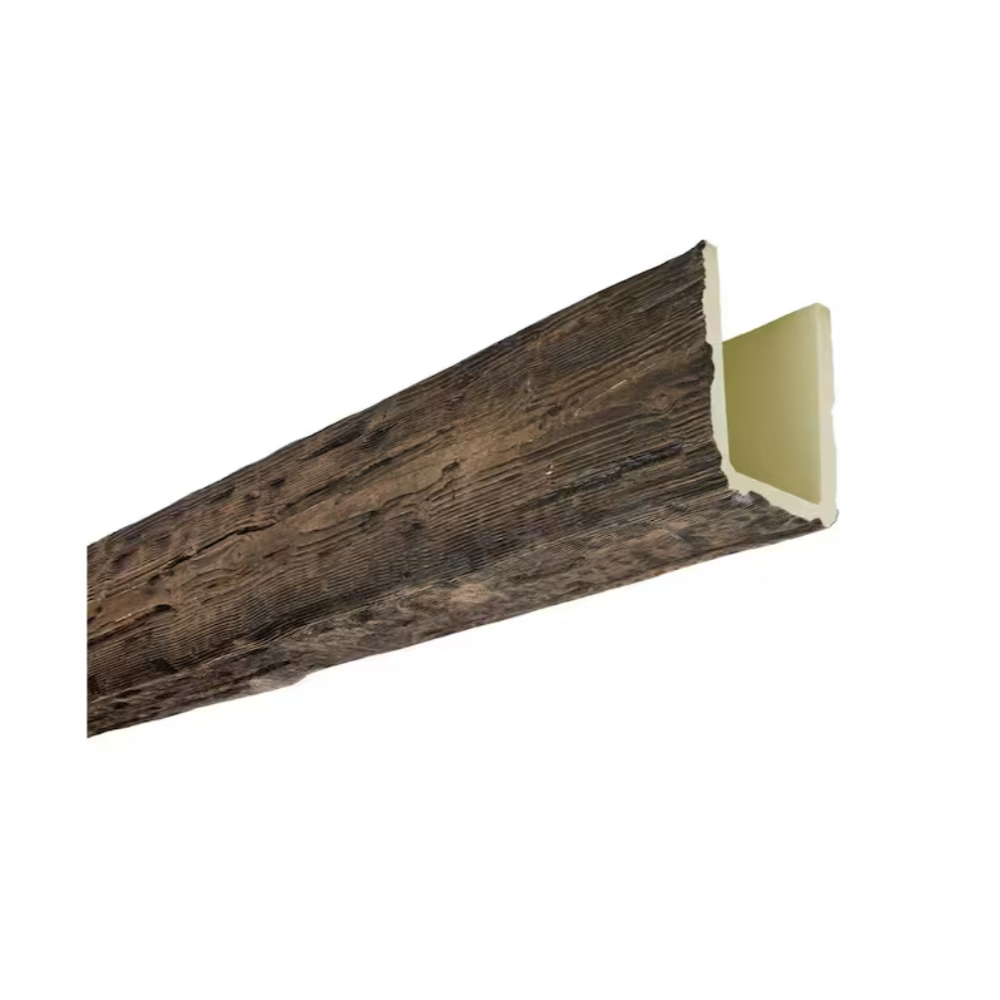
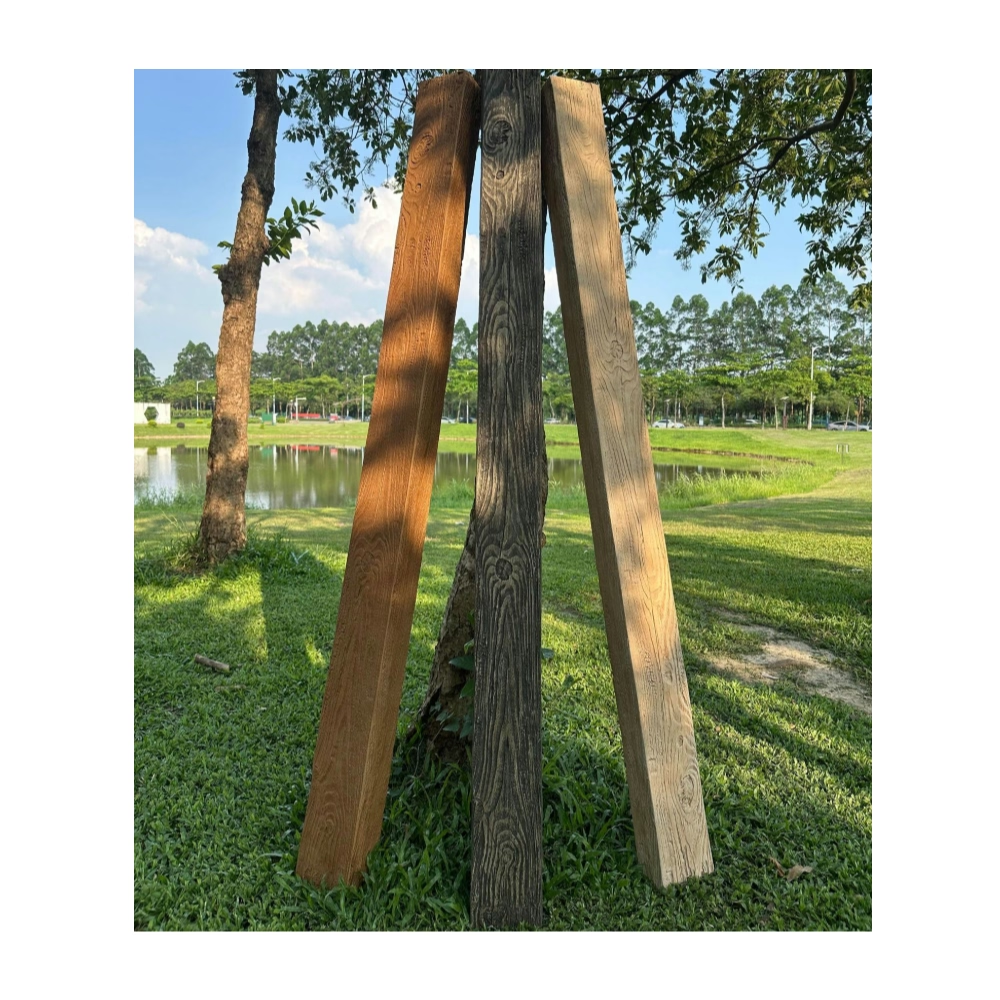
When Maria and James decided to remodel their 1980s colonial home, they had a clear vision: bring warmth and character to every room without the structural complications of real timber. Their contractor suggested something unexpected during the planning phase—lightweight polyurethane faux beams. Skeptical at first, the couple soon discovered these modern building materials could achieve the aesthetic they wanted while keeping their project timeline and budget intact.
The transformation began in the foyer, where the original dropped ceiling made the space feel cramped and dated. By replacing it with faux wood beams spanning the width of the entrance hall, the room immediately gained vertical interest and architectural presence. The beams weighed so little that the existing ceiling structure required no reinforcement, a detail that would have added thousands of dollars and weeks to the project if solid timber had been chosen instead.
Why Weight Matters in Large-Scale Renovations
Traditional solid wood beams present genuine challenges when planning comprehensive home remodels. A single 10-foot load-bearing beam can weigh anywhere from 200 to 600 pounds depending on the wood species and dimensions. This weight necessitates careful engineering assessments, specialized lifting equipment, and often structural modifications to existing ceiling joists or roof trusses. For whole home projects involving multiple rooms or even the entire house, these weight-related considerations multiply quickly.
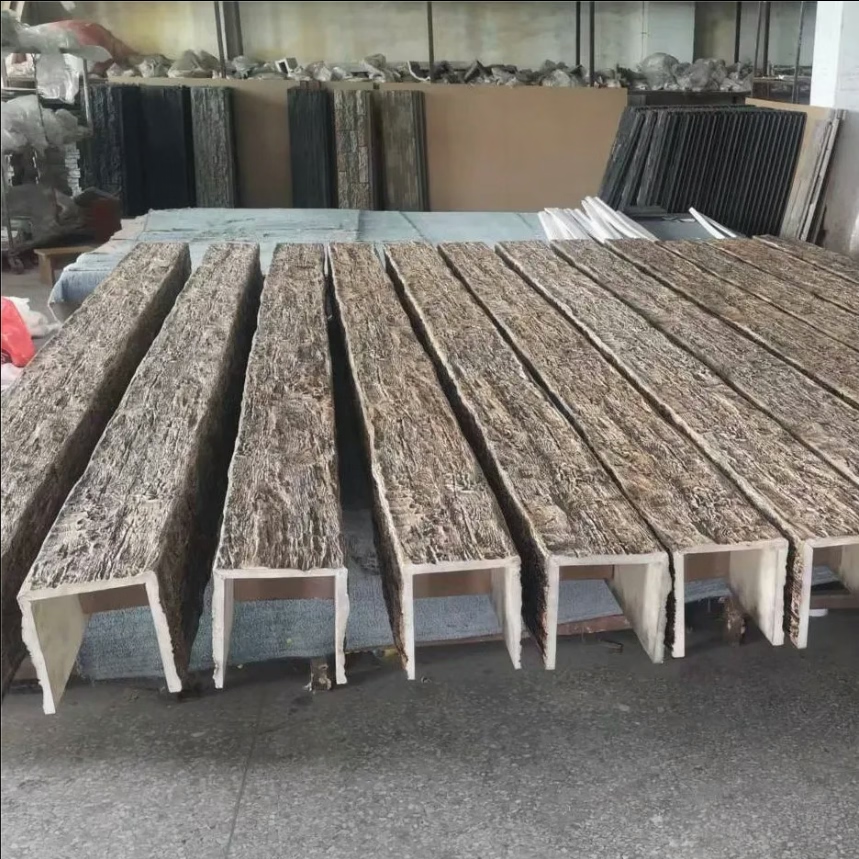
Lightweight PU faux beams fundamentally change this equation. Typically weighing just 1-2 pounds per linear foot, these polyurethane replicas achieve the same visual impact while placing negligible load on ceiling structures. This characteristic opens up possibilities that simply do not exist with authentic timber. Upper floor ceilings with limited load capacity, finished basement spaces with drop ceilings, and even mobile homes can all accommodate these decorative beams without structural intervention.
The practical implications extend beyond initial installation. Homes with older framing or those that have undergone previous modifications may have uncertain load-bearing capacity in certain areas. Rather than hiring an engineer to assess whether a particular ceiling can support real beams, contractors and homeowners can proceed with confidence knowing that PU faux alternatives will not stress existing structures. This certainty simplifies project planning and reduces potential complications during construction.

Achieving Cohesive Design Throughout Your Home
One of the most satisfying aspects of whole home remodeling is creating visual continuity from room to room. When Maria and James began planning their project, they wanted the warmth of exposed beams to carry through the main living areas, the kitchen, and the master bedroom. With traditional timber, achieving this level of consistency would have required purchasing beams from the same source批次 to ensure color and grain matching—a logistical challenge and potential expense.
PU faux beams solve this problem elegantly through manufacturing consistency. Each beam emerges from the production process with identical dimensions, texture patterns, and color profiles. Whether you need beams for a vaulted ceiling in the great room, a more modest space in the hallway, or even smaller accent beams in the bathroom, you can order with confidence that the finished installations will present as a unified design element throughout your home.
The design flexibility goes even further. Manufacturers offer these beams in various profiles—from rough-hewn barn wood appearances to refined mission-style patterns to ornate coffered ceiling designs. Homeowners undertaking whole home remodels can choose a single style for consistency or strategically vary beam designs to differentiate functional zones within an open-concept layout. The master bedroom might feature elegant, less rustic beams, while the family room embraces a more rugged farmhouse aesthetic.
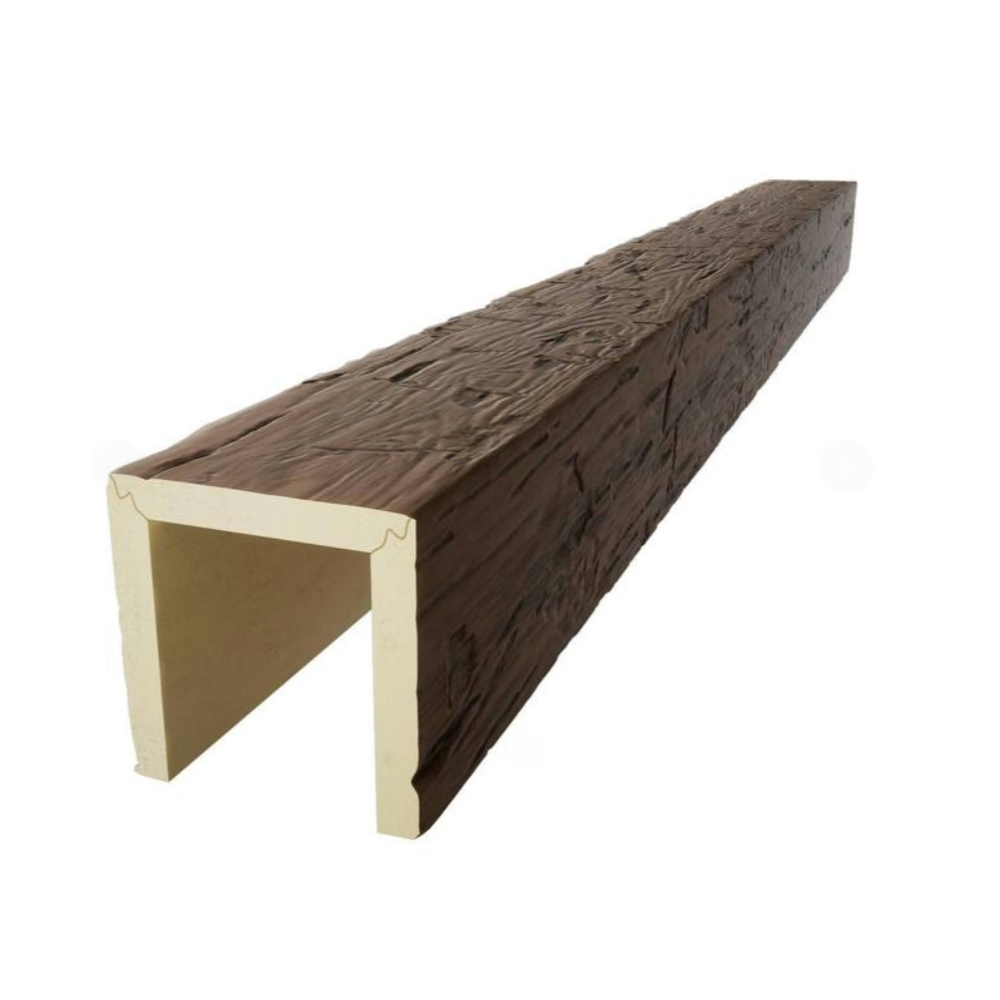
Installation Process for Multiple Rooms
Coordinating installation across many rooms requires thoughtful planning, but PU faux beams make the process remarkably straightforward. The typical installation involves securing mounting blocks or furring strips to the ceiling, then attaching the beams using construction adhesive and finishing nails or screws. Because the material cuts easily with standard woodworking tools, beams can be trimmed on-site to exact lengths, accommodating variations in room dimensions that often occur in older homes.
Professional installers appreciate how quickly the work progresses. What might take a week to complete with real timber—accounting for delivery logistics, on-site adjustments, and the physical labor of positioning heavy beams—can often be accomplished in a single day with PU alternatives. For homeowners attempting DIY installation, this ease of handling means the project remains manageable even for those without extensive construction experience.
The finishing process also benefits from the material's characteristics. Authentic timber requires staining, sealing, and potentially ongoing maintenance to preserve its appearance. PU faux beams arrive pre-finished with durable coatings that resist fading, moisture, and normal wear. Cleaning involves nothing more than occasional dusting or wiping with a damp cloth. For busy households, this low-maintenance quality proves especially valuable when beams are installed in hard-to-reach locations like high ceilings or stairwell wells.
Cost Analysis for Comprehensive Projects
Budget considerations often drive material decisions in large-scale remodels, and here PU faux beams offer compelling advantages. While exact pricing varies by profile style, size, and finish quality, consumers typically find these products cost 60-80% less than comparable solid wood alternatives. For a whole home project involving ten or more beams, this difference can represent thousands of dollars in savings.
Beyond the initial material cost, other expense categories favor the lightweight option. Transporting heavy timber requires specialized vehicles and sometimes rigging services. maneuvering bulky beams through finished interiors risks wall and floor damage. And should any problems arise with a damaged or incorrect beam, replacement logistics with real timber can extend project timelines significantly. None of these concerns apply meaningfully to lightweight PU products.
Maria and James ultimately installed beams in five separate areas of their home—the foyer, living room, kitchen, master bedroom, and a covered patio. The total project cost for all materials and professional installation came in well under their original estimate for timber beams in just the living room. They channeled these savings toward other improvement projects, including upgraded lighting fixtures that complement the beams beautifully.
Making the Decision for Your Home
Whole home remodeling represents a significant investment of time, money, and emotional energy. Choosing materials that balance aesthetic goals with practical considerations helps ensure satisfaction for years to come. Lightweight PU faux beams offer a path to achieving timeless wood-beam aesthetics without the structural compromises, installation challenges, and maintenance commitments that accompany authentic timber.
Whether you are planning a comprehensive renovation involving every room or simply wish to extend beam installations beyond a single focal space, these modern building products deserve serious consideration. The technology has advanced considerably in recent years, with current generations offering remarkable realism and durability. Visit showrooms, request samples, and examine completed installations to see firsthand how convincingly these beams replicate the beauty of natural wood.
Your home transformation awaits, and it need not require the compromises that once came with decorative timber. Lightweight PU faux beams make whole home remodeling more accessible, more affordable, and more achievable than ever before.
Technical References
ASTM standards cited in every specification
Test Data
Lab results from internal testing program
Updated 2026
Reviewed against current product specs