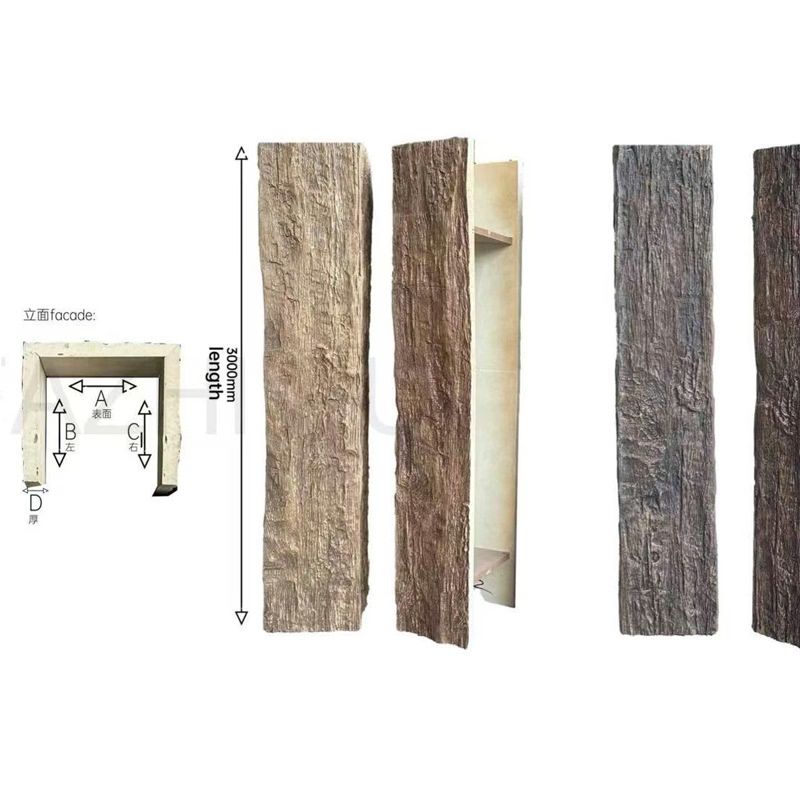
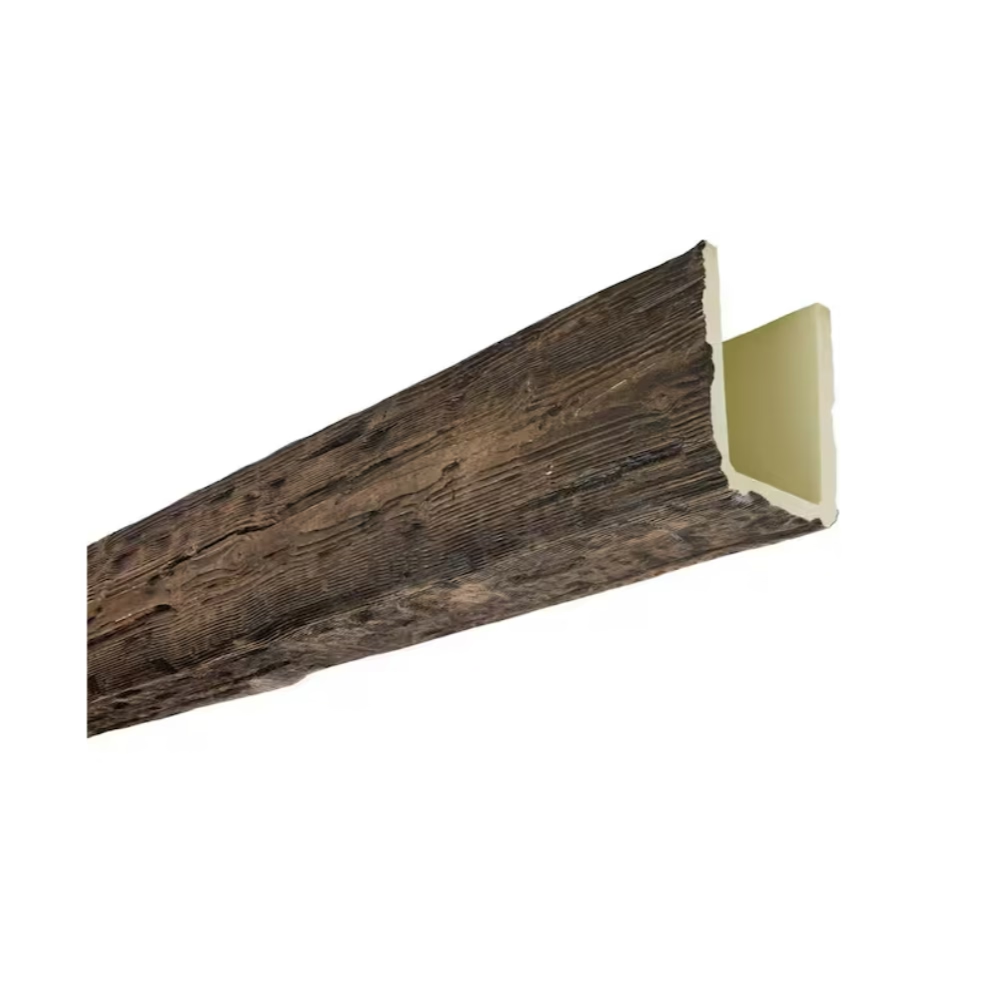
Vintage aesthetics evoke comfort, history, and the accumulated character that mass-produced items simply cannot replicate. Homeowners seeking this quality often struggle between accepting newer construction's blank surfaces or undertaking expensive restoration projects that reveal hidden problems. Lightweight vintage style faux beams offer an accessible middle path, delivering authentic aged appearance with installation complexity that most homeowners can manage independently.
The Morrison family discovered this possibility when they purchased a 1970s split-level home with dated but structurally sound construction. The main living area featured textured ceilings and beige walls—the era's signature look that had aged into generic blandness rather than genuine character. Rather than gutting the space for complete renovation, they selectively added vintage style faux beams that introduced warmth and personality while preserving the home's original structure.
Understanding Vintage Beam Aesthetics
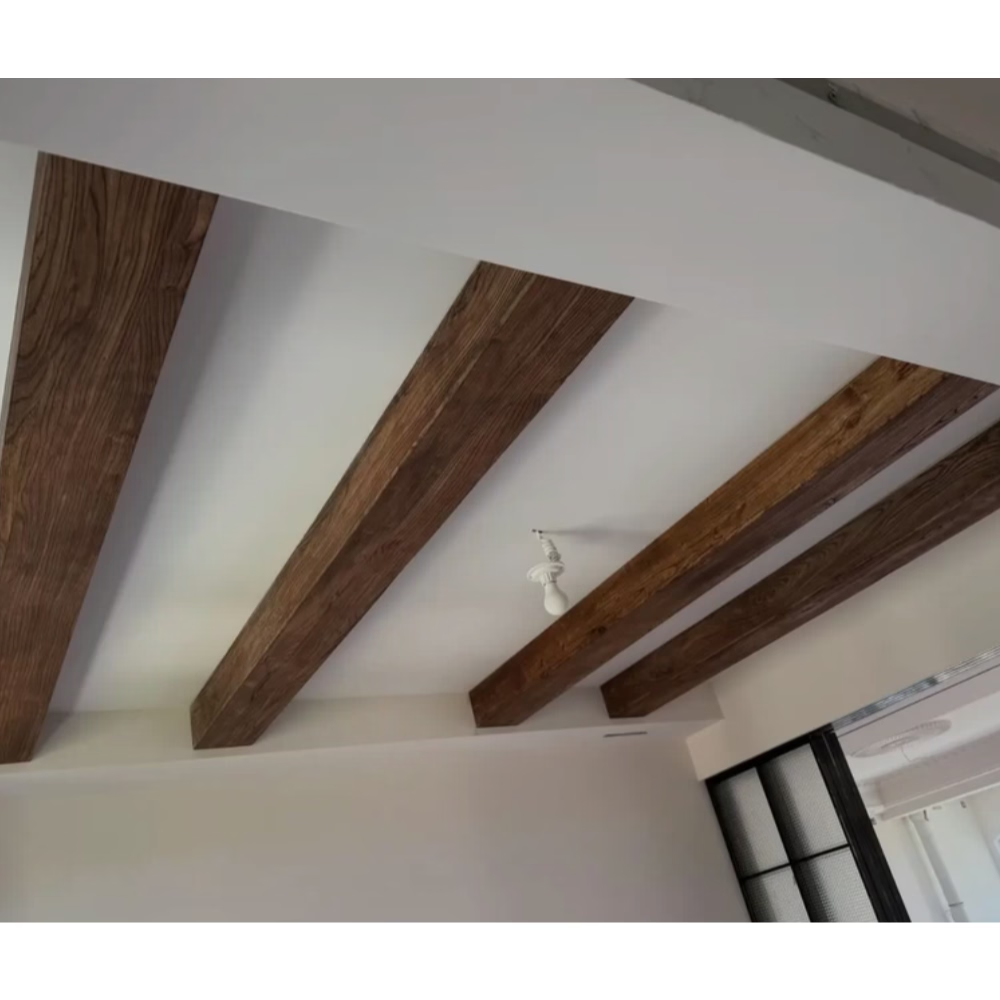
Vintage beams convey authenticity through accumulated evidence of age and use. Manufacturing processes for vintage style faux beams intentionally create these characteristics, producing surfaces that suggest generations of service rather than factory-new perfection.
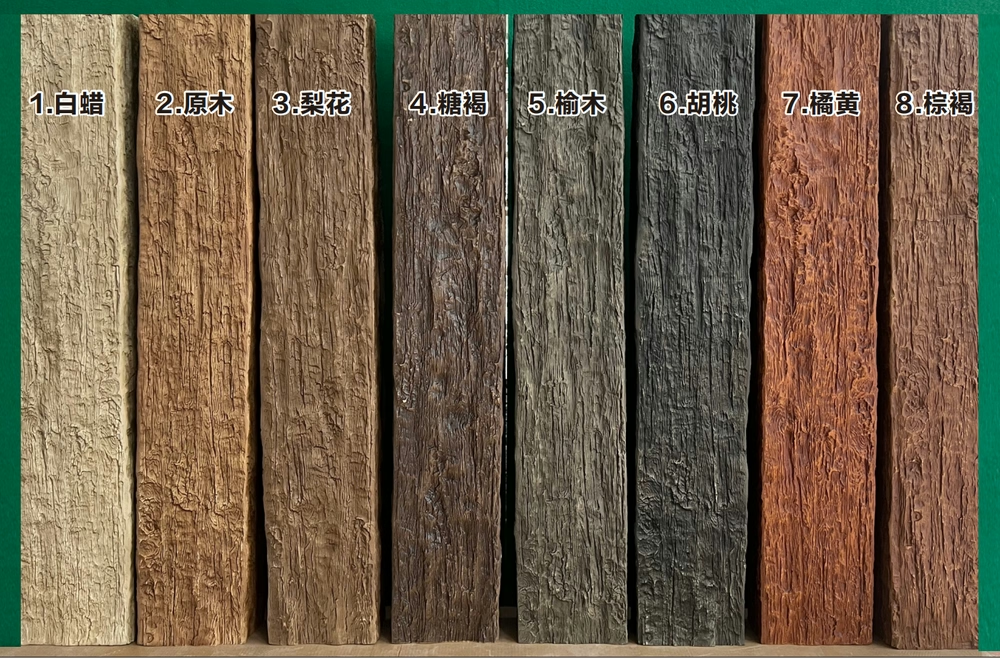
Surface weathering creates visual interest through color variations, patina development, and subtle surface irregularities. Manufacturing techniques replicate the uneven aging patterns that occur naturally in timber, with darker tones in protected areas and lighter exposure where UV and handling have affected surfaces. These variations create depth that flat painted surfaces cannot achieve.
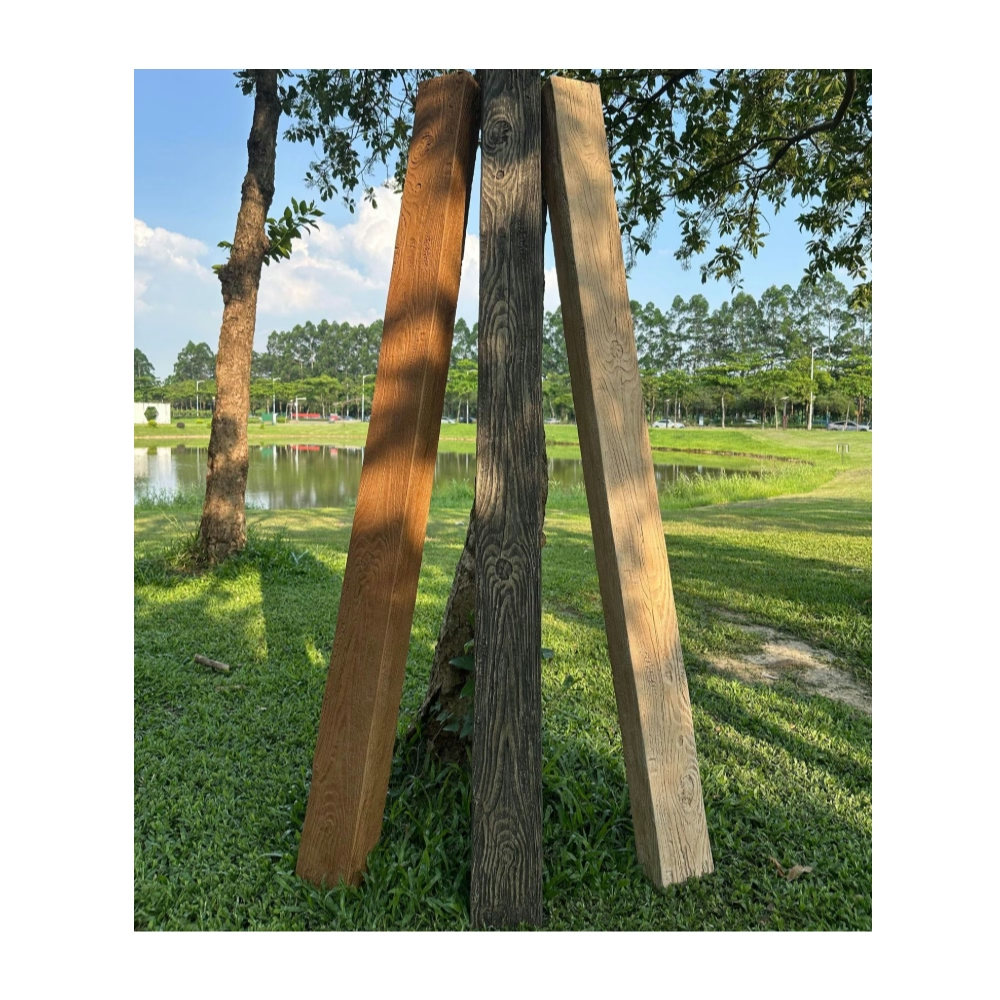
Grain patterns in vintage beams often appear more pronounced than in newer timber, reflecting the slower growth rates and different species common in historical construction. Faux beam molds capture these characteristics faithfully, producing grain detail that would require decades to develop in real timber. The authentic appearance comes from manufacturing processes that prioritize visual accuracy over surface uniformity.
Edge wear simulates the dings, scratches, and rounded corners that occur through years of contact with people, furniture, and moving objects. Rather than appearing deliberately damaged, this wear should suggest gentle aging that adds rather than detracts from overall beauty. Quality vintage beams achieve this balance convincingly.
Design Applications for Vintage Style
Vintage beams suit specific interior contexts better than others, though thoughtful application can succeed in diverse settings. Understanding these contextual requirements helps homeowners select appropriate applications and avoid missteps.
Farmhouse and country interiors naturally accommodate vintage beams. These styles embrace imperfection, handcraft, and accumulated character as positive qualities. Vintage beams enhance these qualities rather than appearing out of place. The combination creates cohesive spaces where architectural and decorative elements reinforce each other.
Cottage and cabin aesthetics benefit similarly from vintage character. Whether the cottage is actual historical construction or contemporary interpretation, beams suggesting heritage and enduring quality complement the relaxed, established atmosphere these spaces aim to create.
Transitional spaces attempting to bridge vintage and contemporary elements require careful beam selection. Vintage beams in otherwise modern rooms can appear incongruous unless other elements echo the aged aesthetic. Coordinated vintage elements—furniture, lighting, textiles—create contexts where vintage beams feel intentional rather than misplaced.
The Morrison living room demonstrates successful integration. Their 1970s home had accumulated some vintage character through age if not intentional design. Adding vintage style beams felt like an extension of existing qualities rather than jarring contrast. The beams introduced warmth that complemented rather than conflicted with the home's established character.

Installation Considerations for Vintage Applications
Vintage style beams install using the same techniques as other polyurethane products, but certain considerations specifically affect vintage applications.
Mounting visibility differs for vintage pieces. While contemporary installations often emphasize clean, hidden connections, vintage beams may benefit from visible mounting elements that suggest original construction methods. Exposed brackets, visible nail patterns, or deliberately imperfect alignment can enhance rather than diminish vintage authenticity.
Finish protection requires attention despite the durable coatings on quality faux beams. Vintage installations may feature lighter beams that could show wear from cleaning or contact. While real timber would develop patina through this use, faux beams maintain their appearance indefinitely with proper care. Avoid abrasive cleaners that might affect surface textures or color.
Coordination with existing vintage elements ensures cohesive appearance. If a room contains genuine vintage furniture or architectural elements, the faux beams should complement rather than exactly match these pieces. Slight differences between authentic and faux materials actually enhance credibility by suggesting natural variation.
The Morrison Transformation
The Morrison project focused on their main living area, combining vintage beams with coordinated vintage-inspired furnishings to create an integrated design. The beams selected featured authentic weathering patterns and natural grain variations that read convincingly as genuine aged timber.
Installation proceeded over a single weekend with the couple working together despite the product being light enough for single-person handling. The mounting process followed standard polyurethane techniques, with careful attention to spacing that would suggest intentional historical construction rather than random decoration.
The transformation proved remarkable. The previously generic living room became a space with genuine personality and visual interest. The vintage beams anchored the room's design direction, providing a foundation that organized subsequent furnishing and décor decisions. Friends visiting during and after the project consistently expressed admiration for the result.
Most satisfying to the Morrisons was the project's accessibility. The total investment—beams, mounting supplies, and their own labor—came in well under what comparable vintage timber would have cost. More importantly, the project proved achievable without specialized skills or contractor involvement, building confidence for future improvement projects.
Technical References
ASTM standards cited in every specification
Test Data
Lab results from internal testing program
Updated 2026
Reviewed against current product specs