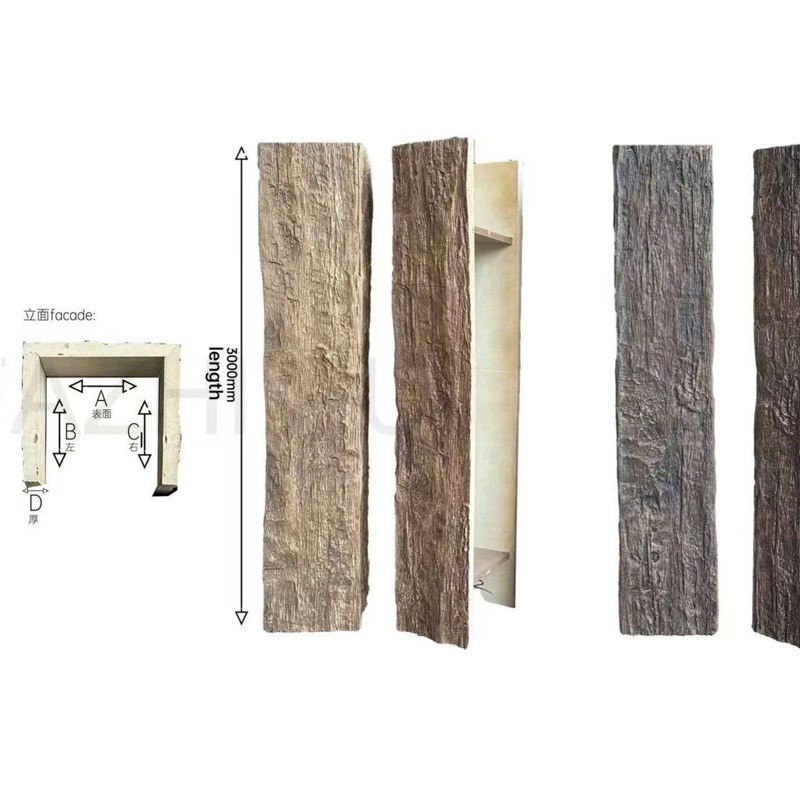
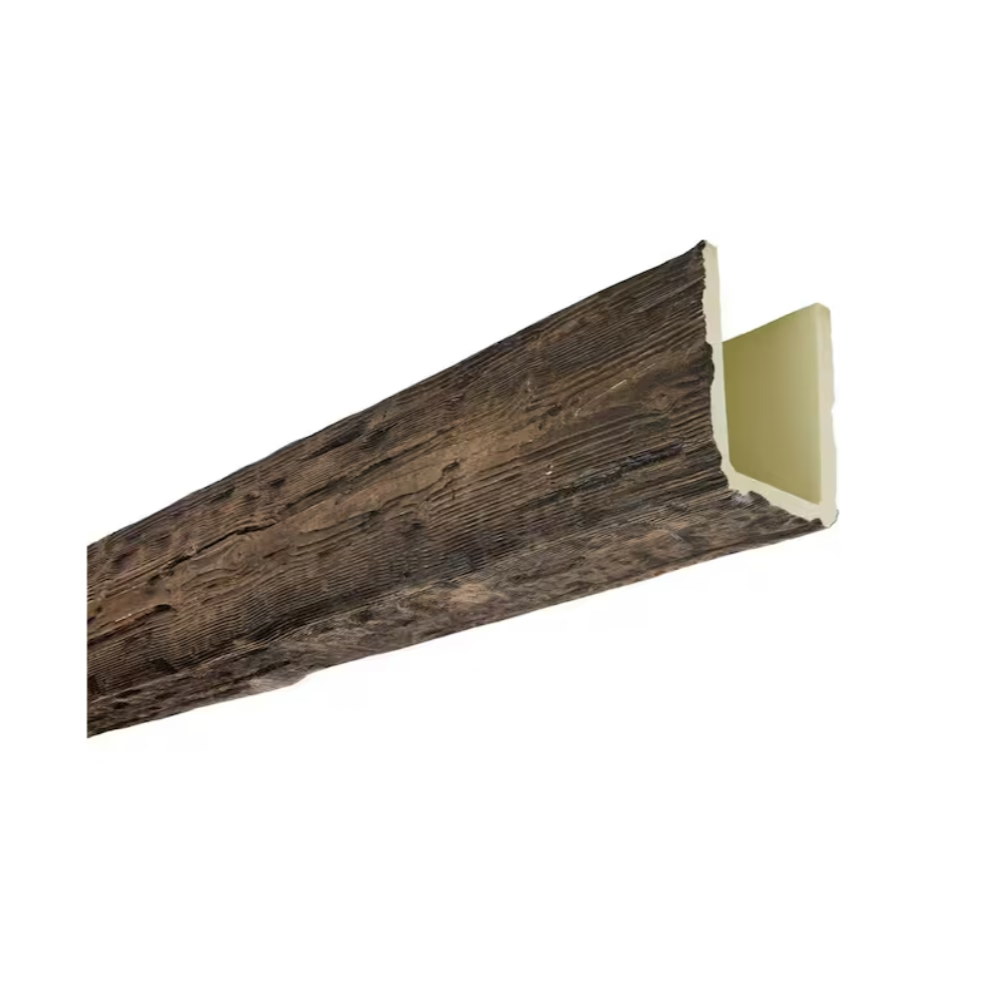
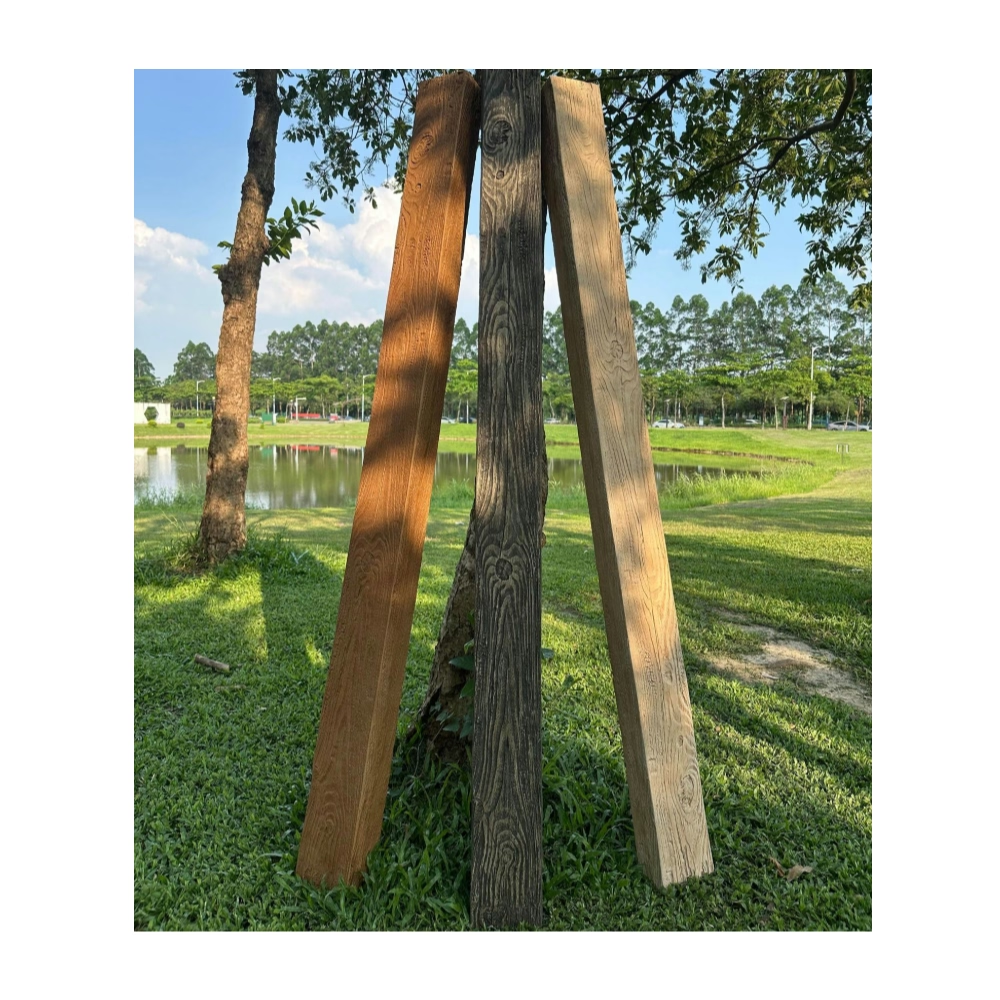
There's something undeniably magical about walking into a mountain cabin and seeing exposed wooden beams stretching across the ceiling. That visual warmth immediately tells your body to relax, to settle in, to breathe deeper. But if you've ever researched adding genuine timber beams to your cabin, you've probably discovered some inconvenient truths—real wood is heavy, expensive, and requires ongoing maintenance to keep looking its best.
This is exactly why polyurethane faux wood beams have become the secret weapon of smart cabin owners and mountain home designers. These clever architectural elements capture every visual detail that makes timber beams appealing—the natural grain patterns, the subtle color variations, the organic imperfections that give wood its character—while eliminating the practical headaches that come with the real thing.

The appeal of lodge-style beams goes beyond simple aesthetics. When you install beams in a cabin or mountain home, you're creating visual anchors that connect the interior space to its natural surroundings. The right beams can make a vaulted ceiling feel intimate rather than cavernous, ground a room visually, and provide architectural interest without competing with those stunning mountain views outside your windows.
Understanding the Lodge Aesthetic
Lodge-style architecture draws from centuries of mountain living traditions. Early mountain dwellers used available materials—typically whatever timber they could harvest from the surrounding forest—to create structural elements that were both functional and beautiful. The result was a distinctive look characterized by heavy timbers, natural finishes, and a sense of rugged authenticity.
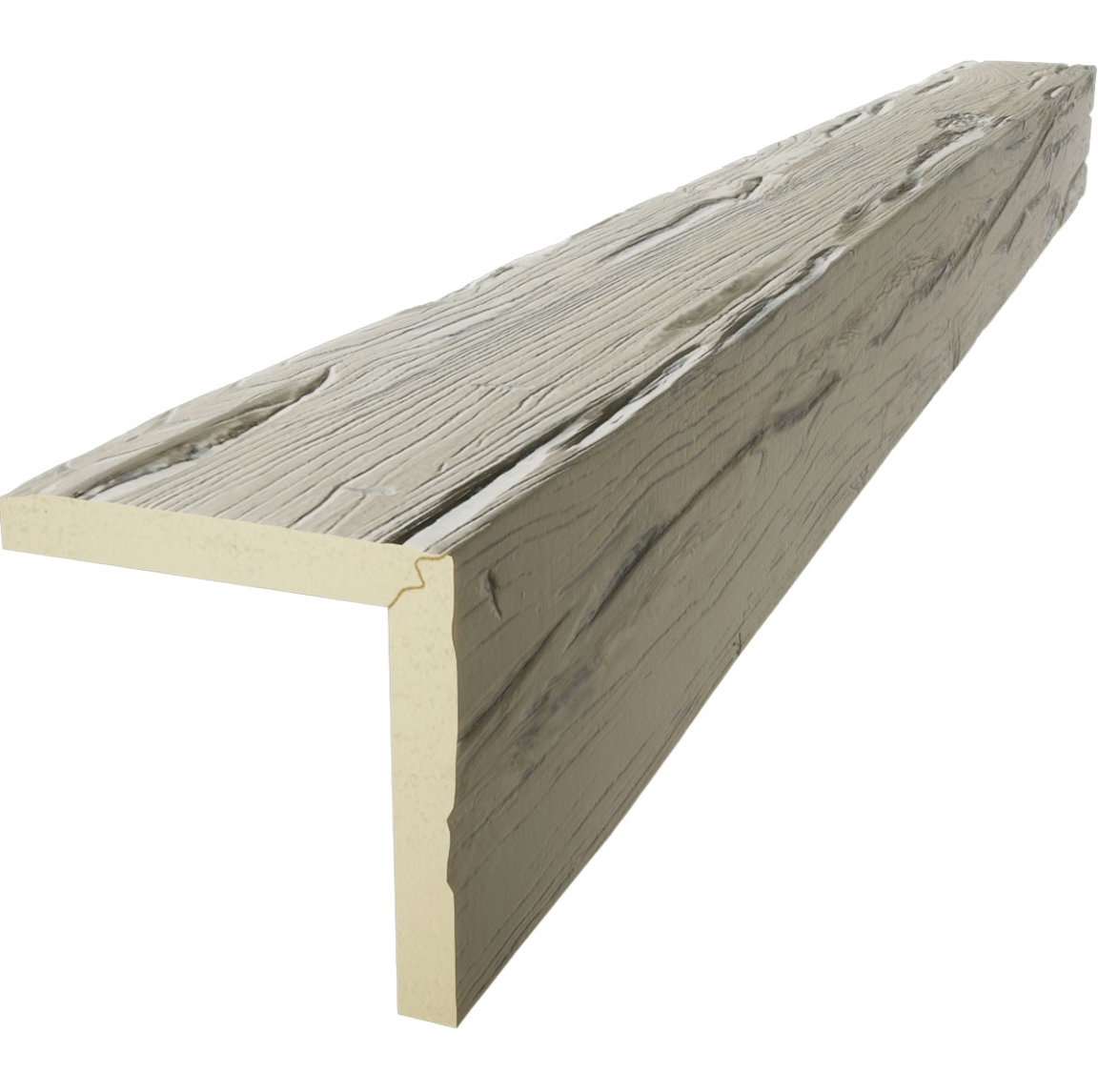
Modern lodge design honors these traditions while adapting to contemporary building practices and materials science. Today's polyurethane faux beams can authentically replicate the appearance of various wood species commonly used in traditional lodge construction, including Douglas fir, lodgepole pine, and even weathered barn wood. The key is selecting beams with appropriate detailing—subtle saw marks, realistic grain patterns, and color tones that feel earned rather than painted on.
The texture of a lodge-style beam matters enormously. You want to see evidence of age and use without feeling like you're living in a museum piece. Polyurethane beams designed for rustic applications typically feature surface treatments that mimic the weathering patterns found in naturally aged timber—deeper coloration in stress areas, lighter tones along edges, and the kind of subtle variation that tells a story of time passing.
Weight and Installation Advantages
Here's where polyurethane genuinely outperforms its natural counterpart. A single 12-foot Douglas fir beam suitable for visible installation might weigh 80 to 100 pounds, requiring structural support calculations and professional handling. The same-length polyurethane faux beam weighs a fraction of that—typically 15 to 25 pounds depending on profile and wall thickness.
This weight difference transforms what's possible in an existing home. You can install faux beams in a cabin with standard ceiling construction without worrying about whether your ceiling joists can handle the load. The beams mount using concealed bracket systems that distribute weight across multiple attachment points, making the installation process straightforward for experienced contractors.
For cabin owners working with vaulted ceilings, this weight advantage becomes even more significant. Natural timber beams in high ceiling applications often require steel support structures or engineered lumber that adds both cost and visual complexity. Faux beams can achieve the same dramatic effect using mounting systems that disappear once installation is complete, leaving only the beautiful beam face visible.

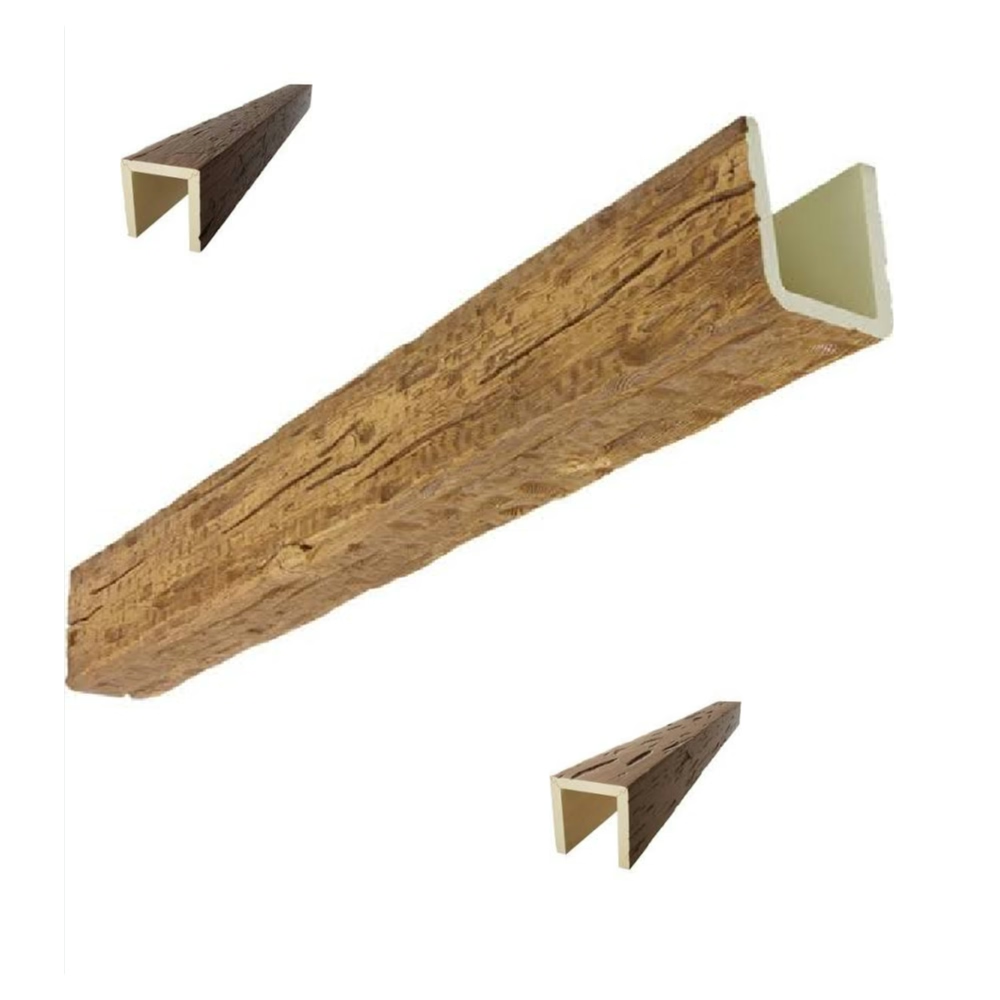
Climate Compatibility for Mountain Properties
Mountain environments present unique challenges for building materials. Temperature fluctuations between seasons can be extreme—properties at elevation might experience swings from negative temperatures in winter to sweltering heat in summer sun-exposed areas. Humidity levels vary dramatically depending on season, proximity to water, and ventilation quality.
Real wood responds to these conditions by expanding and contracting, sometimes dramatically. Over time, this movement can cause visible gaps where beams meet walls, create uneven surfaces as wood seasons differently in various areas, and in extreme cases, lead to warping or checking that compromises appearance. Timber in high-humidity environments faces additional challenges from mold, mildew, and in some cases, insect activity.
Polyurethane faux beams sidestep these issues entirely. The material resists moisture absorption, maintains dimensional stability through temperature cycles, and provides no food source for insects. For mountain properties that might sit empty through parts of the year, this durability profile offers genuine peace of mind. Your beams will look exactly the same when you return after a long winter as they did when you left in the fall.
Design Applications Beyond the Ceiling
While ceiling installation remains the most common application, lodge-style faux beams can transform virtually any surface in your cabin. Exposed beam mantels create dramatic fireplace surrounds that frame flames beautifully without the fire risks associated with authentic timber near heat sources. Beam-framed architectural features like half-walls, room dividers, and built-in shelving add visual interest and architectural authenticity throughout the space.
Consider using faux beams to frame a statement wall in your main living area. This application works particularly well in modern interpretations of lodge style, where full ceiling beams might feel too traditional. A single exposed beam running across a wall, paired with complementary ceiling beams in the same area, creates visual continuity without overwhelming the space.
The material's workability also opens creative possibilities. Faux beams can be cut, shaped, and detailed on-site to accommodate unique architectural features or to create custom configurations. Want beams that follow an unusual ceiling angle? No problem. Need a beam to frame around an existing beam or ductwork? Faux beams can be detailed to wrap around obstacles while maintaining the appearance of solid timber construction.
Matching Your Cabin Style
Not all lodge-style cabins share the same design vocabulary, and your beams should reflect the specific character of your property. A 1970s A-frame cabin might call for lighter-toned beams with more subtle grain patterns, while a heavy timber lodge built in the traditions of National Park architecture benefits from darker, more substantial beam profiles.
Think about how your beams will interact with other wood elements in the space. If your cabin features log walls, consider beam finishes that complement rather than compete with the wall treatment. The goal is visual harmony—beams that feel like they belong in the same design universe as your other wood elements without creating visual confusion.
Color matching between beams and existing woodwork requires attention to undertones. Yellow-toned woods create different atmospheres than brown or red-toned alternatives. Take samples of your existing wood elements into different lighting conditions throughout the day before committing to a beam finish. The way wood tones shift under morning light versus evening light can surprise you.
Working with Designers and Contractors
Bringing lodge-style faux beams into your cabin project benefits from thoughtful collaboration between homeowners, designers, and installation professionals. Start by gathering inspiration images that capture what draws you to beam ceilings. Are you inspired by the cozy intimacy of a small cabin with exposed beams, or the grand scale of a mountain lodge great room? The answer shapes everything from beam size to spacing to finish selection.
Professional installers experienced with polyurethane beams understand how to create realistic appearances through proper technique. Key considerations include maintaining consistent spacing that feels intentional rather than arbitrary, ensuring beam ends receive appropriate treatment at wall intersections, and understanding how lighting will interact with beam surfaces throughout the day.
Making the Investment Work
Quality polyurethane faux beams represent a meaningful investment in your cabin's appearance and value. The cost per linear foot varies based on profile complexity, finish quality, and custom detailing requirements, but generally falls in a range that makes sense compared to premium real wood alternatives. When you factor in reduced installation complexity, eliminated long-term maintenance costs, and the durability advantages discussed earlier, the value proposition becomes compelling.
For vacation properties where you want beautiful surroundings without spending your limited time there on maintenance tasks, this low-maintenance profile deserves serious consideration. Your cabin visits should be about relaxation and connection with family and nature, not scraping and staining timber that never looks quite as good as you remember.
The decision to add lodge-style beams to your mountain home ultimately reflects a choice about how you want to live in that space. These architectural elements have the power to transform ordinary rooms into spaces that feel rooted, authentic, and genuinely connected to the mountain environment surrounding them.
Technical References
ASTM standards cited in every specification
Test Data
Lab results from internal testing program
Updated 2026
Reviewed against current product specs