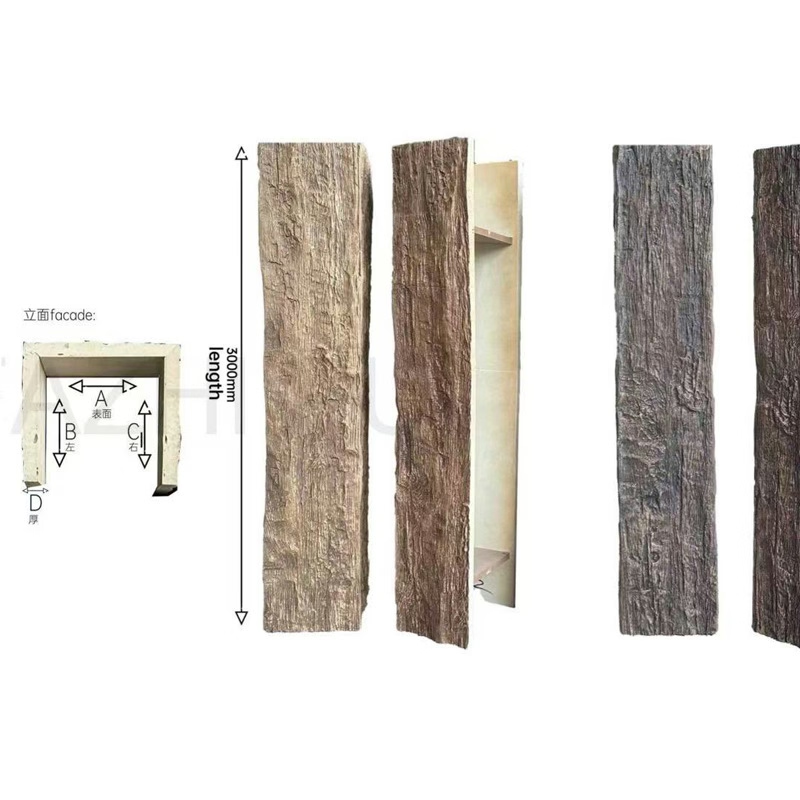
Parents approach their children's rooms with protective instincts that extend beyond obvious safety concerns. The materials that compose these spaces—the paint on walls, the flooring beneath feet, the furniture that fills the room—all deserve consideration through the lens of childhood vulnerability. We no longer dismiss questions about material safety as overcautious; instead, we recognize that creating healthy environments for developing bodies requires thoughtful selection of every component.
The ceiling often receives less attention than walls and floors, despite occupying a substantial portion of the visual field. Ceiling beams add architectural interest and warmth that many parents find appealing, but traditional options carry concerns that health-conscious families prefer to avoid. Natural wood may contain treatments or finishes that emit volatile compounds. Composite materials sometimes include adhesives with documented emission issues. Even materials that seem innocuous can surprise us with hidden concerns.
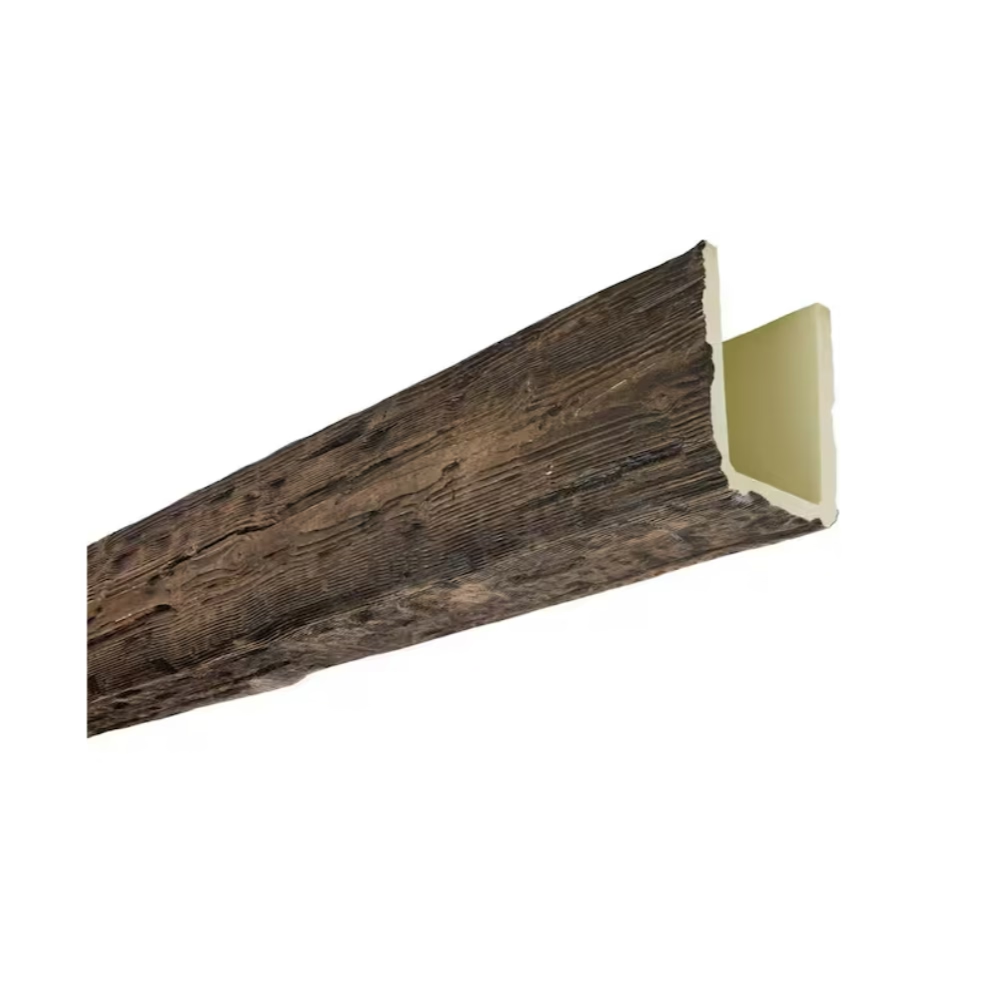
Low-VOC odorless polyurethane faux timber beams address these concerns through material science that has advanced substantially over recent decades. The products available today bear little resemblance to earlier generations that carried noticeable chemical odors and lingering emission concerns. Understanding what these modern products offer helps parents and healthcare designers make selections that support rather than compromise the health of the people who occupy these spaces.
Why Ceiling Materials Matter in Sensitive Spaces
The surfaces that compose interior environments continuously interact with the air that fills them. Materials release compounds through various mechanisms—evaporation of volatile ingredients, decomposition of less-stable components, off-gassing from surfaces that have absorbed previous contamination. While the rates vary enormously, essentially all materials contribute some compounds to indoor air, and the cumulative effect of many sources determines the overall environment quality.
Ceilings present particular considerations in this context. Unlike walls that receive frequent cleaning and visual attention, ceiling surfaces typically remain untouched from installation until renovation. Whatever they release into the air continues uninterrupted for years, accumulating in the breathing zone where building occupants spend their time. Materials that seem benign at installation may prove problematic when their full emission profile becomes apparent through years of exposure.
The breathing zone proximity compounds these concerns for sensitive populations. Children sleeping in cribs or playing on floors occupy spaces directly beneath ceiling treatments, closer to these surfaces than standing adults would be. Healthcare patients confined to beds experience similar proximity, lying with their faces meters rather than centimeters from the ceiling. This physical relationship means that ceiling materials matter more than casual observation might suggest.
Sustained exposure amplifies whatever effects materials might produce. A product that releases compounds only during initial curing affects a room differently than one that continues emitting throughout its service life. For ceiling treatments intended to last decades, selecting materials with minimal ongoing emissions provides better long-term protection than focusing only on initial installation conditions.
Understanding Modern Polyurethane Performance
Contemporary polyurethane formulations bear little resemblance to products that earlier generations associated with chemical smell and emission concerns. Manufacturing advances have fundamentally changed what these materials can achieve, producing options suitable even for the most demanding applications.
The shift toward alternative chemistry addresses the root causes of earlier concerns. Where traditional catalysts produced byproducts that contributed to odor, modern systems minimize or eliminate these compounds entirely. Careful raw material selection excludes components with inherent smells or emission potential. The result is a material that genuinely does not produce detectable odors rather than one whose odors fall below arbitrary detection thresholds.
Factory finishing further improves the emission profile of finished products. Spray application in controlled environments ensures consistent coverage while capturing emissions for treatment before release. Curing occurs completely before products ship, eliminating the emission concerns that accompany site-finished alternatives. By the time installation occurs, the product has reached its stable, low-emission final condition.
Third-party testing and certification verify these improvements through standardized methods. Laboratories conduct chamber testing that measures actual emission rates under controlled conditions, producing data that manufacturers can document for specification compliance. Products meeting established thresholds receive certification marks that provide reliable evidence of performance.
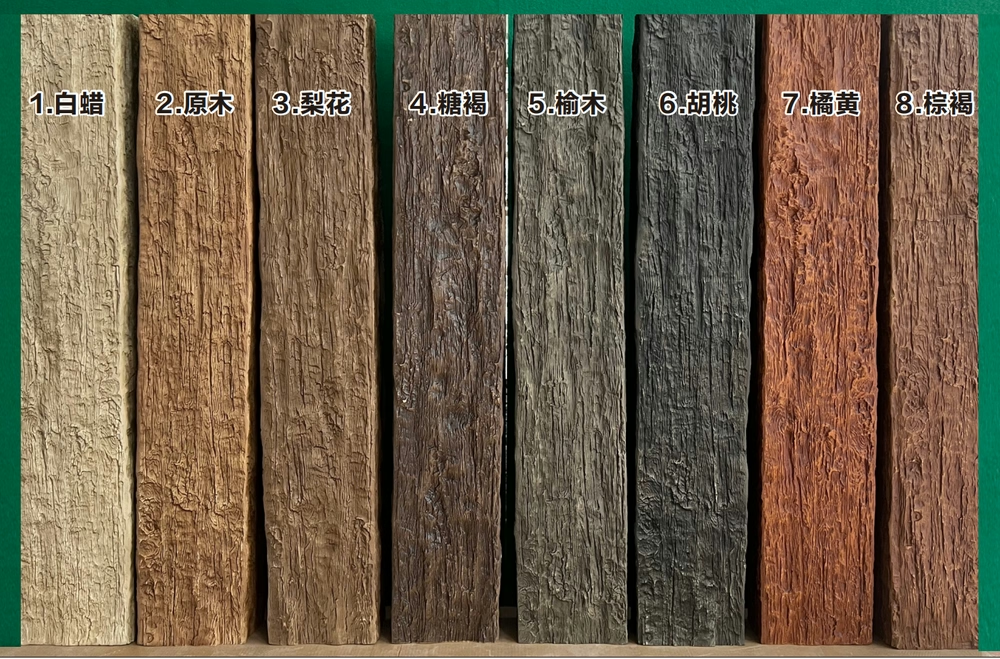
Applications in Children's Spaces
Children's rooms represent one of the most important applications for low-VOC odorless material selection. The combination of developmental vulnerability, extended exposure periods, and proximity to ceiling surfaces creates conditions where material choices carry exceptional weight.
Nurseries deserve particular attention given the extreme sensitivity of infants. Newborns spend essentially all their time in their rooms during the first weeks and months of life, breathing air that their immediate environment provides. Any compounds released by room materials accumulate in this small space, potentially reaching concentrations that would not occur in larger, better-ventilated areas. Selecting low-VOC odorless materials for nurseries provides protection during this vulnerable developmental window.
As children grow, their rooms evolve through multiple uses—play space, homework area, sleep sanctuary, teenager retreat. The materials that compose these rooms should support rather than complicate these transitions. Faux timber beams add warmth and character that adapts well to changing décor, while maintaining the air quality protection that the original nursery selection provided.
Playrooms and activity spaces face additional considerations given the vigorous use these areas experience. Impact resistance, moisture resistance, and cleanability all matter in spaces where spills, roughhousing, and creative exploration occur. Polyurethane faux beams resist the impacts that active children might deliver while accepting cleaning that removes accumulated grime without damaging finishes.
The psychological dimension of children's spaces deserves mention as well. Warm, natural materials like wood grain contribute to environments that feel nurturing rather than sterile. This psychological comfort complements the physical air quality protection that low-VOC materials provide, supporting the holistic development that parents strive to encourage.
Healthcare Design Applications
Healthcare environments present perhaps the most demanding requirements for low-VOC odorless material selection. The populations these spaces serve often combine heightened vulnerability with limited ability to escape exposure, creating conditions where material choices carry exceptional consequences.
Patient rooms in hospitals, rehabilitation facilities, and long-term care settings require materials that support rather than complicate healing. Research has demonstrated associations between environmental quality and patient outcomes, suggesting that design choices genuinely affect recovery trajectories. Ceiling beams that contribute warmth and visual interest to these spaces do so while maintaining the air quality standards that fragile patients require.
Mental health facilities face distinct but equally important requirements. Patients in these environments may have heightened sensitivity to environmental stimuli, including chemical odors that others might barely notice. Eliminating sources of odor removes potential triggers while creating spaces that feel genuinely therapeutic rather than institutional.
Pediatric facilities combine healthcare and children's space considerations. Young patients face the developmental vulnerabilities that pediatric medicine specifically addresses, while the healthcare context adds the challenges that illness and treatment create. Materials in these spaces must perform across all these dimensions, supporting young patients through some of the most difficult experiences they will face.
Dental offices, veterinary clinics, and other healthcare-adjacent facilities similarly benefit from low-VOC odorless material selections. While their patient populations may be less vulnerable than hospital patients, these spaces still serve people who chose to seek care there. The comfort that quality environments provide supports the positive patient experiences that successful practices cultivate.
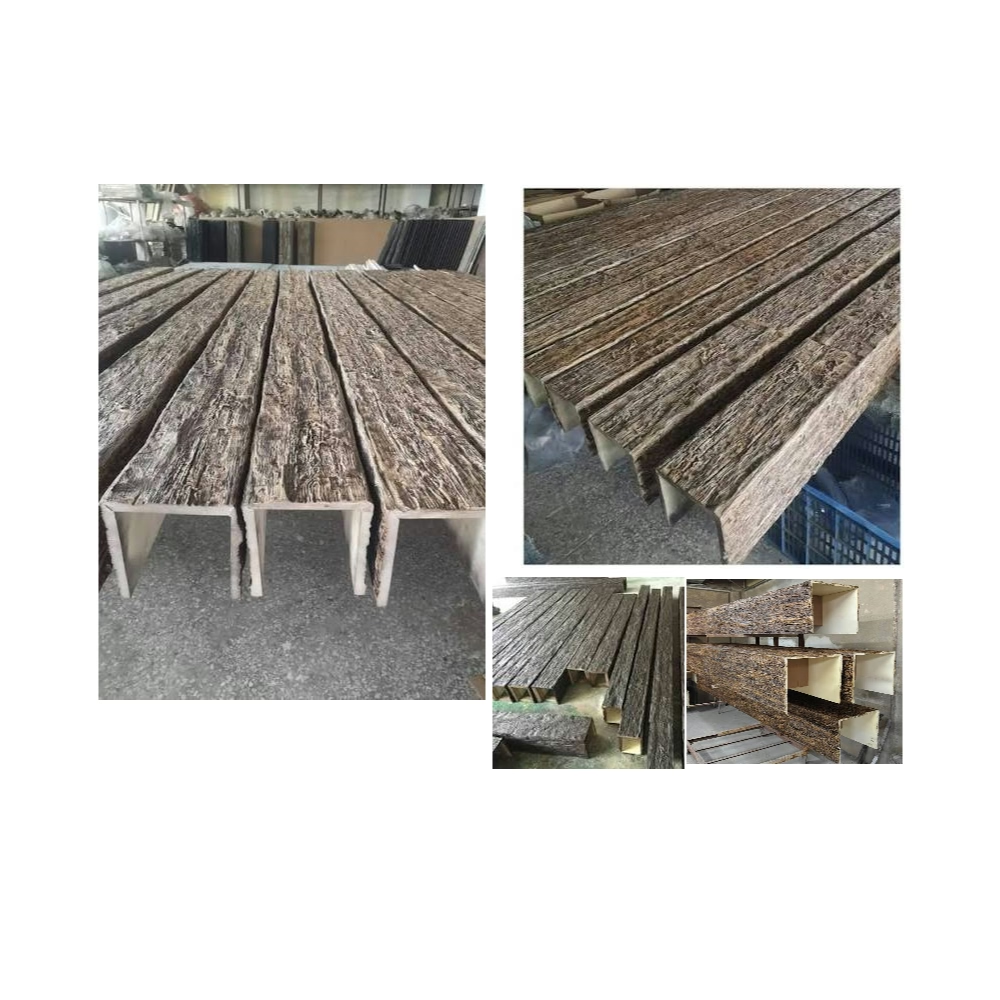
Making Selections with Confidence
Specifying low-VOC odorless polyurethane faux timber beams requires verification that claims match reality. The marketplace includes products ranging from genuinely superior formulations to those with marketing claims that testing would not support. Discerning between these options protects the investment that quality materials represent.
Requesting documentation before specification prevents problems during construction. Product data sheets should specify emission performance, cite applicable standards, and reference third-party testing that verifies the claims manufacturers make. For institutional projects, specification packages often require inclusion of this documentation as a condition of approval.
Third-party certifications provide the most reliable verification available. Programs like GREENGUARD Gold test products to established standards and award certification marks to those meeting requirements. Products bearing these marks have demonstrated their performance through standardized testing, providing assurance that marketing claims reflect actual characteristics.
Physical samples enable verification before commitment. Touching, examining, and if appropriate, smelling actual product samples provides information that documentation cannot fully convey. For sensitive applications, this physical verification provides peace of mind that specification based on documentation alone cannot offer.
The investment in quality verification pays dividends through years of problem-free service. Spaces that meet the air quality standards their occupants deserve remain comfortable, healthy environments that support the activities they were designed for. Low-VOC odorless polyurethane faux timber beams contribute to these outcomes while providing the aesthetic qualities that make spaces enjoyable to occupy.
Technical References
ASTM standards cited in every specification
Test Data
Lab results from internal testing program
Updated 2026
Reviewed against current product specs