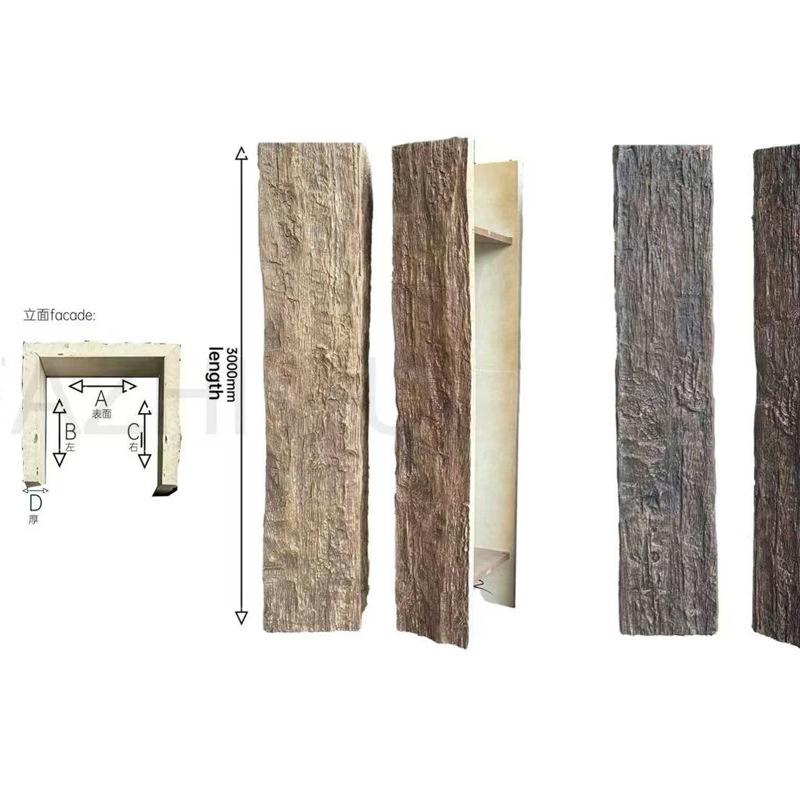
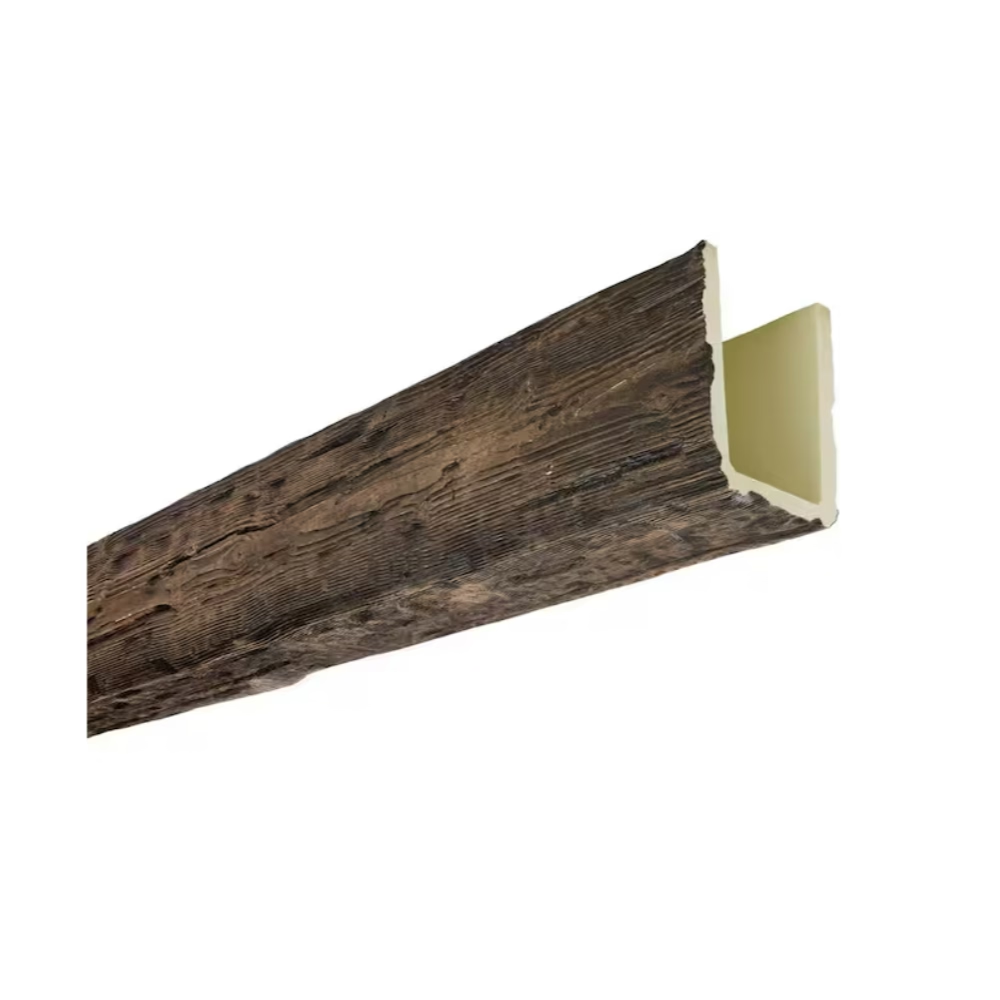
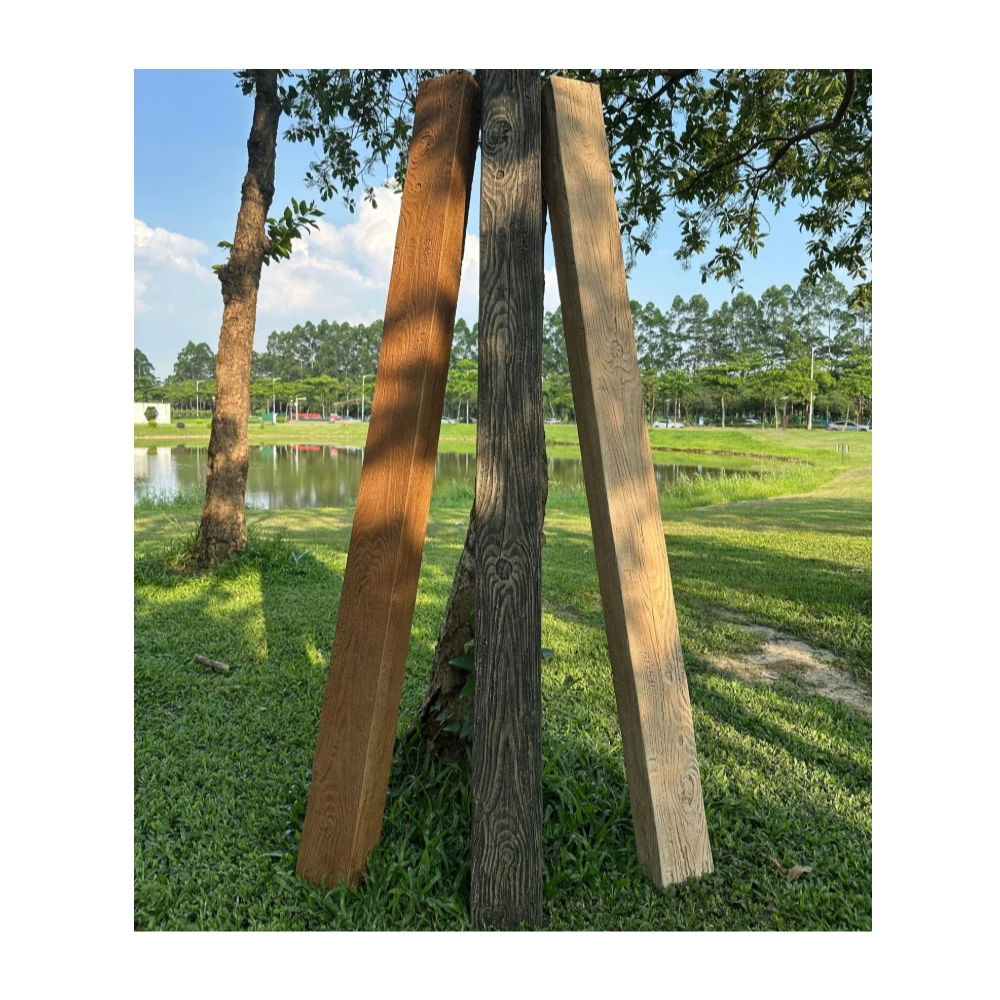
American walnut has earned its place among the most prized domestic hardwoods through centuries of use in the finest furniture and architectural installations. Native to the eastern United States, this species develops the rich, warm tones and distinctive grain patterns that have made it synonymous with quality craftsmanship. When interior designers seek to communicate luxury, specifying American walnut typically produces the desired response from clients and observers alike.
The challenge with genuine American walnut lies in translating its qualities to ceiling applications at reasonable cost and manageable weight. Solid walnut beams command substantial prices for quality material, and the weight of substantial timbers imposes structural demands that many existing ceilings cannot accommodate. The maintenance requirements that natural wood demands further complicate ownership, particularly in challenging environments.
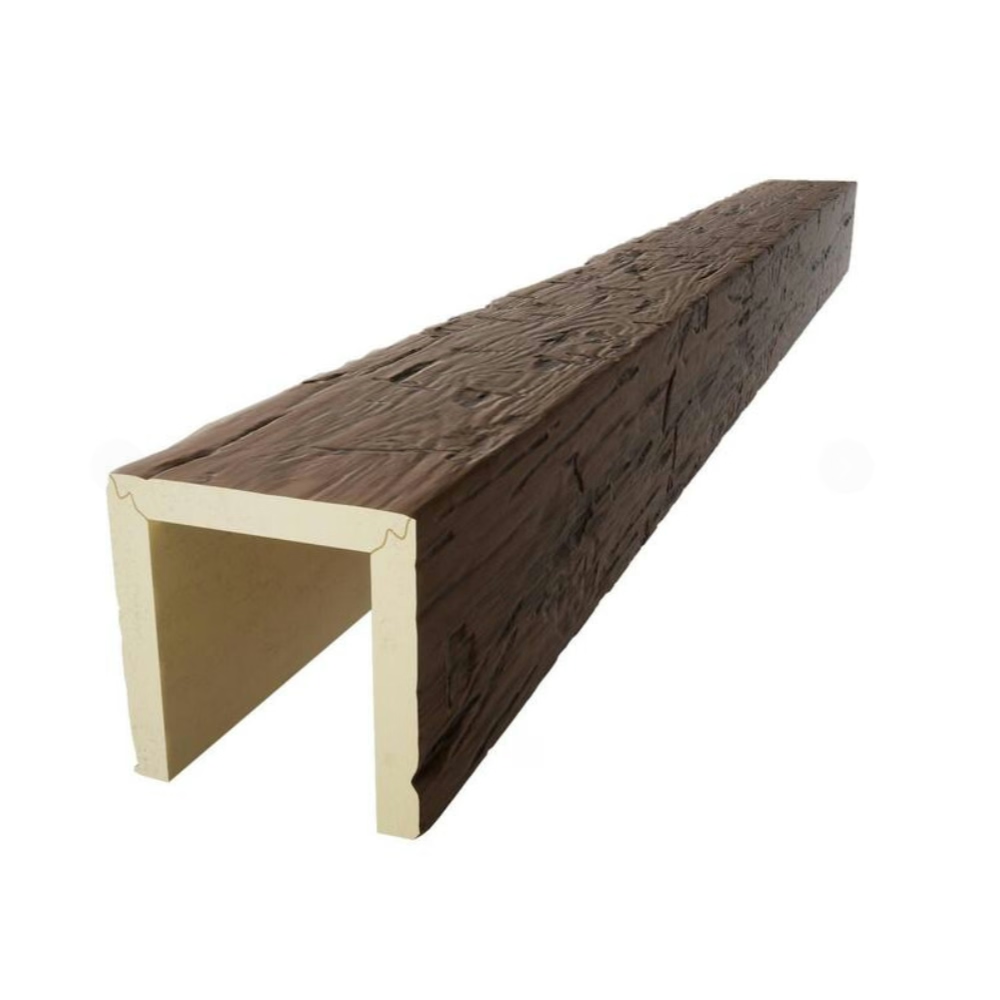
Luxury American walnut faux wood beams resolve these challenges through polyurethane construction that captures walnut's aesthetic qualities while eliminating the practical complications. The foam substrate accepts finishing treatments that reproduce walnut's characteristic appearance convincingly, while the material properties provide performance that natural wood cannot match. Understanding what these products offer helps homeowners and designers achieve luxurious results without accepting compromises that genuine timber would require.
American Walnut's Distinctive Characteristics
Genuine appreciation for American walnut faux beams requires understanding what makes the authentic material so desirable. These characteristics inform the reproduction process that produces convincing faux alternatives.
Color development in American walnut produces the rich browns that distinguish this species from other domestic hardwoods. Unlike the warm yellows of oak or the pale pinkness of maple, walnut exhibits deep chocolate tones that can approach near-black in the darkest samples. This color range develops further with age, as exposure to light gradually deepens and harmonizes the overall tone. The result is wood that feels established and permanent rather than new and artificial.
Grain patterns in American walnut display the organic variation that only natural growth produces. The species tends toward straight grain with occasional waves and swirls that create figure patterns prized by woodworkers. Unlike woods with repetitive grain that can seem mechanical, walnut reveals its living origins through variations that reward extended observation. No two pieces exhibit exactly the same pattern, ensuring that installations maintain uniqueness throughout their service life.
Texture and feel contribute to walnut's luxury positioning. The wood's moderate hardness makes it pleasant to touch while remaining durable enough for demanding applications. It machines cleanly, accepting cuts and details that crisply render the craftsperson's intent. Finishes adhere and protect well, developing the rich patina that walnut owners appreciate.
Polyurethane Reproduction Technology
Modern manufacturing techniques achieve remarkable fidelity in reproducing wood characteristics with polyurethane substrates. Understanding these techniques helps explain how faux beams deliver convincing alternatives to genuine timber.
Mold-making technology captures authentic wood grain with photographic precision. Craftspeople prepare genuine walnut samples to showcase their best characteristics, then create molds that reproduce every detail of surface texture. When polyurethane fills these molds, it solidifies with grain patterns, ray flecks, and other identifying features that distinguish walnut from other species.
Staining processes build on the textured surface to create authentic color development. Unlike paint that covers texture uniformly, stain penetrates differently in grain valleys versus raised areas, creating the depth that authentic wood exhibits. Multiple staining stages build complexity that single applications cannot achieve, while careful technique ensures consistency across production runs.
Finish application completes the reproduction process with protective coatings that enhance appearance while providing durability. Factory finishing in controlled conditions produces coverage quality that site application rarely matches. The resulting surfaces resist scratching, UV degradation, and cleaning damage that would affect field-finished alternatives.
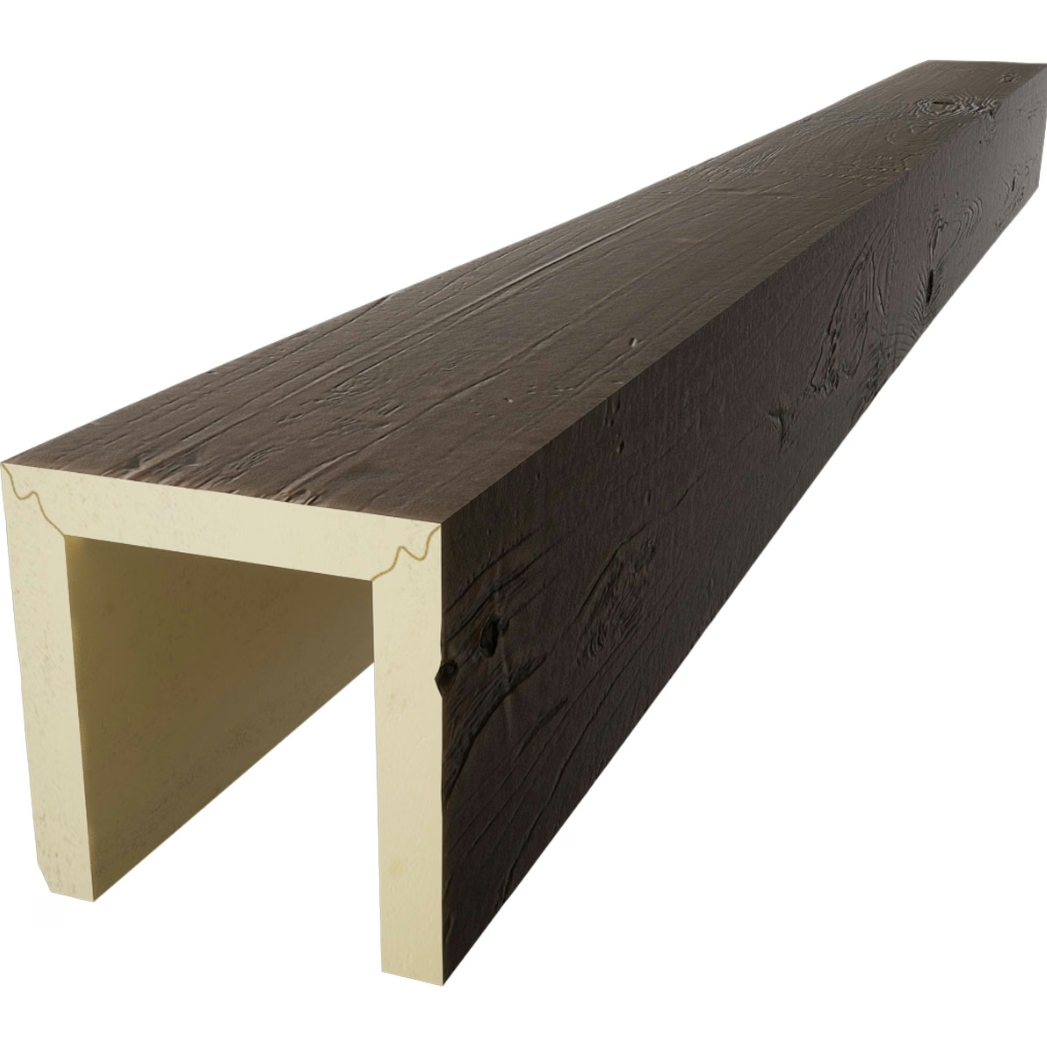
Design Applications in Luxury Interiors
American walnut faux beams serve various design applications in elegant residential settings. The species' versatility accommodates different aesthetic approaches while maintaining its fundamental character.
Traditional interiors benefit from walnut's historical associations with quality craftsmanship. The wood's warmth complements other traditional materials—stone, brass, leather—while its sophistication elevates overall design quality. Ceiling beams finished in American walnut reinforce the traditional character that such interiors pursue, adding architectural detail that supports the overall aesthetic.
Contemporary spaces can incorporate walnut beams as textural contrast against smooth, minimal surfaces. The organic warmth of wood grain provides counterpoint to the clean lines that contemporary design typically emphasizes. This contrast creates visual interest that purely modern materials cannot achieve, adding depth without sacrificing the contemporary sensibility that clients often request.
Transitional interiors—those that blend traditional and contemporary elements—find walnut beams particularly useful. The wood's classic character accommodates traditional furniture while its sophisticated tones integrate with contemporary accents. Beams in such spaces can bridge design approaches that might otherwise feel incompatible, creating unity that allows eclectic furnishing.
Scale and Proportion Considerations
Achieving successful results with American walnut faux beams requires attention to scale and proportion that ensures installations feel intentional rather than overwhelming.
Beam dimensions should relate to room proportions in ways that create visual harmony. Larger rooms generally accommodate larger beams, while intimate spaces require more modest sizing. A common error involves specifying beams that overwhelm their settings, creating visual weight that dominates rather than enhances. When in doubt, more restrained sizing typically proves more successful.
Spacing between beams affects the rhythm that ceiling treatments establish. Wide spacing creates dramatic impact with each beam standing as significant individual element. Closer spacing produces more continuous texture that reads as ceiling treatment rather than individual elements. Both approaches can succeed, but the choice should align with overall design intent.
The relationship between beam size and ceiling height affects perceived room proportions. Oversized beams in rooms with limited height make those rooms feel even smaller, while appropriately scaled beams can actually enhance perceived height through the optical effects of shadow and highlight. This consideration proves particularly important in existing homes where ceiling heights may not align with beam specifications designed for new construction.
Integration with Lighting and Other Materials
Successful installations coordinate beams with surrounding elements in ways that create unified, intentional design. Several coordination considerations deserve attention.
Lighting interaction with American walnut beams produces effects that designers should anticipate and enhance. Recessed fixtures positioned between beams can wash ceiling surfaces with light that accentuates texture. Surface-mounted fixtures can highlight beam faces or provide ambient illumination that complements the space's general lighting scheme. The interplay between natural and artificial light throughout the day creates variations that keep installations interesting over time.
Floor and furniture materials should complement rather than compete with beam finishes. Floors in similar wood tones create tonal harmony that feels intentional. Contrasting floor materials—stone, concrete, light-colored wood—establish hierarchy that prevents visual confusion. The key is ensuring that combinations feel designed rather than arbitrary.
Other wood elements in the space require similar consideration. Built-in cabinetry, fireplace surrounds, and substantial furniture pieces all contribute to the wood story that interiors tell. American walnut beams should integrate with these elements in ways that create coherent narratives rather than competing for attention.
Long-Term Performance and Care
The practical advantages of polyurethane faux construction translate to ownership experiences that genuine timber cannot match. Understanding these advantages helps set realistic expectations for what faux beams provide.
Moisture resistance ensures dimensional stability that natural wood cannot maintain. Polyurethane accepts no water absorption, eliminating the expansion and contraction cycles that cause timber to split, warp, and gap over time. This stability proves particularly valuable in kitchens, bathrooms, and other areas where humidity fluctuates.
Impact resistance protects appearance through the minor collisions that ceiling elements inevitably experience. Unlike wood, which dents and gouges readily, polyurethane absorbs impacts without visible damage in most cases. This durability maintains appearance through years of service while reducing maintenance attention that natural wood would require.
Cleaning simplicity completes the practical advantages. Dust, cobwebs, and accumulated grime wipe away with mild detergent solutions that damage neither the finish nor the substrate. The aggressive cleaning that commercial environments might require remains possible without concern for finish damage that would affect natural wood.
American walnut faux wood beams represent an evolved approach to luxury ceiling treatment—one that preserves the aesthetic qualities that have made walnut desirable while eliminating the practical limitations that genuine timber imposes. For homeowners who appreciate walnut's character but demand practical performance, these products deliver genuine luxury.
Technical References
ASTM standards cited in every specification
Test Data
Lab results from internal testing program
Updated 2026
Reviewed against current product specs