Cherry wood has held enduring appeal in furniture and interior design through its remarkable combination of warmth and refinement. The species' natural color palette—ranging from pale pink when freshly milled to rich reddish-brown when fully aged—creates interiors that feel welcoming without sacrificing sophistication. This balance between approachable warmth and elegant refinement has made cherry a consistent choice for traditional interiors where the goal involves creating spaces that feel both impressive and livable.
Classic decor particularly suits cherry's character, as the aesthetic values that cherry embodies—timelessness, quality craftsmanship, refined taste—align directly with what traditional design pursues. Spaces decorated in classic style benefit from materials that suggest history and permanence, with cherry contributing its established associations to overall design quality.
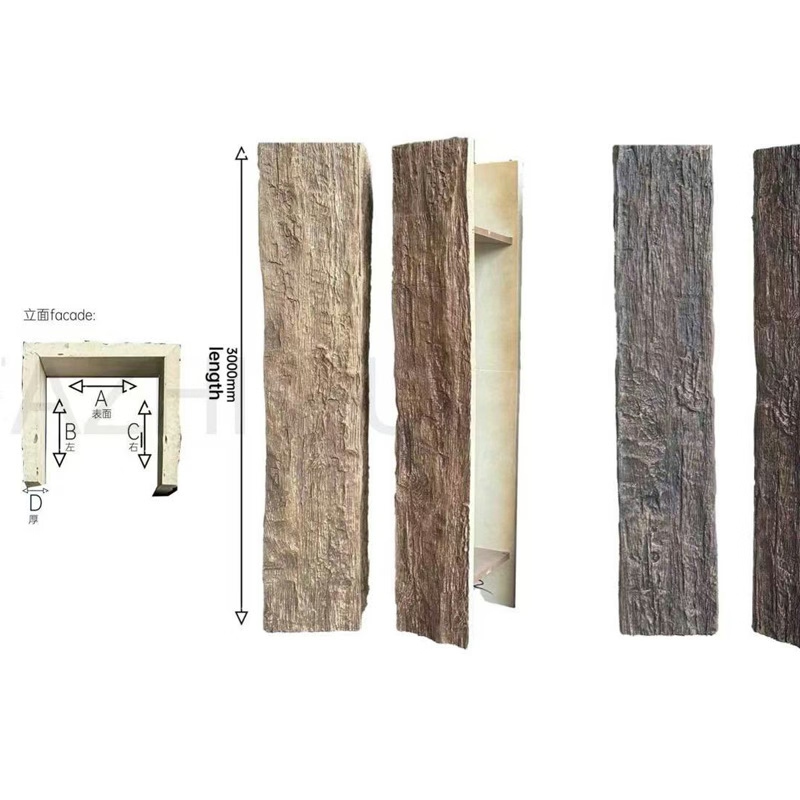
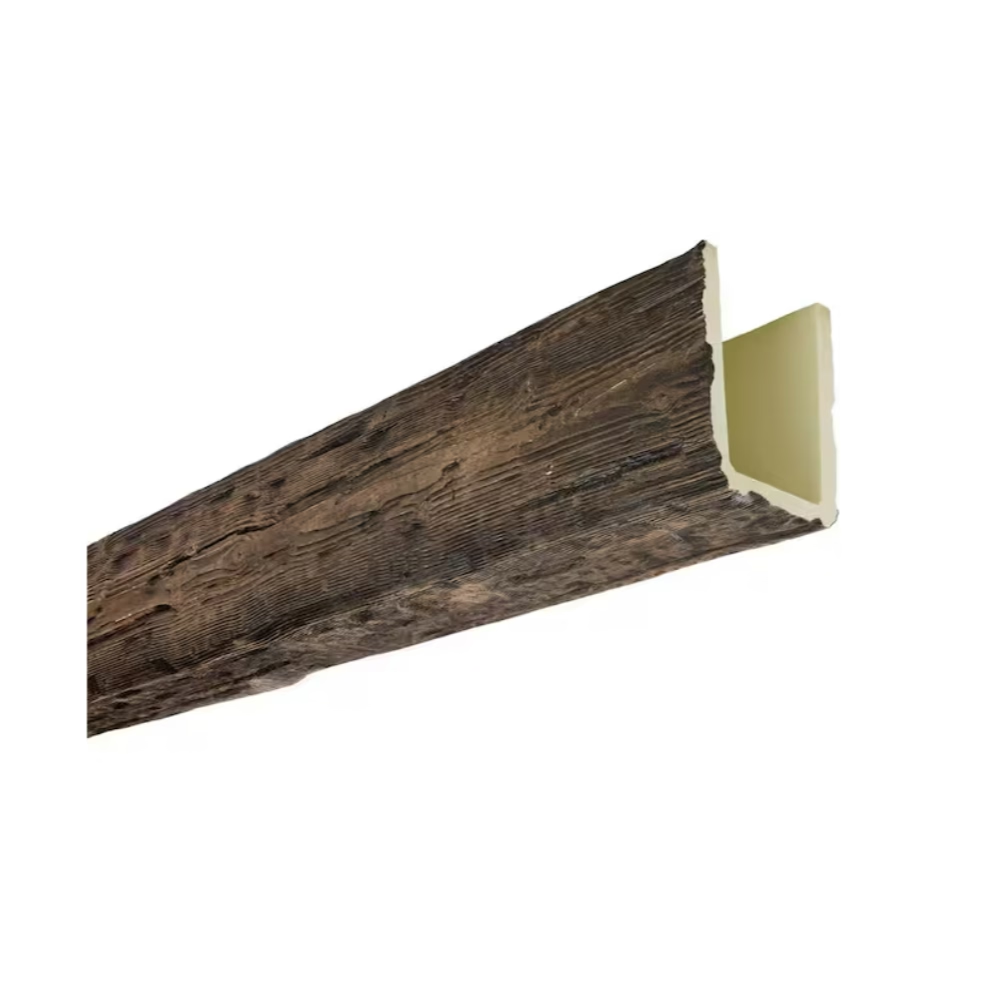
Luxury cherry wood finish polyurethane faux beams translate these aesthetic qualities to ceiling applications with practical advantages that genuine cherry cannot provide. The foam construction enables larger beam sizes than cherry timber would permit, while eliminating the maintenance demands that natural wood requires. Understanding what these products offer helps homeowners and designers achieve classic interiors without practical compromises.
Cherry Wood's Timeless Appeal
Genuine appreciation for cherry finish faux beams requires understanding what makes authentic cherry wood so valued. These characteristics inform the reproduction process that produces convincing alternatives.
Color development represents cherry's most distinctive feature. Freshly cut cherry displays pale pink tones that seem almost too delicate for furniture applications, yet this seemingly fragile appearance transforms through aging. Exposure to light gradually deepens the color through rich reds toward the mahogany-like tones that aged cherry exhibits. This transformation, which takes years to complete naturally, has made antique cherry furniture particularly prized—the very qualities that make it beautiful developed over decades of use.
Grain patterns in cherry display the subtle figuring that distinguishes quality wood from ordinary lumber. Unlike species with dramatic grain that demands attention, cherry's grain works quietly, providing texture without competing for focus. This restraint makes cherry versatile, accommodating bold contrasts and subtle harmonies depending on surrounding materials. The grain's consistency also makes large surfaces more uniform than species with more dramatic figure.
Workability has contributed to cherry's historical popularity among woodworkers. The wood machines cleanly with crisp detail capture, accepts stains and finishes readily, and develops smooth surfaces that enhance its refined character. These practical advantages translate to quality furniture and architectural elements that maintain their appearance through years of use.
Polyurethane Reproduction Excellence
Modern manufacturing achieves remarkable fidelity in reproducing cherry wood's characteristic appearance with polyurethane substrates. Understanding these capabilities explains how faux beams achieve convincing results.
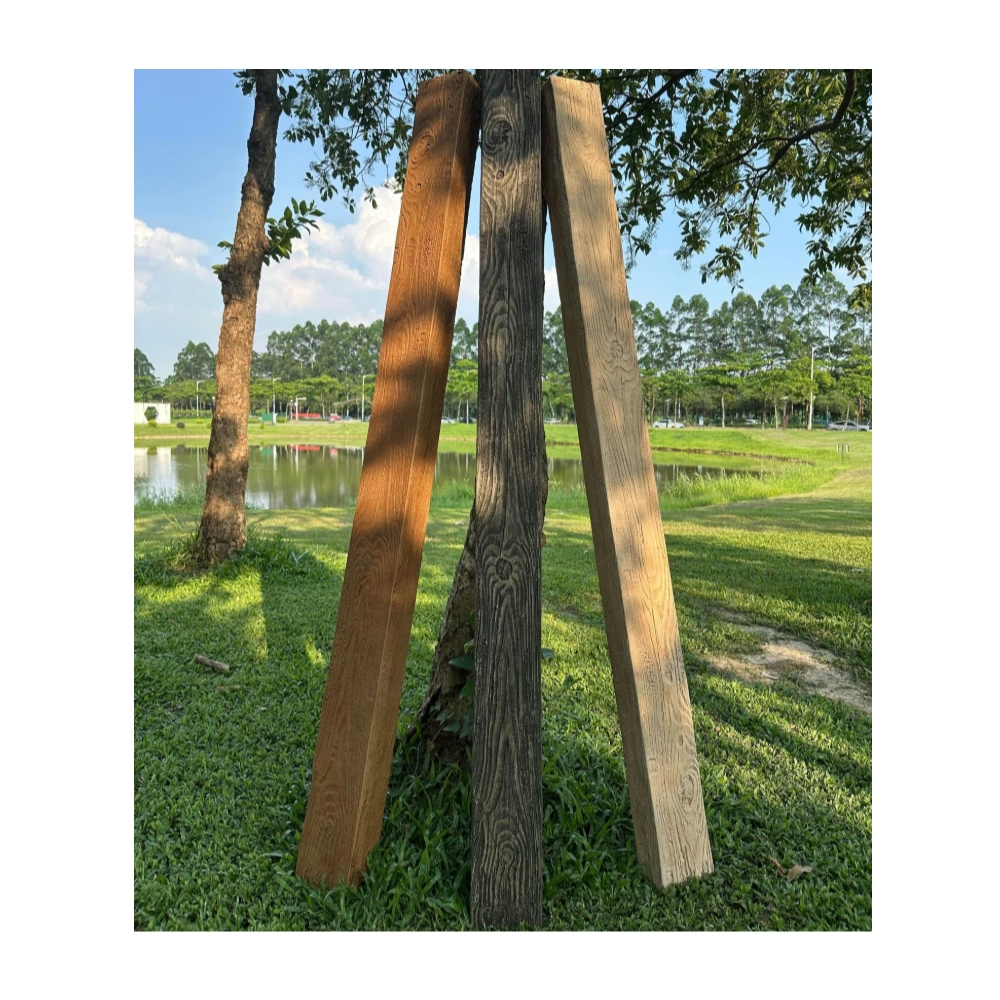
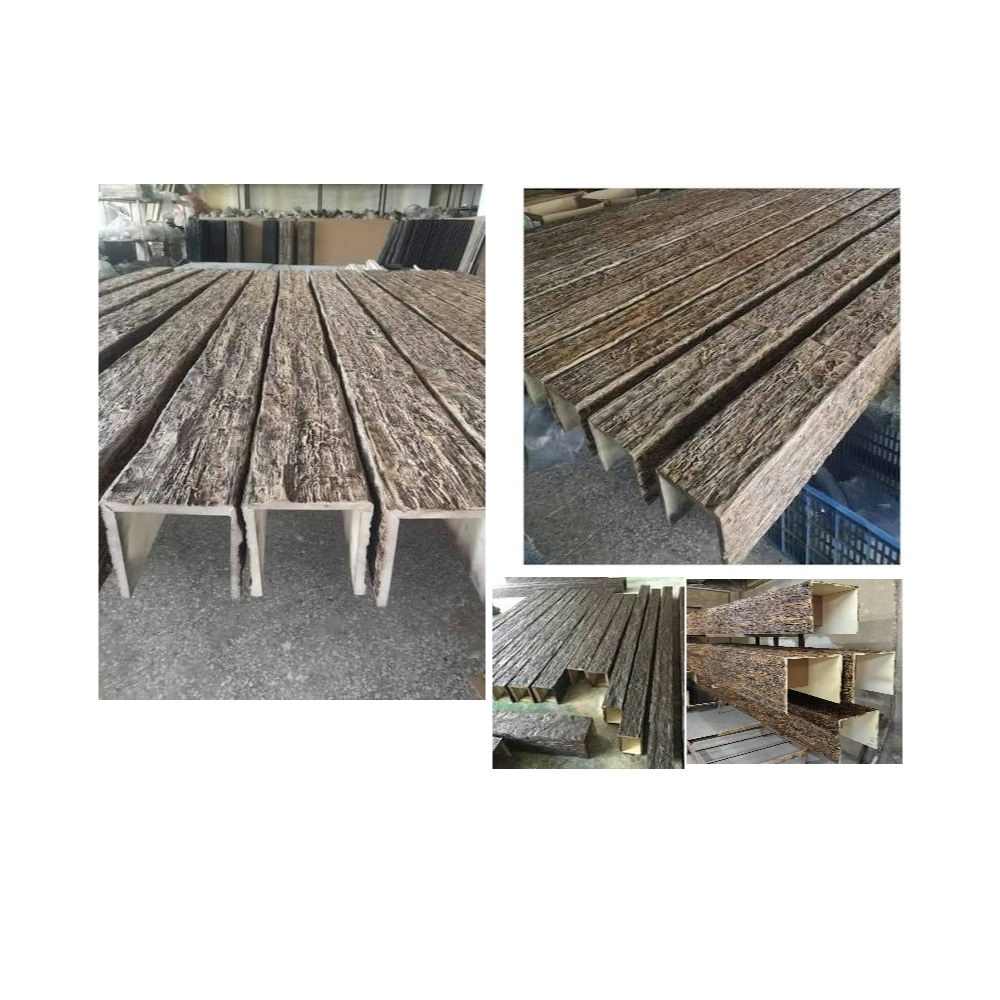
Surface texture capture preserves authentic wood grain details that identification depends on. Craftspeople prepare genuine cherry samples selected for exemplary grain character, then create molds that transfer every detail to polyurethane reproductions. The resulting surfaces include the subtle figuring and consistent texture that distinguish quality cherry from lesser alternatives.
Color development in factory finishing builds the depth that cherry's appearance requires. Multiple stain applications create tonal variation that mimics natural wood's complexity, with darker penetration in grain valleys contrasting against lighter surface tones. The characteristic pink-to-red color range receives particular attention, ensuring that finish colors match the specific tones that specifiers expect.
Aging treatments address the transformation that cherry undergoes naturally over time. While no artificial treatment fully replicates decades of light exposure, controlled UV treatment and chemical processes produce some of the deepening that distinguishes aged cherry. The goal is producing finishes that suggest maturity without appearing artificially distressed or merely colored rather than finished.
Classic Decor Applications
Cherry finish faux beams serve classic interior styles with warmth and refinement that complements traditional design principles. Several application approaches prove particularly successful.
Traditional living rooms benefit from cherry beams that reinforce the established, refined character that such spaces typically pursue. Combined with traditional upholstery, classic lighting, and complementary wood furniture, ceiling beams contribute architectural detail worthy of rooms designed for adult conversation and comfortable relaxation. The warmth that cherry provides creates inviting atmosphere without sacrificing sophistication.
Formal dining rooms achieve appropriate gravitas with cherry beams overhead. The room's function—shared meals in ceremonial settings—deserves treatment that elevates the experience above everyday eating. Cherry's refined warmth supports this elevation while remaining approachable enough for frequent use. The wood's historical associations with quality furniture extend naturally to ceiling applications.
Home offices and libraries accommodate cherry beams as textural warmth against book-lined walls. The concentrated wood presence creates environments appropriate for focused work, with the ceiling treatment reinforcing the scholarly character that such spaces often pursue. Combined with leather furniture and brass lighting, cherry beams complete the traditional study aesthetic.
Coordination Strategies
Successful cherry beam installations coordinate with surrounding materials in ways that create unified traditional interiors. Several coordination principles guide this integration.
Other wood elements in the space should relate to cherry beams in intentional ways. Floors in complementary wood tones create tonal harmony, while floors in contrasting materials establish hierarchy that prevents visual confusion. Built-in cabinetry and substantial furniture pieces contribute to the overall wood story, with cherry beams either complementing or providing textural counterpoint depending on design intent.
Upholstery colors should harmonize with cherry's warm tones without creating excessive competition. Traditional fabrics—leather, woven textiles, damask—complement wood warmth effectively. Contemporary synthetics can work but may require more careful color coordination to prevent jarring combinations that undermine traditional character.
Wall colors in traditional interiors typically reference natural palettes that cherry's warmth integrates with readily. Warm neutrals—cream, beige, light tan—establish quiet backgrounds that allow cherry beams and furniture to command attention. More saturated wall colors can work but should be selected with awareness of how they interact with the overall wood presence.
Scale and Proportion
Achieving appropriate scale ensures that cherry beams enhance rather than overwhelm classic interiors. Traditional spaces typically accommodate substantial beam sizing, but proportional relationships still require attention.
Ceiling height provides the fundamental reference for beam dimensioning. Traditional homes typically feature higher ceilings than contemporary construction, providing more room for appropriately scaled beams. Ten and twelve-foot ceilings can accommodate substantial beams that would overwhelm standard eight-foot heights. Matching beam size to ceiling height ensures proportional relationships that feel intentional.
Room proportions influence the rhythm that beam installations establish. Wide rooms benefit from widely spaced beams that cross dramatically, while narrower rooms may require closer spacing or smaller dimensions to prevent top-heavy appearance. The goal is creating balance where beams feel proportional to their settings.
Furniture scale should relate to beam sizing in ways that create visual harmony. Large traditional furniture can accommodate substantial beams above, with both elements reinforcing traditional scale. More modest furniture selections may require corresponding restraint in beam sizing.
Practical Benefits for Traditional Living
Beyond aesthetic considerations, cherry finish faux beams offer practical advantages that traditional homeowners appreciate. These benefits affect ownership experience meaningfully.
Maintenance requirements drop substantially with polyurethane construction. No periodic refinishing, no careful humidity control, no anxiety about light exposure—the practical burdens that natural cherry imposes simply disappear. Homeowners can enjoy cherry's beauty without accepting ongoing responsibilities that might conflict with busy lifestyles.
Moisture resistance proves valuable in kitchens, dining rooms, and other areas where humidity fluctuates seasonally. Natural cherry responds to moisture changes with dimensional shifts that stress finishes and create gaps. Polyurethane maintains stable dimensions regardless of humidity, preserving tight joints and seamless appearance indefinitely.
Durability ensures that installations maintain their original appearance through years of service. The combination of impact resistance, UV stability, and cleaning compatibility means that beams continue looking their best without intervention. This practical performance complements the aesthetic quality that justifies the initial investment.
Luxury cherry wood finish polyurethane faux beams represent an evolved approach to traditional ceiling treatment that serves contemporary needs while honoring the classic aesthetic that cherry wood has exemplified for generations.
Technical References
ASTM standards cited in every specification
Test Data
Lab results from internal testing program
Updated 2026
Reviewed against current product specs