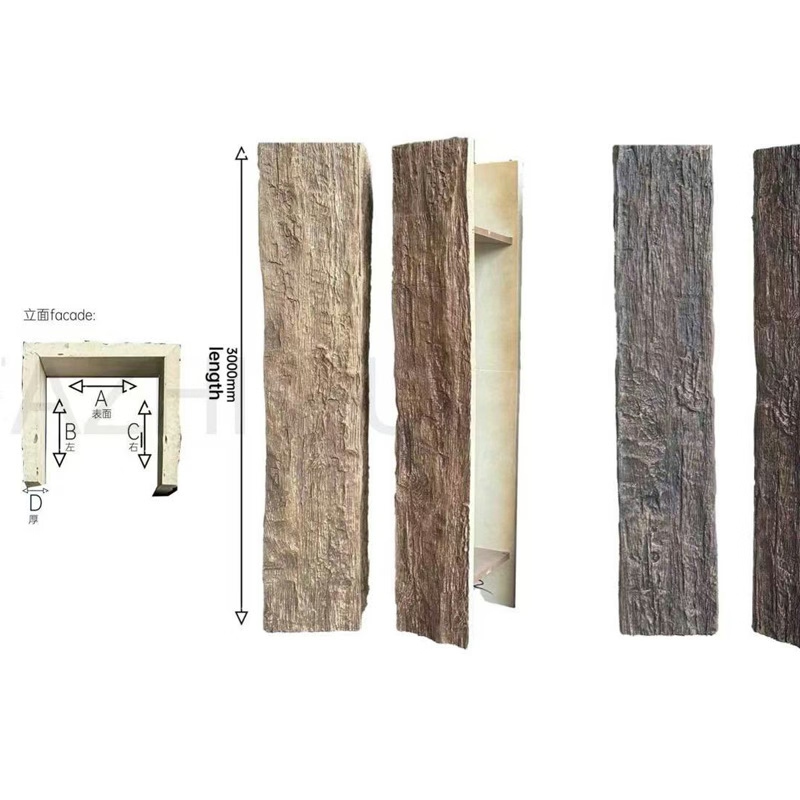
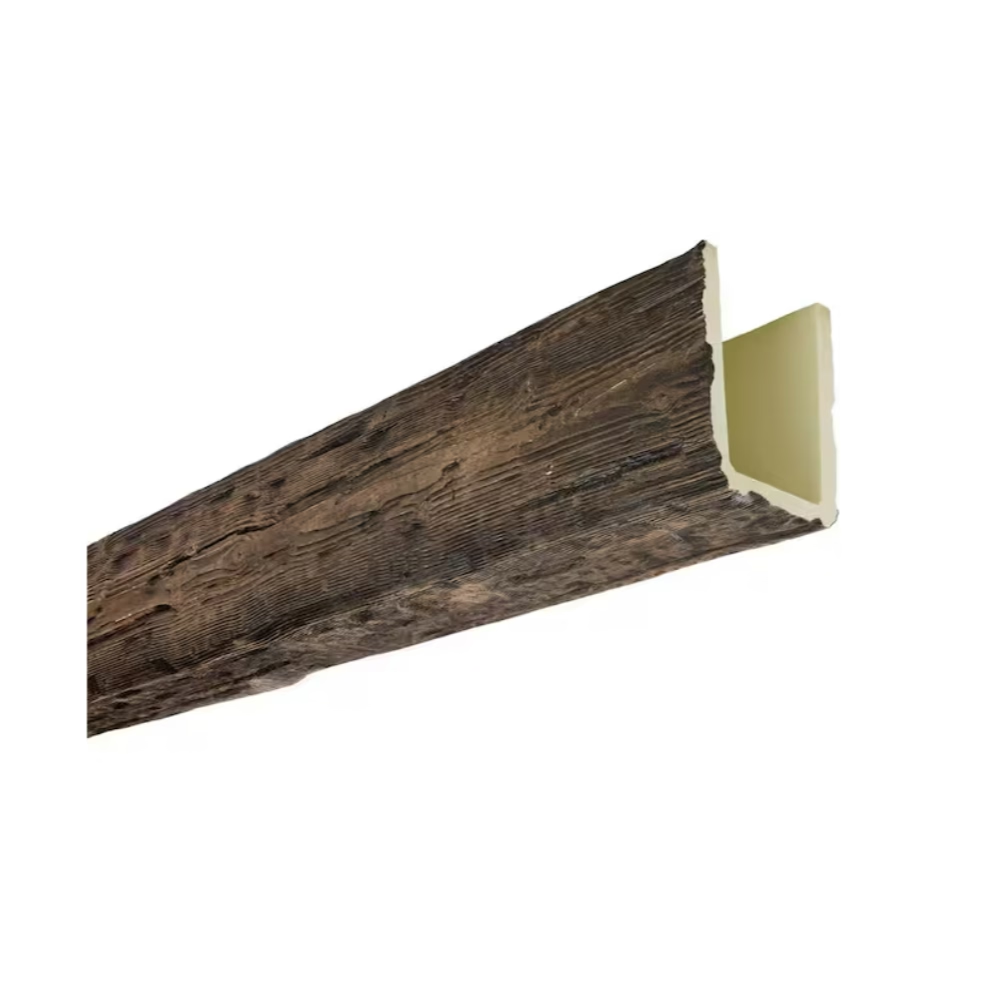
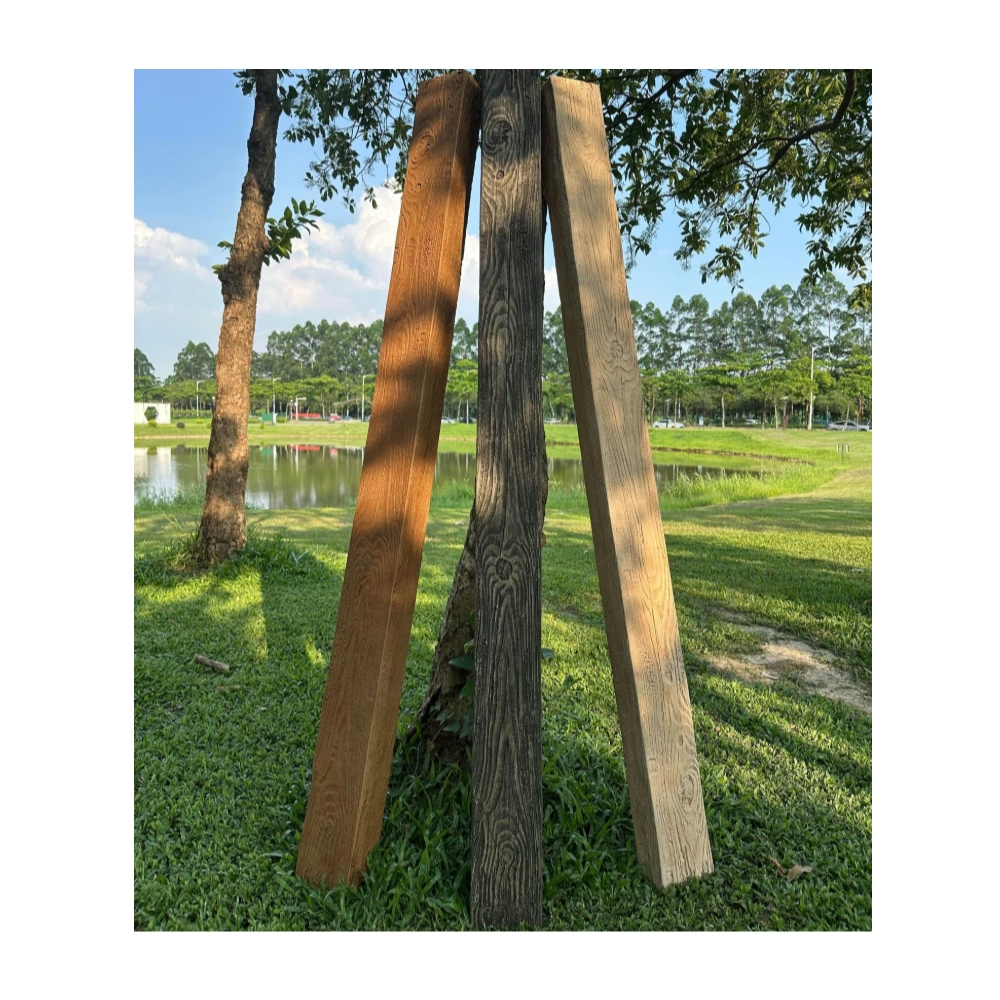
Interior styling for high-end residential spaces has evolved beyond simple aesthetic preferences toward deliberate atmospheric creation. Discerning homeowners no longer select materials based solely on quality and appearance in isolation; they consider how each element contributes to the overall experience that spaces create. Ceiling treatments play crucial roles in this atmospheric design, establishing the overhead boundary that shapes how rooms feel regardless of what activities occur within them.
Dark walnut has proven particularly effective for this atmospheric approach, offering the depth and warmth that sophisticated interiors require. The wood's rich brown tones approach near-black in the most saturated samples, creating surfaces that absorb light rather than reflecting it. This absorption produces the shadow-rich environments that moody design pursues, while the characteristic walnut warmth prevents the cold atmosphere that purely dark colors might create.
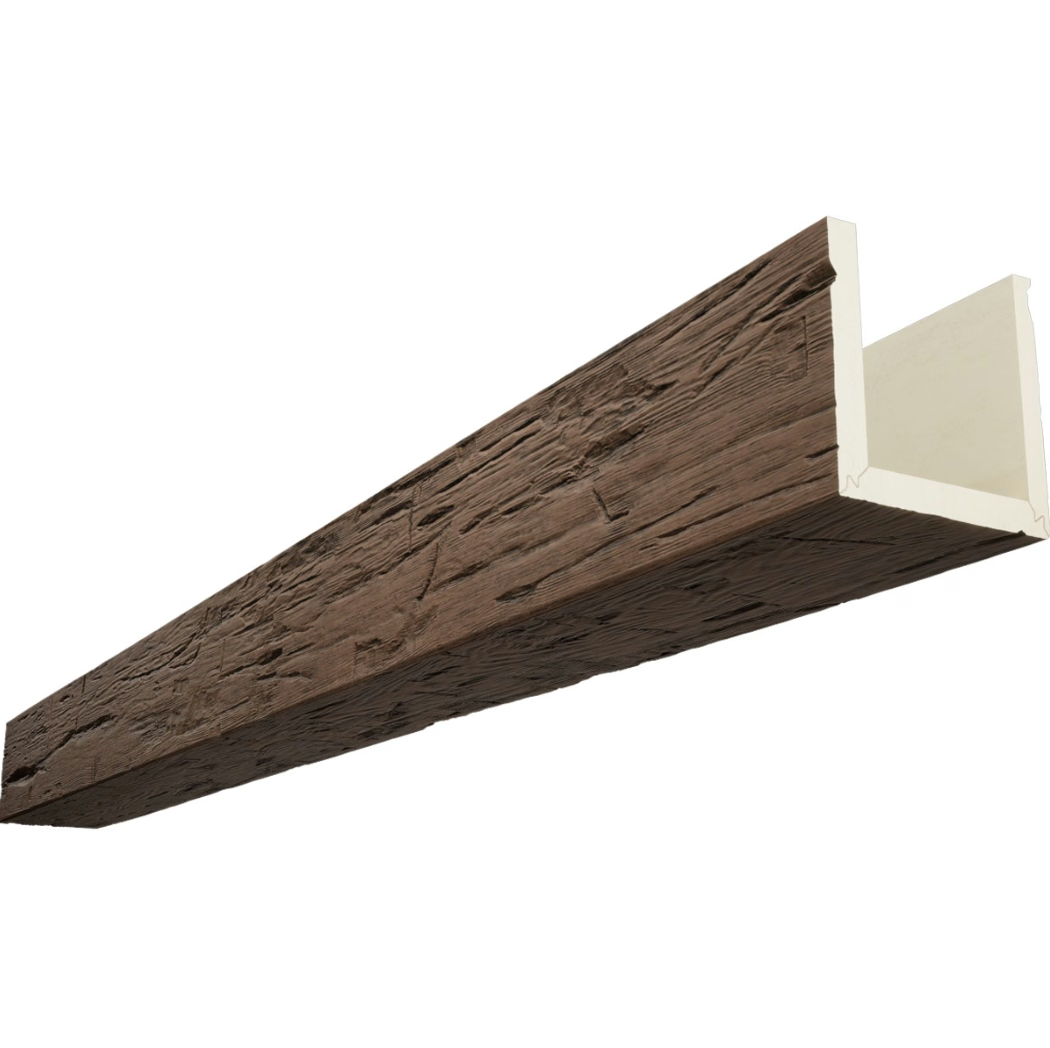
Luxury dark walnut polyurethane faux beams translate these atmospheric qualities to ceiling applications with practical advantages that genuine timber cannot match. Understanding how these products serve high-end styling helps designers and homeowners create spaces with genuine character.
The Atmospheric Potential of Darkness
Moody interior design leverages darkness strategically rather than avoiding it as a deficiency. Understanding how darkness creates atmosphere guides appropriate application of dark ceiling treatments.
Shadow creates depth that bright environments cannot achieve. When light sources illuminate only specific elements, the interplay between lit and shadowed areas produces dimensionality that flat illumination would deny. Ceiling beams in moody interiors contribute to this depth, with surfaces catching and blocking light in ways that create visual complexity.
Focus improves in darker environments because visual competition decreases. Occupants can concentrate on the elements that designers intend to feature without distraction from surrounding details. In living spaces, this focus might center on conversation or the fire; in dining spaces, on the meal and company. Ceiling beams contribute to the overall darkness while adding textural interest that prevents blankness.
Sophistication associations influence how dark environments read. Historically, the ability to control light and create private, atmospheric spaces signaled wealth and refinement. These associations persist, with dark interiors suggesting taste and discernment that bright, generic spaces might not communicate. Dark ceiling beams reinforce these associations visibly.
Dark Walnut's Distinctive Presence
Dark walnut achieves atmospheric effects that other dark finishes cannot match because of qualities specific to the species. These characteristics inform the reproduction process that produces convincing faux alternatives.
Warmth undertones distinguish dark walnut from cooler dark woods like ebonized oak or painted black surfaces. The brown base that persists even in the darkest samples prevents the harsh, flat feeling that purely black surfaces sometimes create. This warmth makes dark walnut interiors feel inviting rather than austere, appropriate for spaces designed for enjoyment rather than mere occupation.
Grain visibility in dark finishes provides the textural interest that dark surfaces need. Walnut's characteristic flowing grain patterns catch light at varying angles, creating subtle highlights that animate surfaces throughout the day. Without this grain texture, dark ceilings might read as flat painted surfaces rather than luxurious timber treatments.
Patina potential in walnut allows finishes that suggest age and established quality. The species responds well to finishing techniques that produce the appearance of decades of care rather than freshly applied coatings. This suggestion of maturity adds perceived value that pristine alternatives cannot achieve.
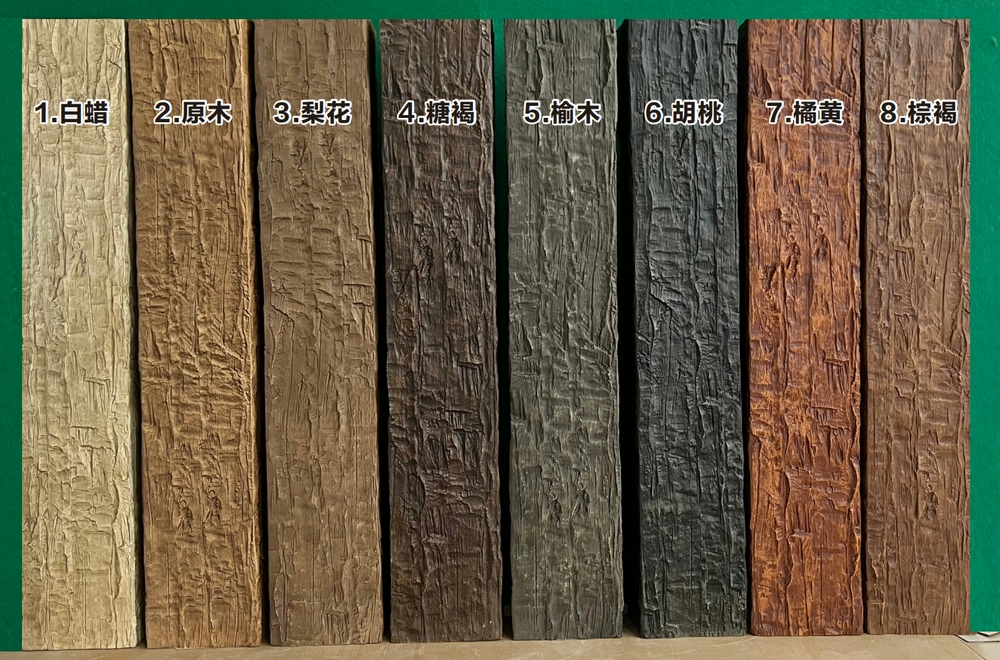
High-End Residential Applications
Dark walnut faux beams serve various high-end residential applications where sophisticated atmosphere enhances the living experience. Several space types particularly benefit from this treatment.
Master suites achieve the intimate, private character that such spaces deserve through dark ceiling treatments. After the day's activities conclude, retreating to a space with atmospheric ceiling beams creates transition between public and private selves. The beams' presence elevates the room beyond ordinary bedroom treatment while maintaining the comfort that restful sleep requires.
Home bars and entertainment lounges benefit from dark treatments that create conditions appropriate for adult socialization. The focused lighting, intimate atmosphere, and sophisticated environment that dark walnut beams contribute support the social purposes these spaces serve. Guests recognize the intentionality that such environments communicate.
Private libraries and reading rooms accommodate dark ceilings that support concentrated activity. The psychological shift that darkened spaces encourage—away from alertness toward contemplation—serves reading and conversation equally well. Beams overhead add architectural interest without interfering with the focused atmosphere that such spaces pursue.
Styling Coordination Principles
Successful dark walnut beam installations coordinate with surrounding elements in ways that create unified, sophisticated interiors. Several principles guide this coordination.
Wall treatment in moody spaces should complement dark ceilings without creating excessive contrast. Deep gray, muted blue, or warm neutral wall colors establish backgrounds that allow beams to read appropriately. Pure white walls would compete with dark ceilings inappropriately, while pure black might create oppressive uniformity.
Furniture selection should introduce lightness that prevents spaces from disappearing into darkness. Light-colored upholstery, metallic accents, and reflective surfaces provide visual anchor that keeps spaces readable. The contrast between dark ceiling and lighter furnishings creates hierarchy that prevents confusion.
Lighting design proves essential in moody applications. Rather than general illumination that evenly brightens spaces, moody interiors benefit from layered lighting that creates pools of light for specific activities while allowing other areas to remain in shadow. Beams contribute to this shadow-rich environment while receiving occasional highlight that reveals their presence.
Scale and Proportion
Achieving appropriate scale ensures that dark walnut beams enhance rather than overwhelm high-end interiors. Several factors guide appropriate sizing.
Ceiling height provides the fundamental reference for beam dimensioning. Higher ceilings can accommodate larger beams that contribute significantly to atmosphere without creating oppressive weight. Standard eight-foot ceilings may require more modest sizing or sparser spacing to prevent configurations that feel top-heavy.
Room size influences the impact that beam installations create. Large rooms can support substantial beams that make strong statements, while intimate spaces require corresponding restraint. The goal is proportional relationships where beams feel appropriate to their settings rather than either negligible or overwhelming.
Spacing rhythm affects the visual effect that installations produce. Closely spaced beams create continuous texture that transforms the ceiling plane entirely. Wider spacing positions beams as individual elements that organize the ceiling around them. Both approaches can succeed, with the choice depending on overall design intent.
Practical Performance Advantages
Beyond aesthetic considerations, polyurethane construction provides practical advantages that high-end homeowners appreciate. These benefits affect long-term satisfaction with atmospheric designs.
Maintenance simplicity ensures that sophisticated appearance persists without demanding attention. Dark surfaces show dust and debris less prominently than light surfaces, reducing cleaning frequency. When cleaning proves necessary, mild detergent solutions suffice without concern for finish damage.
Durability ensures that beams maintain original appearance through years of service. The impacts that occur in living spaces—moving furniture, occasional collisions—damage natural wood but leave polyurethane relatively unaffected. This resilience preserves the sophisticated atmosphere that justified the investment.
Consistency across installations ensures that all beams match, eliminating the variation that natural wood would exhibit. This uniformity proves particularly valuable in larger installations where visual coherence matters. Replacement beams match original installations perfectly, maintaining the atmospheric quality that initial specification intended.
Luxury dark walnut polyurethane faux beams enable high-end interior styling that creates genuine atmosphere rather than merely dark conditions. For spaces where sophisticated environment justifies investment, these products deliver.
Technical References
ASTM standards cited in every specification
Test Data
Lab results from internal testing program
Updated 2026
Reviewed against current product specs