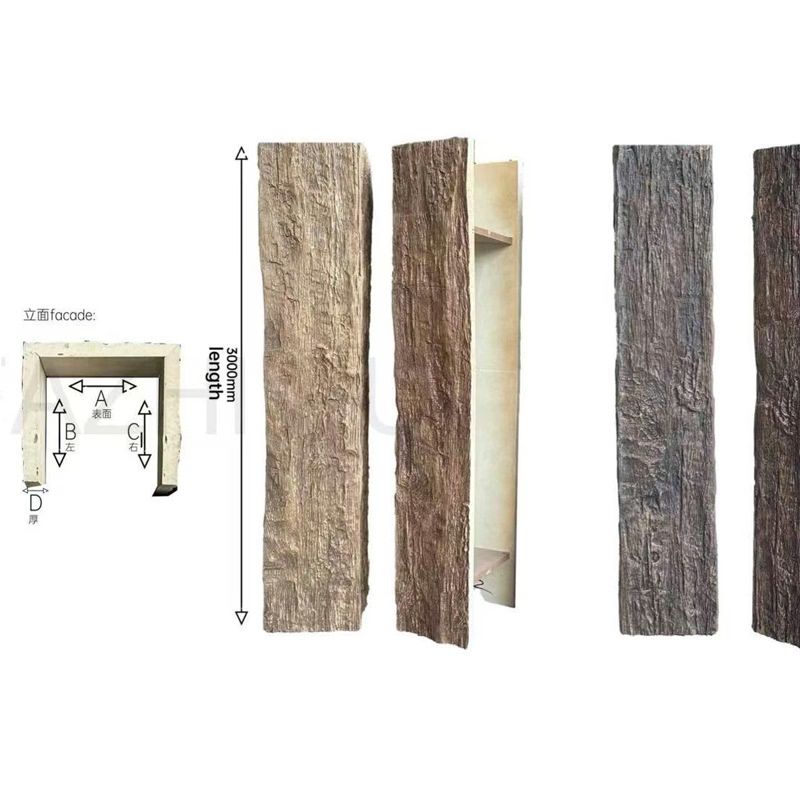
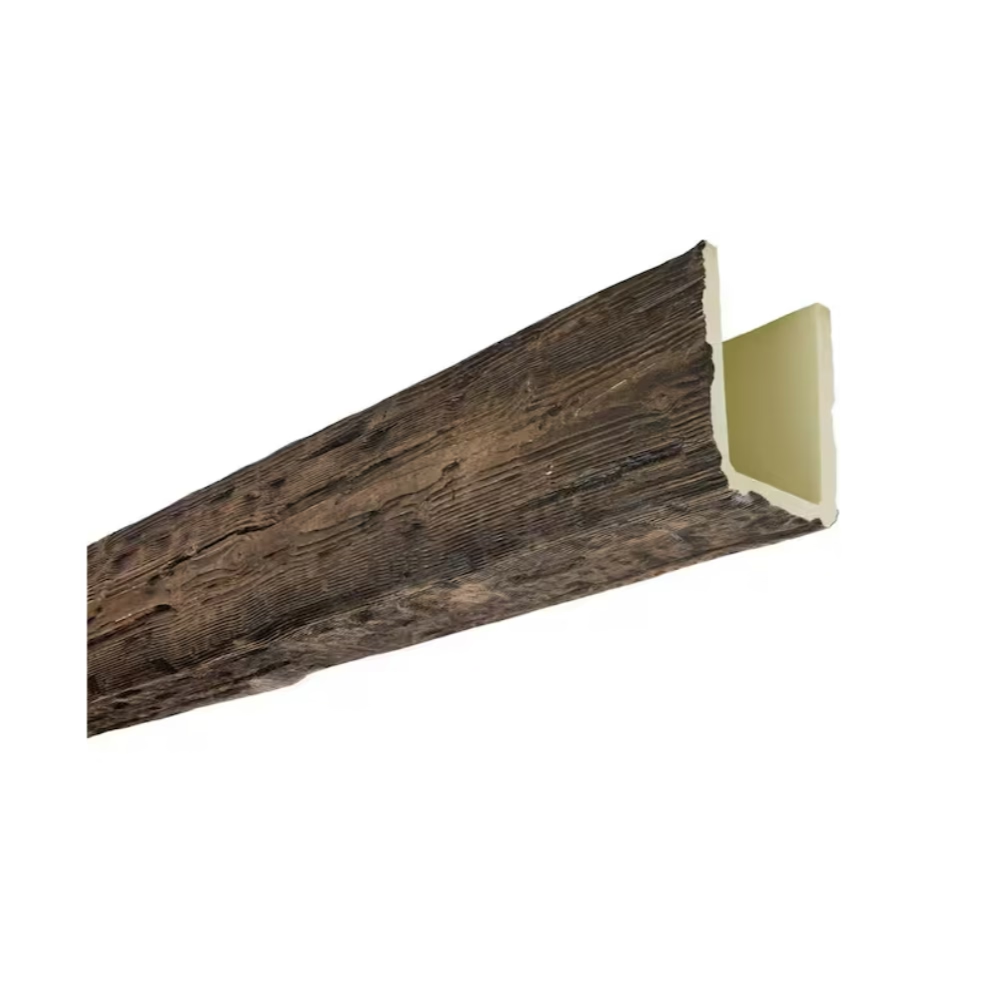
The pursuit of luxury in interior design increasingly leads toward darkness as designers and homeowners seek environments that create genuine emotional response. Where previous generations favored bright, expansive spaces that maximized perceived size, contemporary luxury often embraces depth, intimacy, and the concentrated atmosphere that darkness provides. This shift has elevated interest in wood tones at the extreme end of the color spectrum—ebony tones that approach black while maintaining the warmth and character that wood provides.
Ebony wood tone represents the ultimate expression of wood's potential for sophisticated darkness. Unlike painted black surfaces, ebony retains subtle warmth and grain character that suggests organic origins. Unlike lighter woods, ebony absorbs light rather than reflecting it, creating surfaces that recede visually and contribute to shadow-rich environments. This combination of depth and subtle life makes ebony particularly effective for luxury applications where ordinary treatments would seem insufficient.
Luxury ebony wood tone polyurethane faux beams translate these qualities to ceiling applications with practical advantages that genuine ebony cannot provide. Understanding what these products offer helps designers create spaces with genuine luxury rather than mere darkness.
The Nature of Ebony Wood Tone
Understanding ebony wood tone requires distinguishing it from mere black coloration. The difference lies in the subtle qualities that transform dark paint into wood appearance.
Warm undertones distinguish genuine ebony from flat black. Even the darkest samples retain brown or red undertones that prevent the cold, institutional feeling that pure black creates. These undertones emerge in certain lighting conditions, catching warm light and preventing the harsh appearance that synthetic black materials sometimes exhibit.
Grain character provides the texture that distinguishes wood from painted surfaces. Premium ebony-tone finishes maintain subtle grain patterns that catch light at varying angles, creating the visual complexity that wood provides. This grain visibility proves essential to achieving authentic wood appearance rather than merely dark coloration.
Surface depth in quality finishes creates the appearance of material rather than coating. Multiple stain applications and careful technique build layers that seem to emanate from within the wood rather than sitting on its surface. This depth distinguishes professional results from amateur attempts at dark wood finishing.
Design Philosophy for Ebony Spaces
Creating successful ebony-toned interiors requires understanding how darkness contributes to overall design quality. These principles guide appropriate beam specification and surrounding material coordination.
Intentional darkness serves specific purposes rather than simply appearing dark for its own sake. The absorption that ebony provides creates focus, intimacy, and sophistication that lighter environments cannot achieve. Understanding what darkness should accomplish guides all subsequent decisions about beam specification and surrounding treatment.
Contrast against lighter elements creates the hierarchy that prevents spaces from disappearing into uniform darkness. Ebony ceiling beams against light walls or ceilings establish visual boundaries that define space. This contrast should feel balanced rather than overwhelming, with neither dark nor light elements dominating inappropriately.
Material warmth throughout the space prevents ebony's darkness from feeling cold or austere. Leather, brass, warm fabrics, and natural textiles provide the counterbalance that sophisticated dark interiors require. Without these warmer elements, ebony spaces risk becoming stark rather than luxurious.
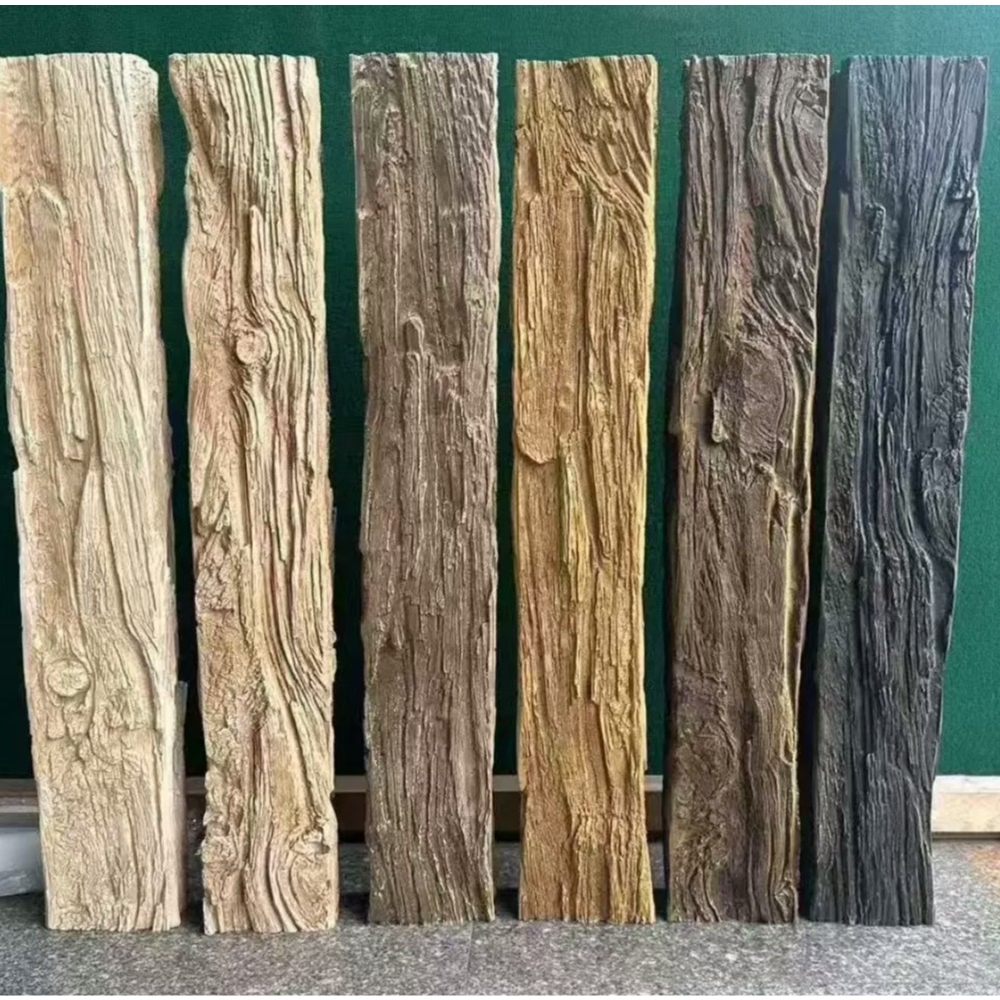
Residential Applications
Ebony wood tone faux beams serve various residential applications where sophisticated luxury justifies the dramatic treatment. Several space types particularly benefit from this bold approach.
Contemporary living spaces seeking distinctive character incorporate ebony beams as signature elements. The dramatic presence that these beams provide creates immediate visual interest, establishing spaces as deliberately designed rather than conventionally appointed. Combined with minimal surrounding details, ebony beams command attention appropriately.
Media rooms and home theaters benefit from the darkness that ebony beams contribute. The focused environment that darkness creates supports the concentrated attention that film viewing requires. Beams overhead add luxury without interfering with projection or screen visibility.
Adult retreats and private spaces accommodate the intimacy that ebony's darkness provides. Libraries, studies, and personal sanctuaries achieve the cocooning atmosphere that such spaces should offer. The beams' presence adds sophistication that elevates these rooms beyond ordinary treatment.
Commercial Applications
Hospitality and commercial venues pursue ebony treatments that create memorable environments for guests and customers. Several application categories particularly benefit from this dramatic approach.
Upscale bars and lounges use ebony beams to establish distinctive atmospheres that encourage lingering and return visits. The dramatic environment differentiates these venues from competitors with lighter, more conventional designs. Guests recognize the investment that such environments represent, associating the space with quality and refinement.
Boutique hotels incorporate ebony beams in public spaces and suites that seek to differentiate from chain competitors. The dramatic treatment creates memorable experiences that guests associate with the property, potentially influencing future booking decisions and recommendations.
Exclusive restaurants use ebony ceiling treatments to create intimate dining environments. The focused atmosphere encourages attention on food and company rather than surrounding distractions. Beams overhead add sophistication that elevates the dining experience above everyday eating.
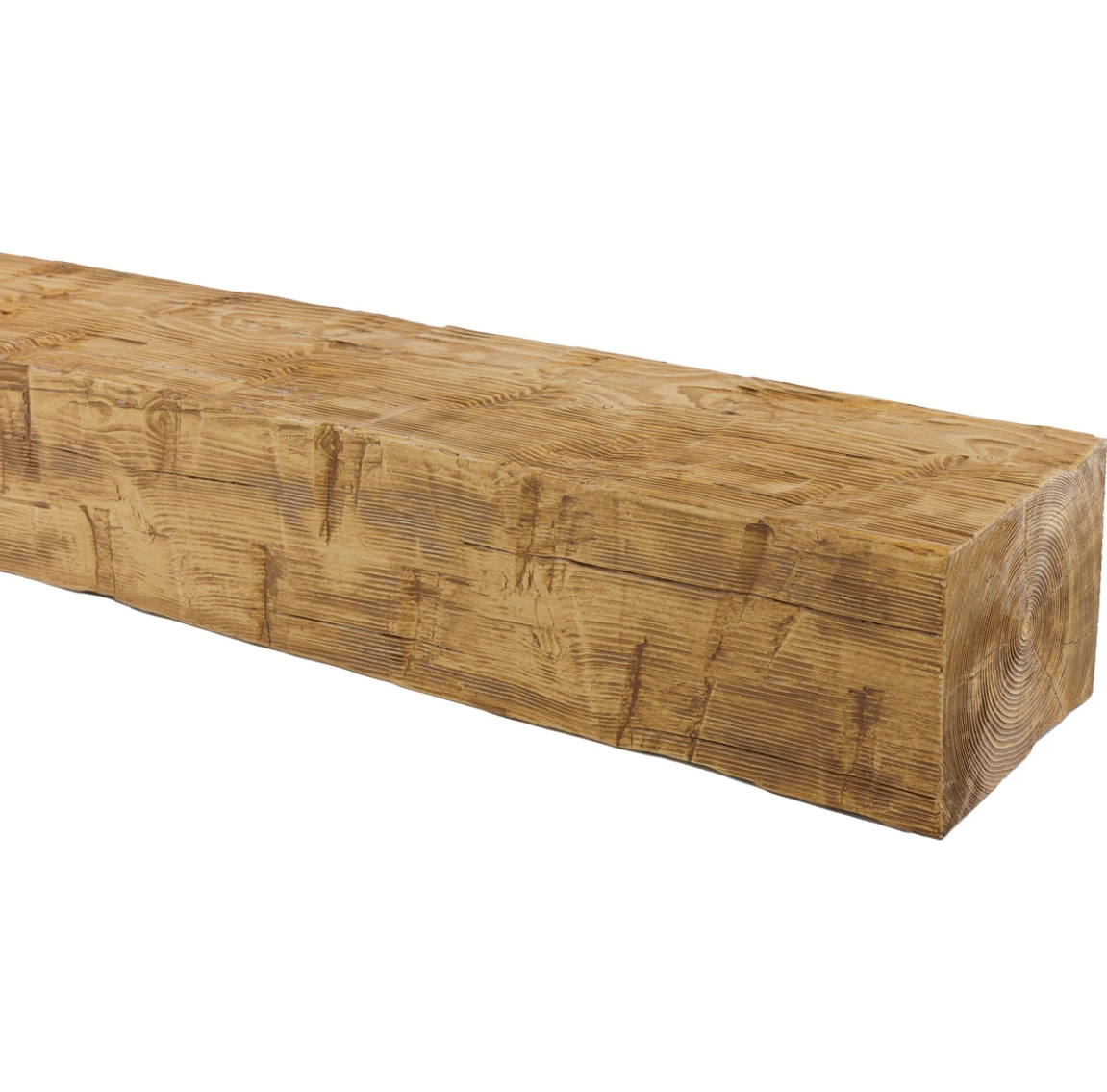
Technical Considerations
Achieving successful ebony-tone beam installations requires attention to technical details that affect appearance and performance. Several considerations guide appropriate specification and installation.
Finish quality varies substantially across manufacturers and product lines. Premium products use finishing techniques that build genuine depth and maintain subtle grain visibility. Lesser alternatives may achieve dark coloration without authentic wood appearance, appearing merely painted rather than finished.
Lighting integration affects how ebony beams perform visually throughout the day and evening. Fixtures positioned to graze beam faces create highlights that reveal grain character and surface depth. Diffuse general illumination that washes the ceiling uniformly misses the opportunity to showcase ebony's qualities.
Installation precision affects perceived quality more prominently with dark finishes than with lighter alternatives. Joint gaps, alignment errors, and installation damage show more clearly against dark surfaces. Quality installation ensures that beams present their best appearance without visible flaws.
Practical Performance
Polyurethane construction provides practical advantages that support long-term satisfaction with ebony beam installations. These benefits affect both installation and ongoing ownership.
Finish durability ensures that ebony's sophisticated appearance persists through years of service. UV-stable finishes resist the fading that would diminish dramatic impact over time. The foam substrate's dimensional stability prevents movement that might stress finishes and create visible damage.
Maintenance simplicity preserves dramatic appearance without demanding excessive attention. Dark surfaces show dust and debris less prominently than light surfaces, reducing cleaning frequency requirements. When cleaning proves necessary, mild detergent solutions suffice without concern for finish damage.
Consistency across installations ensures that all beams match perfectly, eliminating variation that natural materials would exhibit. This uniformity proves particularly valuable in larger installations where visual coherence matters. Replacement beams match original installations precisely.
Making the Ebony Decision
Choosing ebony-tone beams involves understanding both the dramatic impact they create and the coordination requirements they impose. Several factors guide appropriate decision-making.
Design intent should clearly call for the dramatic effect that ebony provides rather than merely darker environment than conventional alternatives. Spaces where ebony's presence serves specific atmospheric goals will succeed; those where darkness represents arbitrary preference may disappoint.
Coordination capability affects whether ebony installations will achieve their potential. The lighter walls, warmer furnishings, and considered lighting that ebony requires should be part of comprehensive design planning rather than afterthoughts added to existing schemes.
Investment level should account for both initial specification and ongoing maintenance that preserves dramatic impact. Premium finishes and quality installation cost more but produce better results that persist longer.
Luxury ebony wood tone polyurethane faux beams enable ceiling treatments that achieve genuine luxury through sophisticated darkness. For spaces where dramatic atmosphere justifies the investment, these products deliver.
Technical References
ASTM standards cited in every specification
Test Data
Lab results from internal testing program
Updated 2026
Reviewed against current product specs