The moment someone steps through your front door sets the tone for everything that follows. A well-designed foyer doesn't just welcome guests—it announces your aesthetic sensibility, your attention to detail, and your commitment to creating spaces that matter. Yet too many homeowners treat the entrance hall as an afterthought, focusing budget and attention on living rooms and kitchens while the gateway to their home remains visually unremarkable.
Luxury polyurethane faux beams offer a transformative solution that combines architectural drama with practical sensibility. These sophisticated ceiling treatments can turn an ordinary entryway into something that rivals the grandest hotel lobbies, all while respecting the structural limitations that often preclude using real timber in residential settings.
Understanding Faux Beam Construction and Materials
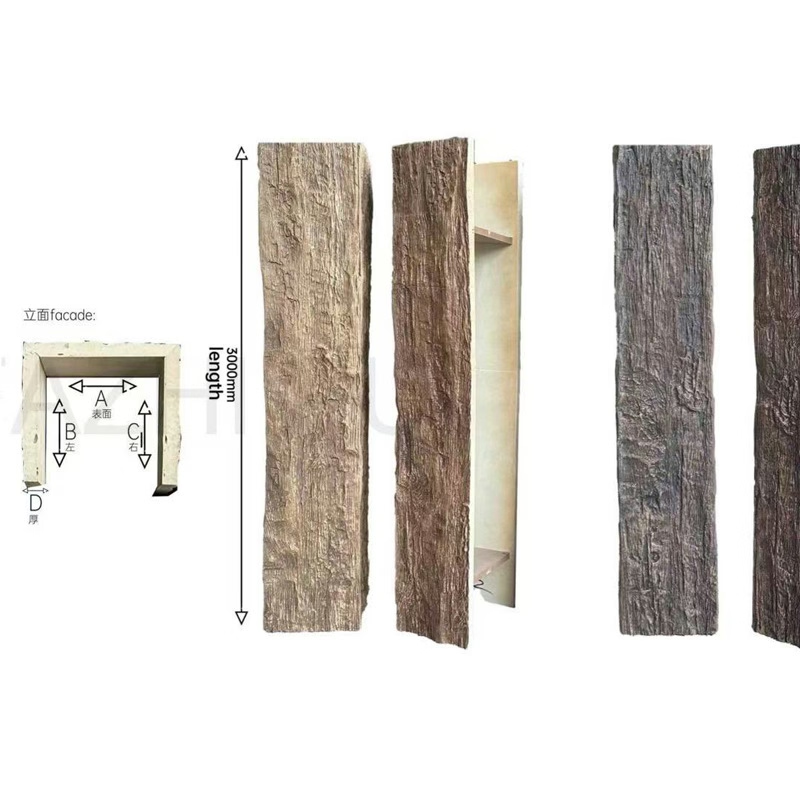
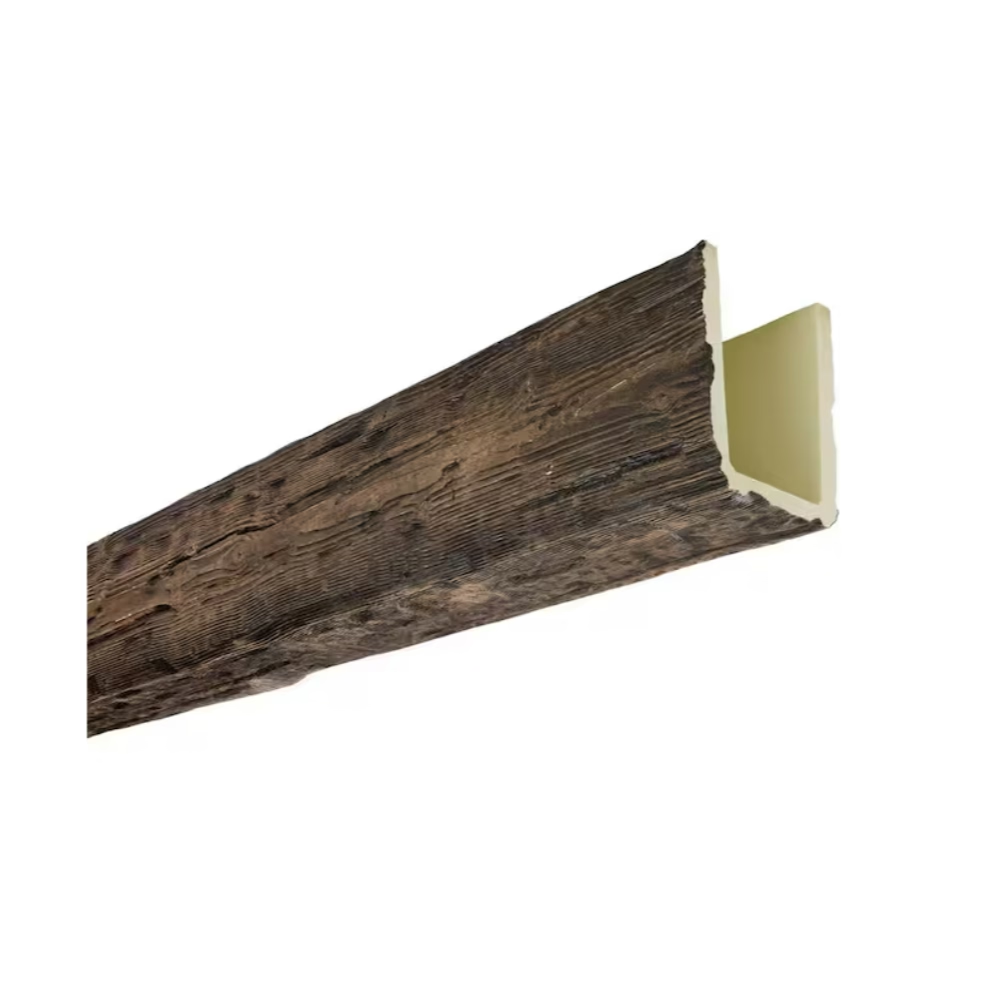
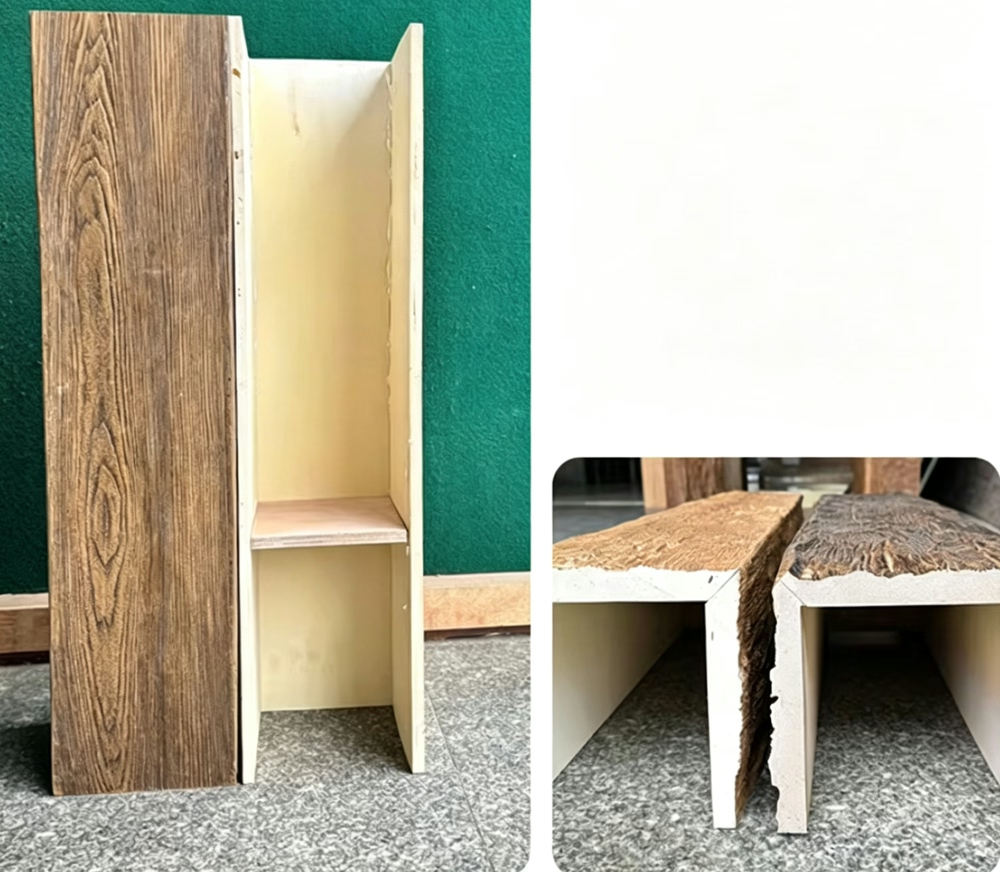
Modern polyurethane faux beams have evolved far beyond the cheap imitations of previous decades. Today's premium options feature remarkably realistic wood grain textures achieved through sophisticated molding processes that capture every knot, growth ring, and natural imperfection found in authentic timber. The polyurethane core provides structural stability while remaining significantly lighter than solid wood—often weighing just 1-2 pounds per linear foot compared to 8-12 pounds for genuine beams of similar dimensions.
The manufacturing process begins with detailed molds taken from real wood samples, ensuring that the texture and character translate faithfully into the polyurethane matrix. High-density urethane formulations resist moisture absorption, temperature fluctuations, and insect damage in ways that natural wood simply cannot match. For foyer applications, where the ceiling might be exposed to humidity from opening and closing exterior doors, this dimensional stability proves invaluable.
Surface finishes range from smooth contemporary profiles to heavily distressed rustic textures. Some manufacturers offer hand-painted options that simulate specific wood species—golden oak, rich walnut, or weathered barn timber—while others provide primed surfaces ready for custom painting to coordinate precisely with your color scheme. The versatility in styling means these beams adapt equally well to traditional colonnades and minimalist modern entries.
Designing Your Foyer with Faux Beams
The architectural style of your foyer should guide beam selection and placement. For Mediterranean or Spanish Colonial Revival homes, consider heavy timber-look beams with deep shadows and pronounced grain. These substantial elements anchor the space and provide visual weight that complements wrought iron fixtures and terracotta tile floors. Install them exposed with corbels at regular intervals to suggest genuine structural timber that has been lovingly maintained for generations.
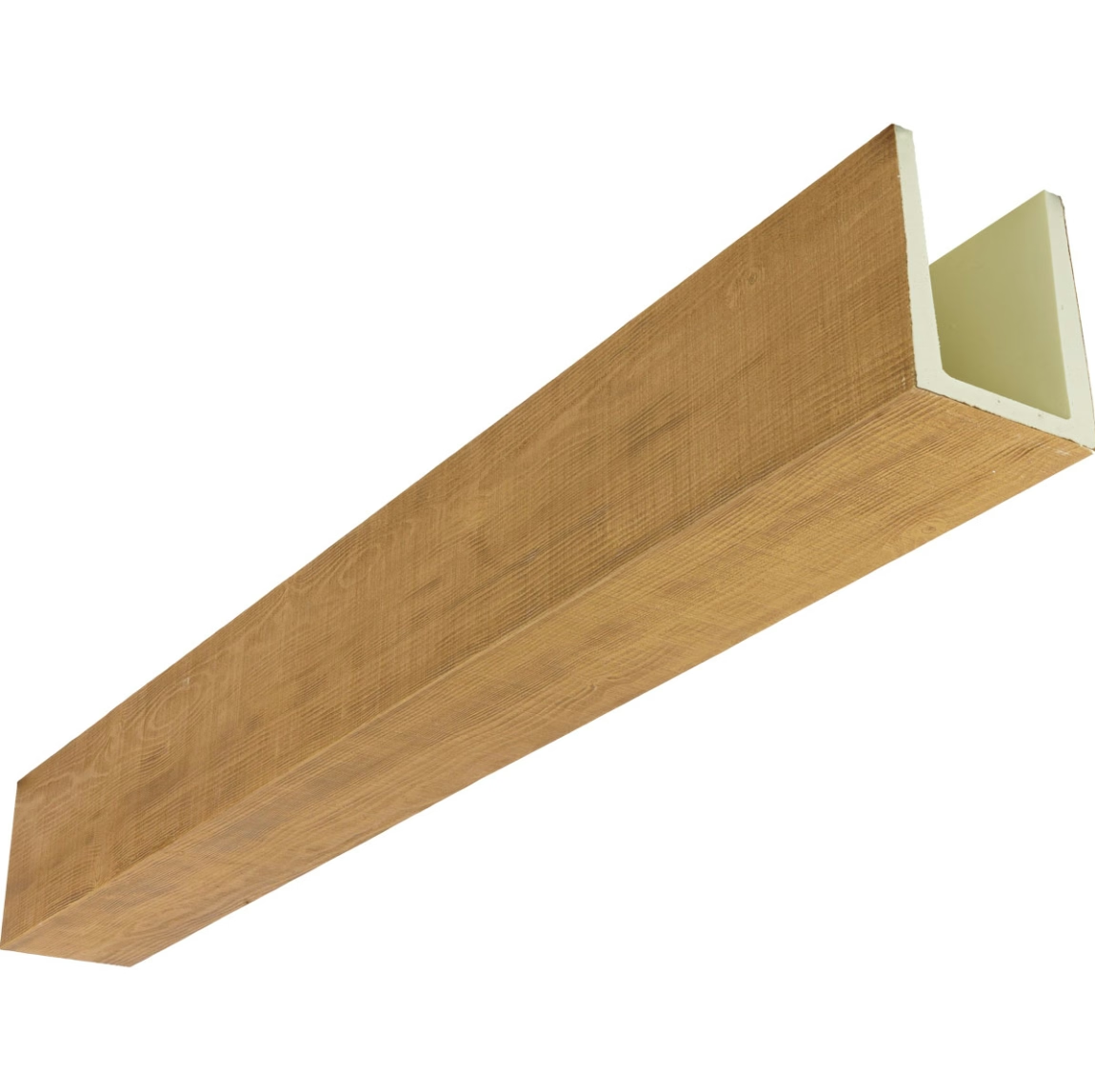
Contemporary and transitional foyers benefit from cleaner profiles—perhaps a simple box beam or a sleek V-groove design that adds interest without overwhelming the space. In these settings, beams can run perpendicular to visible ceiling joists to create an intentional architectural feature rather than trying to hide structural elements. The result feels designed rather than accidental, with the beams functioning as decorative ceiling sculpture.
Colonial and Georgian-influenced interiors call for more formal arrangements. Symmetrical coffered ceilings using faux beams create dramatic visual impact while honoring period-appropriate aesthetics. Consider adding crown molding at the beam intersections to elevate the formality. The coffers themselves can remain flat-painted to recede visually, while the beams receive a subtle highlight treatment that emphasizes their three-dimensional presence.
Installation Considerations for Foyer Applications
Faux beams attach to existing ceiling structures using a combination of mounting brackets, adhesive, and screws where they can be concealed. The lightweight nature of polyurethane means standard ceiling joists can support extensive beam installations without the reinforcement that real timber would require. This opens possibilities for dramatic cathedral ceilings in foyer spaces that would otherwise need expensive structural engineering.
Professional installation ensures proper support and seamless joints between beam sections. In foyers, where sight lines from the front door often reveal the entire ceiling, clean transitions between pieces matter enormously. Experienced installers understand how to handle corners, manage light fixtures, and integrate beams around ceiling medallions for chandeliers. The investment in professional fitting pays dividends in a polished final appearance.
For DIY-minded homeowners, many beam manufacturers offer detailed installation guides and can supply the necessary mounting hardware. Single-story foyers with flat ceilings present the most accessible projects, while two-story entries with dramatic vaulted ceilings benefit significantly from professional assessment and installation.
Lighting Integration and Atmosphere
The interplay between beams and lighting defines the ambiance of your foyer after dark. Recessed fixtures can wash light across beam surfaces, emphasizing texture and creating gentle shadows that suggest age and authenticity. For more dramatic effect, position track lighting or directional pendants to graze the beams at shallow angles—this technique reveals every grain detail and makes the beams appear genuinely three-dimensional.
Consider how natural daylight interacts with your beam installation throughout the day. South-facing foyer windows may cast moving patterns across the beams, creating subtle animation as sun angles shift. This dynamic quality rewards thoughtful placement: position beams where morning light from east windows will illuminate them dramatically, or where afternoon western light creates warm golden highlights.
Chandelier and pendant placement requires coordination with beam locations. Center-mounted fixtures typically align with room symmetry, while off-center placements can create intentional asymmetry that feels curated rather than accidental. Some designers route electrical wiring through hollow faux beams, concealing all conduit for a clean installation that appears to float without visible support.
Long-Term Value and Maintenance
Unlike real wood beams that may require periodic sealing, staining, or pest treatment, polyurethane faux beams maintain their appearance with minimal intervention. Occasional dusting or gentle cleaning with a damp cloth keeps them looking fresh. The material resists staining from water exposure, making it suitable for foyers where wet footwear might spray snowmelt or rain onto lower beam surfaces.
The initial investment in quality faux beams often proves more economical than real timber when considering total lifecycle costs. Real beams require ongoing maintenance, may develop cracks or splits over time, and face potential insect damage even with chemical treatment. Premium polyurethane carries no such concerns, providing decades of beauty with essentially zero maintenance beyond normal cleaning.
For homeowners planning eventual resale, faux beams add architectural interest that appeals to buyers seeking move-in ready sophistication. The realistic appearance satisfies aesthetic demands while the practical benefits—lightweight, moisture-resistant, pest-proof—provide confidence in construction quality.
Budget Planning and Material Sourcing
Costs for polyurethane faux beams vary significantly based on profile complexity, surface finish quality, and dimensional requirements. Basic rectangular profiles with smooth finishes start at economical price points, while intricately textured beams with premium hand-painted finishes command higher rates. Custom colors, non-standard dimensions, and architectural-grade finishes for commercial applications increase costs proportionally.
Plan for approximately 15-20% additional material beyond measured ceiling dimensions to account for cuts, waste, and potential damage during installation. Professional installation typically runs 25-40% of material costs for straightforward projects, though complex multi-level foyer configurations may require higher labor allocations.
Working with established manufacturers ensures consistent quality and availability of matching accessories—corners, beam caps, corbels, and mounting hardware designed specifically for each beam profile. Batch variations in surface texture and color occur in natural materials but should not affect polyurethane products from the same production run.

The foyer sets expectations before visitors even fully enter your home. By incorporating carefully selected faux beams, you create an entrance that communicates intention and sophistication. These architectural elements reward both immediate visual impact and long-term practical benefits—a combination that defines truly considered interior design.
Modern manufacturing has eliminated the artificial appearance that once limited faux beams to budget-conscious applications. Today's premium options stand alongside the finest architectural details, bringing timeless wood aesthetics into spaces where real timber would prove impractical. Your foyer deserves this level of consideration.
Climate Considerations and Material Performance
Foyer environments present unique challenges for ceiling materials due to frequent temperature swings and humidity fluctuations. When exterior doors open during winter months, warm interior air mixes with cold exterior air, creating temporary humidity spikes and condensation potential. Polyurethane's closed-cell structure resists moisture absorption, preventing the swelling, warping, and checking that plagues natural wood in similar conditions.
In regions with extreme seasonal variations, faux beams provide consistency that real timber cannot match. A beam installed in a Minnesota foyer must endure temperature swings from negative twenty Fahrenheit in winter to sweltering summer humidity—all while the foyer experiences constant traffic and associated moisture. Polyurethane tolerates this thermal cycling without dimensional changes that would eventually telegraph through paint finishes or create gaps at joints.
Sunlit foyer entrances face additional UV exposure challenges. Premium faux beam manufacturers incorporate UV inhibitors into their formulations, protecting both the structural core and surface finishes from degradation. This UV stability means your beams maintain color consistency even when installed directly beneath skylights or sun-facing clerestory windows.
Matching Beams to Existing Architectural Elements
Successful foyer designs coordinate beam selection with surrounding details—door casings, window trim, staircase railings, and wall paneling. Rather than matching wood species exactly, consider creating complementary contrast. A foyer with painted white trim might feature rich walnut-toned beams that provide warmth without competing with architectural moldings. Conversely, a foyer with dark mahogany stair components could showcase lighter oak-finish beams for visual breathing room.
Corbel and bracket selections significantly impact overall aesthetic coherence. Heavy brackets suit substantial beam profiles in rustic or traditional settings, while minimal steel connectors align better with contemporary design sensibilities. Some designers eliminate decorative supports entirely, creating floating beam illusions that emphasize clean lines and geometric precision.
Consider the relationship between beam direction and other horizontal elements in the foyer. Running beams parallel to a staircase handrail creates visual alignment, while perpendicular beams introduce dynamic tension. Neither approach is universally correct—the appropriate choice depends on your specific architectural context and the mood you wish to establish.
Seasonal Decorating and Beam Styling
Faux beams accommodate seasonal decorating with flexibility that real timber often resists. Paintable surfaces accept temporary color washes for holiday themes—soft gold for autumn celebrations, crisp white for winter wonderlands, fresh greens for spring arrivals. The ability to change treatments seasonally keeps your foyer feeling current without permanent commitment.
Permanent styling options include wrapping beams with garland for the holidays, hanging small decorative items from exposed surfaces, or incorporating uplighting effects for special occasions. Unlike real wood that may be damaged by repeated fastener insertion, polyurethane accepts hanging hardware without splitting or structural compromise.
Year-round styling might incorporate subtle texture through hand-forged iron hangers, woven natural fiber accents, or carefully curated vintage pieces displayed along beam spans. These touches add personality while respecting the architectural integrity of the installation.

The foyer represents your home's first impression—make it memorable with architectural details that reward close inspection. Faux beams deliver visual impact, practical durability, and design flexibility in a single package that transforms ordinary entrances into welcoming statements.
Whether you're renovating a historic property where real timber would be historically accurate but structurally challenging, or building new construction that deserves architectural refinement without engineering complexity, polyurethane faux beams deserve serious consideration. Their time has come, and your foyer awaits transformation.
Technical References
ASTM standards cited in every specification
Test Data
Lab results from internal testing program
Updated 2026
Reviewed against current product specs