The ceiling plane receives less design attention than walls and floors, yet it occupies the largest visible surface in most rooms. This relative neglect represents a missed opportunity, particularly in high-end renovations where discriminating homeowners seek environments that exceed expectations in every dimension. An impressive floor, handsome furniture, and beautiful wall treatments lose impact when viewed against an anonymous ceiling that offers nothing to engage the eye.
Ceiling beams address this imbalance by introducing architectural complexity that draws attention upward and creates visual reward at every glance. The shadows they cast, the texture they provide, and the sense of craftsmanship they convey transform ceiling treatment from afterthought to focal point. In villa-style interiors, where ceiling height often represents the most dramatic spatial characteristic, beam installations prove particularly impactful.
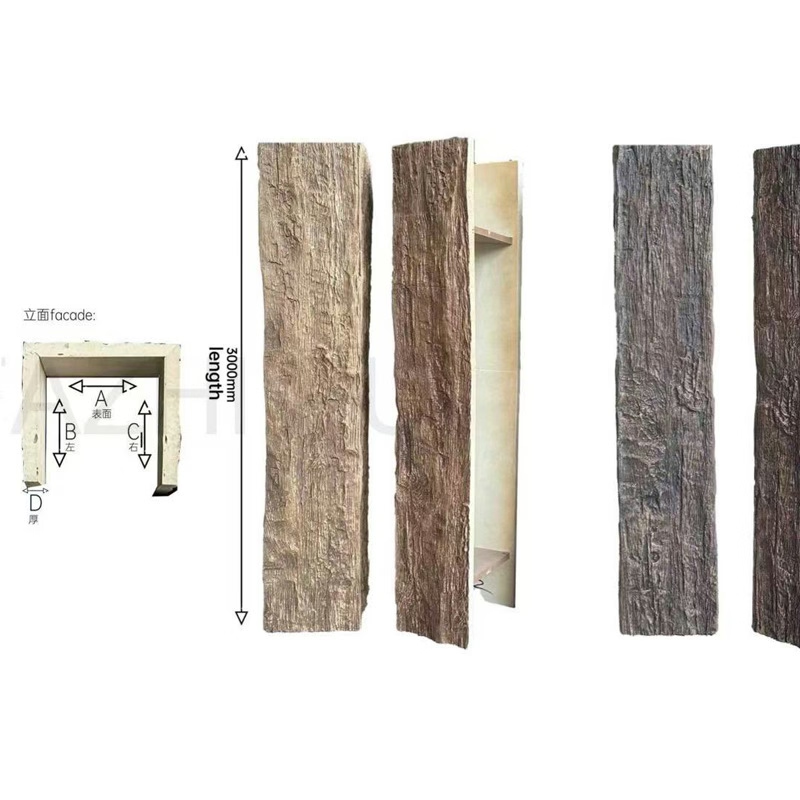
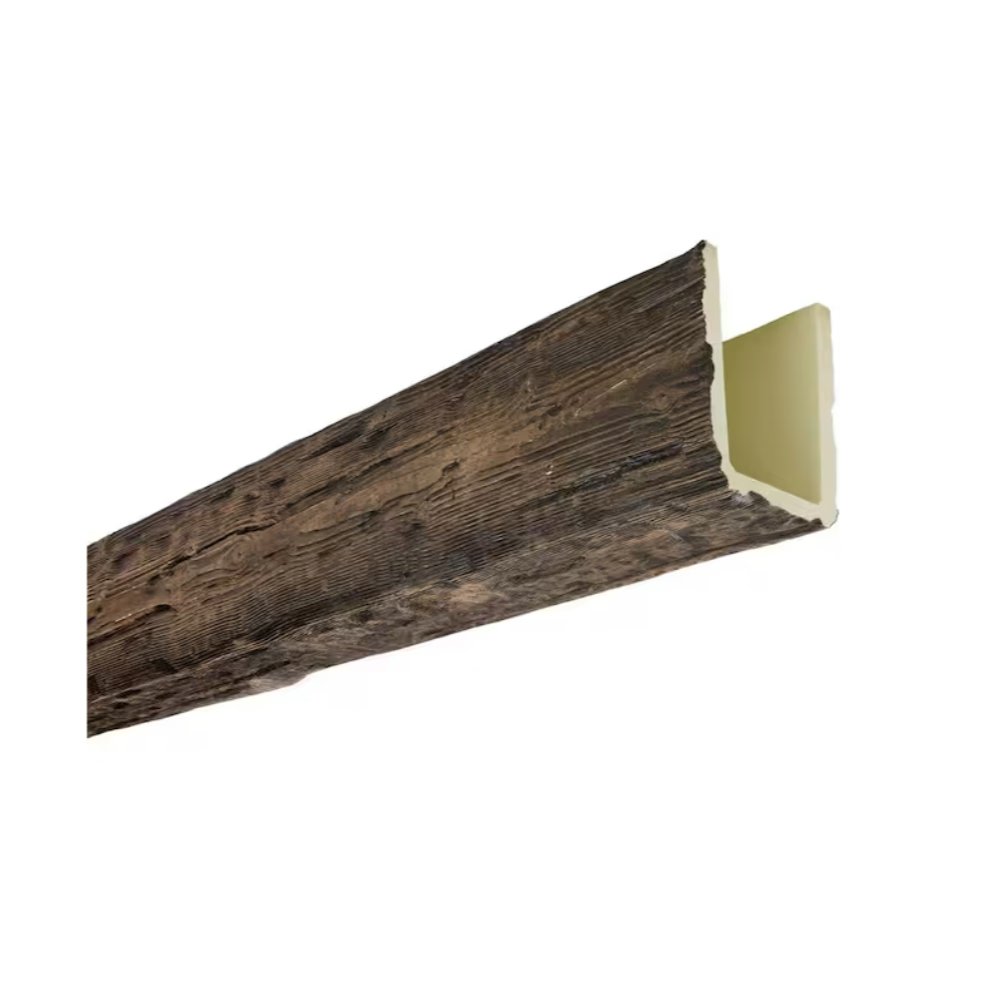
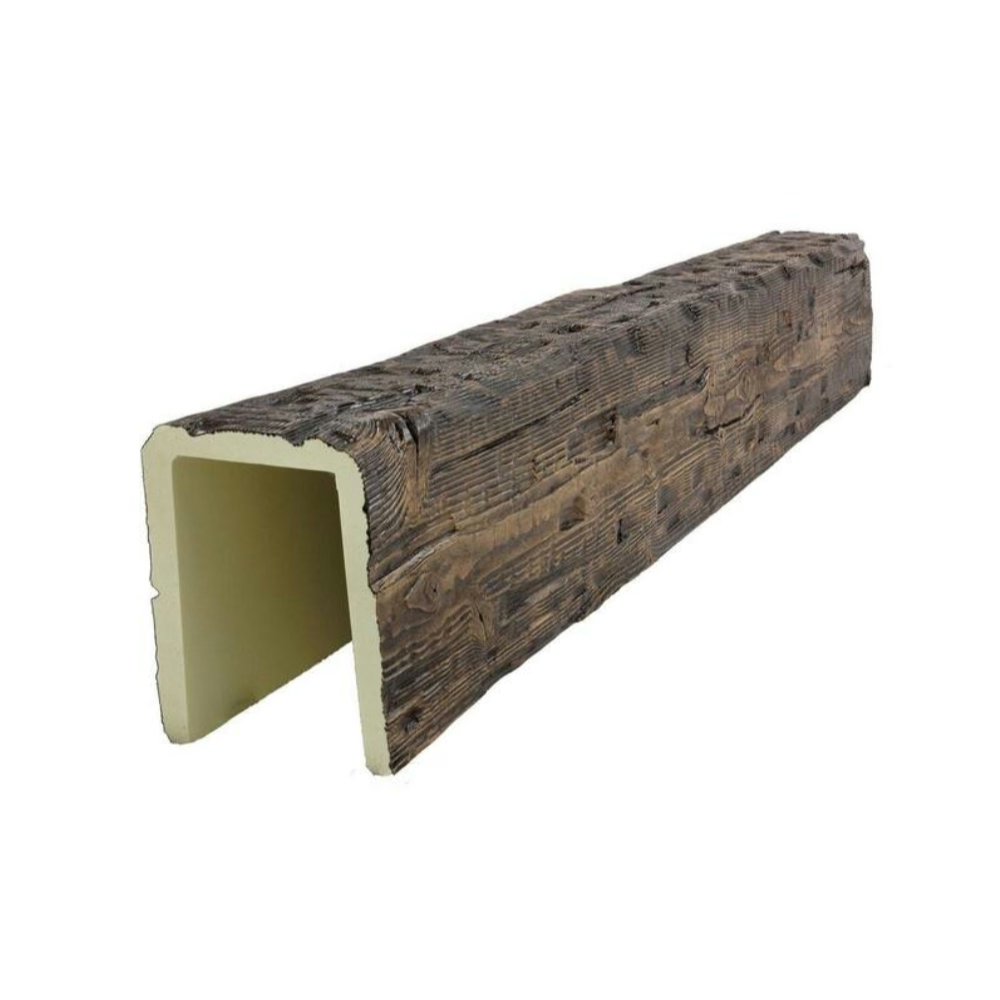
Polyurethane faux ceiling beams make these transformations accessible to contemporary construction without the structural compromises that real timber often requires. The lightweight nature, consistent quality, and remarkable visual fidelity of modern materials enable installations that would have been impossible or impractical with traditional approaches.
Understanding Ceiling Beam Types and Applications
Ceiling beams serve multiple architectural functions that influence their selection and placement. Structural beams in original construction bore loads from floors above or roof structures, their presence reflecting genuine engineering requirements. Decorative beams, whether original or added later, simulated structural presence without carrying loads—purely aesthetic interventions that created visual interest.
Contemporary faux beams fall exclusively into the decorative category, eliminating structural concerns that would complicate installation. This categorization liberates designers to specify beams purely for visual effect, placing them where they create maximum impact rather than where building structure demands.
Common ceiling beam configurations include exposed joist systems where parallel beams follow ceiling joist direction, creating rhythmic repetition; cross-beam arrangements with perpendicular primary and secondary members forming grid patterns; and cantilevered installations where beams terminate against walls without structural support. Each configuration produces distinct visual effects suited to different spatial requirements and aesthetic goals.
Scale Relationships in High-Ceiling Spaces
Villa interiors typically feature ceiling heights exceeding standard residential dimensions, creating spatial volumes that demand proportionally scaled architectural elements. A beam that reads appropriately in an eight-foot ceiling becomes insignificant in a twelve-foot space, requiring larger dimensions to achieve equivalent visual impact.
Planning requires careful measurement and proportion analysis before committing to specific beam sizes. Calculate visual weight based on beam depth relative to ceiling height, the apparent width compared to room dimensions, and the shadow depth created by projection from the ceiling plane. These factors combine to determine whether beams will dominate, complement, or disappear into the ceiling composition.
Professional designers often create scaled drawings or digital models that simulate beam appearance before installation. These visualization tools reveal proportion problems that two-dimensional images cannot capture, allowing adjustments before commitment. Homeowners undertaking independent projects might rent boom lifts to view ceilings at scale, standing at normal viewing angles to assess how beams will actually read in the completed space.
Installation Approaches for Existing Construction
Renovating existing villas presents installation challenges that new construction avoids. Ceiling conditions vary based on construction era, previous modifications, and current condition. Successful beam installation requires assessment and planning that accounts for these variables.
Begin with structural evaluation—determine whether existing ceiling can support any added weight, even lightweight faux beams. Though polyurethane weighs far less than timber, installers should verify that mounting surfaces are sound and fasteners will hold reliably. Address any structural deficiencies before proceeding with beam installation.
Surface preparation ensures proper adhesion and secure attachment. Remove existing ceiling treatments that might compromise mounting, repair damaged surfaces, and ensure the ceiling plane is clean and dry. Painted surfaces may require sanding or priming to achieve adequate bond strength for adhesive attachment.
Coordinate beam installation with other renovation work. Painting, electrical work, and finish carpentry should either precede or follow beam installation in logical sequence, avoiding situations where beams obstruct access or construction activities damage finished beam surfaces.
Creating Visual Rhythm and Pattern
Ceiling beams contribute to spatial experience through the patterns they establish. Regular spacing creates mechanical precision suited to contemporary and minimal traditional interiors. Varied spacing introduces organic rhythm that feels more natural, suggesting traditional construction where spacing followed functional rather than aesthetic logic.
Consider beam direction relative to room geometry. Beams running perpendicular to the longest wall create visual recession, making spaces feel deeper. Parallel orientation compresses width while extending length perception. Diagonal installation creates dynamic energy appropriate for casual or eclectic interiors but may feel restless in formal settings.
The intersection of multiple beam directions creates focal points that anchor spatial composition. Herringbone patterns, radial arrangements, and grid crossings all draw attention to specific ceiling locations. Position these intersections above key furniture groupings or room centers to reinforce intended spatial organization.
Lighting Integration Strategies
Light and ceiling beams share an intimate relationship—the shadows cast by beams define their presence as much as the beams themselves. Successful lighting design enhances beam character rather than simply illuminating the ceiling plane.
Uplighting, where fixtures positioned on walls or floors wash light upward, creates dramatic shadow patterns beneath beams. This approach emphasizes texture and depth but may prove too theatrical for everyday living spaces. Task lighting integrated into beam surfaces provides functional illumination while maintaining clean ceiling lines.
Consider the interplay between natural and artificial light throughout the day. South-facing rooms experience moving sun patterns that animate ceiling surfaces, while north-facing spaces maintain more consistent lighting that emphasizes static beam geometry. Artificial lighting should complement natural patterns rather than fighting them.
Material Coordination with Floor and Wall Treatments
Ceiling beams exist in visual relationship with all other room surfaces. The material palette established by flooring, wall treatments, and millwork should inform beam selection to create coherent interior composition.
In villa-style interiors, warm material tones typically dominate—honey woods, terracotta tiles, painted plaster in warm neutrals. Beams should contribute to this warmth without overwhelming adjacent surfaces. Consider tonal values rather than exact matching: beams slightly darker or richer than flooring create depth through value contrast, while overly light beams may recede inappropriately.
Wall surface treatment affects beam integration. Textured wall surfaces—rough plaster, stone cladding, or embossed panels—accommodate beams with substantial visual presence. Smooth wall finishes require more delicate beam treatment to avoid competing for attention. The transition between beam and wall often benefits from trim elements that create clean visual separation.
Acoustic Enhancement Through Beam Design
Ceiling beams affect room acoustics in ways that complement visual design. The dimensional interruptions they create scatter sound reflections, reducing echo and controlling reverberation in large spaces. This acoustic benefit occurs naturally through beam installation but can be enhanced through deliberate design choices.
Open-beam configurations with visible ceiling planes above create more live acoustics suited to casual conversation and music listening. Enclosed beam systems with ceiling panels above produce more controlled environments suitable for media rooms and formal dining. The choice depends on primary room function and acoustic preferences.
Some polyurethane beam manufacturers offer acoustic-rated products with integrated sound-absorbing properties. These specialized options address reverberation concerns while maintaining the visual character of exposed beam installations, providing acoustic treatment without compromising design intent.
Professional Versus DIY Installation
Ceiling beam installation ranges from straightforward to highly complex depending on configuration complexity, ceiling height, and integration requirements. Honest assessment of capabilities protects both the project and the installer.
Single-run installations on flat ceilings with moderate heights present accessible projects for experienced DIYers comfortable working at elevation. Standard mounting hardware and adhesive systems simplify attachment, though proper preparation and attention to alignment remain essential.
Multi-directional installations, vaulted ceilings, and configurations requiring custom cutting or fitting benefit significantly from professional installation. Craftspeople with beam installation experience understand handling techniques that prevent damage, cutting methods that preserve finish quality, and alignment strategies that ensure consistent results across complex geometries.
Maintenance-Free Ceiling Design
One of polyurethane's most compelling advantages is its resistance to the degradation that affects natural wood. Ceiling beams positioned high enough to be beyond casual reach benefit from this durability—maintenance that requires scaffolding or lifts becomes impractical, making maintenance-free materials essential.
Dust accumulation, the primary aesthetic concern for ceiling installations, deposits uniformly on beams and surrounding surfaces. Regular dusting during routine ceiling cleaning maintains appearance without specialized treatment. Spider webs, a particular concern in high-ceiling spaces, accumulate less noticeably on textured beam surfaces that may discourage web construction.
Staining from water exposure, a common problem with ceiling elements near plumbing or exterior envelope issues, affects polyurethane minimally. Moisture that would cause warping, discoloration, or mold growth in natural wood beads on polyurethane surfaces without absorption, allowing cleanup without lasting damage.

High-end villa renovation demands attention to every surface, including the ceiling plane that completes spatial experience. Faux ceiling beams transform anonymous overhead space into architectural feature, creating the visual complexity and material richness that distinguish exceptional interiors from merely competent ones.
The investment in quality beams and professional installation returns through daily enjoyment of spaces that reward attention and create the atmosphere that justifies premium real estate values. Your ceilings deserve this level of consideration.
Coordinating with Existing Millwork
Villas and luxury homes typically feature substantial millwork packages—crown molding, door casings, window trim, and built-in casework that establish architectural character. Beam installations should harmonize with this existing vocabulary rather than introducing conflicting elements.
Analyze existing millwork proportions, profiles, and finishes. Heavy, ornate moldings suggest correspondingly substantial beam treatment with substantial depth and perhaps decorative end caps. Lighter, simpler trim may pair better with thinner beam profiles or cleaner geometric shapes. The goal is visual compatibility, not exact matching.
Finish coordination deserves particular attention. Natural wood trim establishes species expectations that beam finishes should complement rather than contradict. Warm-toned trim suggests warm-toned beams; cool-toned painted trim may call for painted beam treatment in coordinating colors.
Climate-Responsive Design
Villa properties exist across varied climate zones, each presenting distinct challenges for interior materials. Temperature fluctuations, humidity variation, and seasonal weather patterns all affect how materials perform and age.
In humid coastal environments, natural wood swells, warps, and may develop mold or rot despite protective treatment. Polyurethane's resistance to moisture absorption provides reliable performance where timber struggles. Beach villas, pool houses, and outdoor-adjacent living spaces benefit particularly from this environmental stability.
Temperature extremes affect materials differently. Cold climates create condensation risks when warm interior air meets cold ceiling surfaces—a particular concern for unheated vacation properties. Polyurethane tolerates these temperature differentials without the moisture-related problems that affect natural wood, maintaining appearance and structural integrity through freeze-thaw cycles.
Long-Term Investment Considerations
Quality renovations represent significant financial commitments that merit consideration of long-term value. Beam installations should contribute to property value rather than simply consuming budget for immediate aesthetic benefit.
Classic beam designs that coordinate with timeless architectural styles provide better long-term value than trendy treatments that may date quickly. Neutral finishes that accommodate changing color palettes also prove more flexible than bold color commitments that limit future styling options.
The maintenance-free nature of polyurethane faux beams contributes to long-term value by eliminating ongoing treatment costs. Budget for periodic professional cleaning if desired, but recognize that unlike natural wood, polyurethane requires no sealing, staining, refinishing, or repair due to natural degradation.
Custom Fabrication Options
Standard beam profiles serve most applications admirably, but some projects require custom approaches that catalog products cannot provide. Custom fabrication opens possibilities for unique dimensions, specialized profiles, and proprietary finishes.
Custom-molded beams can capture exact architectural details from existing millwork, ensuring new beams integrate seamlessly with established vocabulary. Matching specific profiles from historic buildings or unique trim details requires mold-making capabilities that specialist manufacturers provide.
Non-standard dimensions sometimes prove necessary for architectural reasons. Oversized beams create dramatic impact in grand spaces, while undersized options serve as decorative trim elements or wall-mounted applications. Custom extrusion or fabrication expands available options beyond catalog limitations.
Seasonal Decorating with Ceiling Beams
Ceiling beams provide anchoring points for seasonal and holiday decorating that extends festive atmosphere throughout the living environment. The structural presence of beams supports hanging elements without ceiling damage or specialized hardware.
Holiday installations often incorporate lighting runs along beam spans—string lights, garland, or specialized architectural lighting that transforms the ceiling plane for seasonal occasions. Removable attachment methods allow installation and removal without leaving permanent marks or requiring professional assistance.
Year-round styling might include hanging botanical installations, decorative objects displayed on beam surfaces, or fabric treatments that soften architectural geometry. The beam plane becomes part of the overall design composition rather than simply ceiling structure.

Luxury villa renovation with polyurethane faux ceiling beams represents thoughtful investment in living environment quality. The transformation from ordinary ceiling to architectural feature creates daily rewards through enhanced spatial experience and the sense of crafted attention that distinguishes exceptional homes.
Approach your renovation with confidence that beam installation provides immediate gratification and long-term satisfaction. The ceilings will serve you well through years of enjoyment without demanding the maintenance attention that natural alternatives would require.
Technical References
ASTM standards cited in every specification
Test Data
Lab results from internal testing program
Updated 2026
Reviewed against current product specs