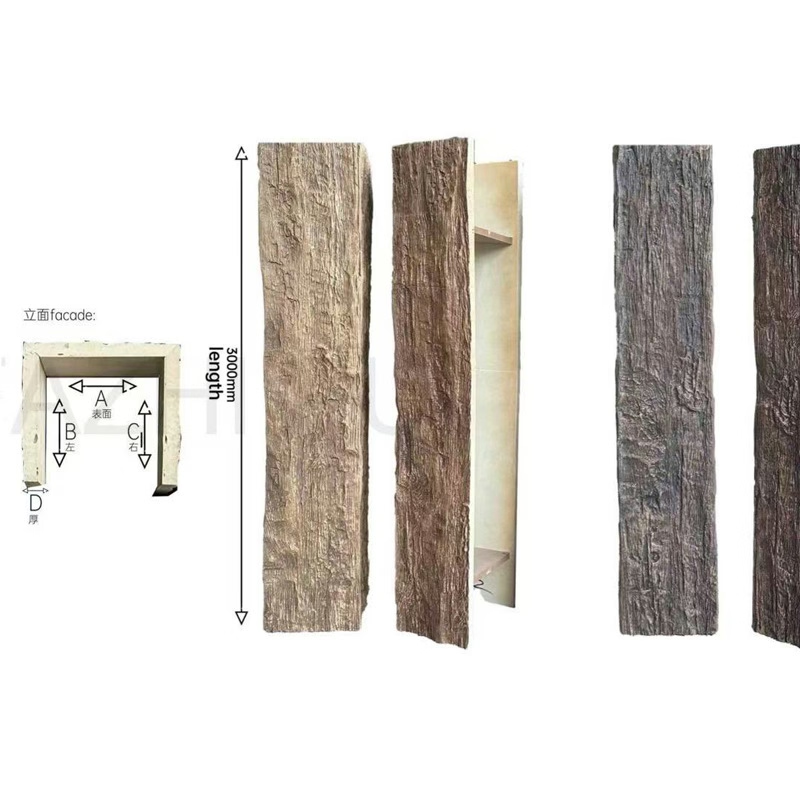
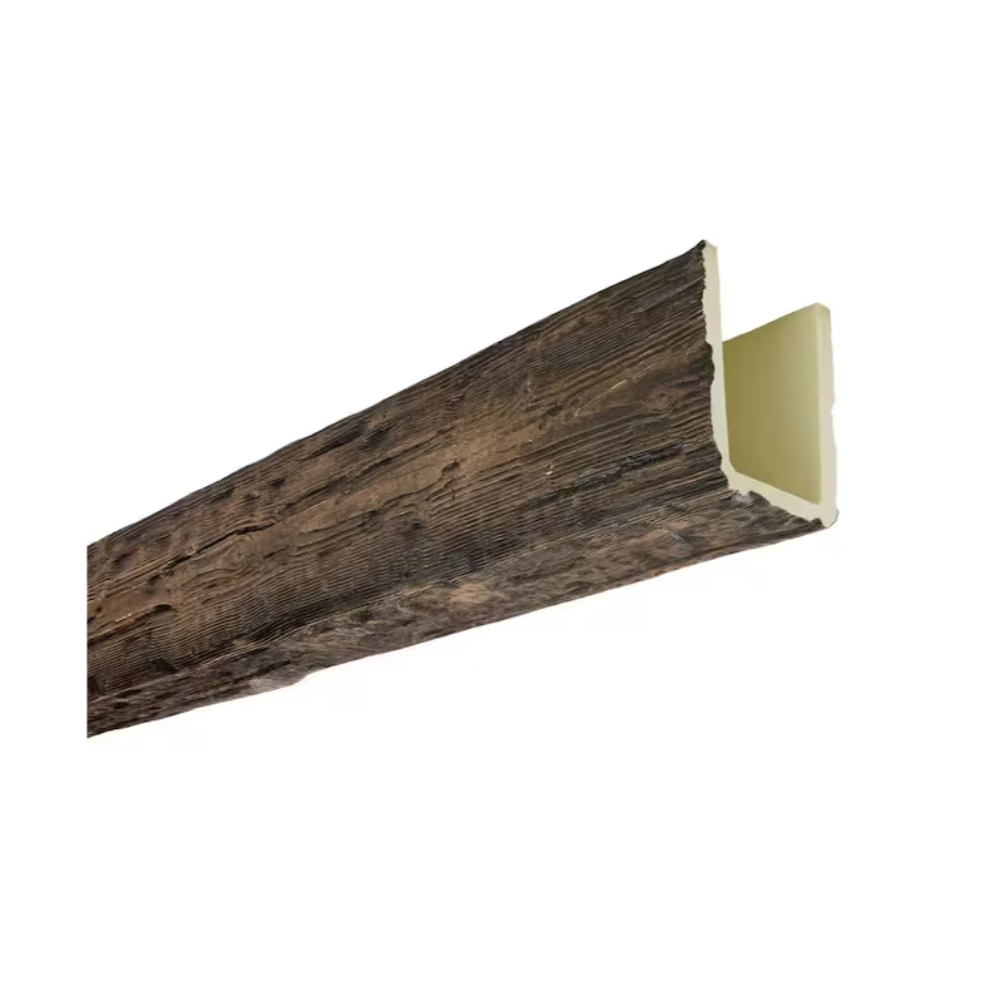
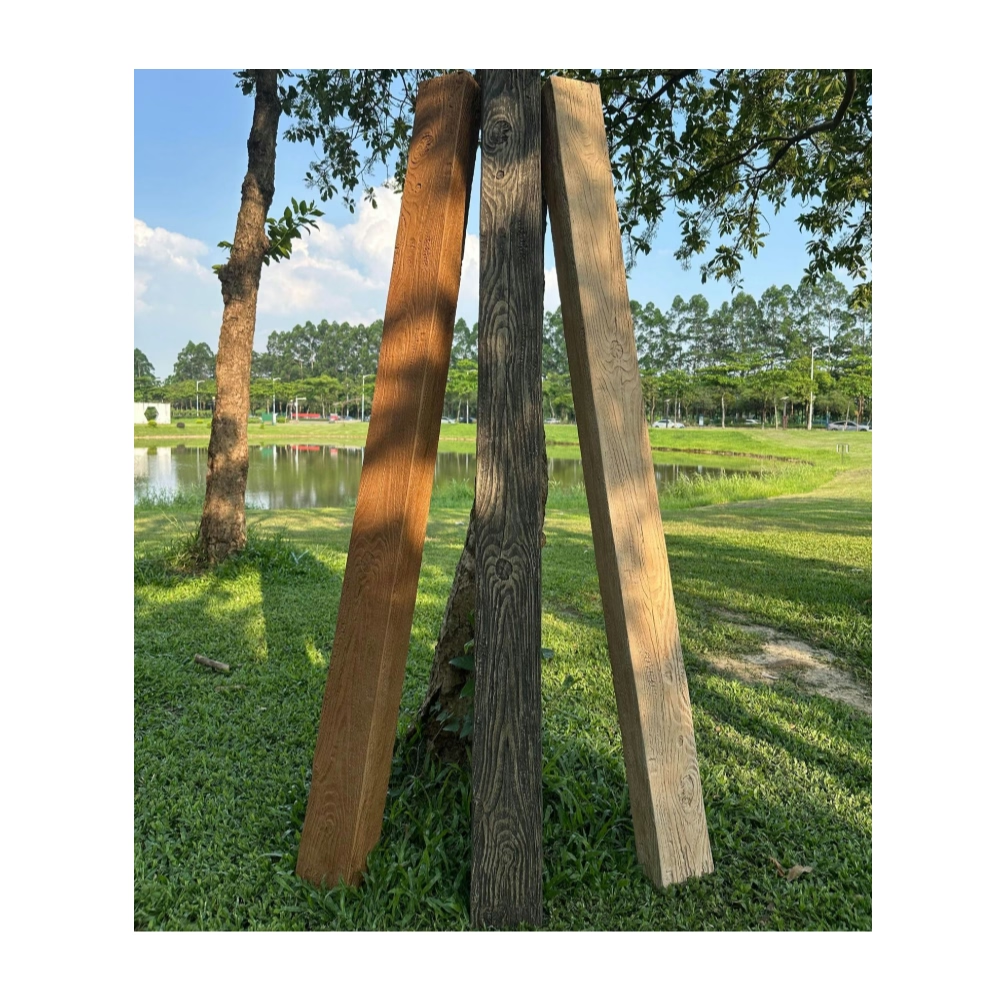
Walnut has occupied the pinnacle of furniture-making timber for centuries, prized by cabinetmakers and designers for its rich chocolate-brown tones, flowing grain patterns, and remarkable workability. The wood species carries connotations of quality, craftsmanship, and established wealth that lesser timbers cannot replicate. From colonial American highboys to mid-century modern credenzas, walnut has decorated the finest interiors and furnished the most discerning tastes. This heritage makes walnut-toned faux beams a natural choice for elegant interior upgrades seeking refined character without the cost and maintenance of authentic walnut timber.
The Distinction of Walnut Wood
Walnut's reputation derives from qualities that distinguish it from alternative timbers. The wood's natural color palette—ranging from light tan through rich brown to almost purplish chocolate—provides warmth that cooler species cannot match. This color depth develops beautifully with finishing, accepting oil and lacquer treatments that enhance rather than mask natural character.
Grain patterns in walnut display distinctive flowing characteristics that woodworkers have appreciated for generations. The grain typically runs straight but may include dramatic swirls, burls, and figure patterns that create visual interest beyond simple color. These patterns vary between trees and even between sections of the same tree, ensuring that each walnut piece remains unique.
The wood's workability enabled the elaborate carvings and refined details that characterized traditional furniture. While faux beams don't require the carving workability that walnut provides, the association between walnut and fine craftsmanship remains powerful. Specifying walnut-tones signals attention to quality that influences perception of the entire space.
Walnut Tone in Contemporary Context
Despite its traditional associations, walnut adapts remarkably well to contemporary interiors where the species' warmth provides welcome counterpoint to sleek surfaces and minimal ornamentation. The rich tones create visual anchoring that prevents contemporary spaces from feeling too austere or cold.
Contemporary applications often favor lighter walnut tones—warm honey-brown rather than the deep chocolate that characterized traditional uses. This contemporary treatment maintains walnut's characteristic grain while updating the overall effect for current tastes. The result feels both rooted and fresh, honoring tradition while respecting contemporary sensibilities.
Modern finishes for walnut-toned products may emphasize clarity over richness, creating warmer appearances than the deep tones traditional finishing produced. These contemporary finishes suit the bright, open interiors that current design trends favor, providing wood warmth without the heavy atmosphere that darker treatments create.
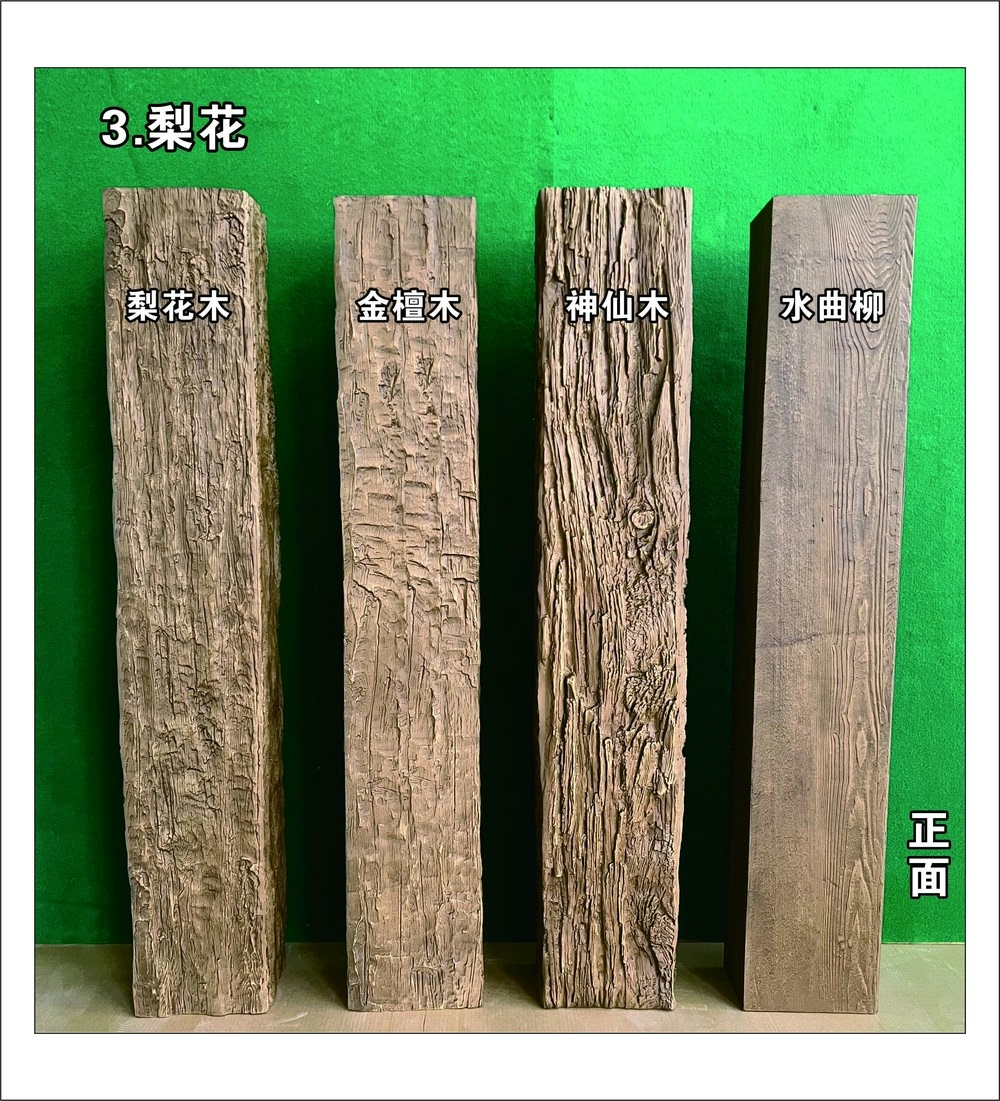
Elegant Interior Upgrade Strategies
Interior upgrades with walnut-toned beams require thoughtful strategies that integrate new elements with existing conditions. Unlike new construction where all elements coordinate from the start, upgrades must negotiate with established architectural vocabulary and existing finishes.
Begin by assessing the current interior condition and identifying the specific upgrades that beam installation will support. The beam treatment should complement rather than compete with existing elements, reinforcing positive qualities while addressing weaknesses. Understanding this starting point guides appropriate specification decisions.
Consider the scope of upgrade work. Full renovations may allow comprehensive revision of all surfaces, creating optimal context for beam installation. Partial upgrades may require more conservative beam treatment that coordinates with existing elements without demanding their replacement.
Coordinating with Existing Woodwork
Most interiors contain existing wood elements—flooring, trim, furniture—that beam finishes should complement. The relationship between beam color and existing wood significantly affects overall success.
Exact species matching between beams and existing wood often proves less successful than tonal coordination. Walnut beams beside walnut flooring may create uncomfortable monotony, with the identical color creating flatness that lacks visual interest. Consider complementary relationships where grain patterns and finish treatments vary while maintaining tonal harmony.
Floor-to-ceiling wood relationships require particular attention. Walnut-toned beams overhead should not overwhelm lighter wood floors, creating visual imbalance. If floors are dark, lighter walnut beam treatment maintains appropriate proportion; if floors are light, richer beam tones provide necessary visual weight.
Scale and Proportion for Elegant Results
Elegant interiors depend on appropriate scale relationships, and beam specification should honor these proportional requirements. Beams that are too small disappear, while oversized beams overwhelm spaces. Finding the appropriate balance requires careful attention to spatial dimensions.
Ceiling height provides the fundamental reference for beam scale. Measure ceiling heights accurately, and consult with professionals regarding appropriate beam dimensions for each height range. Rules of thumb exist, but specific conditions may warrant deviation from general guidelines.
Room proportions influence beam selection through visual weight requirements. Long, narrow rooms may benefit from beams running perpendicular to the long dimension, creating recession that makes spaces feel less confined. Wide rooms might accommodate beams running parallel to the wider dimension, establishing rhythm that organizes the space.
Finish Selection for Walnut Applications
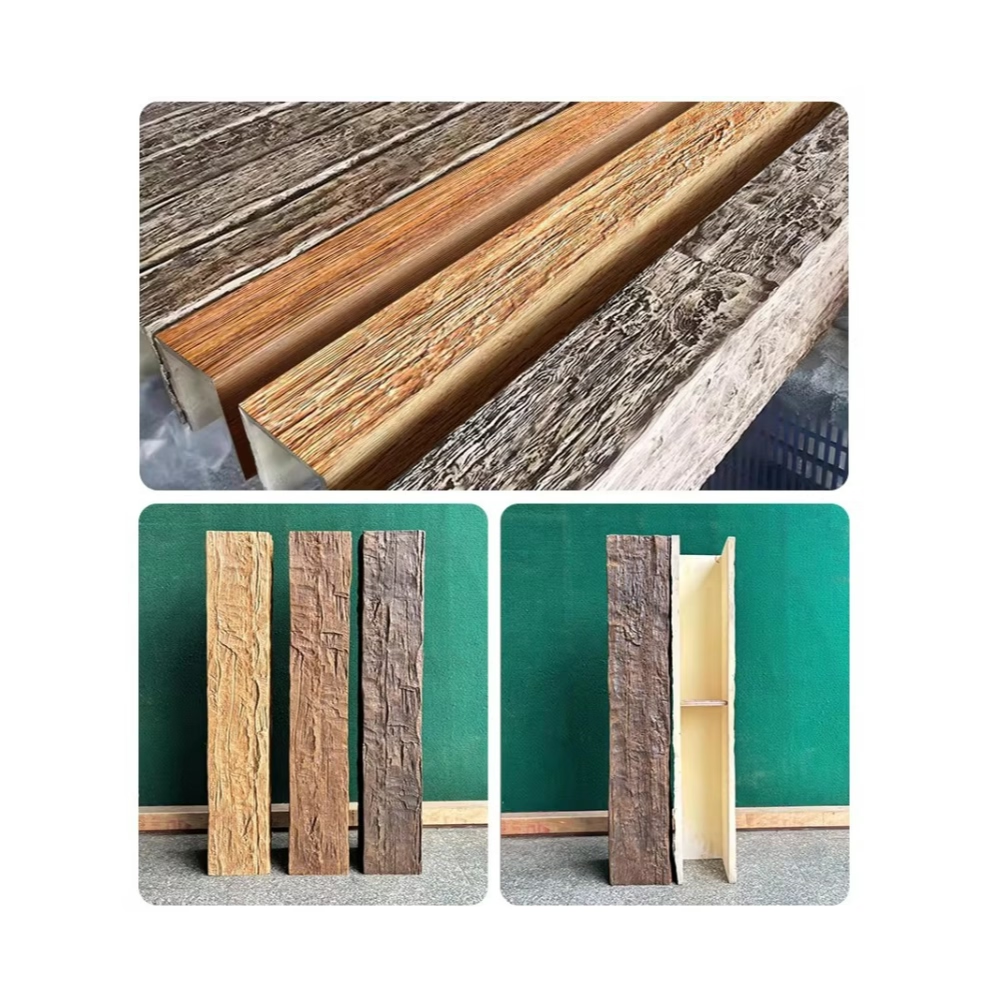
Walnut-tones are available across a range of finish intensities, from light honey-brown through rich chocolate. Understanding these variations enables appropriate selection for specific contexts.
Light walnut finishes capture the warmer end of the species' natural range, with honey-brown tones that provide subtle warmth without dramatic presence. These finishes suit contemporary interiors and spaces seeking wood character without heavy atmosphere. The lighter palette coordinates easily with most color schemes.
Medium walnut finishes represent the classic walnut appearance, with warm brown tones and good grain visibility. These versatile finishes adapt to traditional and contemporary contexts equally well, providing substantial character while remaining flexible regarding companion materials.
Dark walnut finishes create rich, dramatic presence that establishes dominant visual character. These treatments suit formal interiors, traditional aesthetics, and spaces where substantial architectural weight is desired. The darker palette requires more careful coordination with other materials.
Application by Room Type
Different rooms present distinct requirements for walnut beam specification, and thoughtful selection matches characteristics to functional contexts.
Living rooms and great rooms accommodate generous beam treatment where the rich walnut tones can establish warm, welcoming atmosphere. Consider the furniture scale and style when selecting beam intensity—substantial upholstered pieces suggest correspondingly substantial beam presence.
Dining rooms benefit from walnut beam warmth that enhances the intimate character appropriate to family gathering and entertaining. The rich tones create atmosphere conducive to lingering conversation and leisurely meals.
Bedrooms require more restrained treatment that supports rest rather than stimulation. Walnut beams in sleeping spaces should provide warmth and character without creating heavy atmosphere that interferes with relaxation. Consider lighter finishes and simpler profiles for bedroom applications.
Lighting Design Considerations
Proper lighting reveals walnut beam character, with the interplay between light and rich wood tones creating the atmosphere that justifies beam investment.
Warm light sources enhance walnut's characteristic warmth, with 2700K-3000K illumination bringing out the wood's chocolate-brown and amber tones. Cooler sources may appear harsh against rich walnut, creating uncomfortable contrast that undermines the elegant atmosphere beams should create.
Layered lighting design provides both functional illumination and dramatic presentation. Ambient lighting provides general visibility, while accent lighting positioned to graze beam surfaces emphasizes grain depth and surface texture. This combination serves practical needs while showcasing beam installation.
Consider natural light patterns throughout the day. North-facing rooms receive consistent, cool daylight that may not complement walnut tones optimally. South-facing spaces receive warm, direct sunlight that enhances walnut beauty. Account for these variations when planning beam placement.
Maintenance Advantages
One of polyurethane's most compelling advantages over natural walnut lies in maintenance simplicity. While authentic walnut requires periodic refinishing to maintain appearance, polyurethane faux beams need no such intervention.
Natural walnut surfaces develop patina through use and aging—light areas where handling occurs, darker tones in protected surfaces. This natural aging adds character but requires acceptance of uneven appearance during the development process. Polyurethane maintains consistent appearance from installation without these variations.
Cleaning walnut-toned faux beams requires only mild soap and water. The non-porous surface resists staining from spills and household substances, simplifying maintenance that would challenge natural wood alternatives. This cleanability supports busy households where extensive maintenance protocols prove impractical.
Cost and Value Analysis
Walnut-toned faux beams typically cost less than equivalent authentic walnut products of comparable visual impact. This cost advantage makes the aesthetic qualities of walnut accessible to applications where budget might otherwise preclude wood beam installation.
Initial material costs for quality faux walnut beams fall below natural walnut alternatives. The premium for genuine old-growth walnut significantly exceeds polyurethane options, while plantation-grown walnut of equivalent appearance may still cost substantially more than faux alternatives.
Installation expenses may favor polyurethane through handling advantages. The lightweight nature of polyurethane simplifies transport and positioning, potentially reducing labor time compared to heavy timber alternatives.
Lifecycle cost analysis consistently favors quality polyurethane when accounting for maintenance requirements. Natural walnut's periodic refinishing, eventual replacement, and ongoing care all carry costs that polyurethane eliminates entirely.
Design Coordination Guidelines
Successful walnut beam integration requires coordination with surrounding materials, finishes, and design elements. Understanding these relationships ensures cohesive results.
Wall colors should complement walnut warmth without competing for attention. Warm neutrals—cream, ecru, soft beige—allow walnut beams to dominate while maintaining visual harmony. Cool grays create contrast that some designers appreciate, though the relationship may feel less naturally harmonious than warm combinations.
Furniture finishes should relate to beam treatment without requiring exact matching. Different wood species on furniture and beams create material variety that prevents monotony. Walnut beams pair beautifully with lighter woods—maple, oak, ash—as well as with painted furniture in appropriate colors.
Professional Installation Value
Professional installation ensures proper handling, precise alignment, and clean appearance that DIY approaches often cannot match. The investment in professional installation typically returns through superior results and reduced frustration.
Experienced installers understand proper mounting techniques for polyurethane products, avoiding the errors that might compromise installation integrity. They can address site conditions, coordinate with other trades, and manage the details that distinguish excellent installations.
Request references and portfolios from potential installers, verifying experience with comparable beam projects. The lowest bid often proves least economical when installation problems emerge during or after work completion.
Custom Walnut Finishing
Beyond standard walnut offerings, custom finishing enables precise coordination with specific design visions and existing materials.
Custom color development creates exactly matched finishes that integrate seamlessly with existing woodwork. Provide reference samples during consultation to ensure accurate color development that coordinates precisely.
Hand-finishing techniques add depth and character that mechanical application cannot achieve. Layered glazes, tonal variations, and artisanal treatments create finishes with complexity that distinguishes exceptional interiors.

Elegant interior upgrades with luxury walnut tone polyurethane faux beams represent sophisticated investment in refined living environments. The rich wood character, practical durability, and maintenance-free ownership combine to create spaces that honor walnut's distinguished heritage while respecting contemporary realities.
The investment returns through daily enjoyment of elegant interiors that communicate quality and attention to detail. Your home deserves this level of refined consideration.
Long-Term Investment Protection
Quality walnut-toned beams protect your design investment through decades of maintained appearance without demanding constant attention.
Warranty coverage from established manufacturers provides additional confidence in long-term performance. Verify coverage terms, claim processes, and manufacturer availability when specifying products.
Document specifications, finish codes, and manufacturer information for future reference. This documentation supports consistent maintenance, enables matching repairs, and facilitates future renovation work.
Sustainability Considerations
Sustainable design increasingly influences material selection across residential and commercial applications. Walnut-toned faux beams present interesting considerations in this context.
Natural walnut has faced significant sustainability challenges, with old-growth forests depleted across traditional growing regions. Contemporary walnut production occurs in plantation forests, with certification systems providing verification. However, the extended growth cycles required for quality timber mean that even certified walnut involves significant timeframes.
Polyurethane production involves petroleum-derived raw materials and manufacturing energy. However, the material's exceptional durability distributes this initial impact across extended service periods, potentially reducing cumulative resource consumption compared to alternatives requiring more frequent replacement.
Future Design Flexibility
The neutral elegance of walnut-tone beams provides design flexibility that more distinctive treatments cannot match. Spaces with walnut beams accommodate changing tastes and evolving color schemes without requiring beam replacement.
Classic walnut finishes remain appropriate across design trend cycles. The timeless quality that has made walnut desirable for centuries ensures continued relevance regardless of momentary fashion.
Consider this flexibility when evaluating beam investment. Options that restrict future design evolution may prove less valuable than versatile choices that support continued experimentation.

Luxury walnut tone polyurethane faux beams offer compelling opportunities for elegant interior upgrades, combining the refined character of walnut with practical advantages that natural wood cannot match. The rich wood tones, sophisticated grain patterns, and timeless elegance make these beams attractive for discerning homeowners seeking to enhance their living environments.
Consider how walnut-toned beams might elevate your interior upgrade project. The investment provides lasting elegance without the ongoing commitment that natural wood requires.
Technical References
ASTM standards cited in every specification
Test Data
Lab results from internal testing program
Updated 2026
Reviewed against current product specs