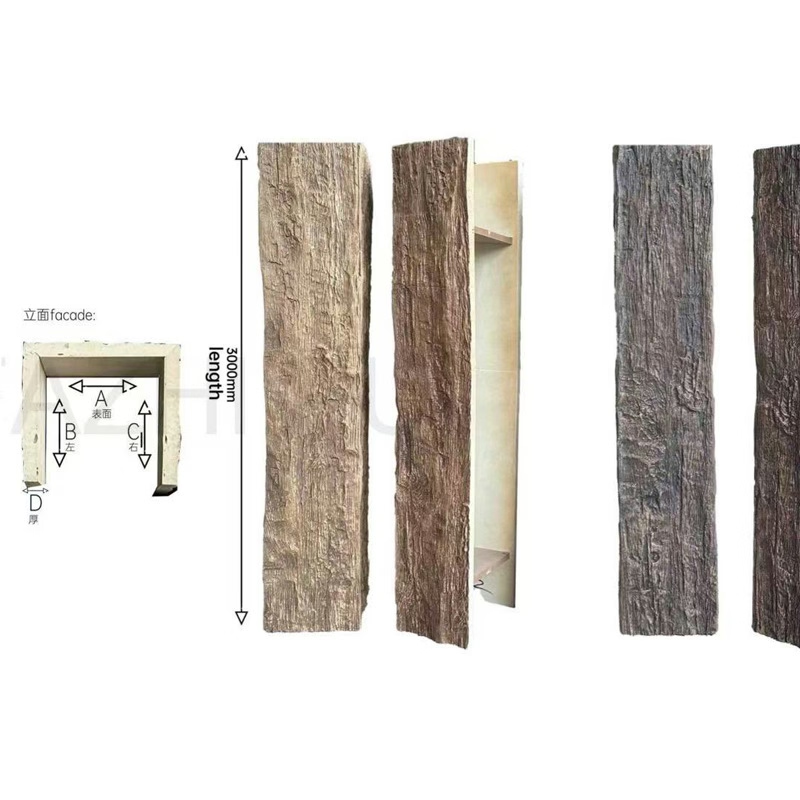
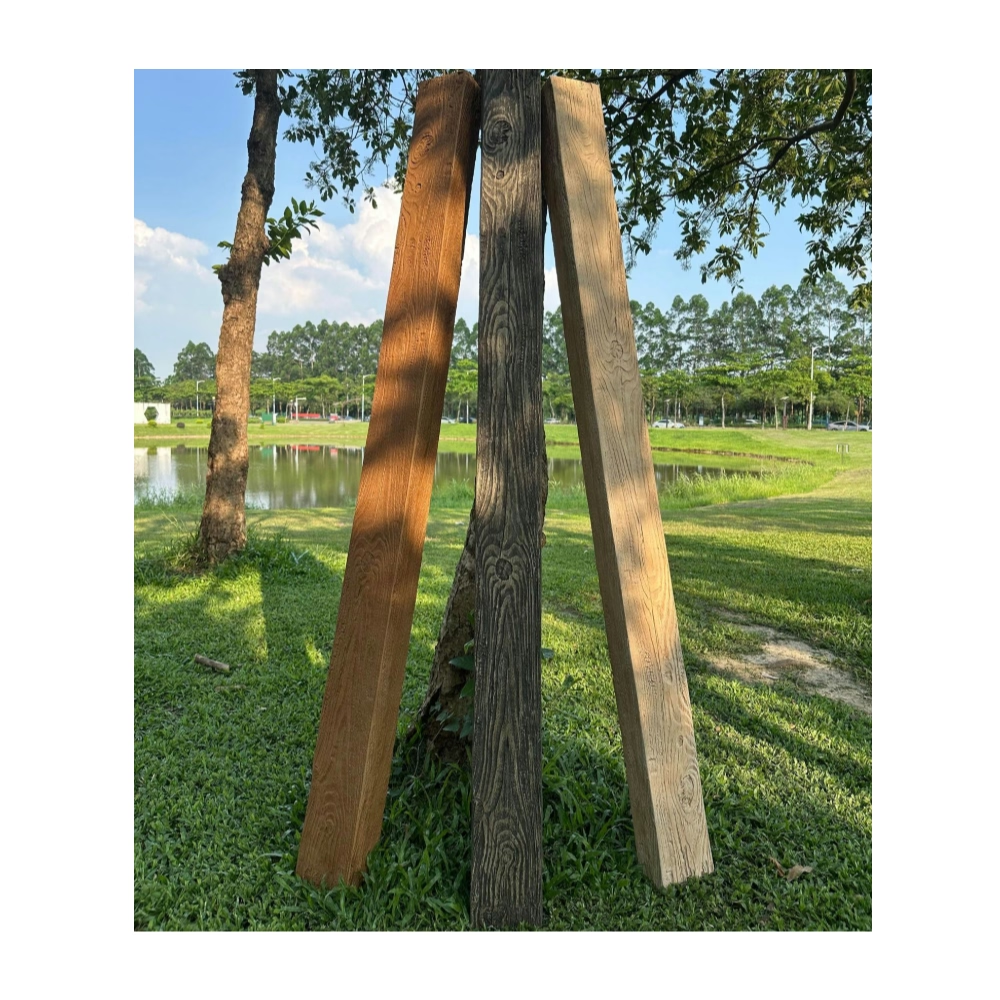
The modern man cave and home bar represent more than mere rooms—they're personal sanctuaries where hobbies, entertainment, and relaxation converge in spaces designed entirely around adult enjoyment. Whether dedicated to sports viewing, craft brewing, gaming, or simply having a comfortable place to unwind away from household traffic, these recreational spaces deserve architectural treatment that matches their special purpose. Ceiling beams provide precisely this opportunity, transforming basement spaces from afterthought storage areas into destination environments worth showing off to friends and family.
Basement applications present unique challenges that make polyurethane faux beams particularly well-suited. Moisture concerns, limited ceiling height, and the desire for warmth in spaces often lacking natural light all influence material selection. Polyurethane addresses these challenges while providing the aesthetic character that makes recreational spaces feel special rather than utilitarian.
The Evolution of Basement Recreational Spaces
Basements have evolved dramatically from the dark, damp storage areas they once represented. Modern homeowners recognize these lower-level spaces as opportunities—opportunities to create entertainment venues, hobby rooms, and relaxation zones that complement rather than compete with main living areas.
This evolution reflects changing lifestyles where adult spaces for unwinding, entertaining, and pursuing personal interests have become expected rather than luxurious. The man cave concept has matured from novelty to normalization, with dedicated recreational spaces now appearing in homes across demographic categories.
Architectural treatment has kept pace with this evolution, with ceiling design playing crucial roles in establishing the character that recreational spaces require. What once might have featured dropped ceilings with fluorescent lighting now often showcases architectural details that create atmosphere worthy of the activities they support.
Why Beams Belong in Recreational Spaces
Ceiling beams contribute to recreational spaces in ways that standard basement ceilings simply cannot match, and their benefits extend beyond mere aesthetics.
Visual warmth transforms basement environments that might otherwise feel cold and institutional. The organic character of wood-textured beams counteracts the concrete, steel, and synthetic materials often present in below-grade construction. This warmth creates the inviting atmosphere that makes recreational spaces appealing rather than merely functional.
Acoustic benefits prove particularly valuable in entertainment spaces. Beams help manage sound reflections that can make spaces feel harsh or echoey, particularly problematic in rooms featuring music, television, or conversation-intensive activities. The dimensional interruption that beams create scatters sound energy productively.
Spatial definition helps organize open basement plans into functional zones. Beams can suggest separation between bar areas, seating zones, and gaming spaces without the physical barriers that walls would impose. This visual organization enhances usability without sacrificing the openness that basement recreation often benefits from.
Basement-Specific Advantages of Polyurethane
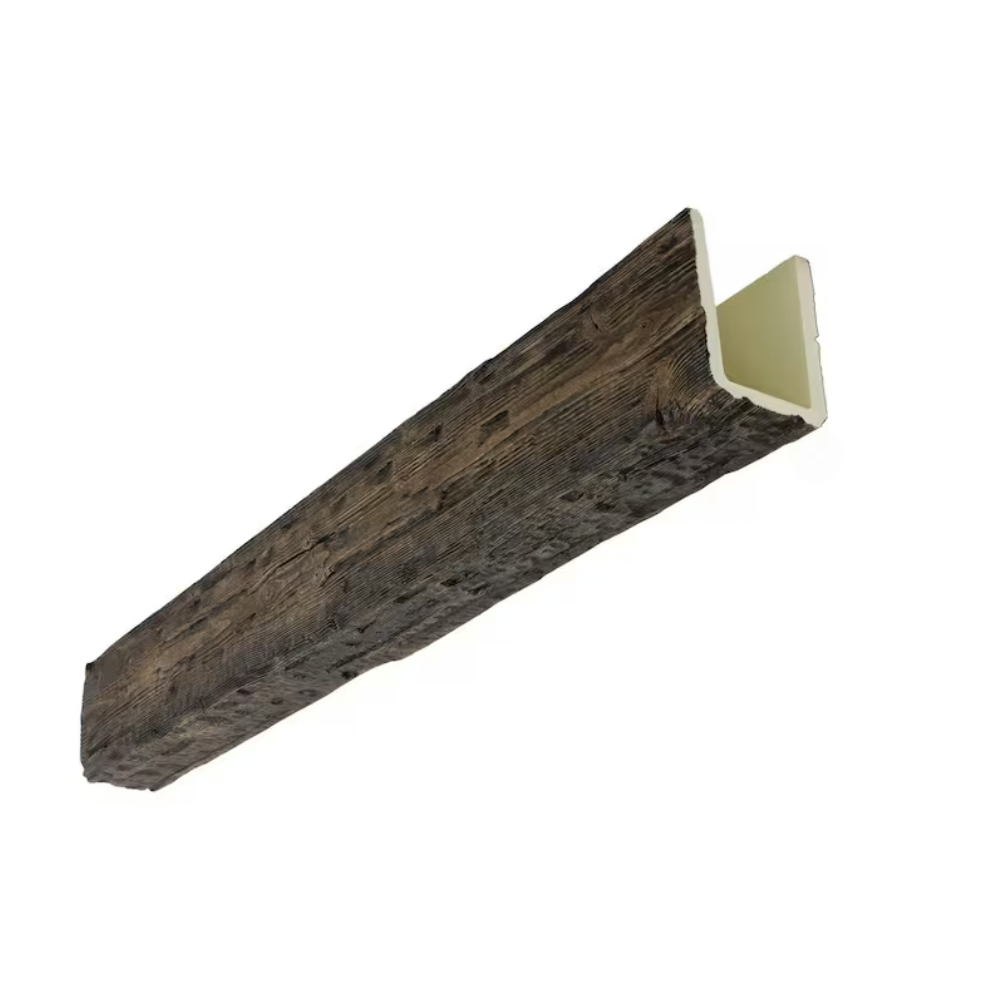
Basement environments present material challenges that polyurethane addresses particularly effectively, making faux beams ideal for below-grade recreational spaces.
Moisture resistance prevents the problems that plague natural wood in basement conditions. Even finished basements experience humidity variations, potential water intrusion, and condensation that can damage natural wood through swelling, warping, or biological growth. Polyurethane tolerates these conditions without deterioration.
The lightweight nature of polyurethane simplifies basement installation where ceiling structures may not accommodate heavy materials. Standard basement ceiling joists can support polyurethane beam installations without the structural reinforcement that genuine timber might require.
Dimensional stability addresses the temperature swings that basements often experience. Unlike natural wood that expands and contracts with temperature changes, potentially creating gaps and joint issues, polyurethane maintains consistent dimensions regardless of basement temperature variations.
Design Approaches for Man Cave Spaces
Man cave aesthetics embrace personal interests and create environments that reflect individual personality. Beam selection should support rather than constrain these expressive objectives.
Sports-themed man caves often benefit from substantial beams that create the masculine, substantial atmosphere appropriate to athletic pursuits. Consider rich wood tones with pronounced grain patterns that complement sports memorabilia displays. The beams themselves become display elements that frame television viewing areas and seating arrangements.
Gaming and entertainment man caves might embrace more contemporary aesthetics with cleaner beam profiles. Lighter finishes, simpler profiles, and integrated lighting create environments suited to video gaming, movie watching, or card playing without overwhelming the electronic entertainment that dominates these spaces.
Hobby-focused man caves—woodworking shops, music rooms, craft areas—benefit from beams that complement rather than compete with the work occurring in the space. Consider how beam color and texture will interact with hobby-related materials and equipment.
Home Bar Ceiling Design
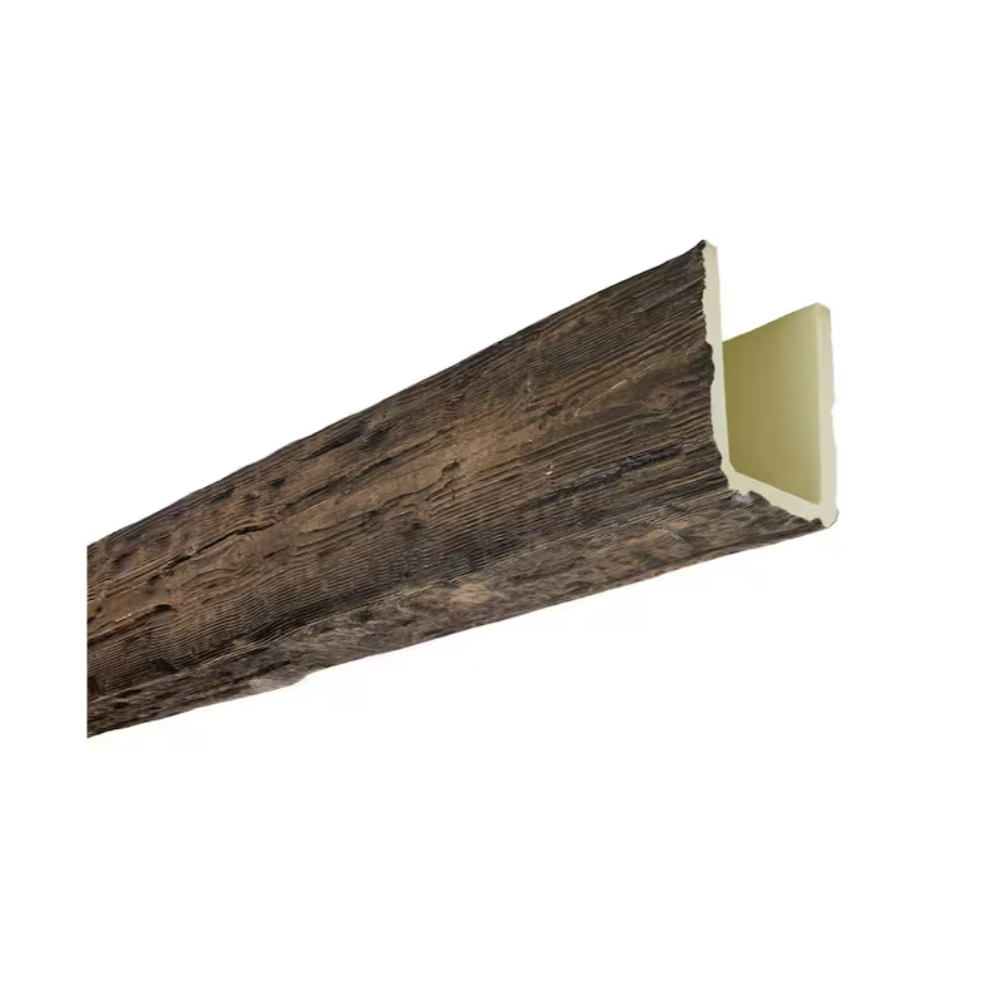
The home bar represents a specific recreational space type with particular design requirements that beams can address effectively.
Bar areas benefit from ceiling treatments that establish intimate atmosphere appropriate to social drinking and conversation. Beams can define bar zones within larger basement spaces, creating visual enclosure that makes the bar feel like a destination rather than merely furniture against a wall.
Consider bar-style lighting integration with beam installations. Pendant fixtures positioned above the bar create focused illumination that supports drink preparation and creates ambiance. Beams can incorporate mounting provisions for these fixtures, simplifying installation while creating visual interest.
Material coordination matters in home bars where spills and splashes occur regularly. Polyurethane's resistance to staining simplifies cleanup when beverages contact beam surfaces, avoiding the permanent marks that natural wood might absorb.
Color and Finish Selection for Basements
Basement lighting differs significantly from above-grade spaces, with less natural light and often more artificial illumination. Beam color and finish selection should account for these conditions.
Darker wood tones add warmth and visual weight that basement spaces often need. The reduced natural light in basements can make spaces feel cavernous; darker beams provide visual grounding that prevents this effect.
Consider how artificial lighting will interact with beam finishes. Warm LED sources enhance wood tones beautifully, while cooler sources may appear harsh against warm wood colors. Coordinate beam specification with planned lighting color temperature.
Lighter finishes can brighten spaces that feel too dark, but may lack the warmth that makes recreational spaces inviting. If lighter beams are desired, consider warm-toned light woods rather than gray or washed finishes that might feel cold in basement applications.
Scale Considerations for Basement Ceilings
Basement ceiling heights often limit beam selection compared to above-grade spaces with more generous proportions. Appropriate scaling ensures successful results.
Standard basement ceilings typically run eight feet or less, sometimes significantly less in older construction. Beams must scale to these dimensions without overwhelming already-modest spaces. Generally, shallower beam profiles and smaller projections work better than the substantial beams appropriate to grander spaces.
Consider beam direction relative to room geometry. Running beams across the narrow dimension can make spaces feel even narrower, while perpendicular orientation creates recession that extends apparent length. The opposite may also be true depending on specific spatial conditions.
Coffered ceiling patterns using beams can add visual interest without requiring substantial beam projection. The dimensional interruption that coffers create provides texture and visual complexity even with relatively flat beam profiles.
Integration with Existing Basement Elements
Basement recreational spaces typically contain existing elements—support columns, ductwork, beams, stairs—that beam installations should coordinate with rather than ignore.
Support columns often prove necessary in basement construction and cannot be eliminated. Treating these columns with wood-wrapped beams creates visual continuity between columns and ceiling treatments, making structural necessity into design feature.
Exposed ductwork presents challenges that faux beams can address creatively. Beams positioned to run parallel to ducts create architectural rhythm that incorporates rather than hides mechanical systems. Alternatively, beams can partially screen ducts while maintaining necessary access.
Stairwell transitions require thoughtful beam treatment where basement stairs meet ceiling planes. Beam terminations or transitions at these locations should feel intentional rather than awkward.
Lighting Integration for Atmosphere
Lighting design significantly affects basement recreational space atmosphere, and beam installations should coordinate with lighting systems thoughtfully.
Recessed lighting between beams provides ambient illumination without interrupting beam visual continuity. Careful spacing creates pools of light that define activity zones while maintaining overall atmosphere.
Track lighting offers flexibility for directing illumination where needed—over game tables, bar areas, or seating configurations. The industrial character of track systems complements masculine recreational aesthetics while providing functional versatility.
Accent lighting positioned to graze beam surfaces emphasizes texture and creates dramatic shadows that enhance atmosphere. This lighting works particularly well during evening use when atmosphere becomes primary rather than supplementary.
Acoustic Considerations for Entertainment Spaces
Basement acoustics present challenges that beam installations can help address, improving the listening experience for music, television, and conversation.
Sound reflection off hard basement surfaces creates harshness and echo that makes spaces uncomfortable for extended occupation. Beams break up these reflection paths, scattering sound energy across multiple angles and reducing problematic reflections.
Consider complementary acoustic treatments beyond beams. Acoustic panels can address remaining issues while incorporating design elements that complement beam aesthetics. Fabric-wrapped panels provide both function and visual interest.
Speaker placement relates to beam positioning in entertainment spaces. Consider how beams will affect sound distribution, particularly for home theater or whole-house audio systems. Acoustic consultation may prove valuable for serious entertainment installations.
Moisture Management in Basement Applications
Even finished basements require attention to moisture conditions that affect material performance and indoor air quality.
Vapor barriers and proper insulation behind beam installations prevent moisture accumulation that could promote mold growth or affect mounting. Professional installation ensures these considerations receive appropriate attention.
Dehumidification maintains basement humidity levels that protect both occupants and materials. Even moisture-resistant polyurethane benefits from humidity control that prevents condensation and maintains comfortable conditions.
Sump pumps and drainage systems protect against water intrusion that basements occasionally experience despite best preventive efforts. Beam installations should be positioned to avoid likely water intrusion paths where possible.
Entertainment System Integration
Modern recreational spaces incorporate sophisticated electronics that beam installations should accommodate thoughtfully.
Television mounting considerations affect beam placement in sports bars and home theater installations. Beams positioned to frame viewing areas create ideal mounting locations, while beams crossing potential mounting locations may complicate installation.
Speaker mounting often requires ceiling attachment points. Polyurethane beams can accommodate some speaker mounting requirements, though heavier installations may need mounting to structural elements behind beams.
Cable management opportunities exist with hollow beam profiles that can conceal wiring for surround sound, gaming systems, and other electronics. Coordinate cable routing with beam installation planning.
Budget-Friendly Approaches
Recreational space construction often occurs within constrained budgets, and beam specification should account for this reality.
Standard beam profiles cost less than custom options while providing excellent appearance. Complex custom profiles increase costs without proportional aesthetic benefit in most applications.
Strategic placement concentrates beam investment where it produces maximum visual impact. Less-visible areas might receive simpler treatment while focal areas receive premium attention.
DIY installation options exist for straightforward beam projects, reducing labor costs that dominate installation expenses. However, complex basement configurations often benefit from professional installation.
Furnishing and Decor Coordination
Beams should coordinate with furniture and decorative elements that complete recreational space design.
Seating selection relates to beam treatment through scale and style coordination. Substantial, masculine furniture suggests correspondingly substantial beams, while refined seating might pair better with lighter beam treatments.
Bar furniture requires particular attention in home bar installations. Coordinate bar counter height, stool selection, and bar accessories with beam positioning and treatment.
Sports memorabilia, game tables, and hobby-related displays create visual complexity that beam treatment should complement rather than compete with. Beam selection should frame rather than compete with these personal expression elements.
Multi-Purpose Recreational Spaces
Many basement recreational spaces serve multiple functions that require flexible design approaches.
Zoning strategies using beams help organize multi-purpose spaces without walls. Different beam treatments in different zones create visual separation while maintaining spatial flow.
Flexible lighting supports varied activities through zones with different illumination capabilities. Beam installations should coordinate with zoning lighting strategies.
Furniture arrangement flexibility should inform beam placement that might otherwise interfere with reconfiguration. Consider likely furniture arrangements when planning beam positioning.
Safety Considerations
Recreational spaces hosting gatherings require attention to safety factors that beam installations should address.
Fire safety affects material selection throughout recreational spaces. Polyurethane's fire resistance typically exceeds building code requirements for residential applications, but verify specific requirements with local authorities.
Structural integrity ensures that beam installations don't compromise ceiling structure or create hazards. Professional installation verifies appropriate mounting that supports intended loads.
Clearance requirements for lighting, speakers, and other ceiling-mounted elements should be verified during planning to prevent installation conflicts.
Creating Ultimate Entertainment Environments
The ultimate recreational space combines thoughtful design with practical functionality, creating environments that serve their intended purposes while exceeding expectations for atmosphere and character.
Beam installations contribute fundamentally to this atmosphere creation, establishing the architectural foundation that furniture, lighting, and decor build upon. The investment in quality beam treatment pays dividends through enhanced enjoyment of spaces designed for adult recreation.
The personal nature of recreational spaces allows design expression that other areas of the home might not accommodate. Beam selection should embrace this opportunity, creating environments that genuinely reflect personal interests and aesthetic preferences.

Man cave and home bar basement remodeling with polyurethane faux beams transforms utilitarian spaces into destination environments worthy of the activities they support. The aesthetic warmth, practical durability, and basement-appropriate characteristics make these beams ideal for recreational space applications.
Your recreational space deserves architectural treatment that matches its special purpose. Faux beams provide the foundation for ultimate entertainment environments.
Long-Term Enjoyment Planning
Recreational spaces should provide years of enjoyment, and beam selection should support this extended service expectation.
Quality products maintain appearance through years of regular use without the degradation that lesser materials might experience. The investment in quality returns through maintained aesthetics.
Flexible design accommodates evolving interests and activities that recreational spaces might serve over time. Beams that support rather than constrain future changes provide better long-term value.
The timeless character of wood beams ensures that recreational spaces won't date quickly, maintaining relevance as design trends evolve around them.
Professional Design Consultation
Achieving exceptional recreational space design often benefits from professional guidance that understands both the opportunities and challenges these spaces present.
Interior designers with recreational space experience bring perspective from comparable projects, identifying approaches that work and pitfalls to avoid. Their consultation investment typically returns through avoided mistakes and more cohesive results.
Basement specialists understand the unique challenges that below-grade spaces present, including moisture, lighting, and structural considerations. Their expertise ensures that beam installations address these factors appropriately.
AV consultants may prove valuable for serious entertainment installations, ensuring that acoustic and electronic systems integrate effectively with architectural treatments including beams.
The Investment Worth Making
Recreational space construction represents significant investment in home improvement and personal quality of life. Beam installations should be evaluated as part of this comprehensive investment rather than isolated expense.
The enjoyment that well-designed recreational spaces provide exceeds their dollar value, contributing to daily life satisfaction that mere monetary measurement cannot capture. Quality architectural treatment enhances this enjoyment through spaces that feel special rather than ordinary.
Consider recreational space improvement as personal investment in yourself and your family's happiness. The return on this investment appears through years of pleasurable use rather than financial appreciation, though well-designed spaces may also enhance property value.
Starting Your Project
Beginning a basement recreational space project with beam installation requires planning that addresses all relevant considerations.
Document your vision for the completed space, including activities, aesthetic preferences, and personal expression objectives. This vision guides subsequent decisions about beam selection and placement.
Establish realistic budgets that account for beam costs, installation expenses, and complementary improvements that create complete environments. Beam investment alone won't create ultimate spaces—coordinated improvements throughout are necessary.
Research options thoroughly before committing, visiting showrooms, reviewing portfolios, and consulting professionals as appropriate. The time invested in planning returns through better outcomes.

Man cave and home bar basement remodeling with polyurethane faux beams creates the ultimate recreational spaces—environments designed for enjoyment that reward time invested both in their creation and in their ongoing use.
Begin your project with confidence that beam installation provides excellent foundation for spaces that will serve entertainment and relaxation for years to come.
Technical References
ASTM standards cited in every specification
Test Data
Lab results from internal testing program
Updated 2026
Reviewed against current product specs