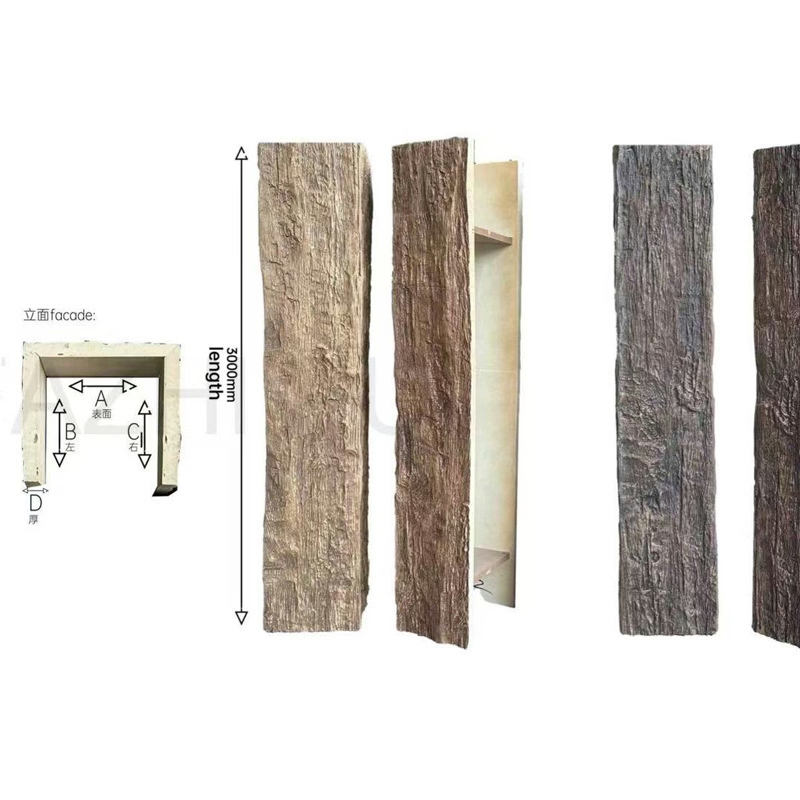
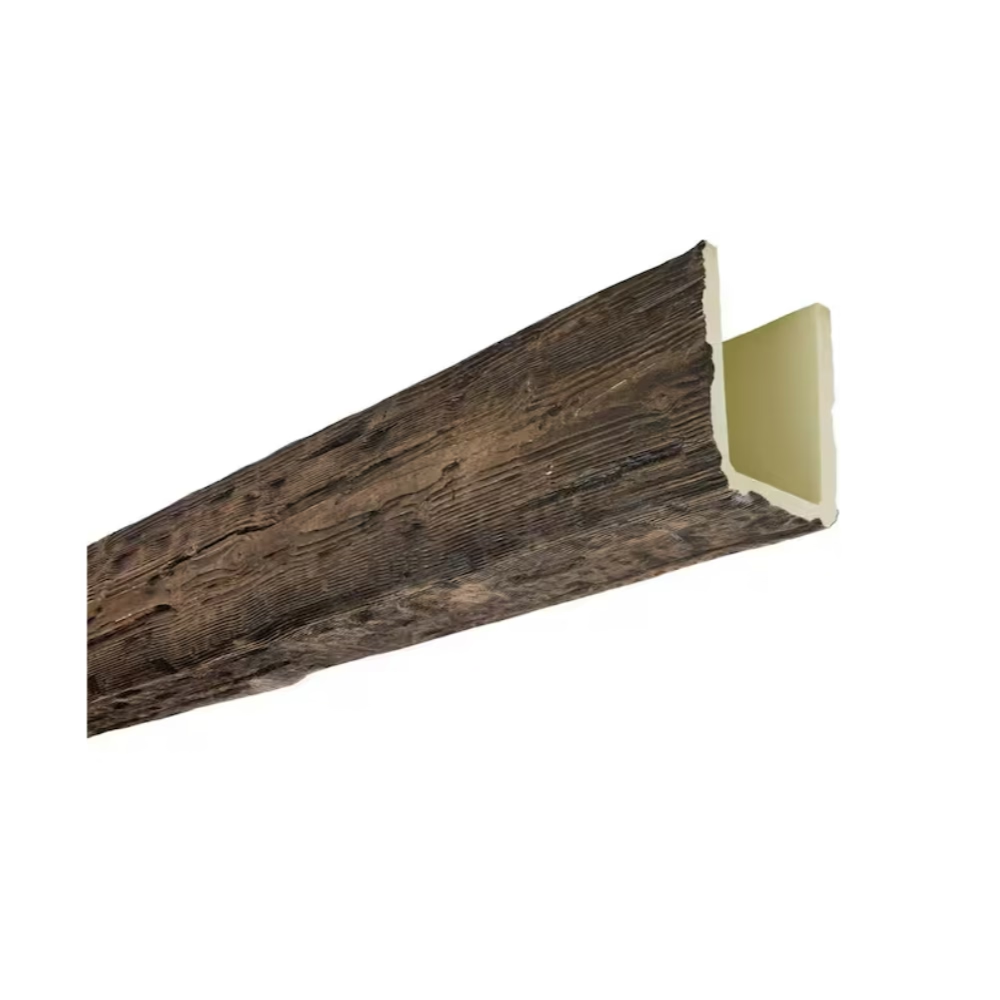
The dining room occupies a unique position within the home. Unlike kitchens designed for efficient meal preparation or living rooms built for casual relaxation, the dining room exists specifically for connection—family dinners, holiday celebrations, intimate conversations shared across beautifully set tables. Yet many dining rooms fail to support this purpose, their generic ceilings and unremarkable finishes creating spaces that feel forgettable rather than memorable. Ceiling renovation with polyurethane faux beams offers an transformative solution that elevates these gathering spaces into environments worthy of the occasions they host.
When considering dining room ceiling design, the goal typically involves creating visual intimacy without sacrificing the sense of openness that modern homes require. Exposed structural elements accomplish this by introducing human scale to spaces that might otherwise feel cavernous. Faux beams break up vast ceiling planes, establish comfortable visual proportions, and add the character that transforms a room from builder-basic to personally meaningful.
Establishing Visual Hierarchy Through Beam Placement
The strategic positioning of ceiling beams fundamentally shapes how we experience the space beneath them. Symmetrical arrangements create formal, traditional atmospheres appropriate for elegant dinner parties and ceremonial occasions. Three parallel beams crossing the length of a rectangular dining table establish clear visual alignment that honors the ritual of shared meals.
Consider how beams interact with existing dining room features. A central chandelier or pendant light becomes more impactful when framed by beam arrangements that direct attention toward this focal point. The beams provide visual boundaries that make lighting fixtures appear intentional rather than arbitrarily placed, completing the design narrative that connects architectural elements to decorative choices.
Asymmetrical configurations offer alternative aesthetic paths. Beams positioned at unexpected angles or intervals introduce contemporary edge that appeals to design-conscious homeowners seeking environments that reflect current trends rather than timeless convention. This approach works particularly well in open-plan homes where the dining area shares breathing room with kitchen and living spaces—the beams provide differentiation without the visual separation that walls would create.

Scale and Proportion Considerations
Successful dining room beam installations require careful attention to scale. Beams too small for the space disappear into the ceiling rather than announcing their presence; beams oversized create a oppressive atmosphere that undermines the welcoming environment dining spaces should provide. Understanding the relationship between beam dimensions, ceiling height, and room area guides specification decisions that achieve the desired effect.
Standard ceiling heights of eight to nine feet accommodate single-beam installations comfortably, particularly when the beams span the shorter dimension of the room. Higher ceilings permit more dramatic treatments—multiple beam arrangements, deeper profiles, or the addition of secondary decorative elements that would overwhelm lower-ceilinged spaces.
Room proportions influence optimal beam orientation and spacing. Long, narrow dining rooms benefit from beams running perpendicular to the length, creating visual width that counteracts the tunnel effect these spaces often produce. Square or nearly square rooms accommodate grid patterns or crossed-beam arrangements that establish even visual weight distribution across the entire ceiling plane.
Finishes That Complement Dining Settings
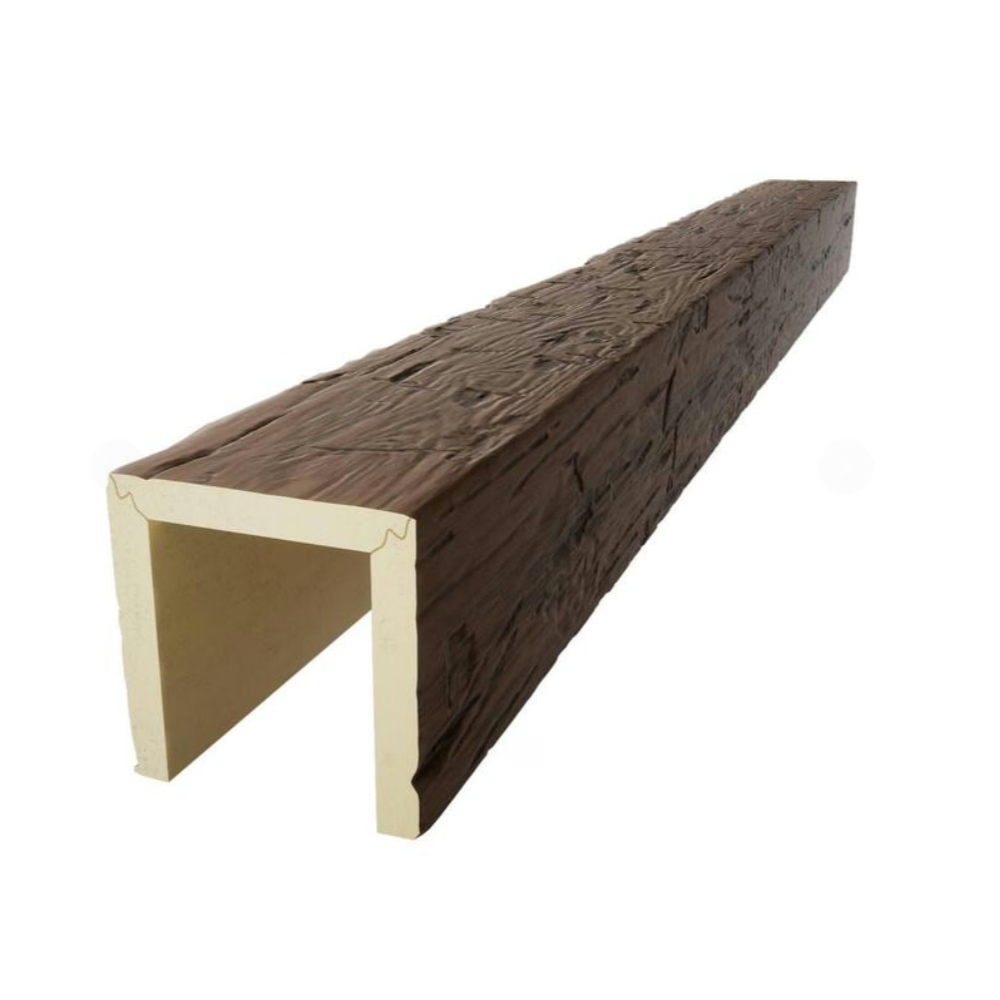
The finish selected for dining room beams should harmonize with surrounding materials and the overall design scheme. Warm wood tones—honey oak, rich chestnut, golden honey—introduce the organic warmth that makes dining experiences feel nurturing and comfortable. These finishes pair naturally with hardwood flooring, wooden dining tables, and upholstered chairs that populate most dining spaces.
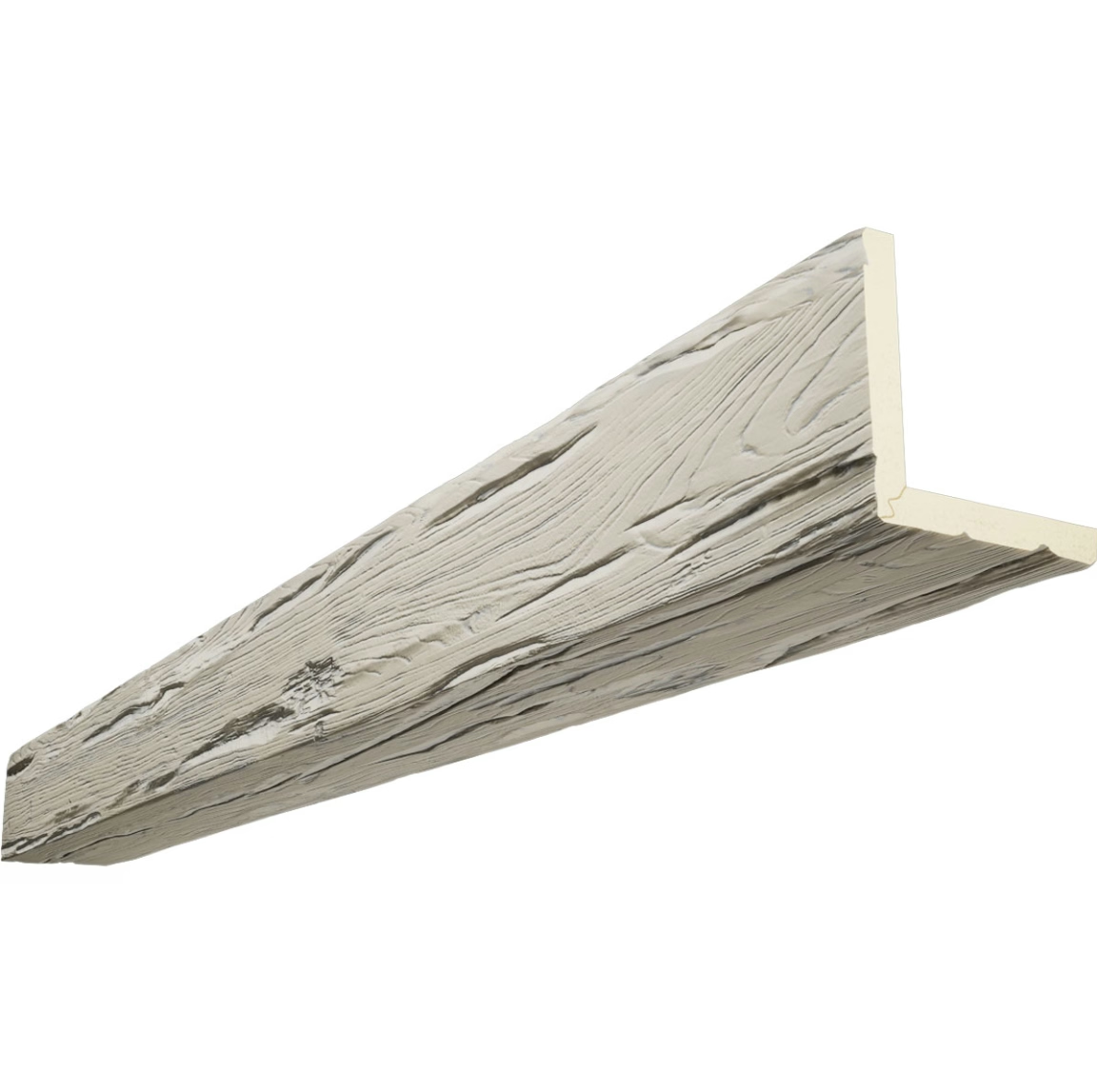
Lighter finishes including whitewash, driftwood grey, and natural pine create airier atmospheres suited to contemporary and minimalist interiors. These options prevent the potentially heavy feeling that dark wood beams might create, maintaining the sense of lightness appropriate for spaces where conversation and connection matter more than architectural drama.
Painted beams in bold colors make unexpected statements that define eclectic or bohemian dining spaces. A deep navy or forest green beam treatment coordinates with equally adventurous furniture and accessory choices, creating cohesive rooms that reject neutral safety in favor of distinctive personality. These applications require confidence but reward risk-taking with spaces that guests remember long after the meal concludes.
Lighting Integration Strategies
Ceiling beams and lighting fixtures share an interdependent relationship that thoughtful design exploits. Recessed lighting installed between beams provides general illumination without visual clutter, while statement fixtures suspended at beam intersections command attention and anchor the room's design scheme.
The shadows cast by beam projections create beneficial visual texture on ceiling surfaces. As natural light shifts throughout the day, these shadow patterns animate the space, introducing subtle movement that prevents static feelings even when the room remains unoccupied. Evening lighting amplifies this effect, with beam shadows becoming more pronounced as ambient sources replace direct sunlight.
Directional fixtures aimed at beam surfaces highlight grain textures and finish details that casual observation might miss. This uplighting technique transforms beams from background architectural elements into starring features that justify the attention and investment they represent. The interplay of light and wood texture creates the kind of sensory richness that distinguishes exceptional interior design from merely competent execution.
Acoustic Considerations for Dining Comfort
Dining rooms present specific acoustic challenges that thoughtful beam installation can address. Hard surfaces—including the wood tables, tile floors, and plaster walls common in dining spaces—reflect sound waves that accumulate into uncomfortable noise levels during lively conversations. The irregular surfaces of installed beams help diffuse these reflections, absorbing energy that would otherwise create echoing conditions.
Rooms used primarily for formal dinner parties benefit particularly from acoustic treatment. Guests seated at opposite ends of a long table must speak clearly to be understood, and excessive reverberation makes this effort exhausting. Beam installations that incorporate additional acoustic materials—fiberglass panels concealed behind beam surfaces, for instance—provide the sound absorption necessary for comfortable extended conversations.
The noise generated by meal service also merits consideration. The clatter of dishes, the clinking of glasses, and the general activity of serving food create sounds that can feel overwhelming in untreated rooms. Beam installations with acoustic properties soften these impacts, creating more pleasant environments for both diners and those tasked with meal service.
Long-Term Value and Maintenance
Dining room ceiling renovations represent significant investments that homeowners reasonably expect to appreciate over time rather than deteriorate. Polyurethane faux beams deliver on this expectation through exceptional durability and minimal maintenance requirements. Unlike genuine timber that demands periodic refinishing, patching of cracks, and treatment for wood-boring insects, faux beams maintain their appearance through decades of normal use.
The material's resistance to humidity fluctuations proves particularly valuable in dining rooms, where condensation from beverage service and cooking activity from adjacent kitchens creates moisture challenges that affect many finish materials. Faux beams tolerate these conditions without warping, splitting, or developing the gaps that plague authentic wood in similar circumstances.
This combination of initial impact and enduring quality makes faux beam dining room renovations particularly attractive to homeowners planning long-term occupancy. The rooms become environments worthy of the meaningful occasions they host, spaces that support connection and create memories through their beauty and functionality.
Technical References
ASTM standards cited in every specification
Test Data
Lab results from internal testing program
Updated 2026
Reviewed against current product specs