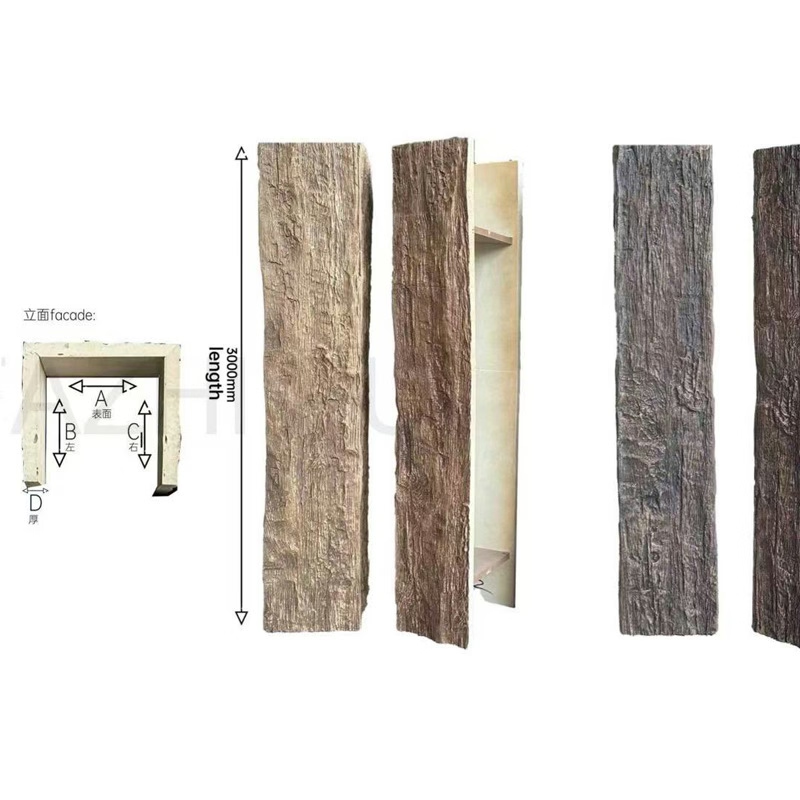
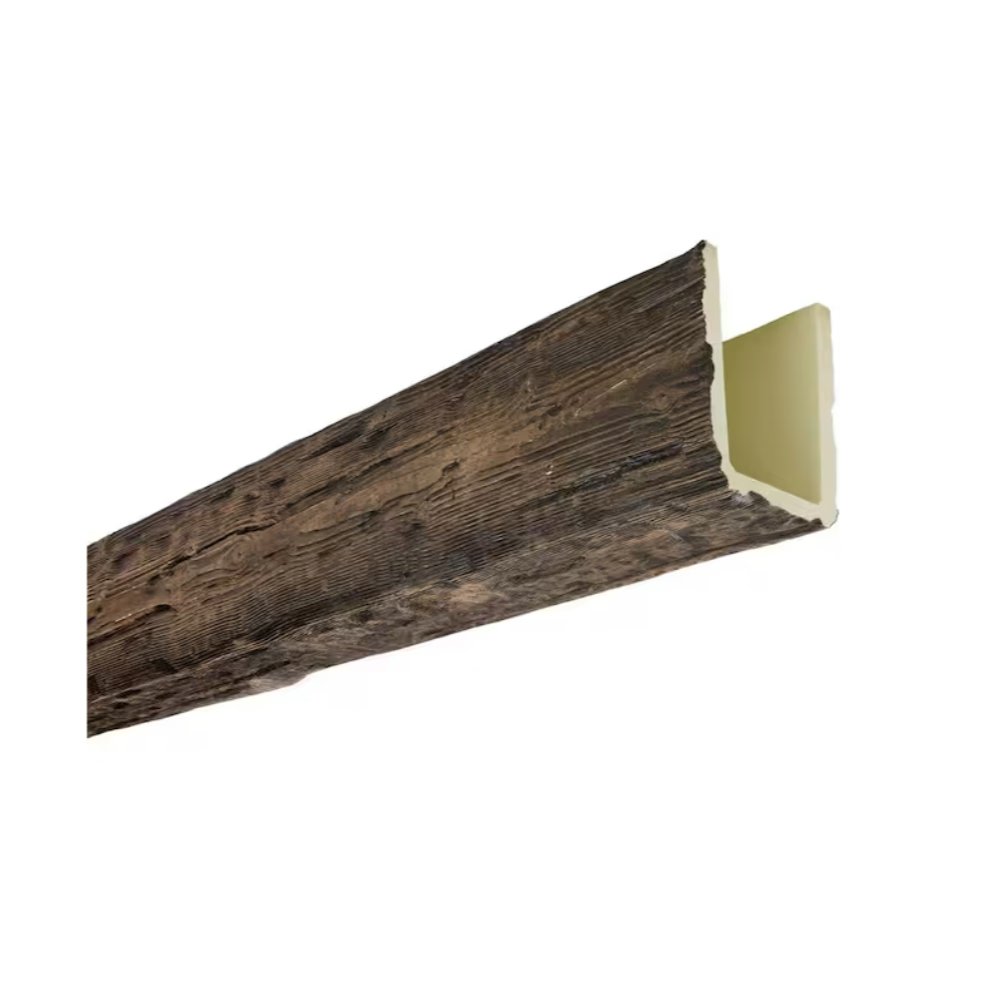
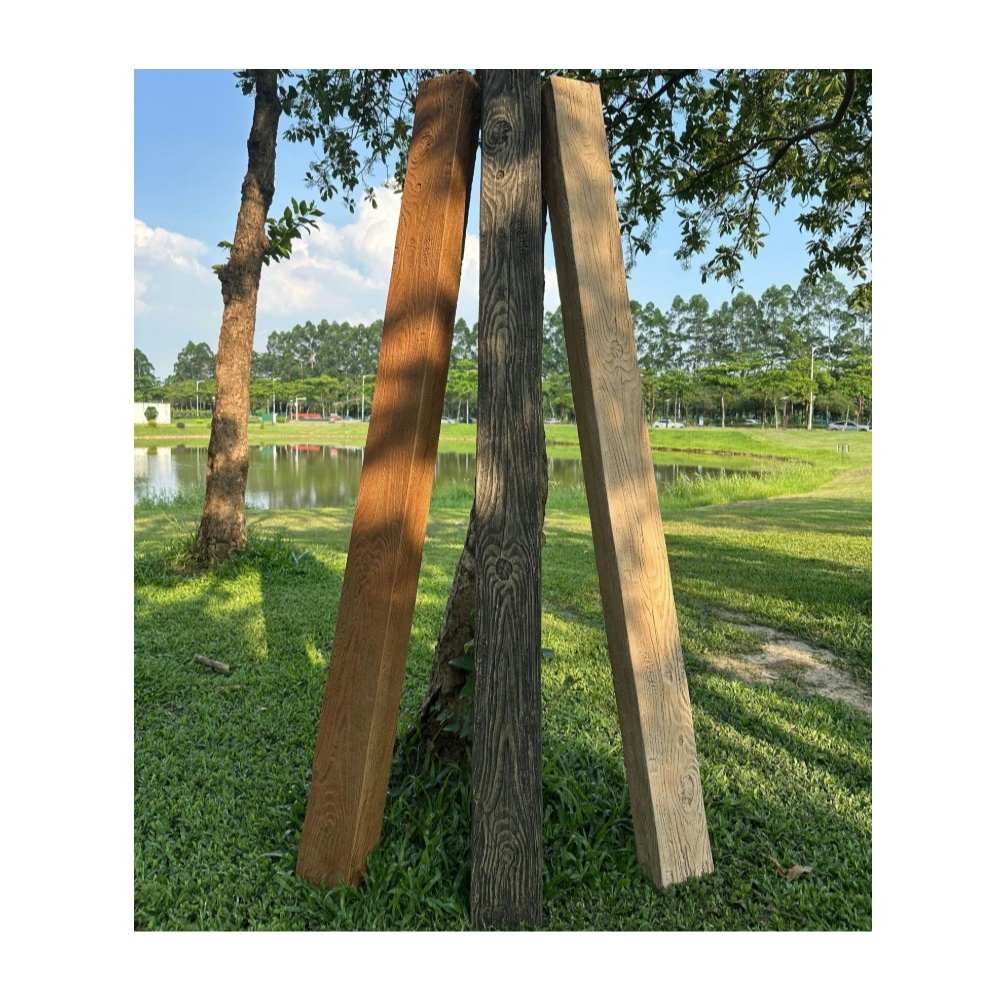
The foyer serves as the threshold between outside and inside, between the public world and private sanctuary. Every visitor—family member returning from work, friend arriving for dinner, delivery person completing a transaction—experiences your home first through this transitional space. The design decisions made in entryway design ripple through subsequent perceptions, establishing expectations that color everything that follows. Polyurethane faux beams offer an extraordinarily effective tool for creating foyers that welcome, impress, and set appropriate tone for the homes they introduce.
Entryway ceilings present unique challenges that beam installations solve elegantly. These spaces often feature awkward architectural elements—bulkheads concealing ductwork, dropped ceiling areas hiding structural transitions, or the vertical spaces of multi-story entrances that can feel cavernous without careful treatment. Beams introduce human scale and visual interest that humanize these difficult conditions, transforming potential liabilities into design opportunities.
Welcoming Scale and Proportion
Foyers must accomplish conflicting objectives simultaneously: they should feel expansive enough to accommodate arriving and departing traffic while maintaining intimate proportions that create welcoming atmospheres. Beam installations provide this balance through careful specification and placement that establishes comfortable visual density without overwhelming the space.
In smaller entryways, a single substantial beam crossing the threshold between hallway and main living areas can define the foyer without consuming precious square footage. This beam becomes a visual marker that signals the transition from arrival to establishment, from temporary visitor to welcomed guest. The warmth and texture of wood-look materials soften what might otherwise feel like a purely functional corridor.
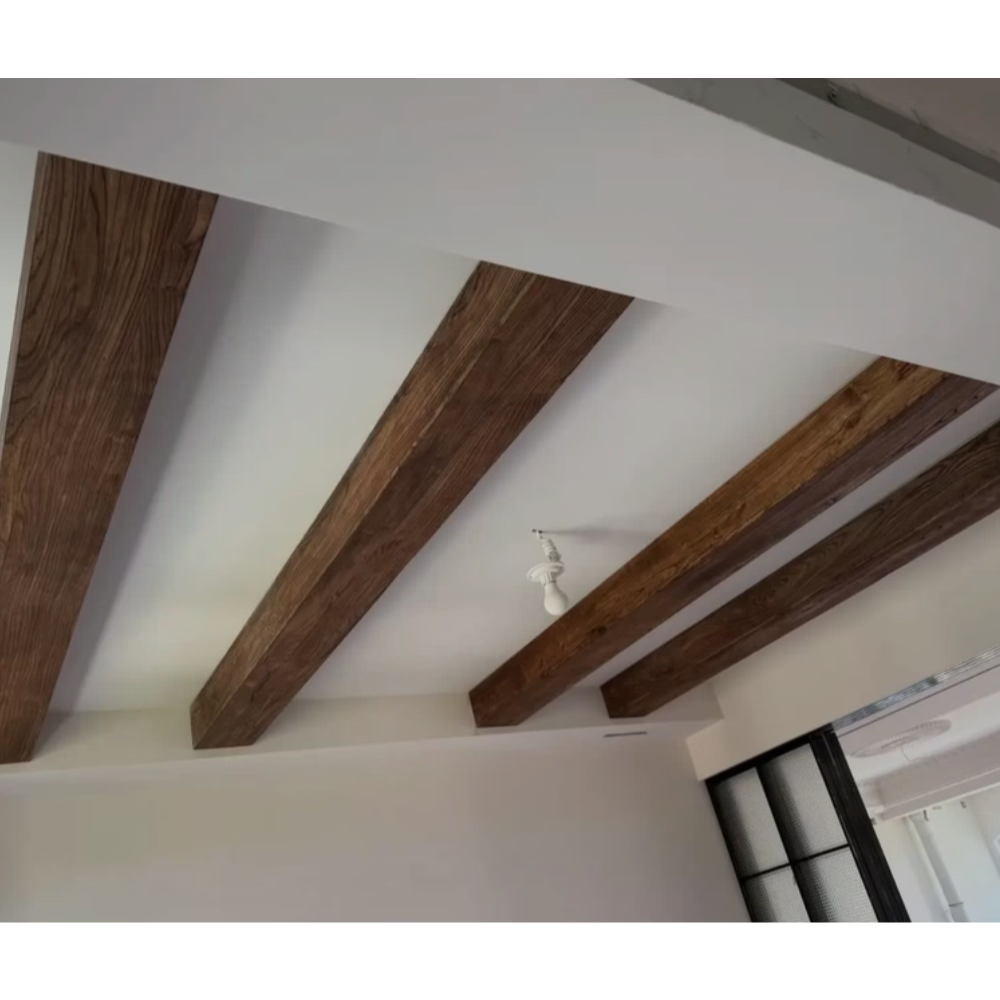
Larger entryways permit more elaborate treatments. Multiple beams arranged in parallel or grid patterns across vaulted or cathedral ceilings create the visual architecture that expansive spaces require. Without these elements, tall ceilings feel hollow and unfriendly; with beams, they feel impressive and grand while maintaining the hospitality that residential entryways must provide.

Design Themes Appropriate for Entryways
The foyer must preview the design language that defines the rest of the home. Contemporary homes benefit from clean-lined beam profiles in neutral finishes that establish modern aesthetics without overwhelming subsequent spaces. Traditional residences accommodate more ornate beam treatments with richer wood tones and decorative detailing that honor classical design principles.
The transition between entryway and adjacent spaces deserves careful consideration. Beam installations should flow naturally toward visible areas, establishing visual continuity that prevents the foyer from feeling like an isolated design exercise unrelated to the rest of the home. Matching beam finishes in visible adjacent rooms—the living room or hallway beyond the foyer—creates the cohesive experience that sophisticated interior design provides.
Color choices for entryway beams should account for the traffic these spaces receive. Darker finishes conceal the scuff marks and accumulated grime that high-traffic areas accumulate faster than protected interior spaces. Alternatively, highly durable polyurethane finishes that tolerate repeated cleaning maintain pristine appearance regardless of the traffic volumes entryways experience.
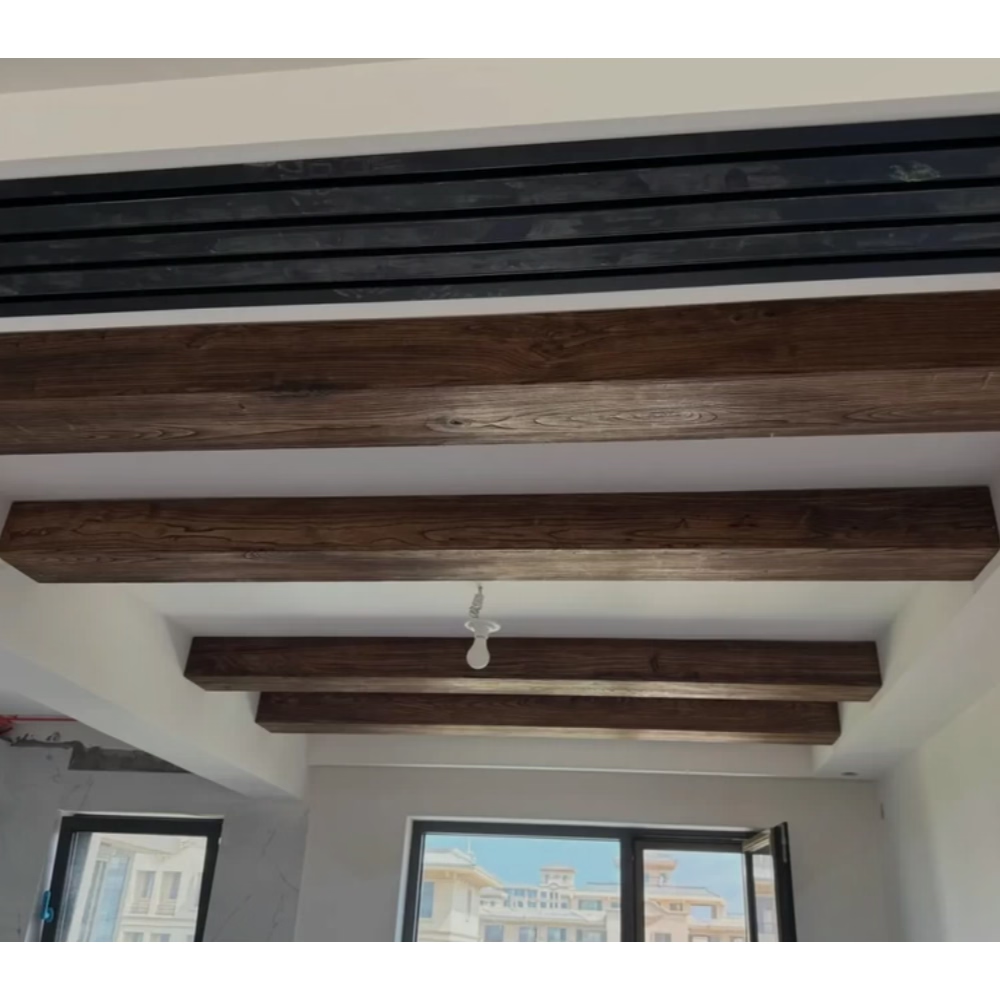
Lighting Integration for Entryway Drama
Foyer lighting serves practical purposes while contributing significantly to the atmosphere created by beam installations. The interplay between beams and light sources transforms otherwise static ceiling treatments into dynamic design features that reward attention throughout the day and evening.
Chandeliers and pendant fixtures gain presence when positioned to interact with beam surfaces. Light reflecting off beam grain highlights texture and finish quality, creating the kind of richness that distinguishes exceptional interior design. Positioning fixtures to avoid direct glare while maximizing reflected light requires careful coordination during installation planning but rewards the effort with dramatic results.
Wall sconces mounted between beams provide functional illumination for areas where overhead fixtures prove impractical. The shadows cast by beam projections create visual interest on surrounding walls, animating these surfaces with moving patterns as light sources activate throughout evening hours. This layered lighting approach prevents the flat, uninteresting appearance that single-source illumination creates.
Material Coordination in Entryway Design
Foyer design requires coordination between multiple materials that must work together harmoniously. Beam finishes should complement rather than compete with flooring materials, wall treatments, and furniture pieces that occupy these spaces. The natural warmth of wood-look beams pairs exceptionally well with stone and tile flooring common in entryways, introducing organic texture that softens the potentially cold feeling of hard surface floors.
Mirror placements in foyers interact interestingly with beam installations. Beams reflected in entryway mirrors create visual doubling that can either enhance or overwhelm depending on how thoughtfully these elements coordinate. Careful positioning of both beams and mirrors prevents confusing reflections while maximizing the perceived depth that mirrors provide.
The furniture pieces appropriate for entryways—console tables, benches, storage pieces—should complement beam styling without duplicating it. A rustic beam installation suggests simpler, more casual furniture choices, while refined beam profiles coordinate with equally sophisticated casegoods. This material dialogue between architectural and furnishing elements creates the layered complexity that makes interiors feel complete.
Durability Considerations for High-Traffic Spaces
Entryways endure more wear than almost any other room in the home. Tracking, weather exposure, impacts from packages and sports equipment, and the general friction of constant use challenge every finish material present. Faux beams manufactured from high-density polyurethane tolerate these conditions remarkably well, maintaining their appearance through years of demanding service.
The material's resistance to moisture proves particularly valuable in entryways adjacent to exterior doors. Water tracked in during rainy weather, snowmelt from winter boots, and the general humidity fluctuations that occur when exterior doors open and close throughout the day create conditions that damage many finish materials. Polyurethane beams accept these challenges without the swelling, warping, or finish deterioration that plague genuine wood in similar circumstances.
Cleaning requirements for entryway beams remain minimal compared to other ceiling treatments. Occasional dusting or light cleaning with standard household products keeps these elements looking fresh without the specialized care that delicate finishes demand. This practical characteristic proves increasingly valuable as families grow busier and maintenance time decreases.
Creating Lasting First Impressions
The foyer accomplishes its purpose when visitors feel welcomed, impressed, and eager to experience what lies beyond. Beam installations contribute to this outcome by establishing immediate visual interest, introducing tactile warmth, and signaling the care and attention that defines the entire home. Every design decision in the entryway broadcasts values and priorities that visitors read unconsciously, forming impressions that persist throughout their stay.
Polyurethane faux beams provide an accessible pathway to foyer designs that accomplish these objectives without requiring the structural modifications, specialized trades, or ongoing maintenance that genuine timber demands. The result—an entryway that welcomes, impresses, and endures—represents precisely the value that thoughtful material selection delivers to residential interior design.
Technical References
ASTM standards cited in every specification
Test Data
Lab results from internal testing program
Updated 2026
Reviewed against current product specs