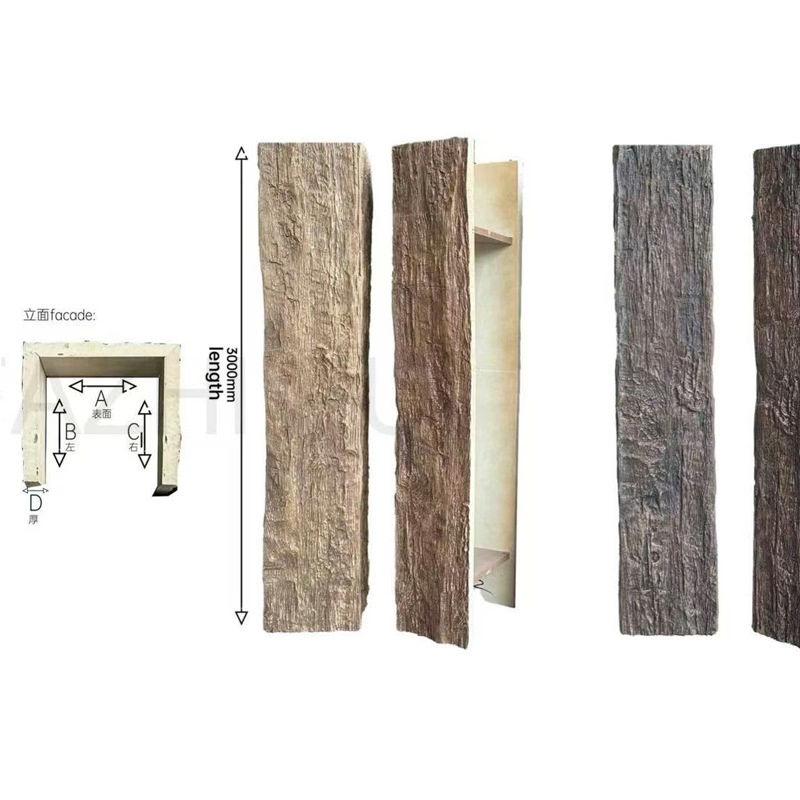
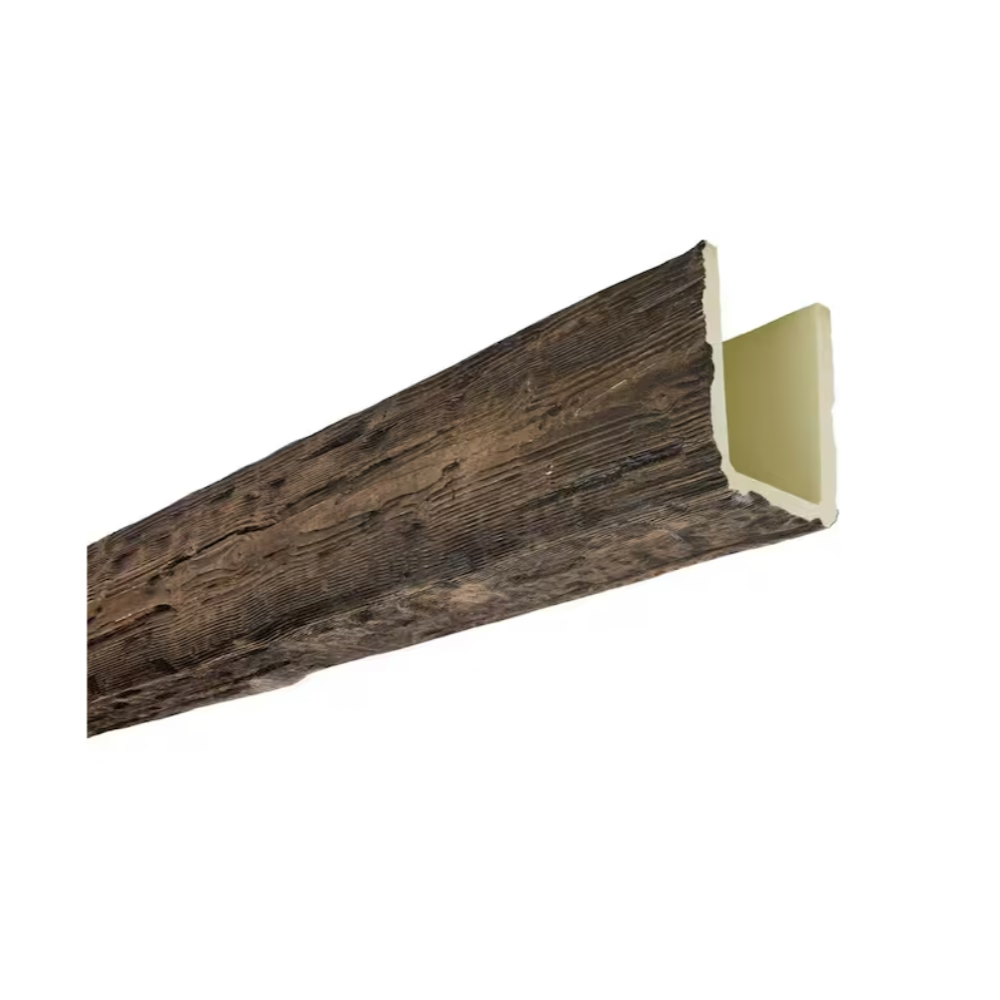
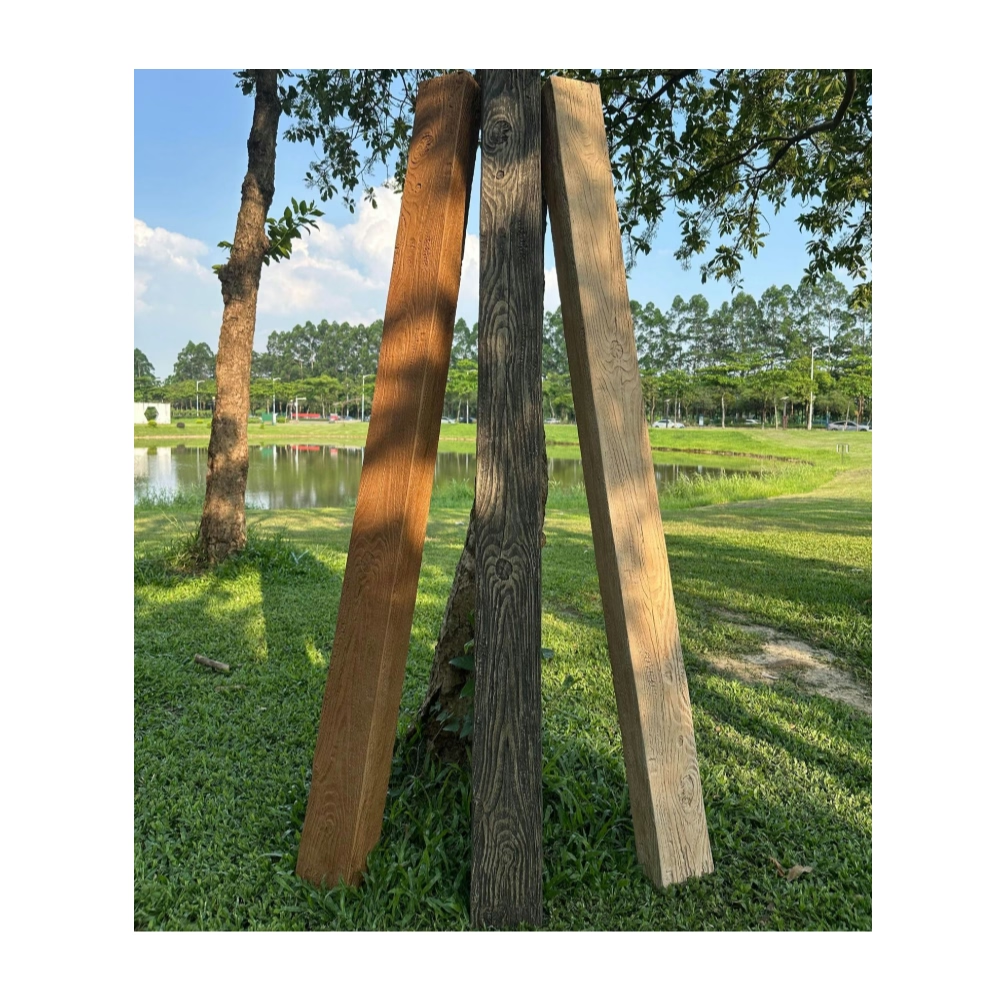
Sunrooms occupy a special place in residential architecture, offering the pleasure of indoor-outdoor living without full exposure to the elements. These light-filled spaces connect us to surrounding landscapes and natural light while providing shelter from wind, rain, insects, and temperature extremes. The unique conditions that sunrooms present—intense light exposure, humidity fluctuations, and temperature variations—create specific challenges for finish materials. Polyurethane faux beams meet these challenges while contributing the warmth and architectural interest that transform functional spaces into cherished living areas.
The design of sunroom interiors requires particular attention to light and atmosphere. Unlike rooms with limited windows, sunrooms receive abundant natural illumination throughout the day, revealing every detail with exceptional clarity. Materials must look attractive not only under artificial lighting but also when bathed in direct sunlight, when filtered through sheer curtains, and when illuminated by the golden hues of early morning or evening. Beam specifications should account for these varied lighting conditions to ensure pleasing appearance across the full range of sunroom experiences.
Embracing Natural Light Conditions
Sunrooms present lighting conditions that differ significantly from conventional interior spaces. South-facing rooms receive consistent direct sunlight throughout the day, creating intense illumination that washes surfaces and reveals every imperfection. North-facing spaces receive softer, more diffused light with different color temperature and shadow patterns. Both orientations require materials that perform well under challenging conditions.
The finish selection for sunroom beams should anticipate the bleaching effect that sustained UV exposure produces over time. Some materials fade, chalk, or discolor when exposed to the concentrated sunlight that sunroom glazing admits. Quality polyurethane beams incorporate UV-stable formulations that resist this degradation, maintaining original color and surface quality through years of sunroom exposure. This UV resistance represents a significant advantage over genuine wood and some composite alternatives.
The shadows cast by beam installations interact beautifully with the natural light that fills sunrooms. As the sun tracks across the sky throughout the day, these shadow patterns shift and animate the space, introducing subtle movement that prevents static feelings even when the room remains unoccupied. This dynamic quality makes sunrooms with beam installations particularly engaging throughout the day, rewarding sustained observation rather than appearing merely pleasant from single vantage points.

Climate Considerations for Sunroom Applications
Sunrooms experience temperature and humidity conditions more extreme than conventional interiors. Glass surfaces admit heat gain during summer months while losing interior warmth during winter, creating cycling that stresses finish materials through repeated expansion and contraction. Humidity levels fluctuate with temperature changes and occasional moisture exposure, creating conditions that challenge materials sensitive to moisture absorption.
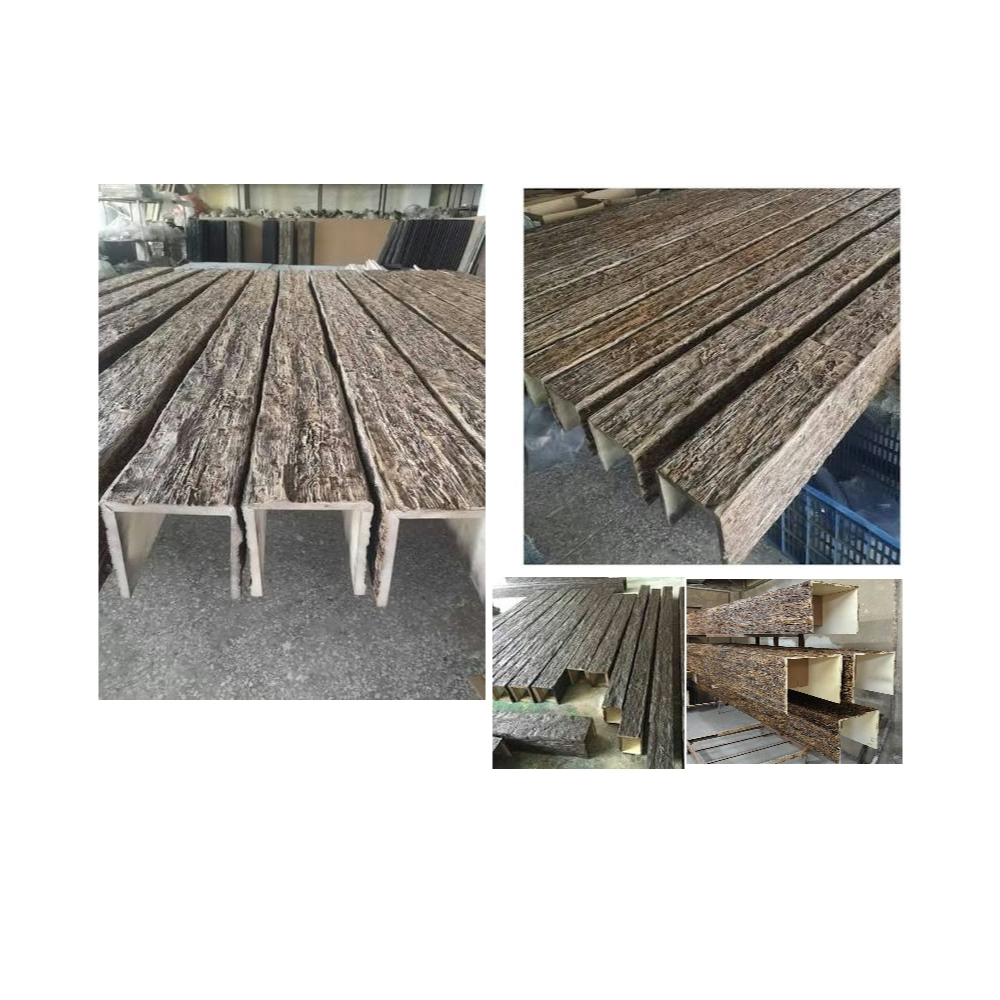
Polyurethane demonstrates excellent tolerance for these climate variations. The material does not absorb moisture, preventing the swelling, warping, and dimensional instability that affects genuine wood in variable humidity conditions. Temperature cycling produces minimal stress on polyurethane formulations designed for exterior applications, ensuring that beam installations maintain original appearance and structural integrity regardless of seasonal conditions.
This climate tolerance extends the useful service life of sunroom beam installations significantly. While genuine wood beams might require replacement after a decade of sunroom exposure due to checking, splitting, or finish deterioration, quality polyurethane installations continue performing reliably for the life of the structure. The practical benefit of reduced maintenance combines with the environmental benefit of fewer replacement cycles requiring manufacturing, transportation, and disposal.
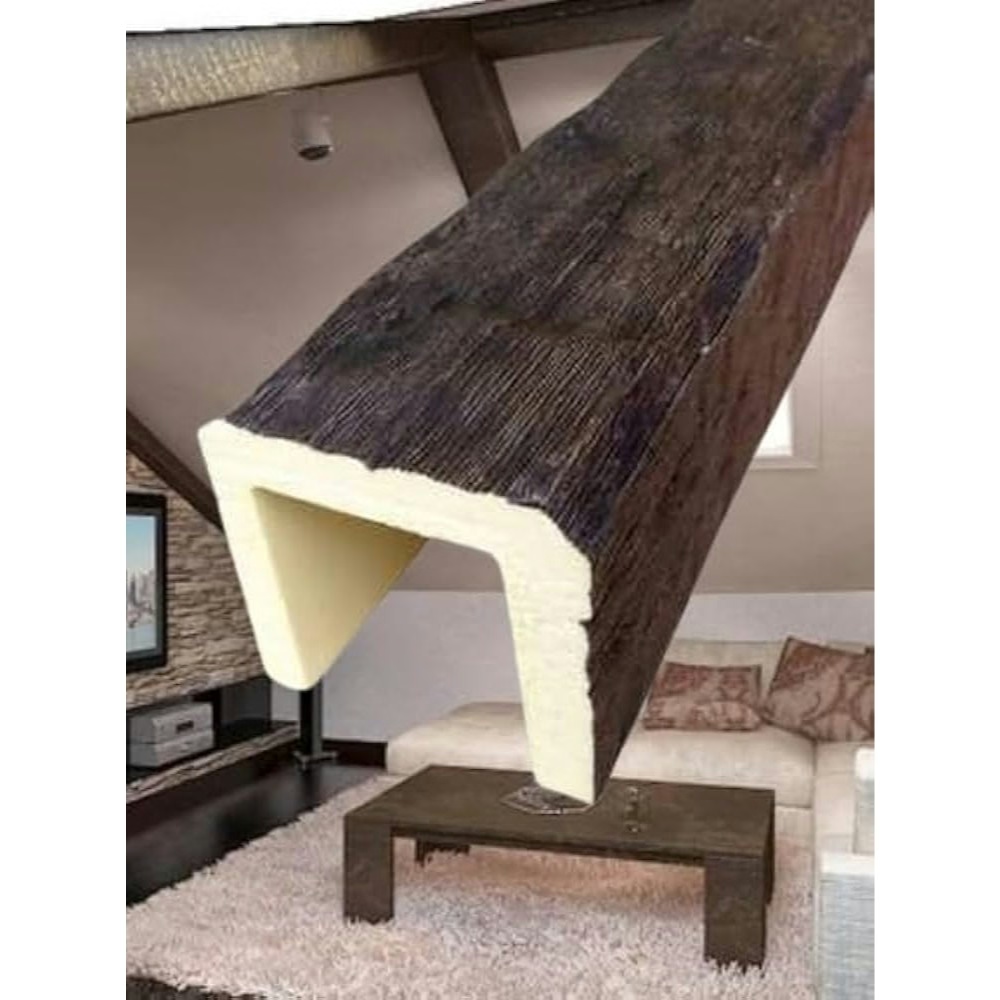
Design Styles for Sunroom Environments
Sunroom architecture spans diverse styles, from traditional solariums with Victorian detailing to contemporary spaces with minimal frames and vast glazing areas. Beam installations should complement these architectural contexts, enhancing rather than contradicting the design language that defines each space. Thoughtful selection ensures that beams contribute to cohesive environments rather than appearing as arbitrary additions.
Traditional sunrooms benefit from correspondingly traditional beam profiles and finishes. Beams with detailing appropriate to classical architectural styles—molded edges, refined proportions, rich wood tones—honor the established aesthetic while providing the warmth and character that makes these spaces inviting. The combination of traditional architecture with warm wood-look beams creates the kind of timeless elegance that ages gracefully.
Contemporary sunrooms accommodate more adventurous beam specifications. Clean-lined profiles with minimal detailing in neutral or painted finishes establish the modern aesthetic that these spaces typically pursue. The simplicity of contemporary beam profiles prevents visual competition with the surrounding views and natural light that justify sunroom construction, supporting rather than undermining the contemporary atmosphere.
Furniture Coordination in Sunroom Settings
Sunrooms typically serve as secondary living spaces where families gather for relaxation, reading, and casual entertainment. The furniture selections appropriate for these spaces range from wicker and rattan through upholstered pieces to casual wood furniture that coordinates with the natural materials often associated with sunroom design. Beam specifications should complement these furniture choices, creating cohesive environments rather than rooms with mismatched elements.
The warmth of wood-look beams pairs naturally with wicker, rattan, and casual wood furniture that populate many sunrooms. This material harmony creates environments that feel intentionally designed rather than assembled from unrelated components. The organic texture of beam surfaces introduces visual interest that enhances rather than competes with the natural materials common in sunroom furnishing schemes.
Upholstered furniture in sunrooms benefits from the visual anchor that beam installations provide. Large, soft furniture pieces can feel unresolved without architectural context, particularly in rooms with expansive glazing and limited wall surface. Beams introduce the vertical presence and visual weight that grounds these furniture arrangements, creating completed looks rather than arrangements that feel temporary or unfinished.
Window Treatment Integration
Sunroom windows typically span large areas, creating challenges for window treatment specification. Treatments must control light effectively while maintaining the visual connection to surrounding landscapes that sunroom construction aims to provide. Beam installations interact meaningfully with these treatment considerations, providing mounting structure and visual framing that influences treatment selection.
When beams span perpendicular to window walls, they create natural intervals that suggest treatment placement. Curtains or shades mounted between beams achieve the layered look that distinguishes refined sunroom design from basic installations. The beams provide visual separation between treatment zones while contributing their own aesthetic value independent of window treatment function.
Light-colored beam finishes reflect and distribute natural light more effectively than dark alternatives in sunroom contexts. While dark beams create dramatic contrast in conventional rooms, they can absorb too much light in sunroom applications, reducing the brightness that makes these spaces distinctive. Lighter finishes—including white, cream, and pale wood tones—maximize the light-amplifying benefits that sunroom architecture provides.
Outdoor Room Transition Design
Many sunrooms function as transitions between fully enclosed interior spaces and completely exposed outdoor areas. Decks, patios, and gardens extend from sunroom walls, creating indoor-outdoor living experiences that blur the boundary between shelter and exposure. Beam installations can emphasize or soften this transition depending on design intent.
Beams that extend from interior ceiling to partially exposed areas create visual continuity that encourages movement between spaces. The architectural language established by interior beams continues through transitional zones, maintaining design coherence across what might otherwise feel like abrupt transitions. This continuity enhances the indoor-outdoor living experience that sunroom construction enables.
The moisture tolerance of polyurethane proves particularly valuable in sunrooms with significant exposure to weather. Rooms with operable windows, those adjacent to pools or gardens, and spaces in humid climates all present moisture challenges that faux beams handle reliably. The material does not rot, warp, or deteriorate when exposed to occasional moisture, ensuring that transitional spaces maintain their appearance through varied weather conditions.
Technical References
ASTM standards cited in every specification
Test Data
Lab results from internal testing program
Updated 2026
Reviewed against current product specs