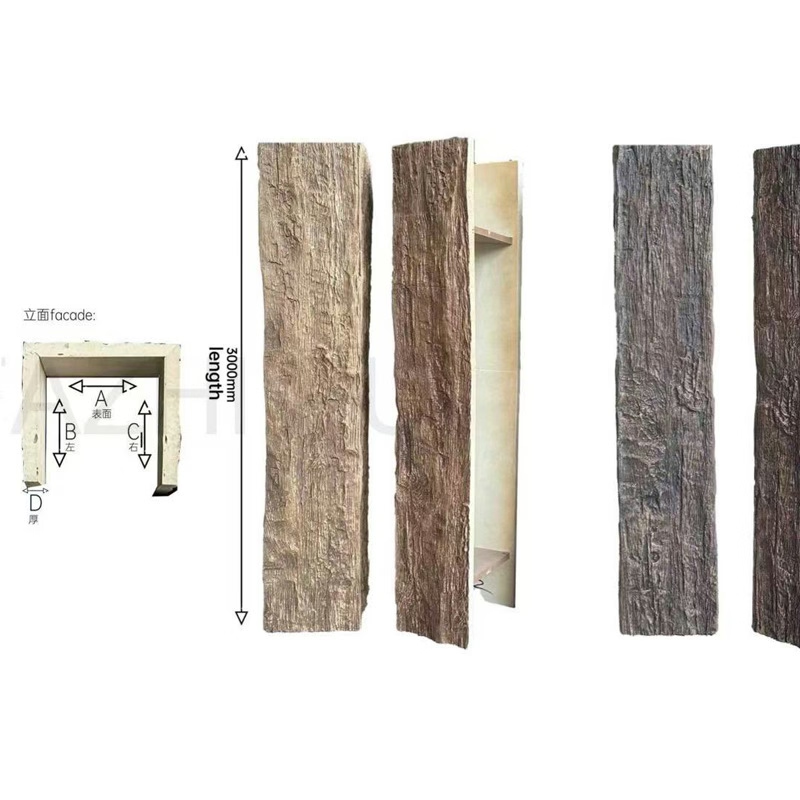
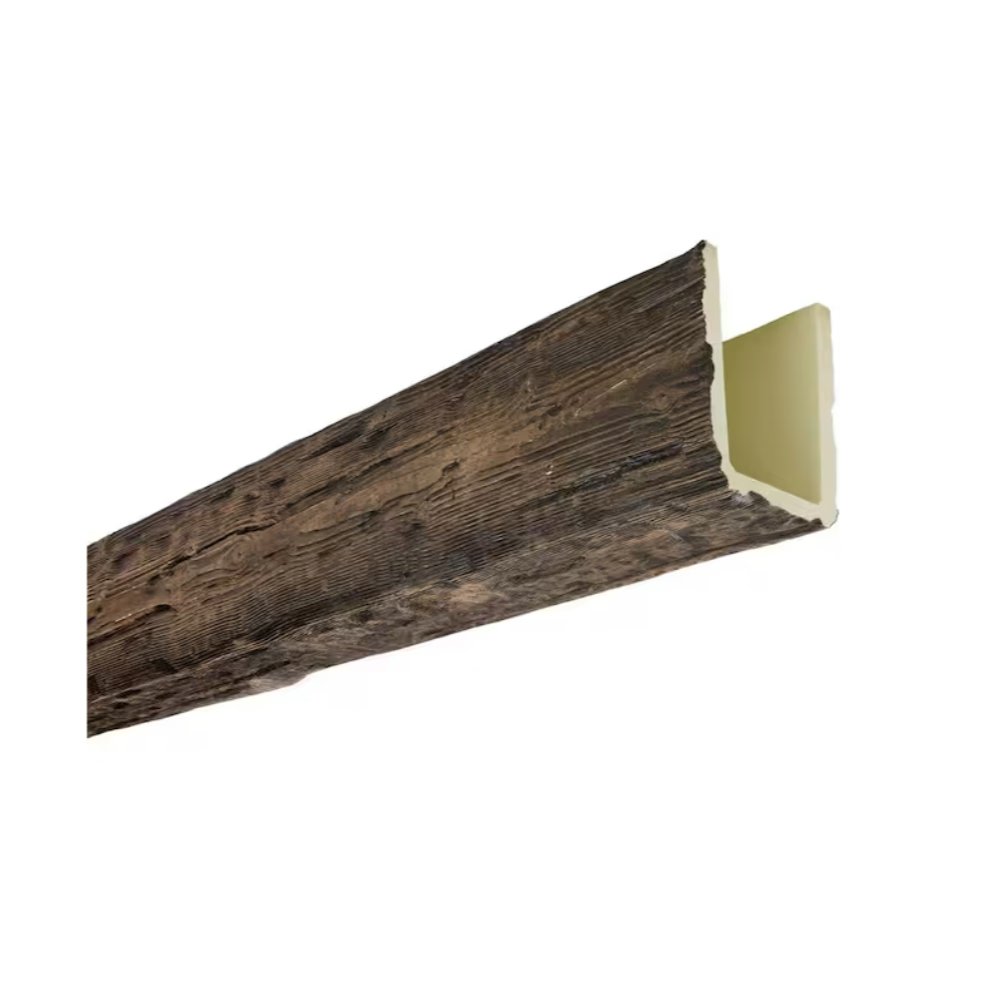
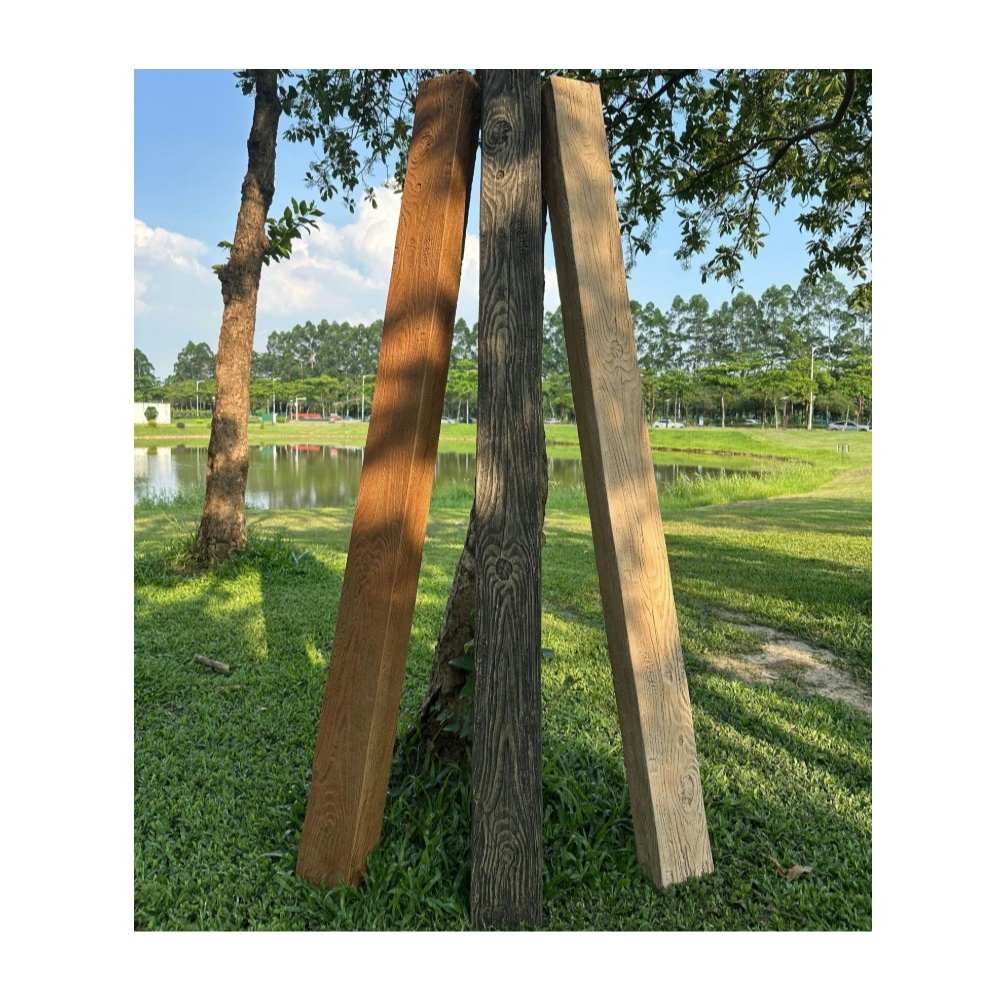
Melbourne holds a special position in the global design conversation. The city has cultivated a reputation for architectural confidence that embraces bold choices while maintaining the sophisticated restraint that distinguishes considered design from mere trend-following. Local homes reflect this sensibility—spaces that feel distinctly Australian while engaging with international design currents. Ceiling beams, whether genuine timber or thoughtful faux alternatives, have found increasing favor in Melbourne residential design, contributing warmth and architectural interest to interiors that might otherwise rely solely on furniture and color for visual impact.
Melbourne's Design Context
The Melbourne design aesthetic resists easy categorization. Victorian-era architecture provides historical context throughout inner suburbs, with ornate plasterwork and tall ceilings that suggest an era when craft details were expected. Contemporary additions to this urban fabric bring modern materials and open-plan thinking that sometimes clash with and sometimes complement their historical neighbors.
This architectural diversity creates opportunities for residential design that other Australian cities handle more uniformly. A Melbourne home might feature polished concrete floors alongside restored ornate fireplaces, or combine minimalist contemporary additions with period-faithful renovations. In this context, ceiling beams offer a design element that bridges these different vocabularies—traditional enough to honor the city's architectural heritage, contemporary enough to serve modern living.
The climate influences design choices in ways that northern hemisphere designers might not immediately consider. Melbourne's famously variable weather—four seasons in a day, as locals say—creates interiors that must feel comfortable across wide temperature and humidity ranges. The thermal mass of quality ceiling beams contributes to this comfort, while their aesthetic warmth counteracts the grey light that often characterizes Melbourne skies.
Wood Beams in Contemporary Melbourne Homes
Contemporary Melbourne residential design increasingly favors clean lines and restrained color palettes. The minimalist tendencies of international modernism blend with local preferences for material authenticity and crafted detail. In this context, wood beams serve as architectural statements that add visual interest without overwhelming the compositional balance that contemporary design values.
The scale of Melbourne homes varies dramatically—from compact Victorian terraces in inner suburbs to generous contemporary houses in outer growth areas. Beam selection and installation must respond to these variations. A grand Victorian entry hall might accommodate substantial structural-looking beams that complement ornate ceiling roses and decorative cornices. A contemporary open-plan addition might favor sleek, minimal beams that integrate with clean architectural lines.
Material choices reflect Melbourne's appreciation for authenticity. While faux beams have advanced significantly in quality, some homeowners and designers still prefer genuine timber for its inherent material integrity. The choice between genuine and faux often depends on budget, structural constraints, and specific aesthetic requirements. Quality faux beams, properly selected and installed, satisfy even discerning Melbourne clients who might initially resist manufactured alternatives.
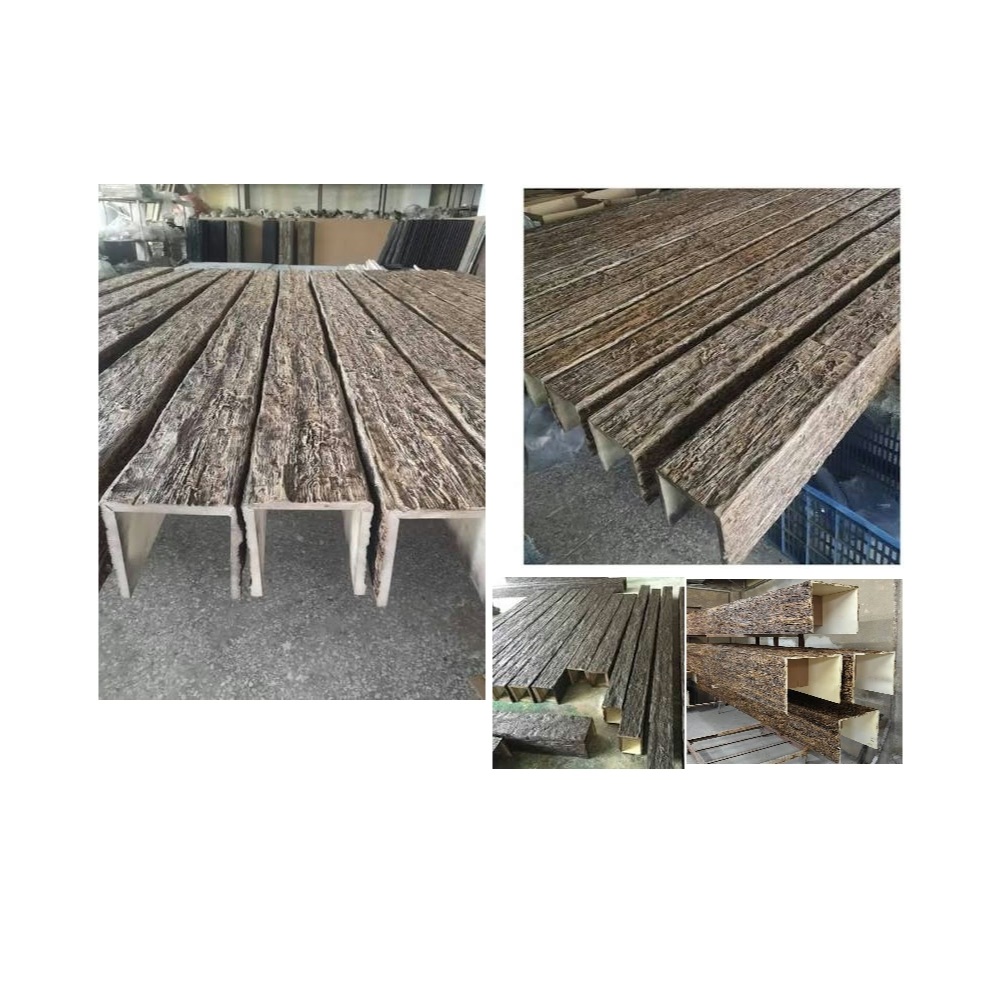
Regional Considerations for Beam Installation
Australian construction practices and building codes establish specific requirements that beam installations must address. Understanding local conditions helps ensure successful outcomes that satisfy both regulatory requirements and design intentions.
Timber availability in Australia differs from northern hemisphere markets. Australian hardwoods—spotted gum, blackwood, Tasmanian oak—offer distinctive grain patterns and color ranges that some clients specifically request. Faux beams can replicate these local species, providing the authentic material reference that clients desire while offering practical advantages over genuine Australian hardwood. The ability to specify exact species appearance without sourcing limitations expands design possibilities considerably.
Climate variation across Melbourne's suburban sprawl affects material performance. Inner suburbs benefit from the urban heat island effect, experiencing milder temperatures than outer suburbs where frosts occur more frequently. These temperature variations influence expansion and contraction in building materials, including ceiling beams. Quality faux beams handle these variations without the dimensional instability that can affect natural timber in less stable conditions.

Building inspection requirements in Victoria ensure that ceiling modifications meet safety and structural standards. In most residential applications, ceiling beams are decorative rather than structural, but the distinction requires clear understanding. Faux beams' lightweight nature simplifies compliance in this regard, as they add minimal load to existing ceiling structures. Engineering certification is rarely required for quality faux beam installations.
Design Approaches for Different Melbourne Home Types
Victorian and Edwardian terraces represent a significant portion of Melbourne's residential architecture. These homes feature characteristic ceiling heights, ornate plasterwork, and often compromised original fabric that renovation addresses. Beam installation in these homes requires sensitivity to existing architectural elements while introducing contemporary design language.
The ornate cornices, ceiling roses, and decorative friezes common in period homes create both opportunities and constraints for beam installation. Beams can frame these elements, creating visual relationships that honor the original architecture while establishing contemporary interventions. Alternatively, beams can run through decorative elements, creating deliberate contrasts between period ornament and modern simplicity.
Contemporary Melbourne houses present different opportunities. Open-plan ground floors with generous ceiling heights provide substantial space for beam installations that can become major design features. The architectural visibility of beams in these spaces means that selection and installation deserve the same design attention given to major furniture pieces or feature walls.
Bedroom and Bathroom Applications
Private spaces like bedrooms and bathrooms benefit from beam installations that introduce warmth without the visual intensity appropriate for living areas. The ceiling becomes a resting place for the eye, contributing to the calm atmosphere that these spaces require.
Master bedrooms with ensuites often feature beams that span from the sleeping area into the bathroom, creating visual continuity while separating functional zones. The moisture-resistant properties of quality faux beams make them particularly suitable for bathroom applications where humidity would challenge natural timber.
Guest bedrooms and children's rooms present their own considerations. Family homes with active children may benefit from beams that add visual interest without the fragility of genuine timber or lower-quality imitations. Faux beams' resistance to impacts and scratches maintains appearance despite the wear that busy households impose.

The Practical Melbourne Case
Melbourne's design-conscious population evaluates purchases on multiple criteria simultaneously—appearance, quality, sustainability, and value. Quality faux beams address each of these considerations in ways that support their specification.
The environmental dimension increasingly influences purchasing decisions in Melbourne. Quality faux beams made from recyclable materials offer sustainability advantages over genuine timber, particularly when the alternative might be old-growth or endangered species timbers. The reduced transportation footprint of lightweight faux beams also appeals to environmentally conscious consumers.
Maintenance requirements matter in Melbourne's busy households. Both partners often work full-time; children maintain active schedules; maintaining the home competes with many other demands. The low-maintenance nature of faux beams—cleanable with standard household products, resistant to the issues that plague natural timber—aligns with the practical realities of contemporary Melbourne family life.
Long-term value considerations favor quality faux beams in many applications. The initial cost advantage over genuine timber, combined with reduced maintenance costs and extended lifespan, often results in favorable total cost of ownership. For clients who plan to remain in their homes long-term, this value proposition proves increasingly attractive.
Contributing to Melbourne's Design Future
Melbourne's reputation as a design city depends on the accumulated decisions of homeowners, architects, and designers who shape the built environment. Each successful project contributes to the city's design fabric; each misstep leaves its mark as well. Thoughtful beam installations—selected for quality, designed with attention to context, and installed with professional care—contribute positively to this ongoing conversation.
The versatility of faux beams enables design solutions that would be impractical or impossible with genuine timber. Custom sizes, unusual configurations, challenging structural conditions—all become viable when quality faux beams are specified. This flexibility serves Melbourne's design community by removing material limitations from creative thinking.
Melbourne homeowners who choose beam installations, whether genuine or quality faux, participate in a tradition that connects contemporary living with the architectural wisdom of previous generations. The enduring appeal of wood in interior design reflects something fundamental about human comfort—the tactile connection to natural materials that manufactured alternatives cannot entirely replicate. When quality faux beams successfully provide this connection, they serve both aesthetic and psychological purposes that justify their place in Melbourne's residential interiors.
Technical References
ASTM standards cited in every specification
Test Data
Lab results from internal testing program
Updated 2026
Reviewed against current product specs