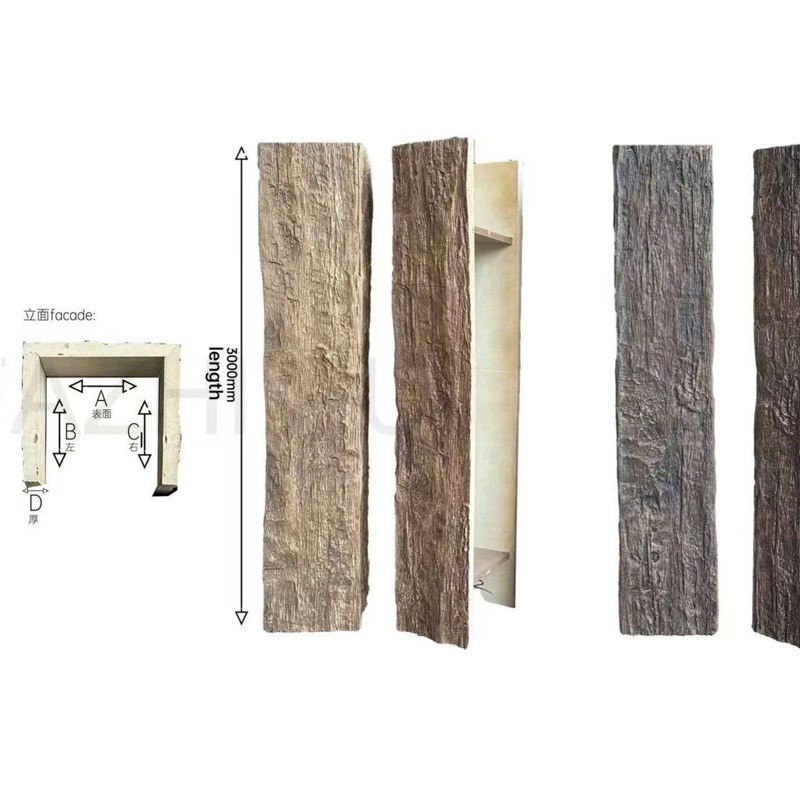
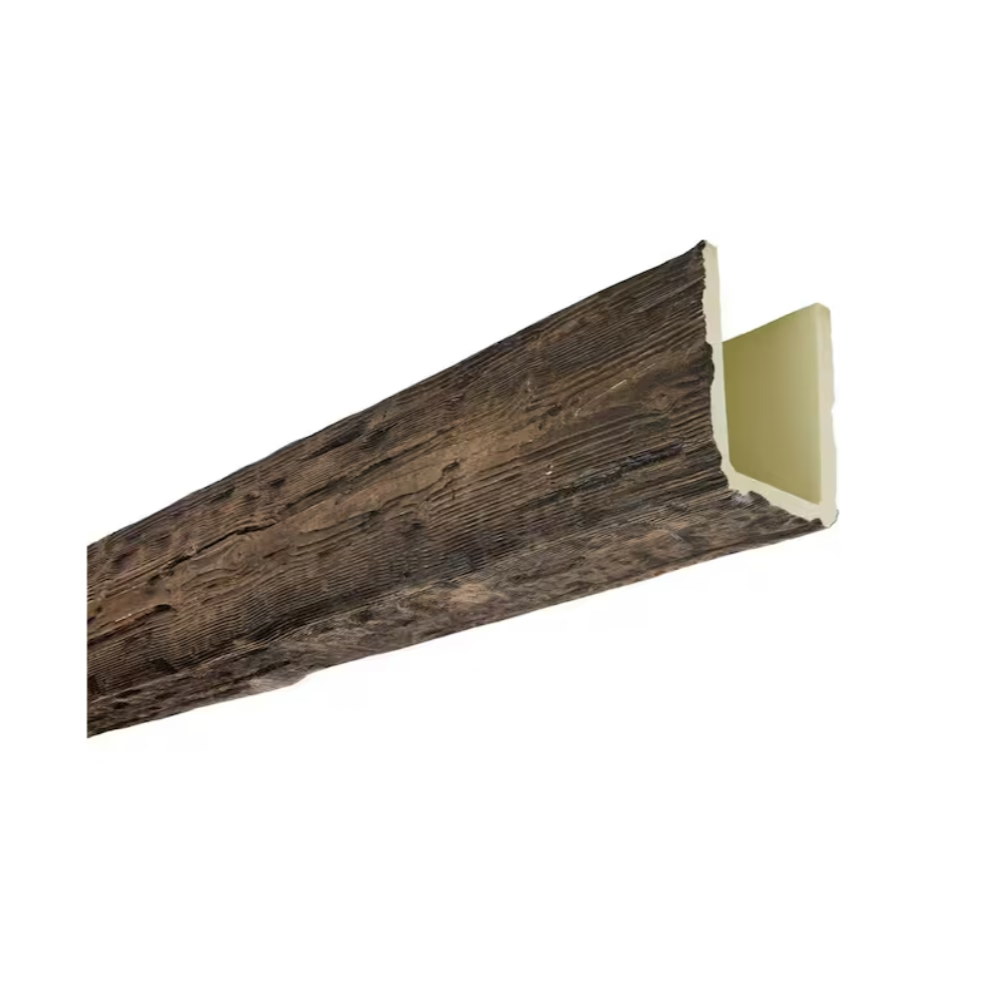
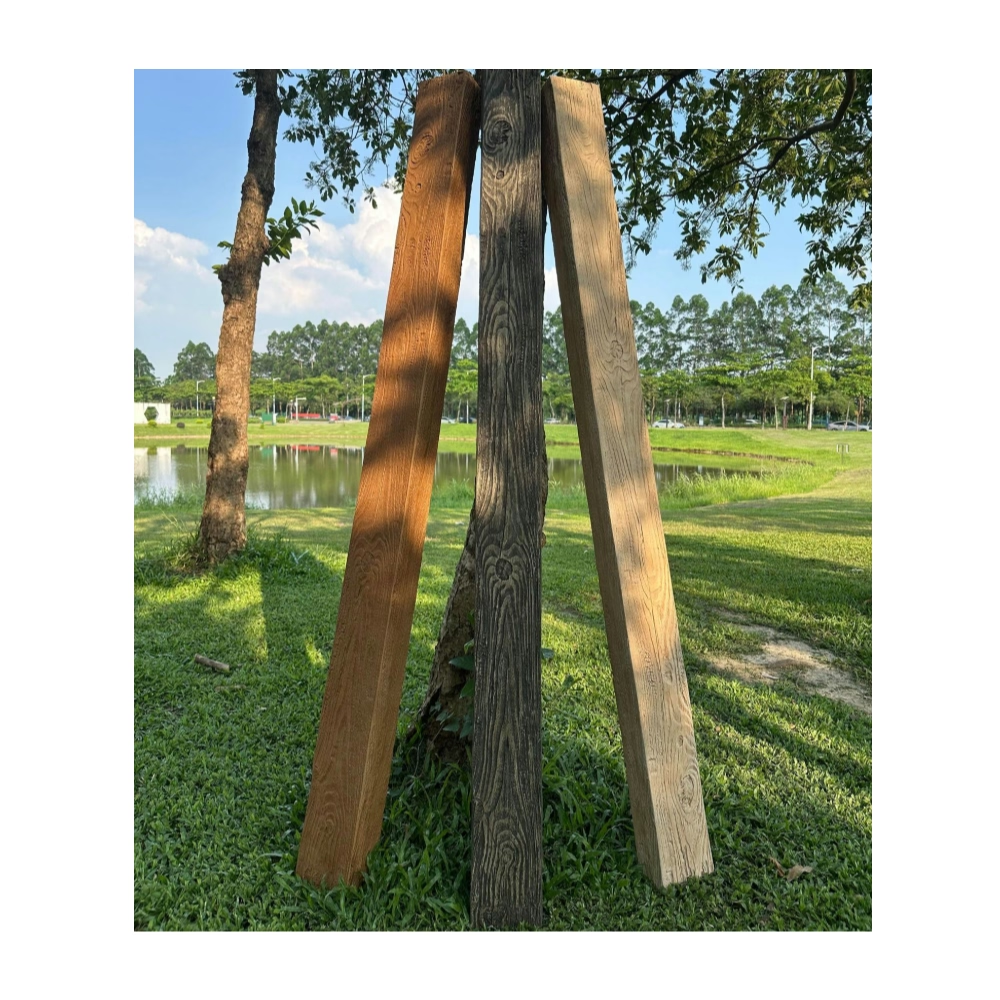
Every finished basement tells a story about choices made under uncertain conditions. The homeowner who selected those ceiling tiles, the contractor who installed that flooring, the designer who specified those light fixtures—all worked with incomplete information about how the space would perform over time. Moisture remains the great unknown in basement projects, capable of transforming a confidently decorated space into a maintenance headache. Moisture-proof faux beams represent a category of material designed explicitly for this uncertainty, providing aesthetic consistency regardless of what moisture conditions might develop.
The Spectrum of Basement Moisture Conditions
Basement environments do not present uniform moisture challenges. Some basements remain dry year-round, with humidity levels comparable to above-grade spaces. Others experience seasonal moisture issues that require active management during humid months. A minority of basements face persistent moisture problems that demand continuous attention. Understanding where a specific basement falls on this spectrum informs material selection decisions.
Dry basements—those with effective perimeter drainage, properly installed foundation waterproofing, and reliable interior dehumidification—create conditions where most finishing materials perform adequately. In these spaces, the case for moisture-proof materials rests on insurance rather than necessity: protecting against the rare moisture event that might occur despite precautions.
Seasonal moisture challenges affect basements without comprehensive moisture management. Summer humidity creates condensation on cool surfaces; winter freeze-thaw cycles can stress foundation walls and create temporary moisture intrusion. Materials in these spaces must tolerate cycling conditions that push the limits of standard specifications.
Persistent moisture problems, whether from high water tables, compromised foundation systems, or plumbing issues, demand materials capable of prolonged exposure without degradation. In these challenging environments, moisture-proof specifications become essential rather than optional; only materials designed for wet conditions will survive.
Defining Moisture-Proof Performance
Moisture-proof claims require specific meaning to be useful in material selection. The term indicates that a material will not absorb water, will not be damaged by water contact, and will maintain its dimensional stability despite moisture exposure. Understanding these performance dimensions helps specify products appropriately.
Water absorption rating measures how much moisture a material takes up when submerged or exposed to prolonged contact. Materials with high absorption ratings can swell, warp, or become heavy when wet; moisture-proof materials show negligible absorption even under extended exposure. This characteristic determines whether materials can survive the condensation and occasional spills that basement environments produce.
Dimensional stability under moisture exposure indicates whether materials maintain their shape when humidity levels change. Wood absorbs moisture unevenly across its structure, creating internal stresses that eventually manifest as warping or cracking; moisture-proof materials maintain dimensions regardless of humidity conditions. This stability ensures that beam joints remain tight and appearances stay consistent over time.
Biological resistance accompanies moisture-proof performance in quality materials. Materials that absorb moisture create environments where mold, mildew, and bacterial growth can flourish; moisture-proof materials deny these organisms the water they need to colonize. This resistance maintains appearance and prevents health concerns that biological growth would create.
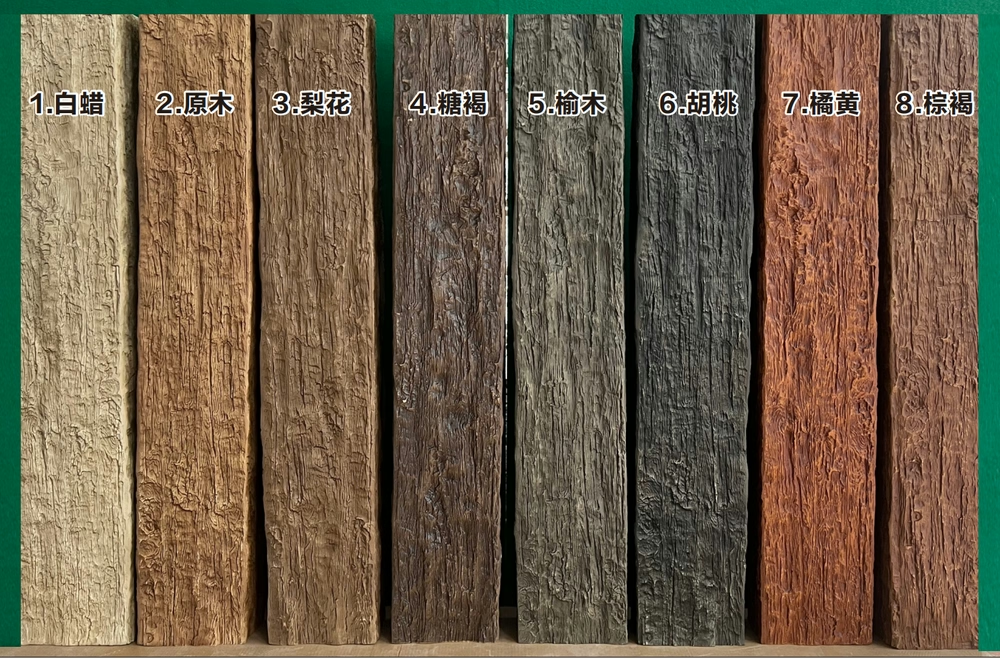
Faux Beam Moisture-Proof Construction
Quality moisture-proof faux beams achieve their performance through material composition and construction techniques that eliminate the vulnerabilities that organic materials present. Understanding how these beams are made clarifies why they perform as they do.
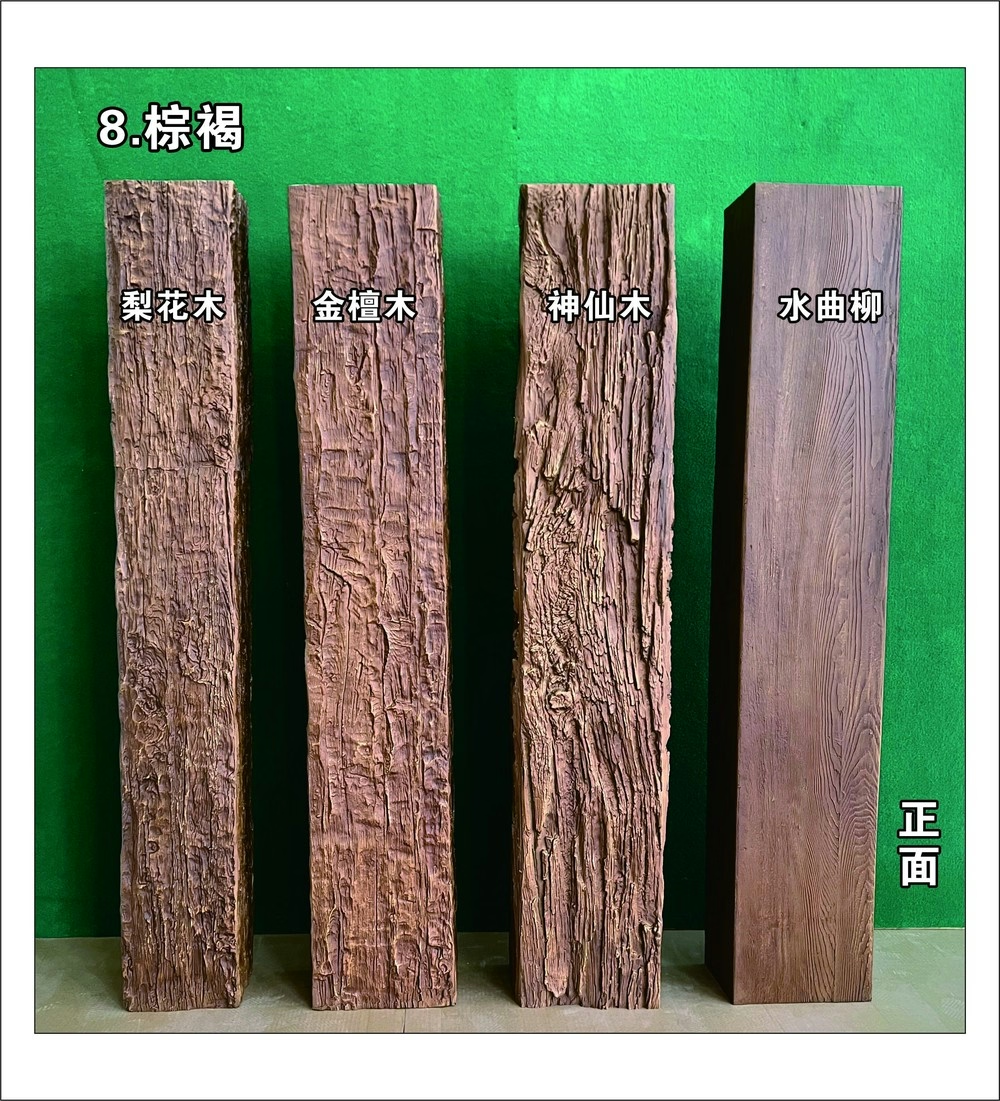
High-density polyurethane forms the structural core of moisture-proof faux beams. This material repels water at a molecular level, preventing absorption that would compromise performance. The closed-cell structure of quality polyurethane creates an effective moisture barrier throughout the beam cross-section, not just at surface coatings that might wear or damaged over time.
Surface finishes on moisture-proof beams complement rather than provide the primary moisture resistance. These finishes may add visual depth, protect against UV exposure, or provide specific aesthetic qualities, but they do not create the fundamental moisture barrier that the core material provides. When surface finishes are damaged, the underlying moisture-proof performance remains intact.
Joint construction in moisture-proof beam systems addresses the connection points where water might otherwise penetrate. Quality systems employ sealants, gaskets, or interlocking profiles that maintain moisture barriers at joints. The attention to these details distinguishes quality moisture-proof systems from alternatives that provide moisture-resistant surfaces without comprehensive moisture-proof performance.
Designing Basement Spaces with Moisture-Proof Beams
The aesthetic potential of moisture-proof beams equals or exceeds that of natural wood alternatives. Without the constraints that moisture sensitivity imposes, designers and homeowners can specify beams for applications where natural wood would fail, creating ceiling treatments that would otherwise be impractical.
Bathroom basements—where showers, toilets, and sinks create persistent humidity—represent ideal applications for moisture-proof beams. The aesthetic warmth of wood grain in these spaces would otherwise be unavailable without accepting maintenance burdens that organic materials would impose. Moisture-proof beams provide this warmth with confidence.
Home theater basements benefit from beams that can survive the humidity that audiovisual equipment generates. Projectors, speakers, and electronic components all produce heat that can elevate local humidity; beams positioned above this equipment need not worry about moisture damage that might occur in less protected locations.
Wine cellar basements maintain specific humidity levels for proper wine storage. Beams in these spaces must tolerate elevated humidity without degradation; moisture-proof performance ensures that ceiling treatments do not become maintenance concerns in environments designed specifically for humidity control.

Game rooms, craft spaces, and hobby areas often generate humidity through their intended uses. The moisture from extensive plant arrangements, the humidity from workshop activities, the condensation from cold beverage containers—all these sources create basement moisture challenges that moisture-proof beams accommodate without concern.
Installation in Challenging Conditions
Moisture-proof beams can be installed in conditions that would prevent natural wood installation entirely. This expanded installation envelope creates possibilities that traditional materials cannot address.
New construction basements with uncertain future conditions benefit from moisture-proof materials from the start. Even when initial moisture testing suggests dry conditions, the history of basement construction includes numerous examples of problems that emerged only after the space was finished and occupied. Installing moisture-proof materials provides insurance against these uncertainties.
Renovation projects in basements with documented moisture history can proceed with confidence when moisture-proof beams are specified. The certainty that beams will not be affected by residual moisture, seasonal fluctuations, or future water events allows design decisions to focus on aesthetic goals rather than moisture management concerns.
Emergency renovations—where time pressures prevent comprehensive moisture investigation—benefit from the assurance that moisture-proof materials provide. When basements must be made habitable quickly after flooding, water damage, or other moisture events, specifying moisture-proof materials removes one category of concern from the many that emergency projects must address.
Long-Term Performance Verification
Moisture-proof performance claims should be verified through appropriate documentation and testing. Quality manufacturers provide evidence supporting their moisture-proof specifications, enabling informed specification decisions.
Independent testing results from accredited laboratories provide objective verification of moisture-proof performance. These tests evaluate water absorption, dimensional stability, and biological resistance under controlled conditions. Products with documented test results offer assurance that marketing claims about moisture-proof performance are accurate.
Warranty coverage reflects manufacturer confidence in product performance. Extended warranties that cover moisture-related failures indicate manufacturer commitment to moisture-proof claims. The specific terms of warranty coverage—including what conditions trigger warranty protection and how claims are processed—inform expectations about real-world performance.
Field performance history provides additional evidence of moisture-proof capability. Products that have performed reliably in challenging applications over extended periods offer confidence that new installations will perform similarly. Manufacturer experience and customer testimonials support the technical specifications that formal testing provides.
The Value of Moisture-Proof Certainty
Basement decoration projects succeed when completed installations meet the expectations that motivated the renovation. Moisture problems that develop after completion undermine these expectations, creating maintenance burdens and appearance deterioration that diminish satisfaction. Specifying moisture-proof materials eliminates this category of concern, allowing basement spaces to fulfill their design potential.
The premium that moisture-proof materials command over standard alternatives represents insurance against basement moisture risks. For many applications, this insurance proves unnecessary—conditions remain dry and standard materials perform adequately. But for applications where moisture exposure is likely, uncertain, or guaranteed, the moisture-proof premium provides value that justifies the investment.
Quality moisture-proof faux beams combine the aesthetic warmth of wood grain with performance that basement environments demand. This combination enables design possibilities that would otherwise be impractical, transforming moisture-challenged spaces into comfortable, attractive living areas that meet family needs for years to come.
Technical References
ASTM standards cited in every specification
Test Data
Lab results from internal testing program
Updated 2026
Reviewed against current product specs