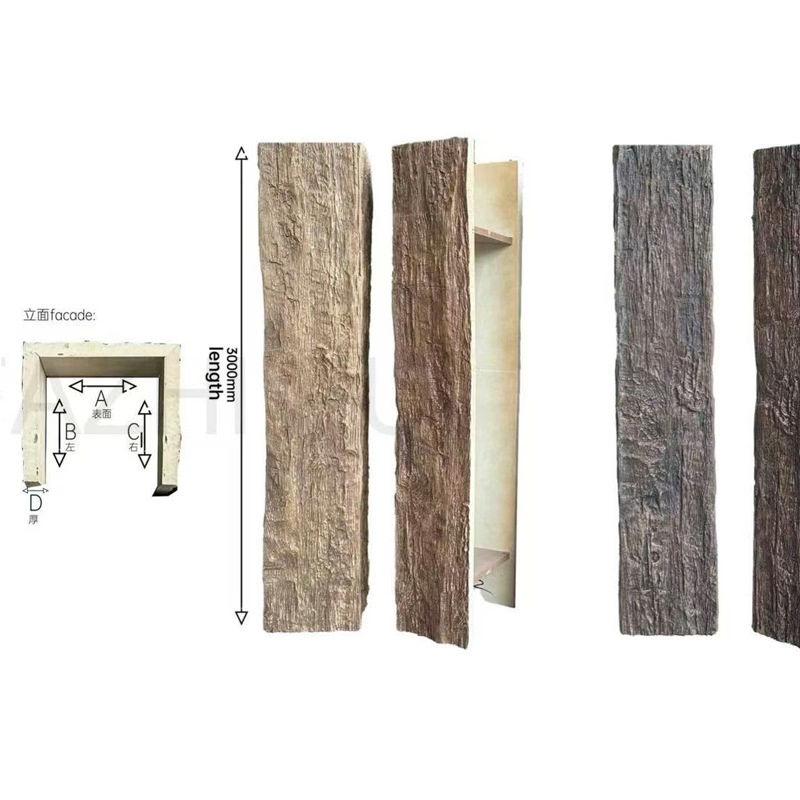
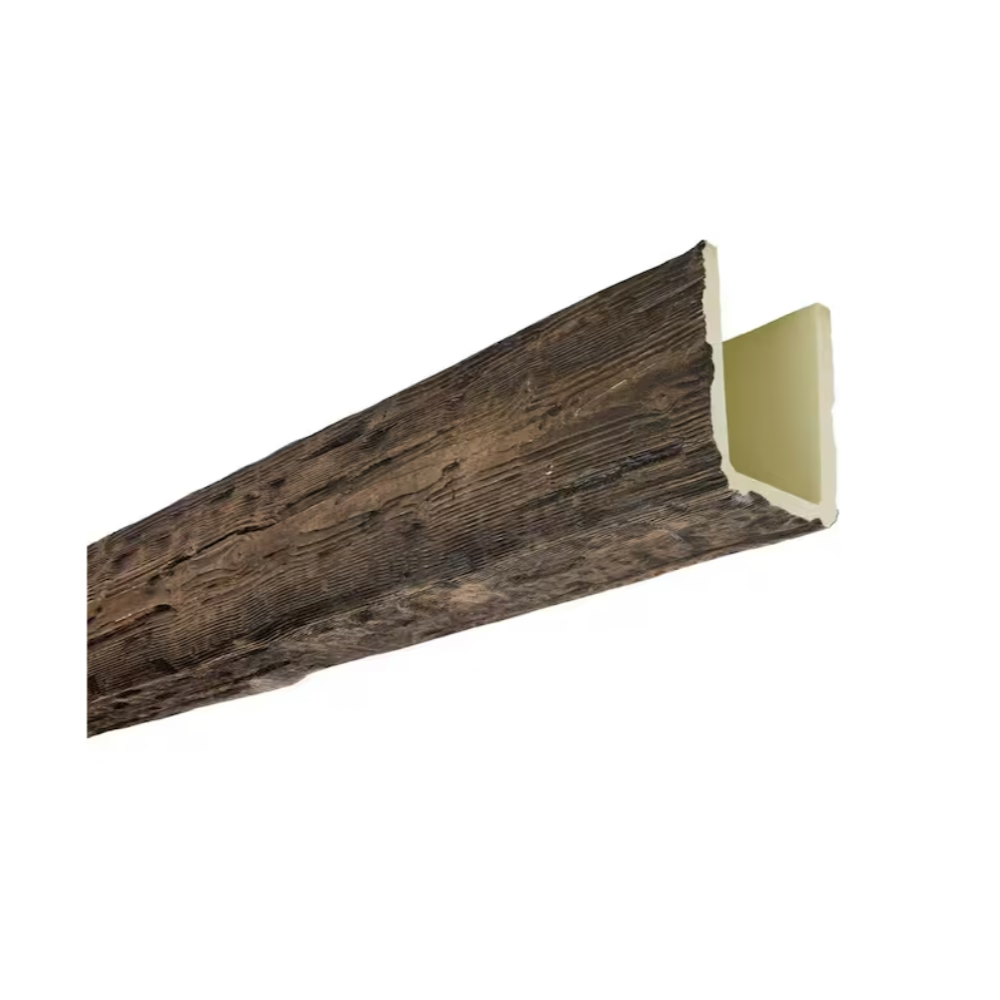
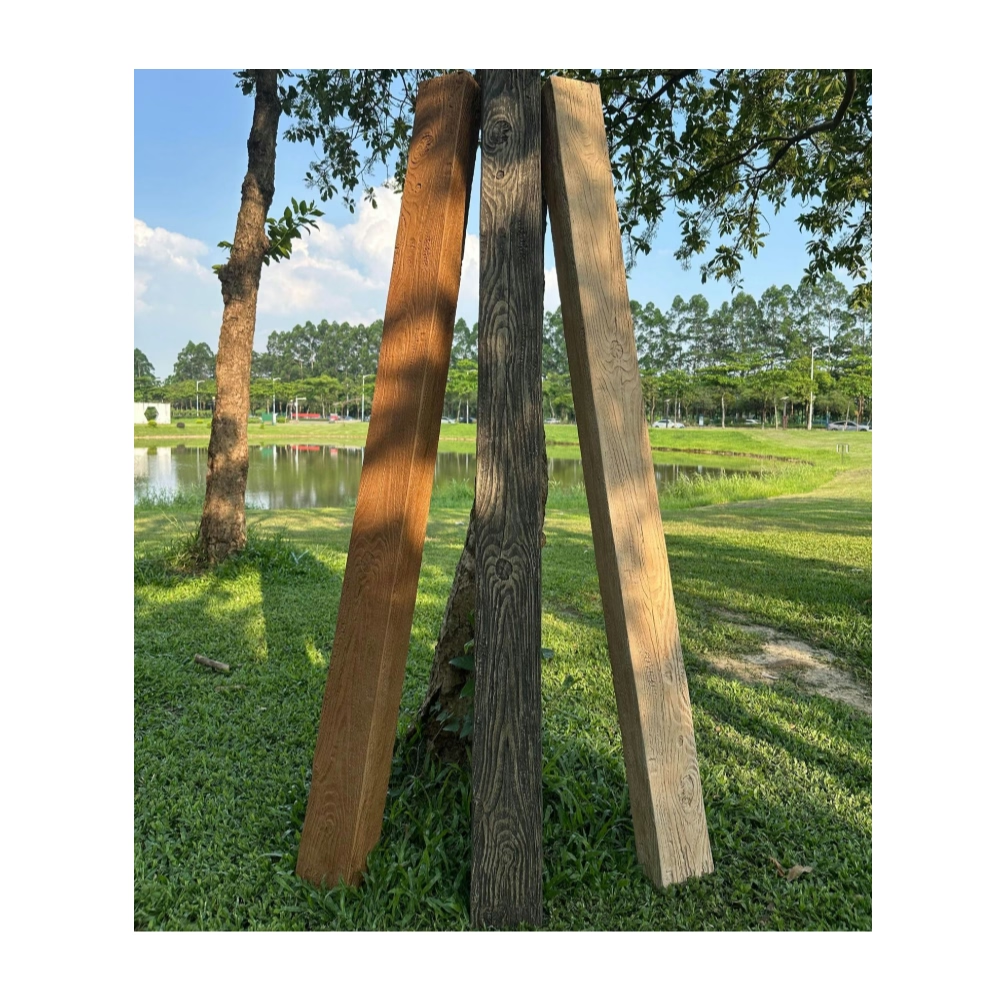
Salt air carries more than ocean breezes—it carries the persistent threat of corrosion, degradation, and accelerated aging that distinguishes coastal construction from interior applications. Beach homes occupy a unique position in residential design, simultaneously celebrating openness to the environment and requiring defenses against that environment's most aggressive characteristics. Ceiling beams in these homes must navigate this tension, providing the warmth and natural character that beach living celebrates while surviving conditions that would quickly compromise natural wood and many alternatives.
Understanding the Coastal Environment
Coastal humidity differs from inland conditions in ways that affect material selection significantly. The combination of salt, moisture, and persistent air movement creates degradation mechanisms that inland materials never encounter.
Salt aerosols accelerate corrosion of metal components and can affect organic materials in ways that pure moisture does not. The tiny salt crystals that ocean breezes carry infiltrate building envelopes through gaps, cracks, and ventilation systems, depositing their corrosive burden on any surface they contact. Materials that might survive inland humidity easily can fail rapidly in coastal environments when salt exposure is added.
Wind-driven rain penetrates coastal buildings more aggressively than rainfall affects inland structures. The combination of wind velocity and rain direction creates water penetration that standard construction details do not anticipate. Even well-sealed buildings experience some wind-driven rain infiltration, and materials in these spaces must tolerate the moisture exposure that results.
UV exposure near coastlines tends to be more intense than inland, as salt particles in the air and the reflection from water surfaces increase total radiation exposure. This elevated UV accelerates the degradation of materials that would otherwise perform adequately, including some surface coatings and protective treatments that coastal applications require.
Why Natural Wood Fails at the Coast
Natural wood faces compounded challenges in coastal environments that ultimately prove fatal regardless of wood species or treatment quality. Understanding these challenges explains why synthetic alternatives have found such receptive markets among coastal builders and homeowners.
Salt accumulation within wood fibers creates internal corrosion that weakens the material from within. Even heartwood from naturally resistant species cannot prevent salt penetration; the cellular structure that provides natural resistance to freshwater exposure offers no protection against the ionic mechanisms that salt uses to infiltrate materials.
Biological degradation accelerates in coastal conditions. The combination of persistent moisture, moderate temperatures, and salt nutrients creates ideal conditions for mold, mildew, and fungal growth that would develop more slowly in inland environments. Once biological degradation begins, it typically progresses rapidly as the initial damage provides easier access for continued colonization.
Maintenance requirements for natural wood at the coast exceed what most homeowners can provide consistently. The frequency of cleaning, sealing, and treatment that coastal wood requires to maintain its appearance and structural integrity would demand attention that family and professional schedules rarely allow. Failure to maintain wood adequately leads to accelerated deterioration that makes the initial cost savings over synthetic alternatives disappear quickly.
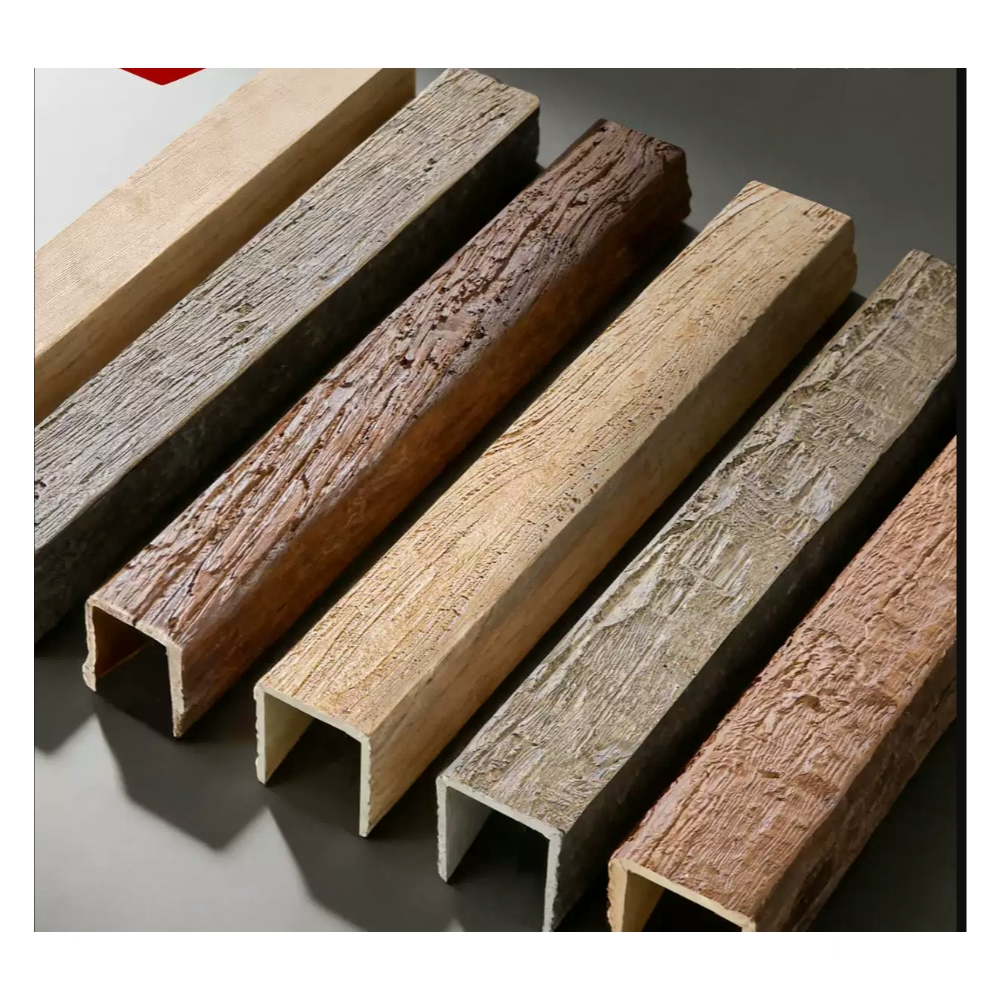
Coastal Polyurethane Performance
Polyurethane faux beams provide performance characteristics that coastal environments demand. These manufactured materials address the specific challenges of salt air, moisture exposure, and UV intensity that make natural materials impractical at the coast.
Salt resistance in quality polyurethane prevents the corrosion and accumulation that affects metal components and organic materials alike. Salt crystals that deposit on polyurethane surfaces can be cleaned away without leaving corrosive residues or causing surface damage. This resistance preserves appearance and structural integrity despite continuous salt exposure.
Moisture resistance addresses the persistent humidity and occasional wind-driven rain that coastal buildings experience. Polyurethane does not absorb the moisture that condenses on cool surfaces or penetrates through building envelope deficiencies. This resistance prevents the swelling, warping, and biological colonization that moisture absorption initiates in vulnerable materials.
UV stability in quality coastal formulations prevents the surface degradation that affects some plastics under intense coastal radiation. Additives that absorb or dissipate UV energy maintain surface integrity and color stability despite years of exposure to elevated radiation levels. This stability preserves the appearance that makes wood-look beams desirable while providing the durability that coastal applications require.
Design Applications for Coastal Homes
Coastal architecture often emphasizes openness, natural light, and connection to the exterior environment. Beams in these spaces contribute to the warm, natural aesthetic that contrasts with the sometimes clinical quality of contemporary coastal design.
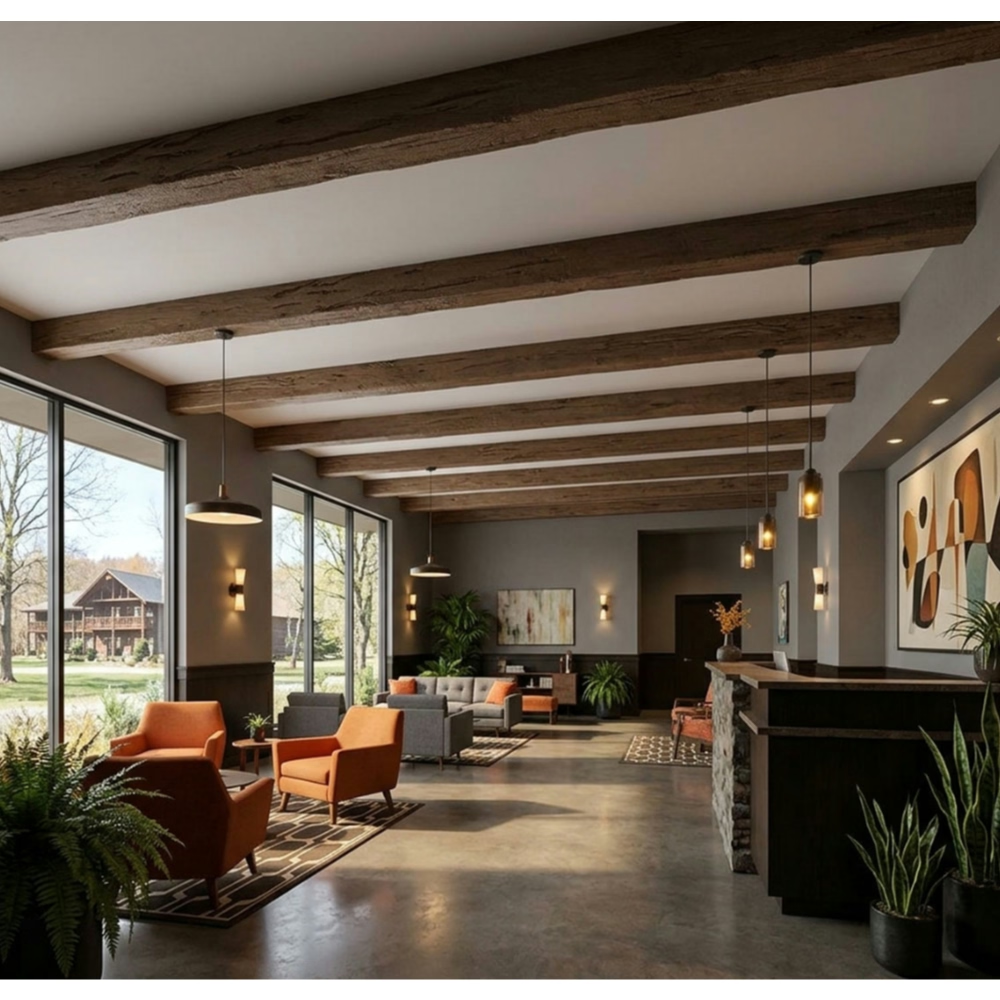
Vaulted ceilings, common in coastal homes designed to capture ocean views and breezes, provide substantial opportunity for beam installation. The exposed structural elements that vaulted ceilings require can incorporate beams that serve both structural and aesthetic purposes, adding warmth to the dramatic ceiling planes that coastal architecture often features.
Living areas that open directly to exterior spaces—patio rooms, sun rooms, covered porches—blur the boundary between interior and exterior design. Beams in these transitional spaces must tolerate conditions that approach exterior exposure while maintaining the interior aesthetic that these spaces require. Moisture-resistant polyurethane beams perform in these boundary conditions where natural wood would fail.
Bedroom and bathroom ceilings in coastal homes benefit from the same moisture resistance that serves other humid applications. Morning fog, afternoon sea breezes, and evening humidity all contribute to interior moisture levels that exceed inland conditions. Beams specified for these spaces should match the moisture resistance that coastal exteriors demand.

Gathering spaces that accommodate large groups create humidity loads from occupant perspiration and breath that affect ceiling materials. The warm, welcoming atmosphere that beach homes cultivate often features these gathering spaces with generous proportions; beams that maintain their appearance despite elevated humidity from occupancy serve these design goals without the concern that natural wood would create.
Maintenance Advantages for Coastal Living
Coastal homeowners often appreciate low-maintenance materials more than inland residents, given the salt, sand, and persistent cleanup that beach living requires. Moisture-resistant beams contribute to reduced maintenance burdens in ways that natural wood cannot match.
Cleaning requirements for polyurethane beams involve simple washing that removes salt deposits without special treatments or products. The smooth or lightly textured surfaces that quality beams feature can be cleaned with garden hoses, soft brushes, and mild detergents that are readily available. This simplicity contrasts sharply with the specialized cleaning, stripping, and refinishing that natural wood requires to maintain its appearance.
Inspection requirements for coastal applications focus on connection security rather than material condition. The degradation mechanisms that affect natural wood—checking, splitting, fiber liberation—do not occur in quality polyurethane. Homeowners can verify secure installation without concern about the hidden deterioration that might be occurring beneath the surface of organic materials.
Repair capabilities for polyurethane beams address installation damage or accidental impact rather than material degradation. If beams are damaged by impacts, the repair options available—bonding, patching, replacement of affected sections—address the damage without requiring the extensive restoration that natural wood deterioration would demand.
Specifying for Coastal Applications
Appropriate specification ensures that beams installed in coastal environments will perform reliably over their expected service life. Several factors deserve attention when selecting beams for specific coastal applications.
Exposure classification should guide material selection. Beachfront properties with direct ocean exposure face more challenging conditions than properties several blocks from the shore. The distance from the ocean, the prevailing wind direction, and the protection that neighboring structures provide all affect the exposure conditions that materials will face.
Fastener specification requires particular attention in coastal applications. Metal components that would be adequate inland often fail rapidly at the coast due to salt exposure. Stainless steel, coated steel, or specialized coastal-rated fasteners ensure that beam attachments remain secure despite the corrosion that lesser fasteners would experience.
Sealant selection for joints and connections affects long-term performance in coastal environments. Generic construction sealants may not tolerate coastal UV exposure or salt exposure; quality exterior-grade sealants designed for coastal applications maintain their flexibility and adhesion despite these challenging conditions.
The Coastal Investment Case
Coastal properties represent substantial investments that deserve protection through appropriate material selection. The cost premium that quality moisture-resistant beams command over alternatives represents protection of this larger investment rather than unnecessary expense.
Property values in coastal areas reflect the condition and presentation of improvements. Homes with failing ceiling treatments—warped beams, visible deterioration, maintenance-induced damage—command lower prices than comparable properties with well-maintained finishes. The investment in quality beams protects property values that would otherwise decline as ceiling conditions deteriorate.
Insurance considerations increasingly address material performance in challenging environments. Some coastal insurance policies include provisions related to material durability; specifying materials designed for coastal conditions may affect coverage terms or claims processing. Understanding these implications ensures that material choices do not create unexpected insurance complications.
The aesthetic contribution that beams provide affects how homes are perceived by visitors, potential buyers, and the homeowners themselves. The warmth and natural character that wood-look beams provide creates the welcoming atmosphere that beach living celebrates. When this atmosphere is preserved through quality materials, the investment returns value through daily enjoyment rather than just property appreciation.
Technical References
ASTM standards cited in every specification
Test Data
Lab results from internal testing program
Updated 2026
Reviewed against current product specs