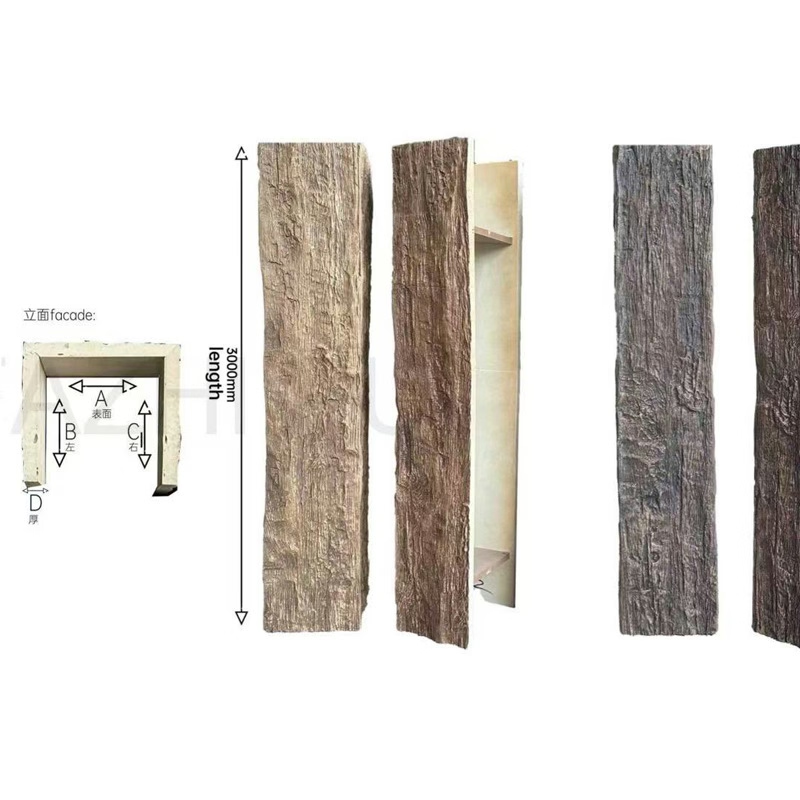
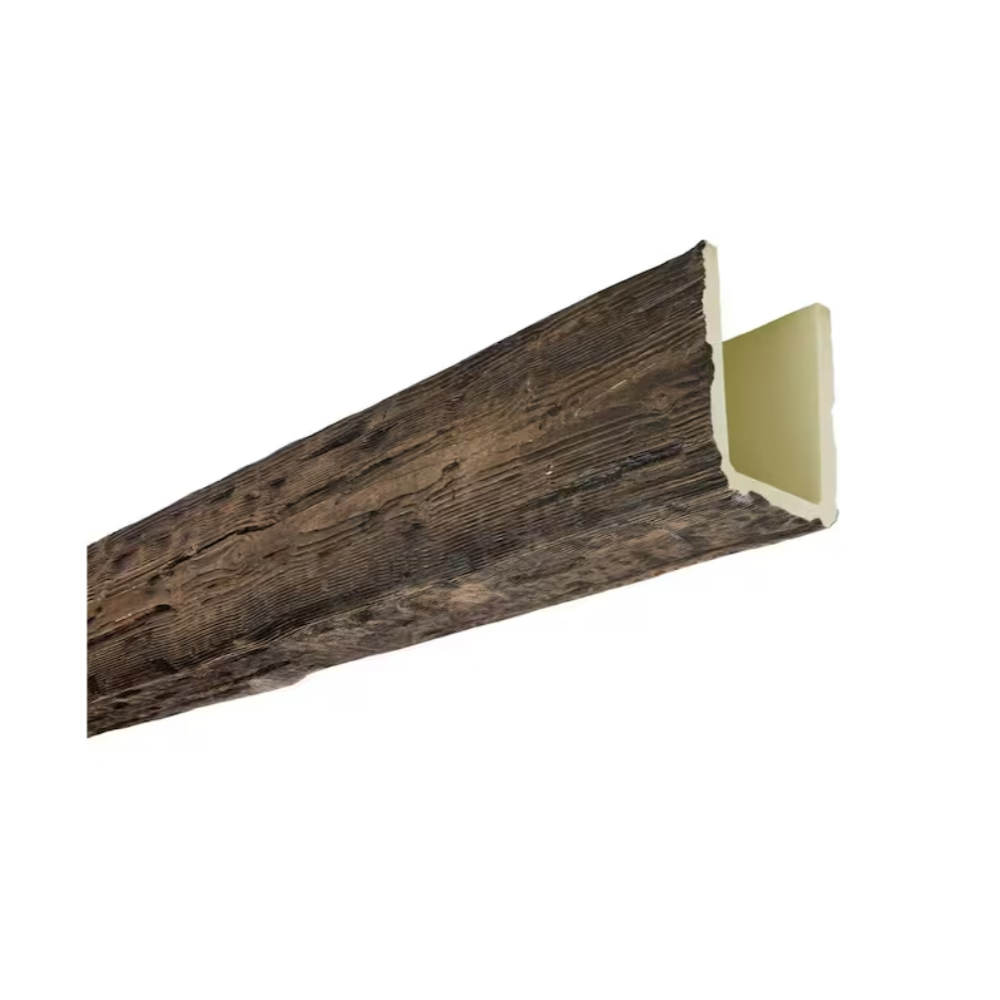
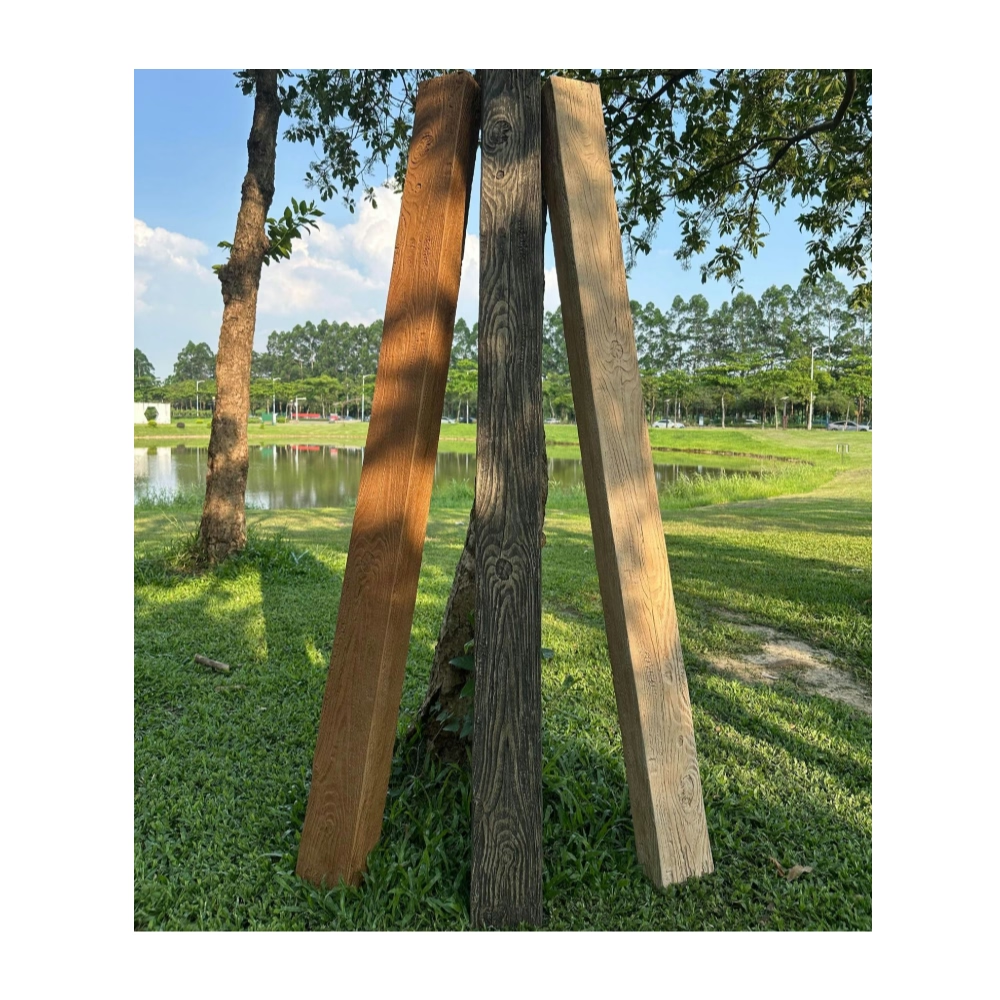
The decision to finish a basement represents a commitment to maximizing the usable space in a home. What was once storage, utility functions, and forgotten corners transforms into living areas that expand the home's functional footprint. Yet this transformation carries risks that surface-level planning might overlook—specifically, the moisture conditions that exist below grade and the materials that can survive them. Ceiling treatment, often treated as a finishing detail, deserves elevation to a primary consideration in basement projects, where appropriate material selection prevents the disappointment that moisture damage inevitably creates.
Basement Moisture Realities
Below-grade spaces face moisture challenges that exceed what above-grade rooms experience under normal conditions. These challenges originate from multiple sources and persist despite apparent dryness that might suggest otherwise.
Ground moisture continuously presses against foundation walls, seeking any pathway into the conditioned interior. Even foundation systems that were properly installed and adequately waterproofed experience some moisture transmission through concrete micro-cracks, porous areas, and at the penetrations where utilities enter the foundation. This moisture, invisible but persistent, affects interior conditions in ways that casual observation cannot detect.
Interior moisture sources—bathing, cooking, laundry, even breathing—contribute humidity that basement temperatures cannot fully manage. Cool basement air has limited capacity to hold water vapor; when this capacity is exceeded, moisture condenses on any surface below the dew point. In basements with limited air circulation, these condensation events occur regularly despite apparent ventilation.
Seasonal variations create cycling conditions that stress building materials. Summer humidity that penetrates foundations gradually dissipates as winter heating reduces interior moisture levels. These cycles of wetting and drying create stress in materials that cannot accommodate dimensional change, leading to the cracking, splitting, and delamination that basement homeowners frequently encounter.
The Moisture-Resistance Difference
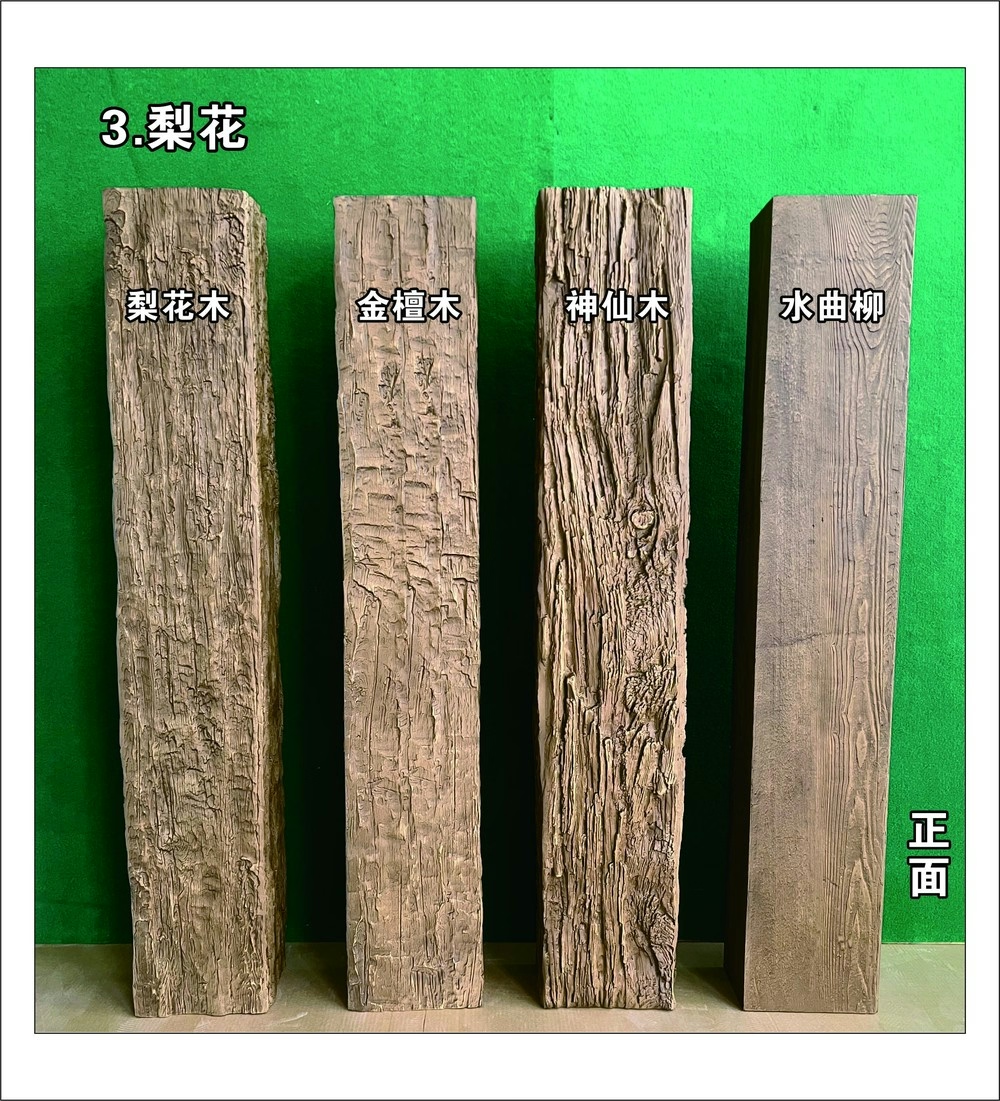
Moisture-resistant faux beams handle these basement realities through material properties that natural materials cannot provide. This resistance represents a fundamental capability difference rather than a matter of degree.
Absorption resistance prevents the moisture uptake that initiates damage in organic materials. When basement humidity condenses on beam surfaces or direct moisture contacts occur from occasional water events, moisture-resistant materials shed this water without absorption. The dimensional stability that accompanies this resistance maintains appearance and structural integrity despite repeated exposure.
Biological resistance denies the colonization that moisture enables in organic materials. Mold, mildew, and fungal growth require moisture to establish and propagate; by preventing moisture access, moisture-resistant materials prevent these organisms from finding the conditions they need. This resistance maintains both appearance and indoor air quality that biological growth would compromise.
Dimensional consistency across humidity ranges ensures that moisture-resistant beams maintain their geometry regardless of basement conditions. The joints remain tight, the surfaces remain flat, and the connections remain secure—characteristics that wood beams lose as moisture cycles create the expansion and contraction that eventually causes failure.
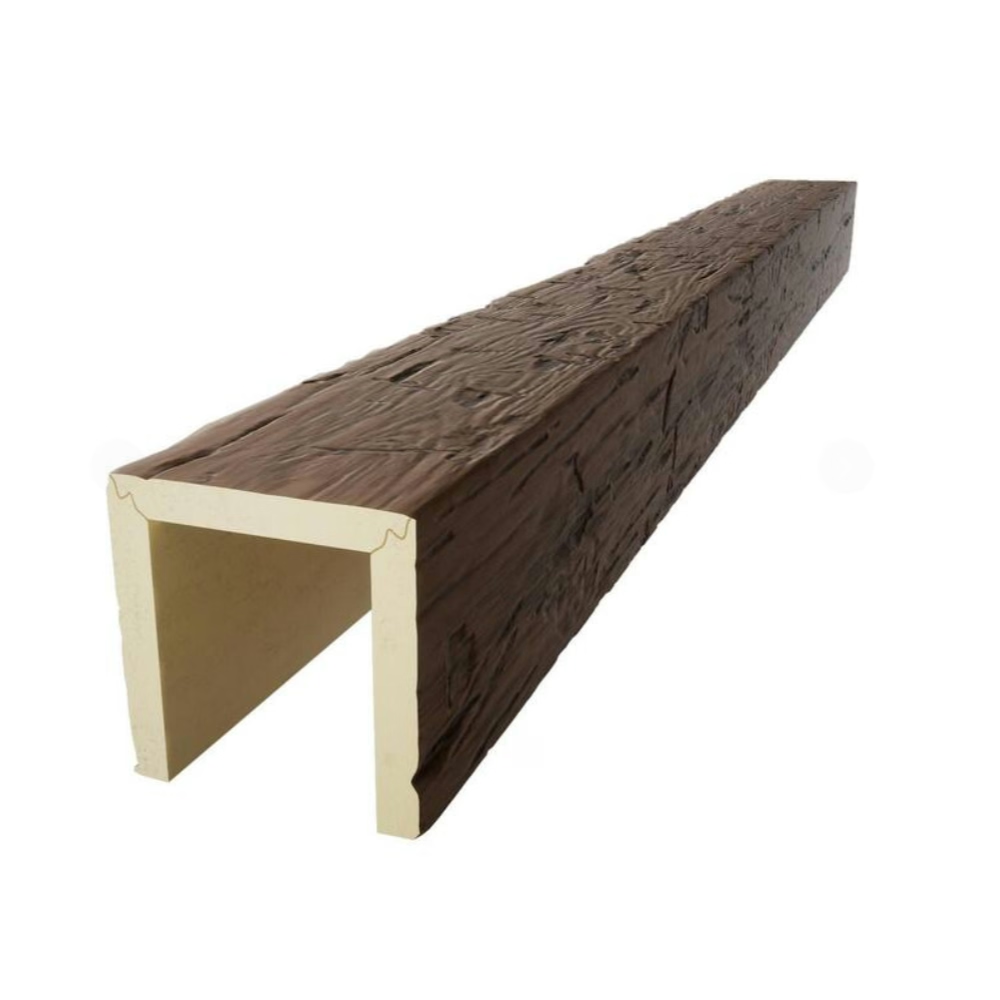
Remodeling Applications
Basement remodel projects present specific opportunities for moisture-resistant beam installations. The conditions that basements present make these opportunities practical only with appropriate material selection.
Media rooms and home theaters benefit from ceiling treatments that can survive the humidity that electronic equipment generates. Projectors, amplifiers, and associated equipment all produce heat that elevates local humidity; beams positioned above this equipment need not worry about moisture damage that might occur in less protected locations.
Game rooms and recreation spaces accommodate activities that generate humidity through physical exertion and the presence of multiple occupants. The casual atmosphere that these spaces cultivate benefits from the warmth that wood-look beams provide without the anxiety that natural materials would create in spaces where condensation events are likely.
Home office spaces, increasingly common in post-pandemic residential design, benefit from ceiling treatments that project professional quality without demanding maintenance attention. The focused work that these spaces support deserves environments that do not distract through visible deterioration or require attention that productive work time cannot accommodate.
Auxiliary living spaces—guest suites, in-law apartments, rental units—benefit from the permanent appearance that moisture-resistant beams provide. These spaces may sit vacant for extended periods when humidity management is less consistent; beams that tolerate variable conditions without damage serve these applications reliably.

Workshop and craft spaces often generate humidity through their intended uses. The moisture from extensive plant arrangements, the humidity from wet crafts, the condensation from material processing—all these sources create basement moisture challenges that moisture-resistant beams accommodate without concern.
Decor Integration
Basement decor presents unique challenges that moisture-resistant beams help address. The below-grade position that makes basements affordable to acquire also creates aesthetic challenges that surface-level design must resolve.
Natural light limitations in basements affect how materials appear and how spaces feel. Beams that introduce warm wood tones compensate for the cool light that basement windows admit, creating visual warmth that improves atmosphere without requiring natural light that basements cannot provide.
Acoustic considerations in basements relate to the hard surfaces—concrete floors, foundation walls, exposed joists—that characterize below-grade construction. Beams break up these surfaces in ways that diffuse sound reflections, improving acoustic comfort without the dedicated acoustic treatments that professional spaces require.
Spatial proportion in basements often fails to feel residential. The lower ceiling heights common in below-grade construction, combined with the lack of windows that would provide visual connection to exterior spaces, create rooms that feel institutional rather than domestic. Beams that introduce human-scale detail at the ceiling draw attention upward, creating the perception of greater height and more generous proportions.
Installation Considerations
Basement beam installation requires attention to conditions that above-grade projects might ignore. The differences between new construction and renovation installations affect how beams should be approached.
New construction basements offer the opportunity to address moisture before it becomes a problem. Foundation waterproofing, perimeter drainage, and vapor barrier installation can be verified before interior finishing begins. When these systems are properly installed and confirmed to be functioning, moisture-resistant beam installation proceeds on a stable foundation of moisture management.
Renovation basements present the challenge of unknown moisture history. Previous moisture problems may have been addressed, but evidence of those problems might remain in substrate conditions that affect new installations. Inspecting substrate conditions before beam installation identifies issues that might compromise new work if left unaddressed.
Substrate preparation in basements often involves addressing concrete surfaces that may not provide ideal mounting conditions. Penetrations for utilities, patches from previous work, and the general surface irregularity of concrete all require attention before beam mounting. Quality installation addresses these conditions rather than ignoring them in favor of faster completion.
Protecting the Investment
Basement remodel investments deserve protection through appropriate material selection. The cost of quality moisture-resistant beams represents a small fraction of total project investment but provides disproportionate value through the assurance that ceiling treatments will perform reliably.
The disruption that ceiling failure would create exceeds the initial investment in quality materials. Repairing or replacing failed ceiling treatments requires access to spaces that have been finished, furnished, and occupied—creating disruption far greater than the original installation would have required. Prevention through quality material specification costs less than remediation of material failure.
Property value protection accompanies the visual maintenance that quality beams provide. Basement spaces with deteriorating ceilings—warped beams, visible moisture damage, maintenance-required appearances—reduce overall property values compared to comparable properties with well-maintained finishes. The investment in quality beams protects the larger property investment that basement remodeling represents.
The peace of mind that moisture-resistant materials provide has real value. Homeowners who do not worry about ceiling conditions—whether during humid summers, after occasional water events, or when maintenance schedules slip—experience their basement spaces differently than those who monitor for signs of moisture damage. This experiential quality represents genuine value that quality materials enable.
Technical References
ASTM standards cited in every specification
Test Data
Lab results from internal testing program
Updated 2026
Reviewed against current product specs