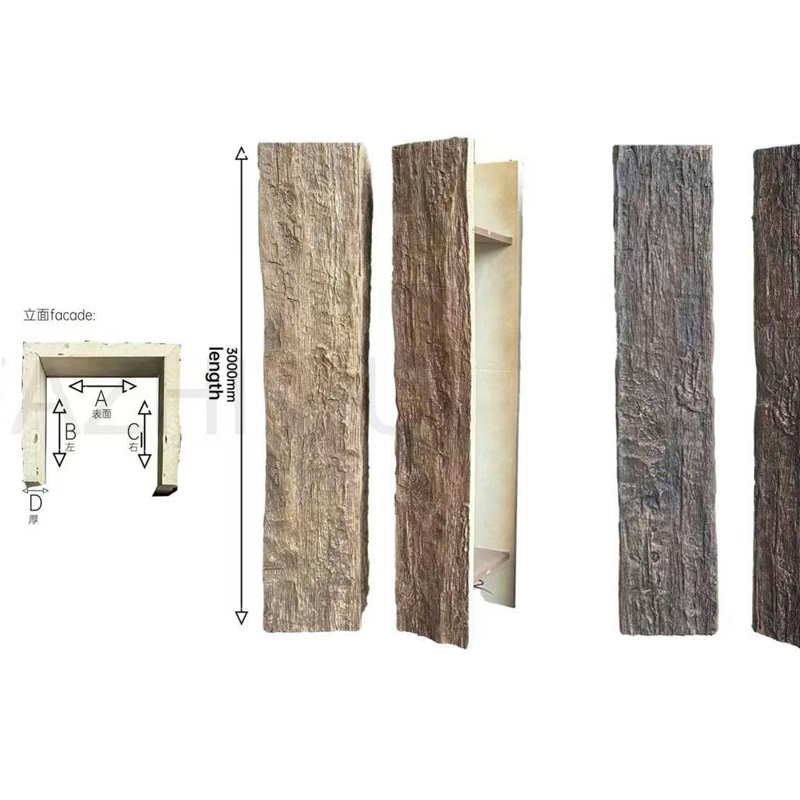
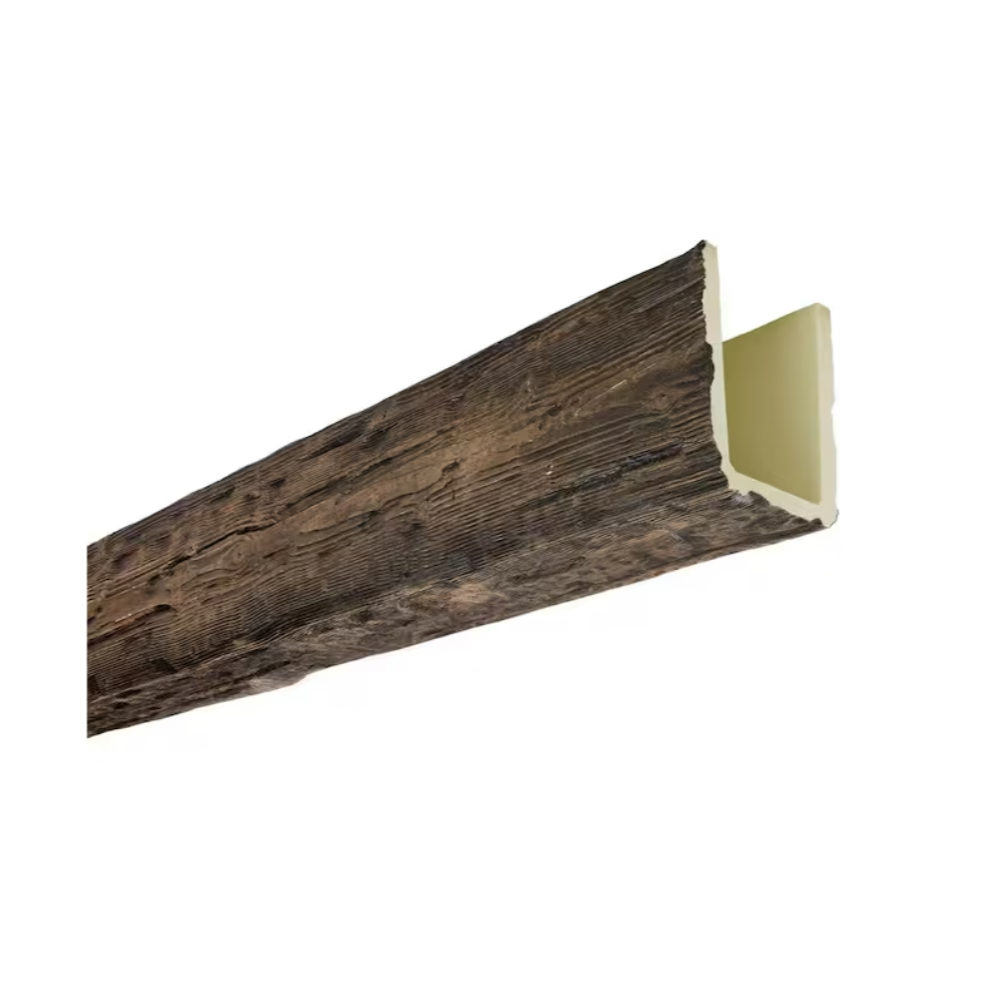
The ceiling of a finished basement rarely receives the design attention that walls and floors command. Floors get upgraded flooring; walls get paint or wallpaper; the ceiling gets whatever standard treatment the budget allows. This hierarchy of attention often leaves basement ceilings visually underdeveloped, contributing to the unfinished feel that plagues many below-grade spaces. Reversing this hierarchy—giving ceiling design equal consideration—transforms basement spaces from compromised afterthoughts into fully realized living areas. The beam specification choices made in this process determine whether ceiling treatment becomes an asset or a liability.
Why Basement Ceilings Deserve Attention
Basement ceilings occupy a unique position in interior design, visible from every point in the room yet often treated as a passive background rather than an active design element. This visibility makes ceiling treatment consequential in ways that less visible surfaces are not.
Ceiling height significantly affects how spaces feel. Low basement ceilings can feel oppressive without treatment that draws attention upward; generous ceilings can feel cavernous without treatment that brings them to human scale. The beam treatment chosen addresses both concerns, creating appropriate visual proportion regardless of the ceiling heights that foundation construction provides.
Visual interest in basement spaces often requires deliberate introduction, as the concrete, cinder block, and utility-exposed construction common below grade does not provide the natural visual complexity that above-grade rooms enjoy. Beams introduce material richness, textural variation, and architectural detail that these spaces need to feel complete rather than merely functional.
The intersection of ceiling and walls creates visual boundaries that ceiling treatment defines. Beams that extend to walls create clear delineation between planes; beams that stop short of walls allow more ambiguous boundary definition. This choice affects how spacious or intimate the room feels, independent of actual dimensions.
The Decorative Role of Beams
Beams serve decorative purposes that extend beyond simple appearance. Understanding these roles clarifies why beam specification matters so much for overall design success.
Scale establishment through ceiling detail helps rooms feel appropriately proportioned. Large rooms with minimal ceiling detail can feel overwhelming; human eyes seek the human scale that beams and other ceiling details provide. In basements where ceiling heights may be limited, beams that add visual depth can actually make spaces feel taller than they are.
Material contrast between ceiling beams and surrounding surfaces creates visual interest that homogeneous treatments cannot achieve. The warmth of wood-look beams against cool basement surfaces—concrete walls, ductwork, utility pipes—establishes material hierarchy that guides visual attention and creates focal points within the room.
Pattern creation through beam arrangement establishes rhythm that organizes the space visually. Regular beam spacing creates formal rhythm appropriate for organized activities; irregular spacing creates casual rhythm that suits relaxed living. The choice between these patterns determines much about the room's overall character.
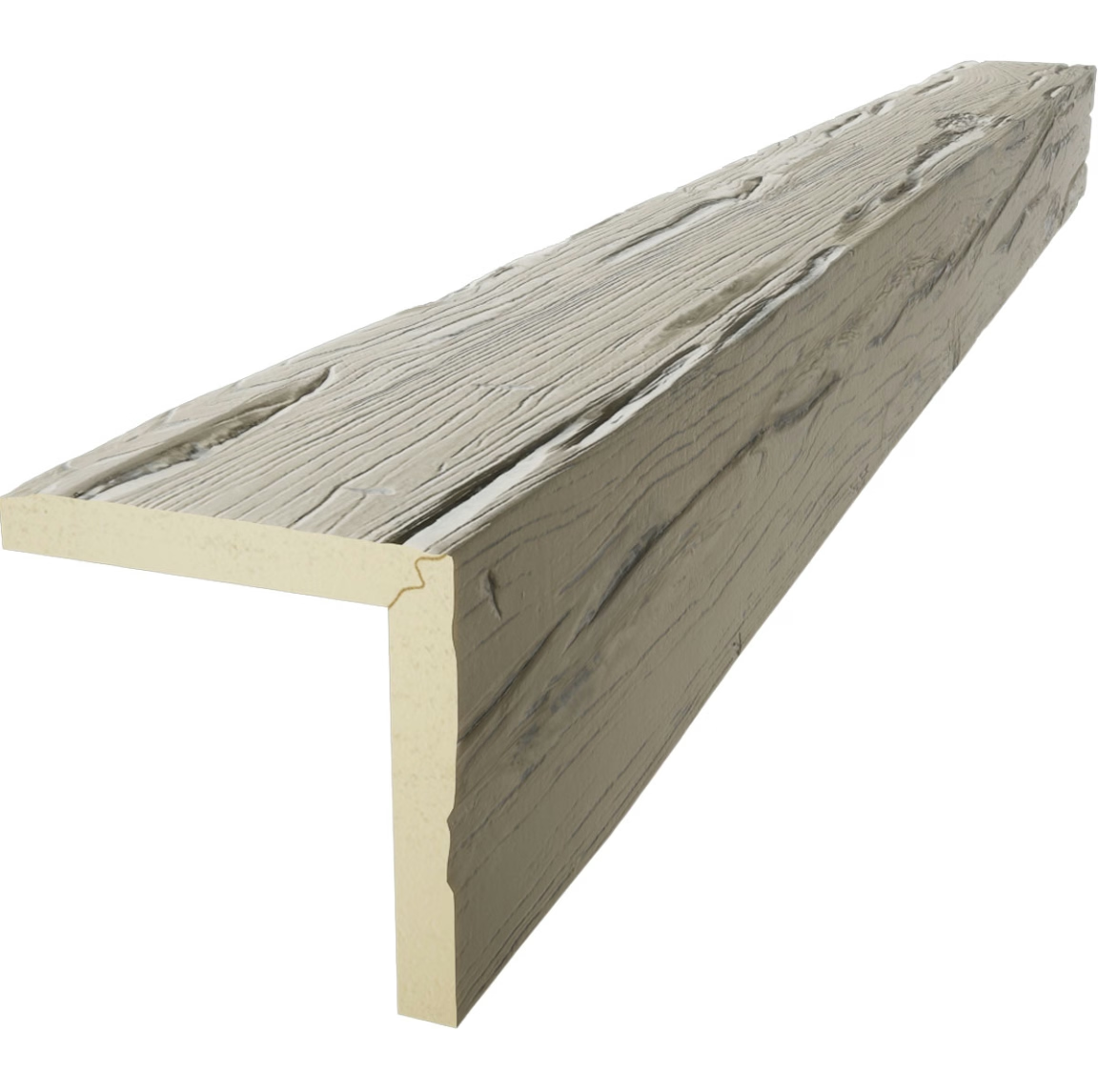
Moisture-Resistance as Decor Enabler
The practical requirement for moisture resistance enables rather than limits decorative options. In spaces where natural wood would require careful placement and anxious maintenance, moisture-resistant beams can be specified freely, without the constraints that moisture sensitivity would impose.
Placement flexibility allows beams to serve design goals rather than avoiding moisture-prone locations. Beams can span over moisture sources, near humid areas, or in any location where design objectives place them—without concern that location will compromise performance. This freedom expands the design possibilities that ceiling treatment can address.
Maintenance simplicity preserves decorative intent over time. Natural wood in humid basements requires maintenance that eventually alters appearance; moisture-resistant beams maintain their initial character regardless of cleaning or care. The decorative consistency that this behavior provides ensures that spaces continue looking as designed rather than deteriorating toward abandoned appearance.
Damage resistance prevents the accidental damage that busy households inevitably produce. The impact resistance that quality polyurethane provides handles the incidental contact that ceiling surfaces encounter—luggage in storage areas, elbows during activities, equipment access for maintenance—without the cracking, denting, or surface damage that softer materials would exhibit.
Design Approaches for Different Basement Types
Basements vary significantly in their original construction and current conditions. Design approaches should respond to these variations rather than applying uniform treatments regardless of context.
Modern basements with exposed joists and minimal partition walls suit beam treatments that span across ceiling spans. These spaces benefit from the architectural formality that beams provide, creating visual interest in otherwise spare construction. Beams can run parallel to joists, perpendicular to them, or diagonally for more dramatic effect.
Renovated basements with dropped ceilings and soffited areas can incorporate beams that either replace or complement existing treatments. Beams that extend beyond soffit boundaries help integrate these architectural elements into overall ceiling design; beams that terminate at soffit edges create deliberate contrast that emphasizes rather than conceals the original construction.
Historic basements with original stone or brick walls can employ beams that bridge the gap between old construction and new finishes. The warmth that wood-look beams provide softens the hard character of original masonry, creating interiors that acknowledge their heritage while providing contemporary comfort.
Decor Coordination
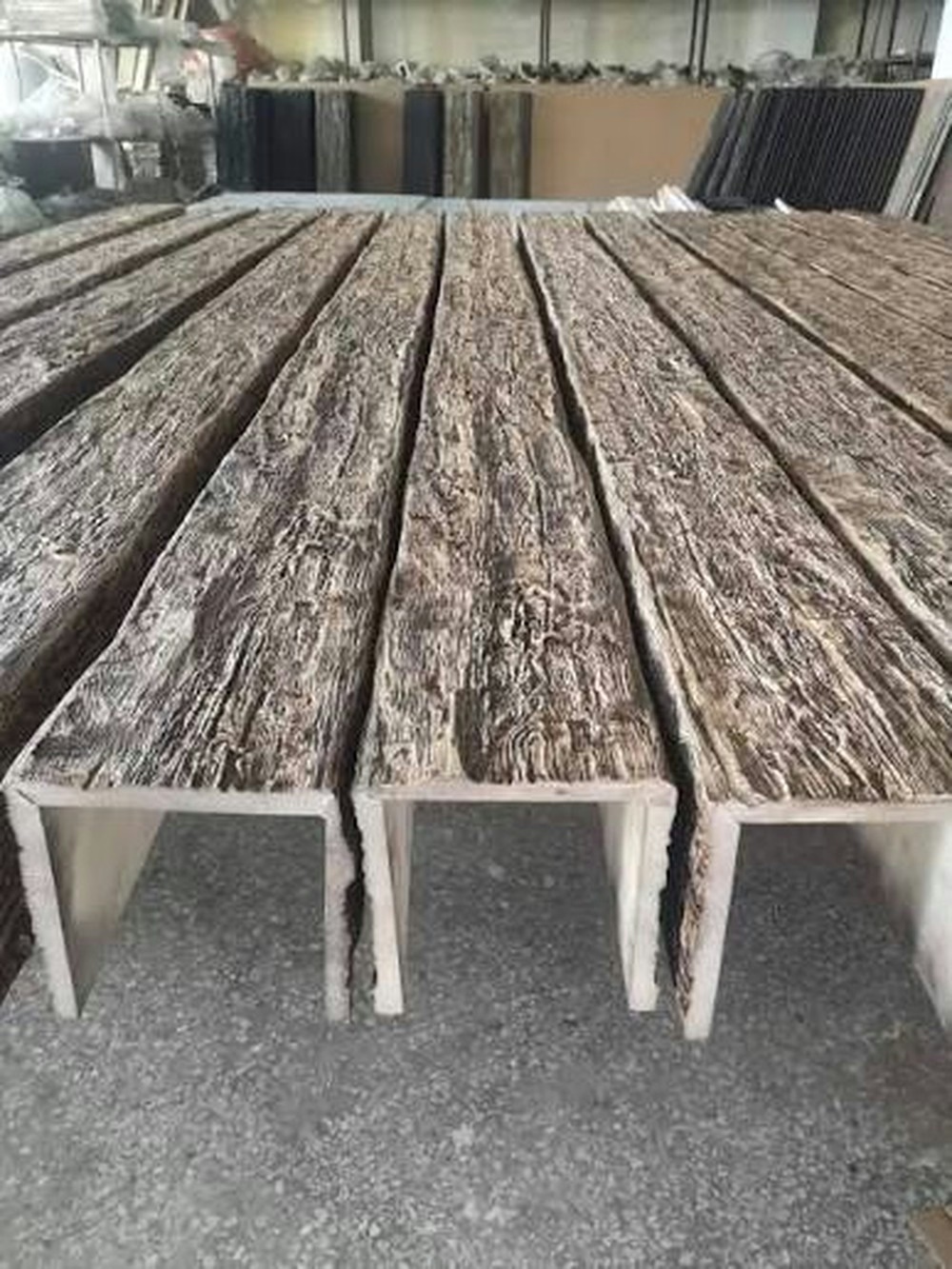
Ceiling beam treatment should coordinate with other design elements to create unified interior compositions. The relationships between beams and other materials, colors, and forms determine whether the overall result feels designed or arbitrary.
Color relationships between beams and adjacent surfaces affect visual perception throughout the room. Beams that match floor tones create vertical continuity that makes rooms feel larger; beams that contrast with floors create visual separation that defines zones within open plans. Neither approach is inherently superior; the choice depends on spatial goals and existing color conditions.
Furniture coordination ensures that ceiling beams relate appropriately to the furnishings below. Large, substantial beams suit equally substantial furniture; lighter, simpler beams complement more delicate furnishings. Misalignment between beam weight and furniture scale creates discomfort that occupants may not consciously identify but certainly experience.
Lighting integration with beams creates opportunities for dramatic effect or subtle enhancement. Recessed fixtures between beams maintain clean ceiling planes; surface-mounted fixtures on beams become focal points; cove lighting behind beams creates glow effects that enhance depth perception. Each approach serves different design goals that beam specification should anticipate.
Investment Protection Through Quality
Basement ceiling treatment represents a meaningful investment that deserves protection through appropriate specification. The cost difference between quality moisture-resistant beams and alternatives represents insurance against the failure modes that lesser materials inevitably experience.
Long-term appearance maintenance falls to whoever occupies the basement space. Quality beams that maintain their appearance without maintenance allow occupants to focus attention elsewhere; alternatives that require ongoing care consume time and attention that could be directed toward enjoying the space rather than maintaining it.
Resale value considerations affect homeowners who may eventually sell their properties. Finished basements with visible deterioration signal deferred maintenance that buyers factor into purchase decisions. Ceilings that look as good in year five as they did in year one support higher property values than alternatives that show their age through wear, staining, or obvious damage.
The peace of mind that quality materials provide has genuine value in spaces that already present moisture-related concerns. Homeowners who do not monitor their basement ceilings for signs of moisture damage experience their below-grade spaces more comfortably than those who worry about what might be happening overhead.
Technical References
ASTM standards cited in every specification
Test Data
Lab results from internal testing program
Updated 2026
Reviewed against current product specs