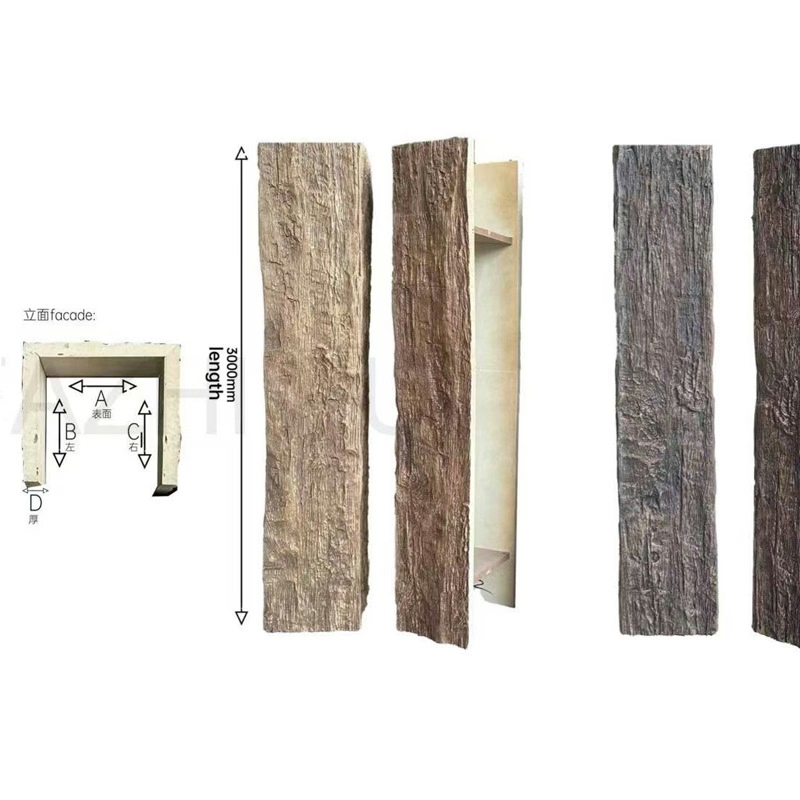
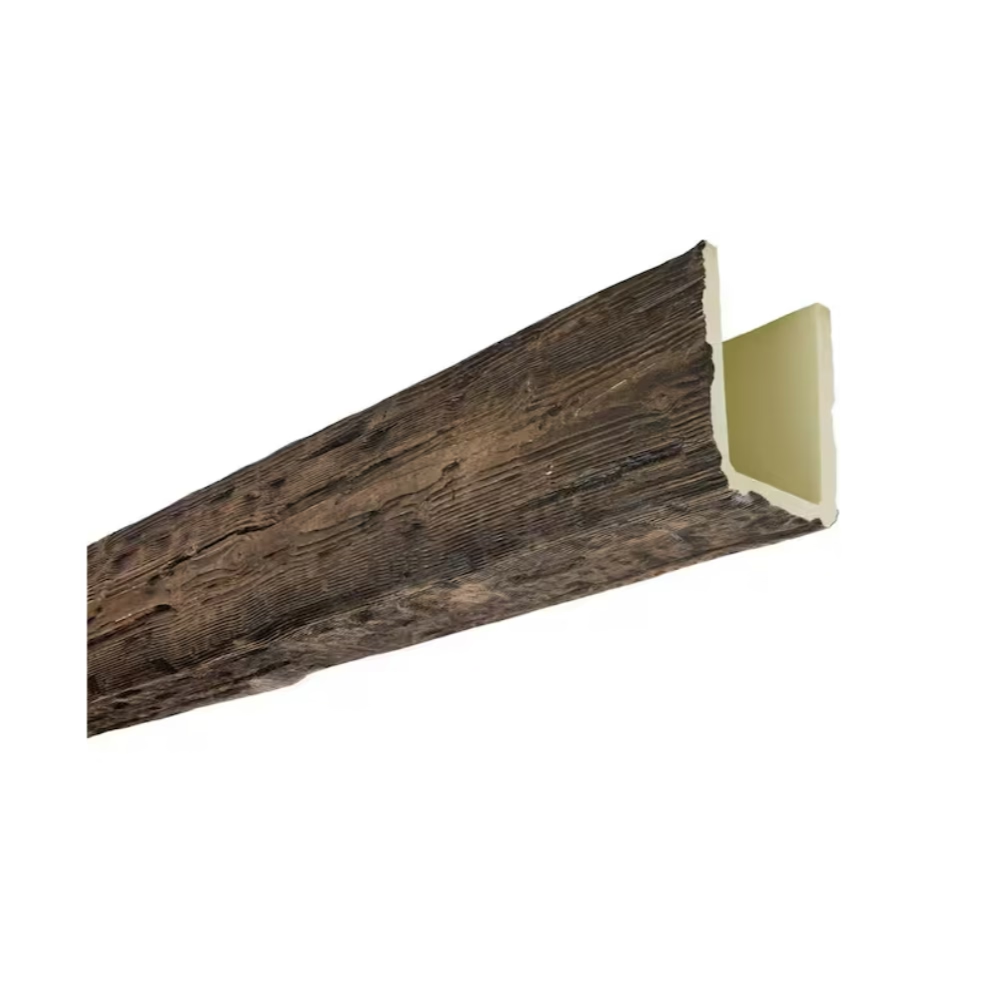
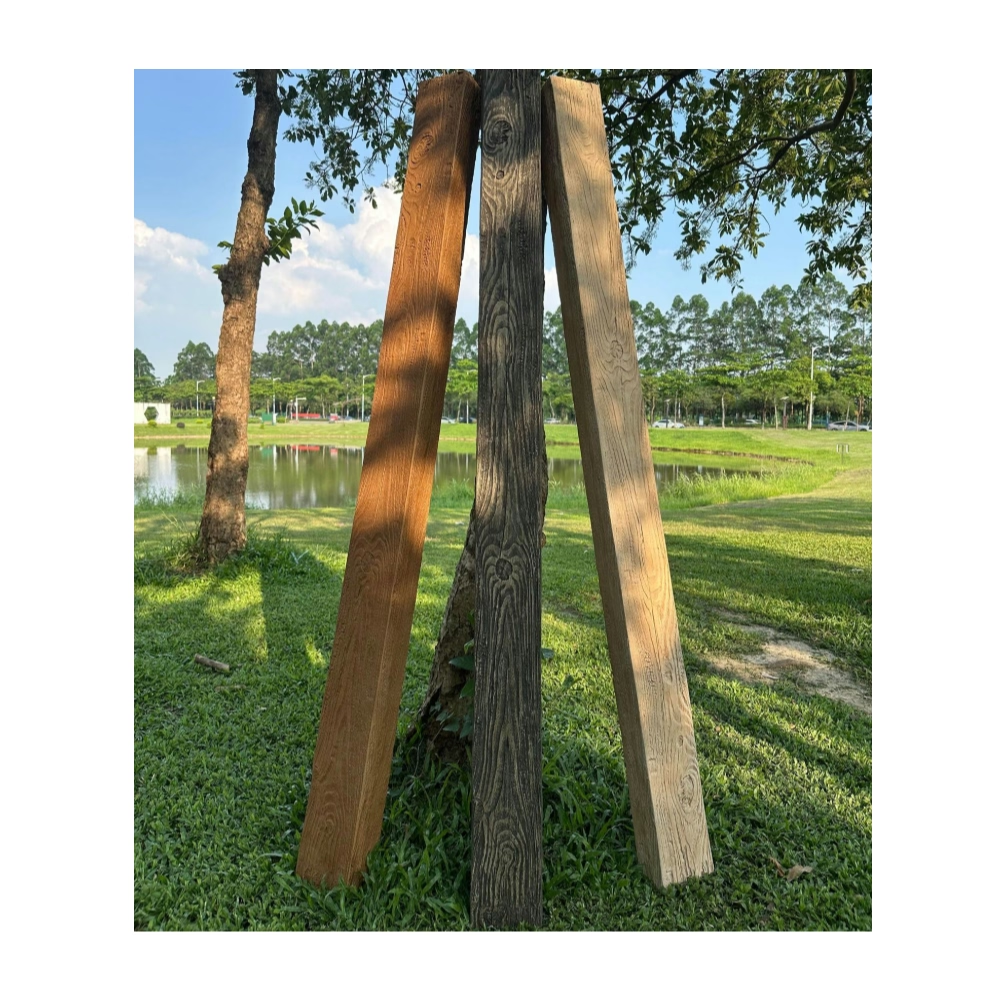
The appeal of wood in interior spaces reaches beyond simple aesthetics. There is something primal about organic materials that connects modern interiors to the natural world from which all architecture ultimately derives. Wood grain carries this connection even when reproduced in manufactured materials, providing warmth and texture that purely synthetic alternatives cannot replicate. In basement spaces—those below-grade rooms that fight an inherent battle against cold and institutional character—faux wood beams offer this organic appeal while accommodating the moisture conditions that make natural wood impractical.
The Authenticity Challenge
Manufacturing wood appearance in non-wood materials has a mixed history. Early faux wood products often failed the authenticity test, their plastic surfaces and repetitive patterns betraying their manufactured origins at a glance. Modern production techniques have substantially closed this authenticity gap, but important differences persist between products that require specification attention.
Surface texture provides the most immediate indicator of quality. Hand-running fingers across a beam surface should reveal variations that suggest natural material rather than mechanical reproduction. The best faux wood products capture the subtle irregularities that characterize real timber—the slight undulations, the minor variations in grain depth, the occasional anomaly that natural growth produces.
Grain pattern continuity affects how beams read across extended spans. Natural wood grain follows the growth logic of the original tree, creating patterns that make sense spatially. Quality faux products replicate this logical flow; inferior products produce grain that seems randomly applied or obviously repeated. The difference becomes apparent when multiple beams are installed in the same space.
Color depth and variation distinguish quality products from cheap imitations. Natural wood contains color complexity that no single-coat finish can reproduce—the subtle tonal variations within grain areas, the darker tones in texture valleys, the lighter highlights on raised surfaces. Quality faux beams achieve this complexity through multi-layer finishing that creates visual depth worthy of the wood aesthetic they pursue.
Basement Suitability Factors
Not every faux wood beam product suits basement applications. The specific conditions that below-grade spaces present require specific performance characteristics that not all products provide.
Moisture resistance must be comprehensive, not merely adequate. Some faux products feature moisture-resistant surfaces over substrates that are not equally resistant. When these products are cut, milled, or damaged during installation, moisture can penetrate to vulnerable cores that swell, delaminate, or fail. Products with homogeneous moisture resistance throughout their cross-section avoid this failure mode.
Dimensional stability across humidity ranges ensures that beams maintain their geometry despite basement moisture cycling. Products that expand and contract with humidity changes develop gaps at joints, stress at connections, and eventually visible deterioration that undermines appearance. Stable products maintain tight joints and clean lines indefinitely.
Biological resistance prevents the mold and mildew colonization that moisture can enable. Even materials that do not absorb moisture may provide surfaces where biological growth can establish if organic materials, dust, or other nutrients accumulate. Quality faux products resist this colonization through surface properties that deny purchase to biological organisms.
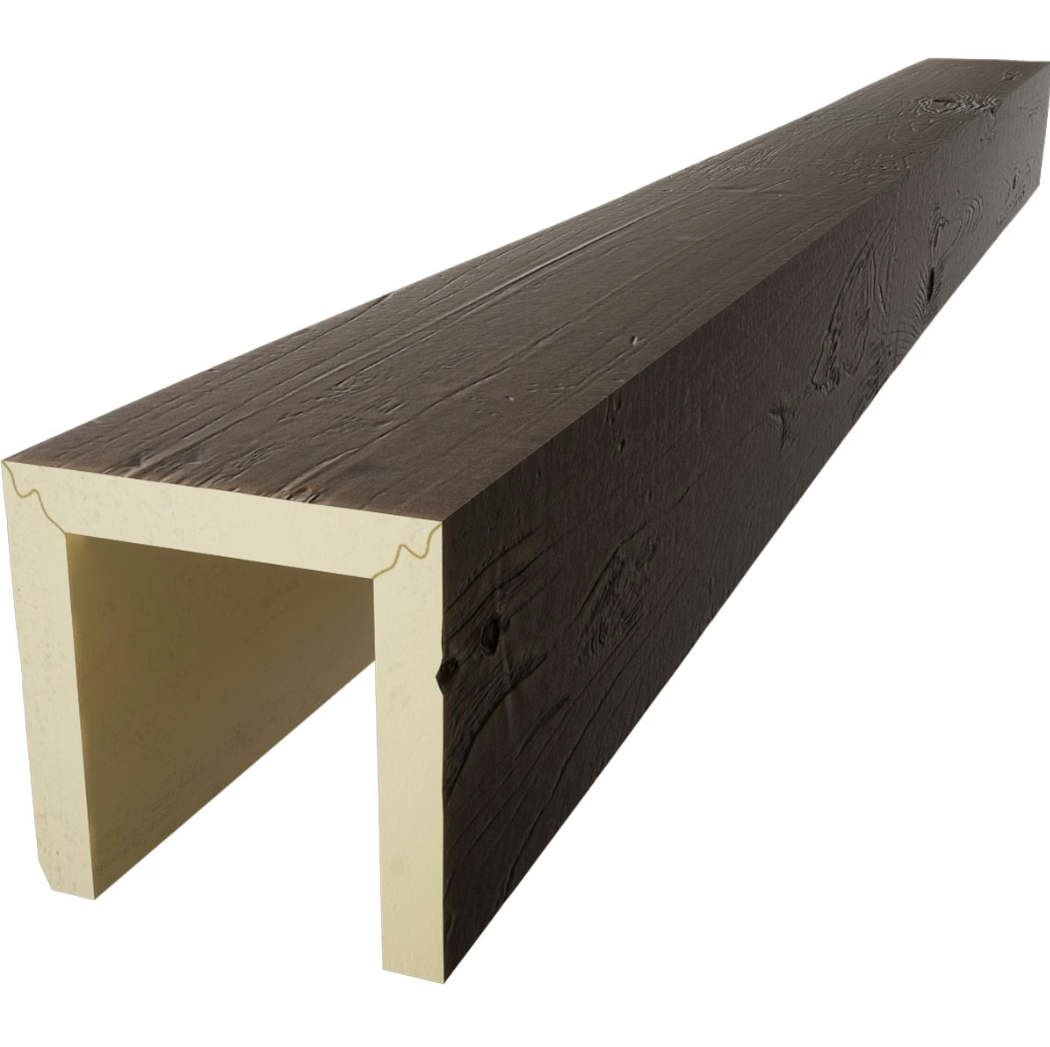
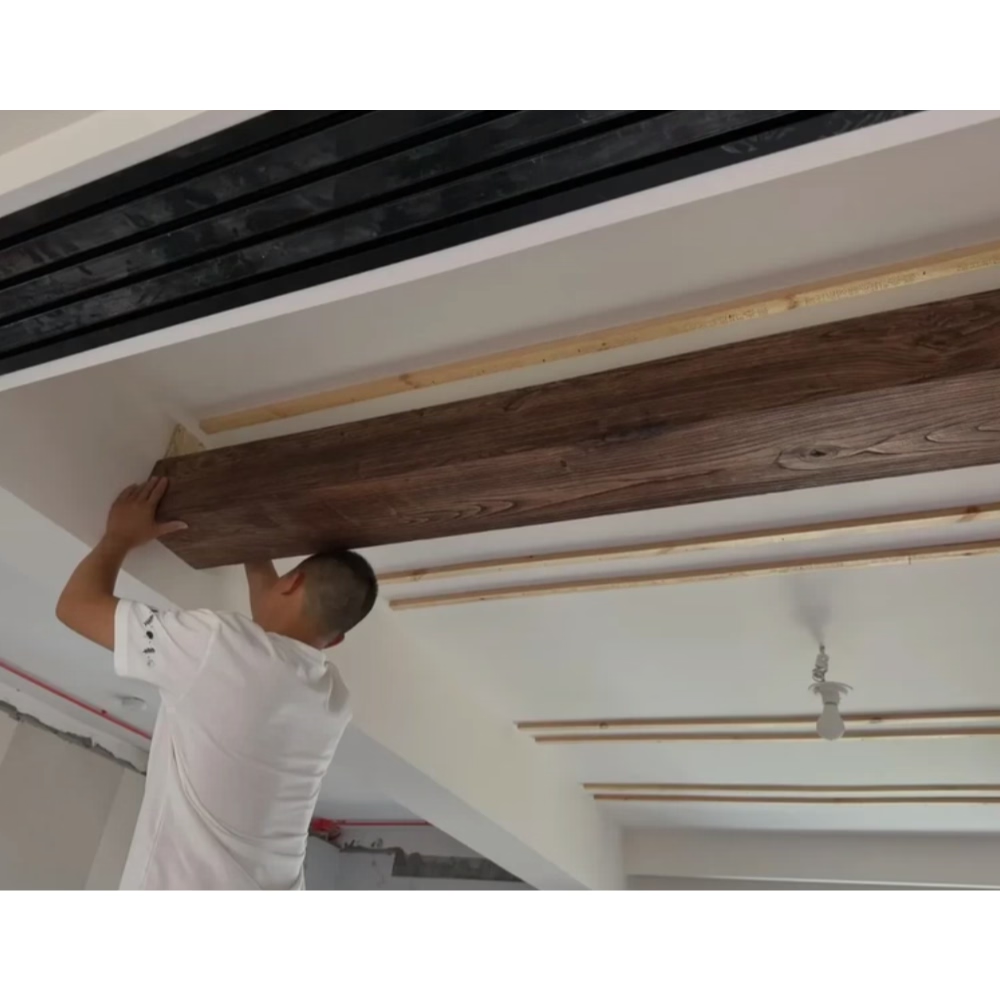
Installation Techniques for Success
Quality materials only achieve their potential when properly installed. Basement beam installation involves specific techniques that address below-grade conditions while ensuring that ceiling treatment achieves its design objectives.
Substrate assessment should precede any installation work. The surfaces that will receive beam mounting must be clean, dry, and structurally capable of supporting the weight that beams add. In basements, particular attention should focus on evidence of past moisture problems—staining, deterioration, or soft spots that might indicate ongoing issues that should be addressed before installation proceeds.
Fastener selection affects long-term performance in ways that basement conditions amplify. Corrosion-resistant fasteners prevent the rust staining and structural weakening that lesser fasteners experience in humid basement air. The minimal additional cost of quality fasteners provides insurance against problems that fastener failure would create.
Sealing at joints and connections prevents the moisture intrusion that might eventually compromise beam performance. Even moisture-resistant beams can be affected by water that enters cavities behind them or accumulates at connections. Proper sealing closes these potential pathways during installation.
Design Strategies for Below-Grade Spaces
Faux wood beams can serve multiple design strategies in basement applications, each creating different spatial effects that suit different functional goals.
Formal arrangements with evenly spaced beams create organized, structured spaces appropriate for home offices, studies, and organized recreation areas. The regularity that these arrangements impose supports focused activity and clear spatial organization. In basements where functional zoning is important, formal beam arrangements provide architectural support for that zoning.
Casual arrangements with varied spacing create relaxed, informal atmospheres suited to family rooms, entertainment spaces, and casual gathering areas. The irregularity that these arrangements introduce prevents the institutional feeling that overly regular treatment can create. In spaces designed for comfort rather than focus, casual beam arrangements support the intended use.
Accent applications where beams highlight specific areas rather than covering entire ceilings provide design impact without full-coverage commitment. Beams over seating areas, dining spaces, or activity zones draw attention to key functional areas while maintaining the visual openness that basement spaces sometimes need. This targeted approach also reduces material costs while focusing design attention where it provides most value.
Lighting Considerations
Basement ceiling beams interact with lighting systems in ways that affect both function and appearance. Planning this interaction ensures that beam treatment and illumination work together rather than creating conflicts.
Beam shadows create depth and visual interest that flat ceilings cannot achieve. The shadow that beams cast on surrounding surfaces shifts throughout the day as natural light changes, creating dynamic visual interest that static ceilings lack. This shadow play adds life to basement spaces that might otherwise feel flat and lifeless.
Fixture positioning relative to beams affects both visual composition and functional illumination. Fixtures mounted between beams maintain clean ceiling planes; fixtures mounted on beams become focal points; fixtures that shine across beams create dramatic shadow patterns. Each approach serves different goals that beam specification should anticipate.
Light color temperature interacts with beam color to affect overall space atmosphere. Warmer light enhances wood tones and creates cozy atmosphere; cooler light provides task illumination but may make wood tones feel less natural. Understanding this interaction helps specify lighting systems that complement rather than conflict with beam aesthetics.
Long-Term Performance Assurance
The investment that basement ceiling treatment represents deserves assurance that performance will remain satisfactory over time. Several factors contribute to this assurance.
Warranty coverage provides manufacturer commitment to product performance. Products with comprehensive warranties that specifically address moisture-related performance offer confidence that marketing claims are backed by corporate responsibility. The warranty terms—what is covered, how long coverage extends, how claims are processed—inform expectations about real-world support.
Field performance history indicates how products have performed in actual applications over extended periods. Products with documented history in basement applications provide evidence that specification is based on experience rather than prediction. Manufacturer references, case studies, and customer testimonials support technical specifications with real-world validation.
Installation support from manufacturers or authorized distributors ensures that products are installed correctly. Even quality materials can underperform when improperly installed; access to installation guidance, technical support, and quality verification helps ensure that ceiling treatment achieves its potential.
The Basement Transformation Opportunity
Basement spaces represent underutilized potential in most homes. The square footage that below-grade areas add can substantially expand living capacity without the construction costs that equivalent above-grade additions would require. Realizing this potential requires finishing that addresses the challenges that basements present while creating the comfort and aesthetic appeal that occupants deserve.
Faux wood beams contribute to this transformation by adding the warmth, texture, and architectural interest that basement spaces need. Moisture-resistant products make this contribution without the performance anxieties that natural materials would create, enabling design freedom that moisture-sensitivity would limit.
The decision to install faux wood beams in basement ceilings reflects confidence in both the aesthetic goals that motivated the project and the practical performance that will preserve those goals over time. When quality materials meet proper installation, this confidence proves justified through years of satisfactory service that enhances the home and its value.
Technical References
ASTM standards cited in every specification
Test Data
Lab results from internal testing program
Updated 2026
Reviewed against current product specs