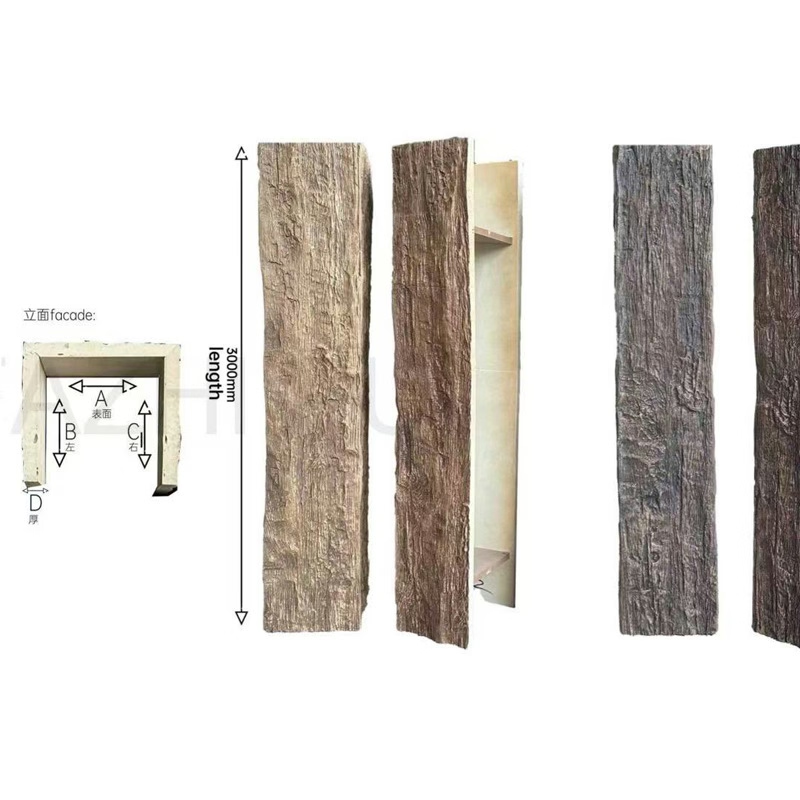
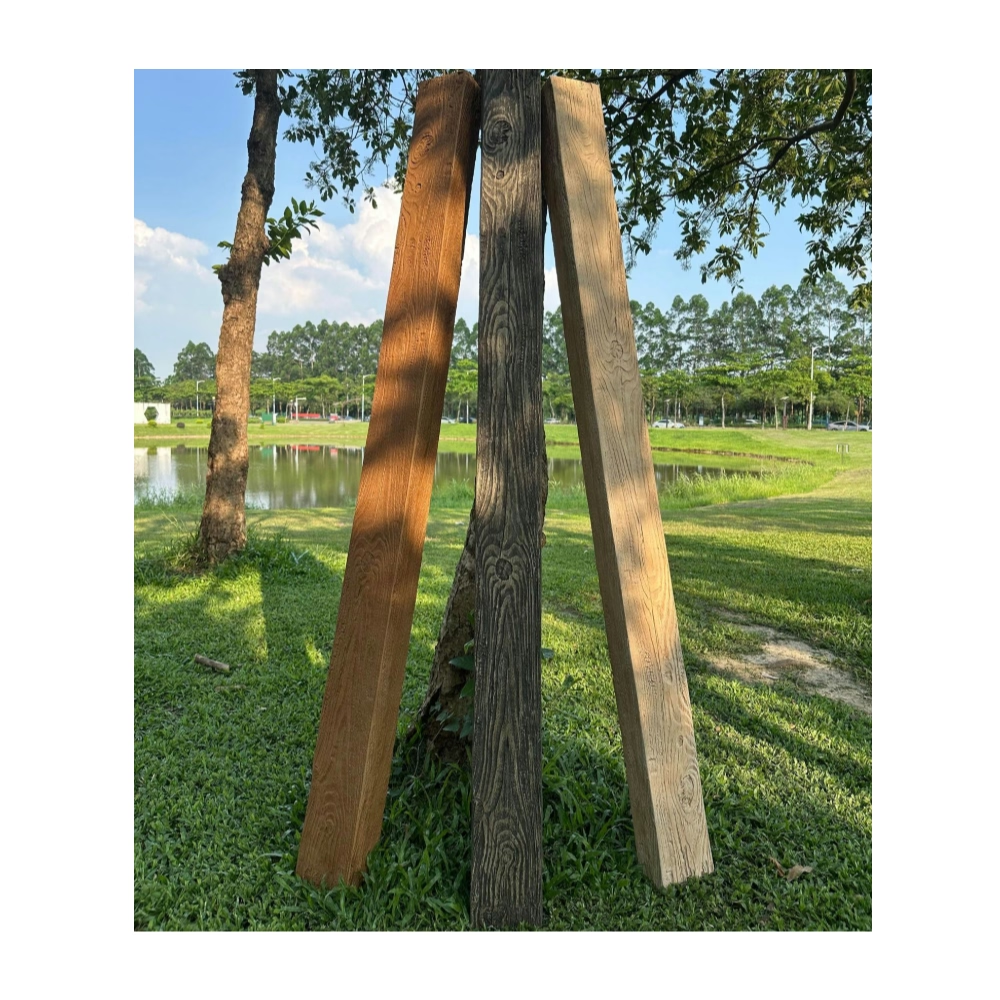
Some basement areas resist finishing more stubbornly than others. Corners where air circulation is poor, spaces beneath floor drains or water features, locations near foundation cracks that seep during heavy rains—these problematic zones accumulate moisture that defeats conventional ceiling treatments. What works adequately in drier basement areas fails here, leaving telltale signs of moisture damage that eventually demand attention. The specification solution for these challenging locations is material that not only resists moisture but remains dimensionally stable despite its presence.
The Dimensional Stability Imperative
Materials that merely resist moisture absorption can still fail through dimensional change. When humidity causes materials to expand and contract, the resulting stress creates cracks at joints, gaps at connections, and visible distortion that undermines appearance and invites further moisture intrusion. True suitability for damp-prone areas requires dimensional stability that prevents these failure modes entirely.
Dimensional stability describes a material's ability to maintain its original dimensions despite environmental changes. Wood is notoriously dimensionally unstable, expanding across grain direction as it absorbs moisture and contracting as it dries. This movement—measurable in percentage terms that can surprise those unfamiliar with wood behavior—creates the stress that eventually causes cracking, splitting, and joint failure.
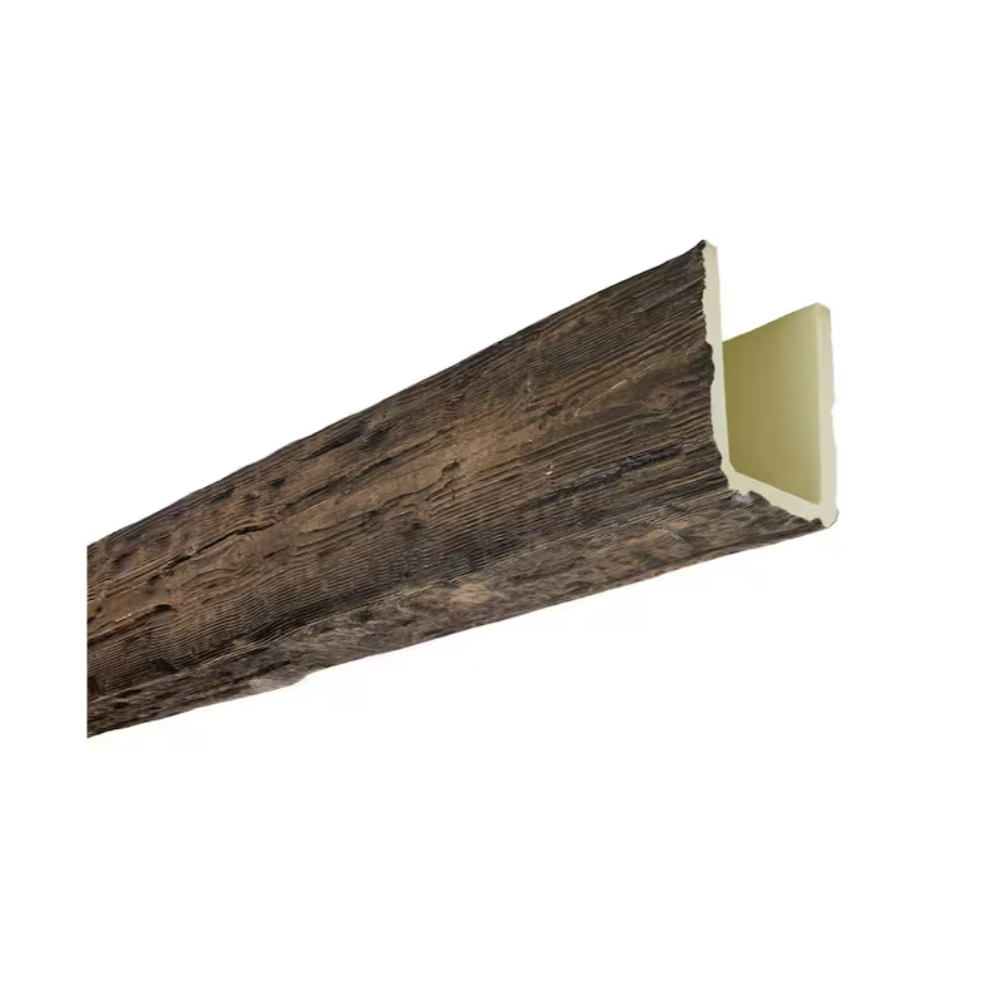
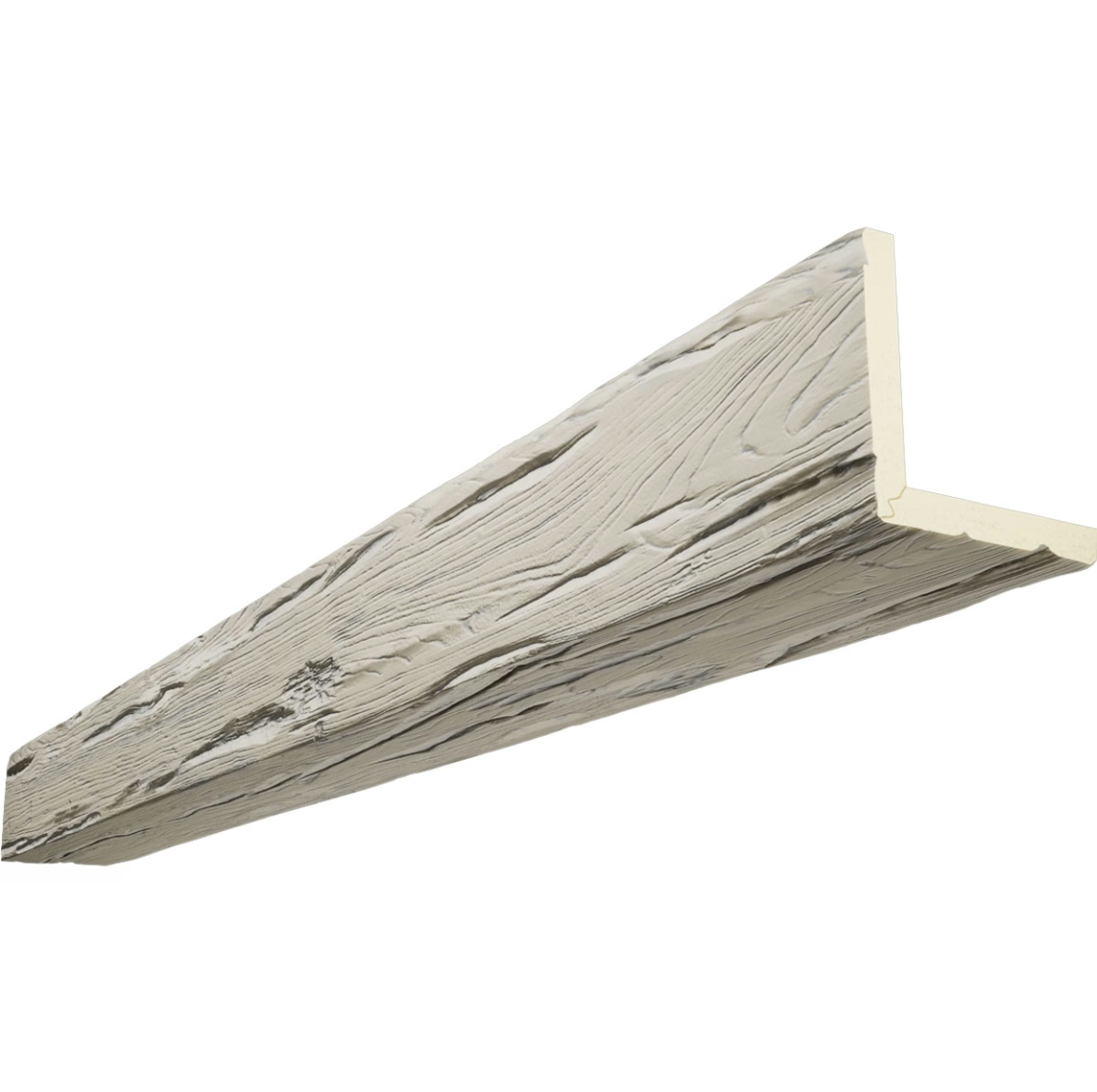
Polyurethane faux beams can be engineered for excellent dimensional stability. The closed-cell structure of quality polyurethane resists the moisture absorption that initiates dimensional change; the inherent stability of the material maintains geometry regardless of humidity conditions. The combination ensures that beams neither absorb moisture nor change dimension when exposed to damp conditions.
This stability manifests practically in tight joints that remain tight, flat surfaces that remain flat, and clean lines that remain clean despite years of exposure to conditions that would progressively distort less stable materials. The visual result is a ceiling that looks as good years after installation as it did on completion.
Identifying Damp-Prone Areas
Before specifying ceiling treatment, the specific moisture conditions that different basement areas experience should be understood. Some areas require moisture-stable materials by virtue of their exposure; others might perform adequately with merely moisture-resistant products. Understanding this distinction prevents over-specification in some locations while ensuring adequate specification in others.
Perimeter areas along foundation walls often experience elevated moisture due to groundwater pressure and the limited insulation that wall-adjacent spaces provide. The temperature differentials that occur here create condensation conditions that more central basement areas do not face. Ceiling treatment in these locations should account for the moisture exposure that perimeter position creates.
Utility areas where water supply, drainage, or HVAC equipment operates present elevated moisture exposure from potential leaks, condensation on equipment, and the humidity that these systems can generate. Even well-maintained equipment produces some moisture through condensate; equipment problems can produce substantial water volumes quickly. Ceiling materials in these areas should expect occasional exposure beyond normal humidity.
Low-circulation corners and enclosed spaces accumulate moisture that better-ventilated areas manage naturally. The stagnant air in these locations allows humidity to build without the air movement that promotes evaporation. Ceiling treatment in these problem areas requires materials that can tolerate sustained humidity without the performance degradation that less stable materials would exhibit.
Engineering for Damp Conditions
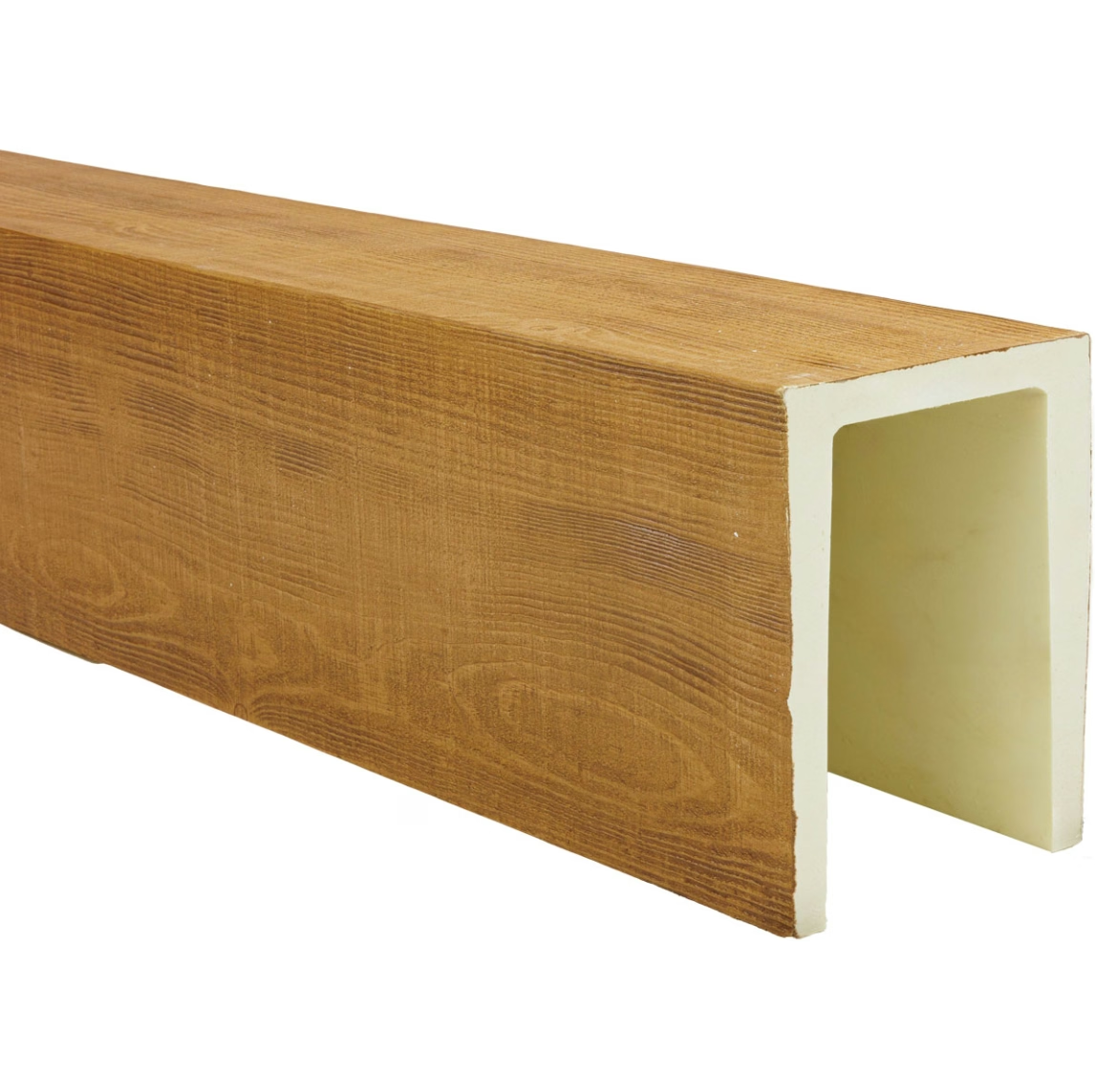
Quality manufacturers engineer beams specifically for challenging applications like damp-prone basement areas. This engineering addresses material selection, component design, and quality verification that ensure reliable performance where moisture exposure is expected.
Core material formulation determines baseline dimensional stability. Quality polyurethane formulations maintain their molecular structure across the temperature and humidity ranges that interior applications experience. Less stable formulations may use less expensive base materials that compromise the stability that the finished product should provide.
Density affects dimensional stability in ways that specification should consider. Higher-density polyurethane offers superior stability compared to lower-density alternatives, particularly in demanding applications. The additional material cost reflects genuine performance advantage that justifies specification in challenging locations.
Additive packages that enhance specific performance characteristics may be included in formulations designed for damp-prone applications. UV stabilizers, impact modifiers, and moisture barriers all contribute to the overall stability that these products should provide. Understanding what additives are included and why helps verify that products are appropriately engineered for their intended applications.
Installation Practices for Damp Locations
Installation technique affects how well even quality materials perform in damp-prone areas. The additional attention that challenging conditions require pays dividends through improved long-term performance.
Ventilation provision addresses the underlying moisture problem rather than merely accommodating it. When possible, improving air circulation in damp-prone areas reduces humidity levels that ceiling materials must tolerate. Supply diffusers, exhaust fans, or simple air pathways that connect to better-ventilated areas all contribute to improved conditions.
Separation from moisture sources where feasible prevents direct contact that even stable materials might eventually struggle to handle. Positioning beams to avoid direct exposure to condensation-prone surfaces, water features, or potential leak sources reduces the moisture load that ceiling treatment must accommodate.
Fastener protection in damp environments requires attention that drier locations might not need. Metal components corrode more rapidly in humid conditions; fasteners should be specified for the exposure they will face. The additional cost of stainless steel or properly coated fasteners prevents the rust staining and structural weakening that lesser products would experience.
Design Solutions for Problem Areas
Damp-prone basement areas present design challenges that thoughtful approaches can address. The goal is ceiling treatment that performs reliably despite challenging conditions while contributing to the overall aesthetic that the space requires.
Partial coverage approaches allow beams to be concentrated in areas where they provide most benefit while avoiding the most problematic locations. This targeted approach provides design impact where conditions permit while avoiding the coverage that would create performance risks in challenging areas.
Coordinated ventilation design integrates beam installation with mechanical improvements that address underlying moisture problems. When beams are installed alongside upgraded HVAC, improved exhaust ventilation, or dehumidification systems, the combined approach creates conditions that beam materials can handle easily.
Material coordination ensures that beam specifications match the moisture conditions that different areas present. Areas with known moisture problems receive appropriate specification; drier areas might use more economical alternatives. This differentiated approach optimizes overall project economics while ensuring that problematic locations receive adequate attention.
Performance Verification
The performance that moisture-stable beams should provide can be verified through appropriate testing and documentation. This verification supports confident specification for challenging applications.
Dimensional stability testing measures how much materials change when exposed to standardized humidity cycles. Quality products show negligible dimensional change across testing ranges; products that show significant movement may not perform adequately in demanding applications. Test results should be available from manufacturers or testing organizations.
Accelerated aging testing simulates years of exposure in compressed timeframes. Products that pass aging tests without visible deterioration provide confidence that real-world performance will match initial specifications. The specific test conditions should relate to the actual conditions that basement applications will present.
Field performance documentation from similar applications provides evidence that products perform as specified in real-world conditions. Manufacturer experience, installer feedback, and user testimonials all contribute to understanding how products actually perform when installed and used as intended.
The Confidence of Appropriate Specification
Specifying moisture-stable materials for damp-prone basement areas reflects appropriate understanding of the conditions that different spaces present. The confidence that this understanding provides enables design decisions that less informed specification would not support.
The premium that moisture-stable materials command over merely adequate alternatives represents investment in reliability rather than unnecessary expense. When conditions are genuinely challenging, the additional cost provides assurance that alternatives would not offer—confidence that ceiling treatment will perform as intended despite the problems that the space presents.
Design solutions that incorporate moisture-stable materials can be implemented with confidence that results will meet expectations. The aesthetic goals that motivated the project can be pursued without the anxiety that less appropriate specification would create. This confidence affects how spaces are experienced as much as how they appear.
Basement areas that have resisted previous finishing attempts can finally be addressed with materials engineered for their specific challenges. What was previously impossible becomes achievable when the right materials are specified. The transformation of these problematic spaces into functional, attractive living areas represents the practical value that appropriate specification enables.
Technical References
ASTM standards cited in every specification
Test Data
Lab results from internal testing program
Updated 2026
Reviewed against current product specs