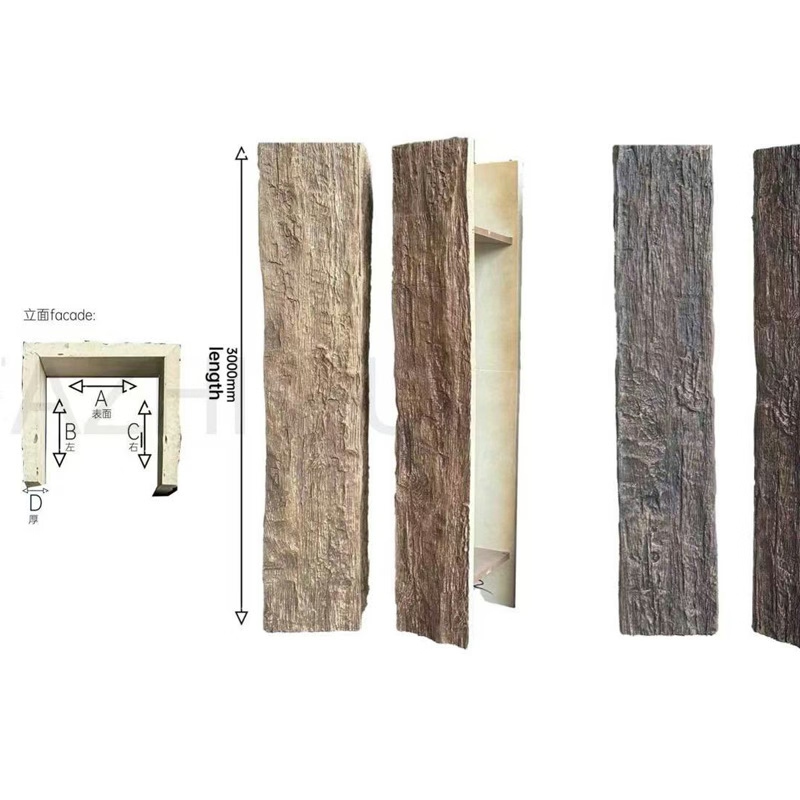
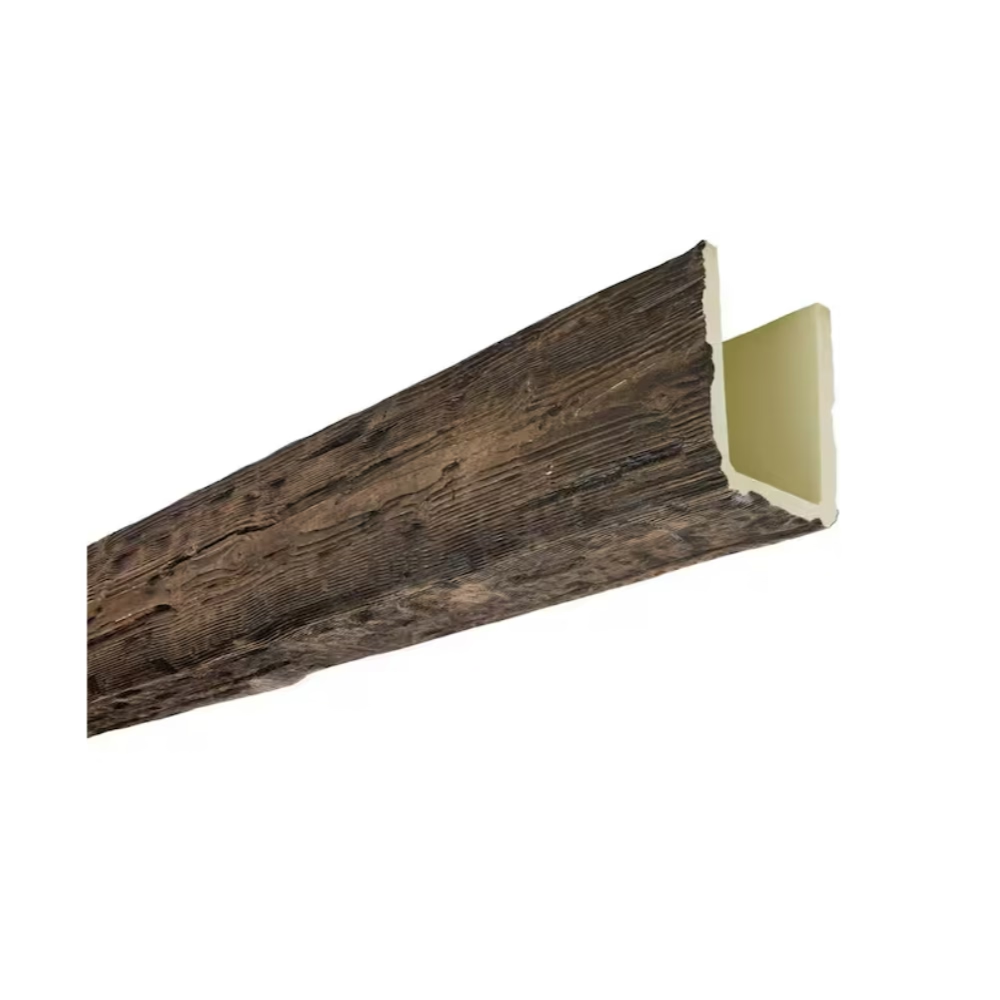
Bathrooms occupy a peculiar position in residential design—they must be simultaneously the most functional and the most comfortable room in the house, accommodating洗漱, grooming, and relaxation in a space that must also withstand relentless moisture exposure. Every shower produces gallons of water vapor that seeks escape through any available pathway. Every toilet flush disturbs air that carries humidity into surrounding spaces. Every occupant generates humidity through normal activities that bathroom materials must accommodate. In this environment of perpetual moisture, ceiling treatment faces challenges that other rooms never encounter.
The Mold Threat in Bathrooms
Mold represents more than aesthetic concern in bathroom environments. The health implications of mold exposure—respiratory issues, allergic reactions, and immune system effects—make mold prevention a legitimate health consideration rather than merely a maintenance preference. Understanding how mold establishes and spreads in bathroom conditions clarifies why material selection matters so much.
Mold requires three conditions to grow: sufficient moisture, organic material to consume, and temperatures within a viable range. Bathrooms provide all three conditions reliably. The moisture from daily bathing, the organic materials from skin cells and bathroom products, and the temperatures that occupied spaces maintain create an ideal environment for mold colonization.
Once established, mold spreads through spore production that distributes reproductive cells throughout the bathroom and beyond. These spores can colonize new surfaces whenever conditions permit, creating persistent problems that single-treatment approaches cannot resolve. Prevention through material selection proves more effective than remediation after colonization occurs.
Mold on ceiling surfaces is particularly problematic because rising warm air carries moisture directly to ceiling areas where it can condense on cool surfaces. The vertical surfaces that walls provide drain water more effectively; horizontal ceiling surfaces accumulate condensation that supports continued mold growth. Ceiling materials that cannot resist this colonization become maintenance burdens that bathroom enjoyment cannot accommodate.
Polyurethane's Resistance Characteristics
Polyurethane's resistance to mold colonization derives from fundamental material properties rather than surface treatments that might wear away. This inherent resistance provides permanent protection that topical mold inhibitors cannot match.
Non-organic composition denies mold the food source that it requires. Organic materials—wood, paper, natural fibers—provide nutrients that mold consumes as it colonizes surfaces. Polyurethane contains no organic components that mold can metabolize, making the material fundamentally uninteresting to organisms seeking food sources.
Non-porous surface prevents the moisture retention that porous materials exhibit. Mold requires sustained moisture to establish and propagate; surfaces that shed water rather than absorbing it deny the moisture conditions that mold needs. Polyurethane's smooth or lightly textured surfaces promote water shedding that prevents the sustained contact that mold colonization requires.
Moisture resistance prevents the damp conditions within material surfaces that mold might exploit. Some materials resist surface absorption while allowing moisture penetration into their structure; this internal moisture can support mold growth even when surface conditions appear dry. Homogeneous polyurethane avoids this problem by resisting moisture penetration entirely, preventing internal colonization that surface inspection might miss.

Bathroom Design Applications
Bathroom ceiling beams can serve multiple design purposes beyond simple aesthetics. Thoughtful specification ensures that beams contribute to overall bathroom design while handling the moisture conditions that bathroom environments impose.
Master bath ceilings benefit from beams that introduce warmth to spaces often dominated by cool tile, glass, and metal. The organic texture that wood-look beams provide softens the hard-surface character that bathroom materials typically exhibit, creating more inviting atmospheres that support the relaxation function that these spaces serve.
Spa bathrooms with steam features, soaking tubs, and multiple shower heads face humidity levels that exceed conventional bathroom conditions. Beams in these spaces must accommodate persistent moisture exposure that would quickly degrade natural alternatives. Mold and humidity resistant specification enables design ambition that moisture sensitivity would preclude.
Guest bathroom ceilings, while less intensively used, still face regular humidity exposure from occupant bathing activities. Beams in these spaces should maintain appearance despite the intermittent moisture events that irregular use creates, handling occasional exposure without the maintenance attention that natural materials would require.
Powder rooms with half-baths may not face the humidity exposure of full bathing facilities, but their proximity to plumbing and occasional moisture from hand washing still justifies moisture-resistant specification. The consistency that uniform material selection provides simplifies maintenance and prevents confusion about which materials can tolerate which exposure levels.
Installation Considerations for Bathrooms
Bathroom beam installation requires attention to conditions that other room installations might overlook. The moisture that bathrooms generate affects installation processes as well as long-term performance.
Ventilation system coordination ensures that bathroom exhaust fans operate effectively without interfering with beam installation. Fan housings, ductwork, and controls may require positioning that beam installation should accommodate. Planning the relationship between beams and ventilation equipment prevents conflicts that might compromise either system's performance.
Light fixture integration in bathrooms requires attention to moisture exposure that fixtures can introduce. Recessed fixtures in shower areas require wet-location ratings; surface-mounted fixtures should be positioned to avoid direct shower spray. Beam installation should coordinate with fixture placement to ensure that both systems perform as intended.
Waterproofing at the ceiling plane prevents moisture intrusion into building structure above bathroom ceilings. Even with moisture-resistant beam materials, the surrounding ceiling and wall construction requires appropriate waterproofing to prevent structural moisture damage. Beam installation should follow rather than precede this waterproofing work.
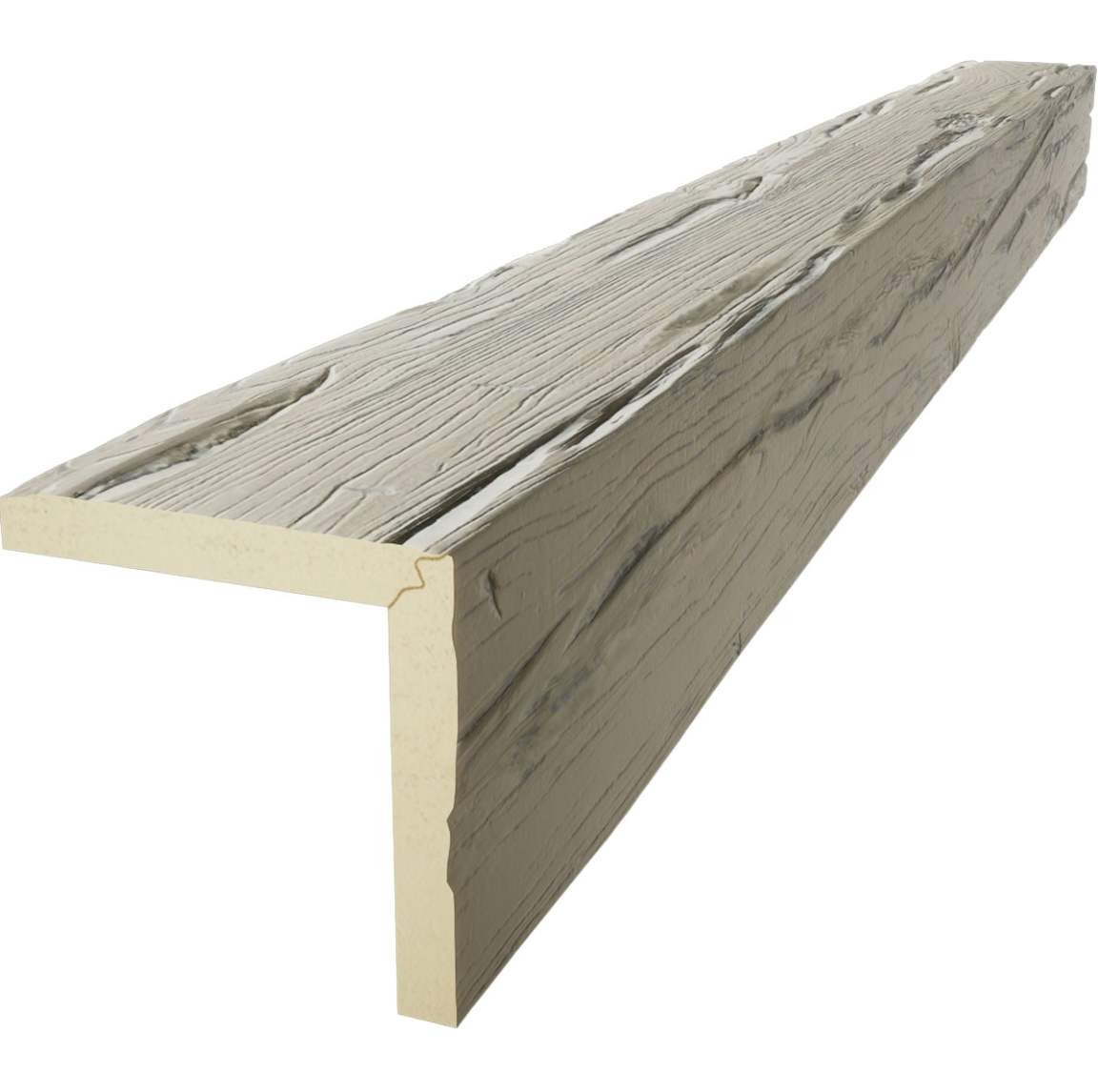
Maintenance for Bathroom Beams
The maintenance that bathroom ceiling beams require differs from other ceiling treatments in ways that affect long-term satisfaction. Understanding these differences informs specification decisions that support intended use patterns.
Cleaning protocols for bathroom beams should match the cleaning that bathroom environments demand generally. The same attention to hygiene that bathroom surfaces receive should include ceiling beams, removing accumulated humidity, soap residue, and potential mold colonization before problems develop.
Inspection frequency in bathroom applications should be higher than in drier spaces. The challenging conditions that bathrooms present warrant regular attention that identifies developing problems before they become serious. This inspection should include beam surfaces, joints, and connections for evidence of moisture intrusion or mold colonization.
Repair approaches for bathroom beams should address the specific conditions that bathroom environments create. Even moisture-resistant materials can be damaged by impacts, improper cleaning, or chemical exposure. Understanding repair options ensures that damage can be addressed without complete replacement.
Health and Indoor Air Quality
Bathroom environments affect indoor air quality throughout the home. Mold colonization on bathroom ceilings releases spores that circulate through HVAC systems to other spaces. Preventing this colonization protects air quality beyond the bathroom itself.
Mold-resistant materials contribute to overall home air quality by preventing the mold growth that would otherwise compromise it. This contribution extends the value of appropriate specification beyond the immediate bathroom application to the broader home environment.
Material off-gassing in bathrooms receives attention that other rooms might not require. The enclosed conditions that bathrooms present can concentrate any emissions from building materials, making low-VOC specification more important than in better-ventilated spaces. Quality polyurethane beams should emit minimal VOCs, contributing to bathroom air quality rather than compromising it.
Long-Term Performance Expectations
The performance that bathroom beams should provide extends across the life of the installation. Setting appropriate expectations helps ensure that specification decisions support intended outcomes.
Quality bathroom beams should maintain appearance indefinitely with routine cleaning and maintenance. The visual quality that motivated specification should persist for years without the deterioration that lesser materials would exhibit.
Moisture resistance should remain effective regardless of how many years the installation serves. Some materials degrade over time, losing the resistance that initial specification provided. Quality polyurethane maintains its characteristics across extended service periods, providing consistent performance that does not decline with age.
The investment that quality bathroom beams represent should return value through years of satisfactory service. When specification is appropriate for the conditions that bathrooms present, the ceiling treatment becomes an asset rather than a concern—contributing to bathroom enjoyment without demanding the attention that problem materials would require.
Technical References
ASTM standards cited in every specification
Test Data
Lab results from internal testing program
Updated 2026
Reviewed against current product specs