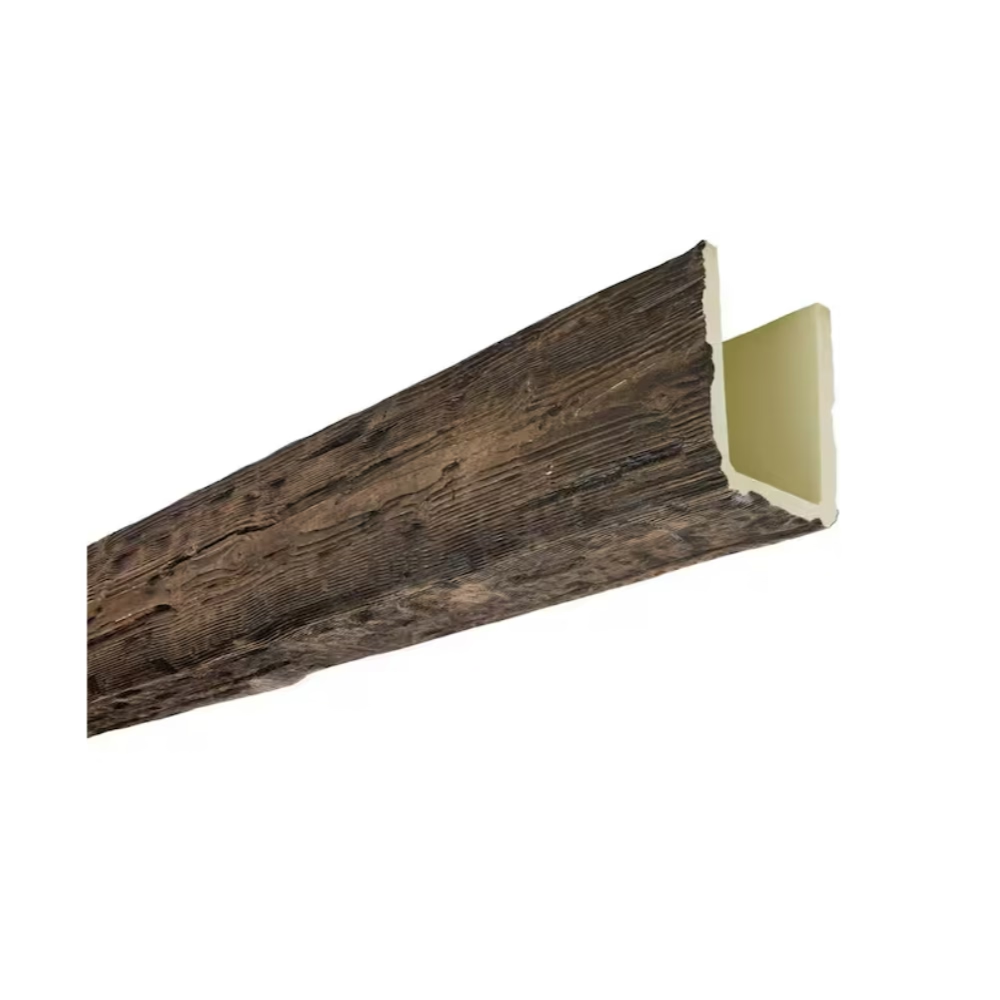
Home renovation projects frequently demand multiple beams to complete ceiling treatments across several rooms. Rather than purchasing individual components at standard retail pricing, savvy renovators discover that multi-pack configurations provide meaningful savings while ensuring color and texture consistency across entire projects. These bulk purchasing options align perfectly with the economic realities of comprehensive home improvement work.
The math behind bulk purchasing proves compelling for substantial installations. A whole-home renovation might require eight to twelve beams across multiple spaces, from living areas to master suites to finished basements. Multi-pack pricing typically delivers savings of fifteen to thirty percent compared to equivalent single-unit purchases, translating to hundreds of dollars returned to renovation budgets already stretched thin.
Understanding Multi-Pack Economics
Manufacturing efficiency drives multi-pack pricing advantages. Production runs optimized for consistent products across multiple units reduce setup costs that single-item orders absorb individually. Warehouse handling and shipping consolidate across larger shipments, spreading per-unit logistics costs more favorably. These efficiencies translate directly to customer pricing without compromising product quality.
Inventory management benefits accrue to suppliers holding multi-pack stock versus individual items. A warehouse can track and pick bundles more efficiently than equivalent numbers of single units, reducing handling labor and fulfillment errors. The operational savings support pricing structures that reward customers for consolidated purchasing.
Consistency benefits accompany bulk purchasing in ways that transcend direct cost savings. When all beams originate from single production batches, color matching becomes guaranteed rather than hopeful. Variations between production runs that might create visible differences in finished installations simply cannot occur when all components share common manufacturing origin.
Project Planning for Bulk Requirements
Accurate quantity determination prevents both shortages requiring emergency reorders and excess requiring storage or disposal. Professional measurement with attention to corner conditions, beam lengths, and any special sizing requirements provides the foundation for reliable ordering. Adding ten to fifteen percent contingency coverage protects against measurement errors, cutting mistakes, or on-site damage.
Dimension planning should account for beam spacing that achieves intended visual effect. Closely spaced beams create different atmospheres than widely spaced alternatives, with spacing typically ranging from two to six feet on center depending on ceiling dimensions and design intentions. Establishing spacing before calculating quantities ensures that purchased materials achieve planned appearance.
Room-by-room inventory simplifies complex projects with beams serving different functions across spaces. Living areas might feature substantial main beams with lighter secondary members, while kitchens require beams sized appropriately above islands and eating areas. Separate inventory lists prevent confusion during ordering and installation.

Multi-Pack Configuration Options
Standard multi-pack quantities typically include two, four, six, or eight beams per bundle, with pricing improving as quantities increase. Two-beam packs serve single-room installations or projects adding modest accents to existing treatments. Eight-beam bundles accommodate substantial installations or projects spanning multiple adjacent rooms.
Custom pack configurations become available for large projects exceeding standard bundle quantities. Project-specific quotes incorporating exact requirements often provide savings beyond standard multi-pack pricing. These arrangements suit renovation contractors purchasing for client projects or developers completing multiple units in residential communities.
Mixed-configuration packs allow purchasing of different beam styles within single orders, ensuring consistent treatment across varied applications. A project might combine substantial main beams for primary ceilings with lighter accent beams for secondary spaces, all ordered together for color consistency and combined pricing benefits.
Size and Profile Variations
Multi-pack availability varies by beam profile, with common styles stocked in bulk while specialized profiles may require custom ordering. Standard profiles including common box beam, Strat Beams, and mantel beam styles typically enjoy broad multi-pack availability. Custom profiles may require single-unit ordering or extended lead times for production runs.
Length options within multi-pack offerings affect applicability across project types. Common lengths ranging from eight to twelve feet serve typical residential applications. Longer lengths for cathedral ceilings, great rooms, or commercial applications may require special ordering with corresponding impacts on availability and pricing.
Finish availability concentrates on popular options for multi-pack inventory, with natural wood tones, painted whites, and common stain colors stocked while specialty finishes may require individual ordering. Popular finish options typically include oak, walnut, and weathered gray tones that suit diverse design schemes.
Storage and Handling Considerations
On-site storage for bulk beam deliveries requires adequate protected space before installation begins. Flat storage on clean, dry surfaces prevents finish damage from moisture or contamination. Multiple beams stacked for storage benefit from protective layers between units that prevent surface contact that might damage finishes.
Climate considerations affect storage location selection, with extreme temperature or humidity conditions potentially affecting polyurethane materials. Covered, climate-controlled storage provides optimal protection, while outdoor storage should be brief and covered with breathable materials that prevent condensation accumulation.
Delivery coordination ensures that bulk shipments arrive when installation crews are prepared to receive and store materials efficiently. Premature delivery creates storage burdens; delayed delivery disrupts project schedules. Clear communication with suppliers regarding delivery timing and site access requirements prevents logistics complications.
Installation Sequencing
Large renovation projects benefit from installation sequencing that maximizes bulk purchasing benefits. Completing all beam installations within concentrated timeframes reduces labor costs that would accumulate across extended project periods. The efficiency of working with consistent materials without switching between tasks improves installation quality alongside productivity.
Staged installations across multiple rooms may proceed room-by-room or simultaneously based on crew availability and project logistics. The consistency of bulk-purchased materials ensures that whichever sequence is followed, finished results appear as intentional unified treatments rather than combinations of separately sourced elements.
Coordination with other trades during multi-room installations prevents conflicts that might require beam modification or replacement. Electrical work, HVAC modifications, and finishing trades should complete relevant work before beam installation begins. This coordination prevents damage to installed beams from subsequent trades and ensures clean sight lines throughout finished spaces.
Quality Control in Bulk Orders
Receiving inspection for bulk orders verifies that delivered materials match ordered specifications before installation begins. Checking finish color against samples, verifying dimensions across random抽样 samples, and inspecting for shipping damage prevents problems that become expensive once installation is underway.
Finish consistency verification becomes particularly important for bulk orders where visual unity across installed beams is essential. Examining each beam's surface under lighting conditions matching final installation reveals any beams departing from expected appearance. Identifying inconsistencies before installation prevents the disruption of removing and replacing installed components.
Documentation retention from bulk purchases supports warranty claims and reordering if additional materials prove necessary. Order confirmations, batch numbers, and finish specifications should remain accessible throughout the warranty period. This documentation proves valuable if matching materials become necessary for repairs or extensions.
Warranty Implications
Bulk purchase warranty coverage typically mirrors single-unit terms, with manufacturer warranties applying regardless of quantity purchased. Understanding warranty scope, duration, and claim procedures ensures that coverage remains available if problems emerge. Warranties typically cover manufacturing defects, finish adhesion failures, and structural integrity issues.
Installation-related issues generally fall outside warranty coverage, emphasizing the importance of proper technique from the beginning. Documentation of installation methods, adhesive products used, and environmental conditions during installation supports any claims that might require distinguishing manufacturing defects from installation errors.
Extended warranty options available for bulk purchases may provide additional protection for commercial applications or investor-owned properties. Evaluating these options against specific project risk factors and usage patterns helps determine whether extended coverage represents good value.

Budget Optimization Through Bulk Purchasing
Comparing total project costs between bulk and single-unit purchasing reveals meaningful savings for substantial installations. Calculating per-beam costs across the full project quantity, including any volume discounts and shipping considerations, provides accurate comparison basis. These calculations inform purchasing decisions that affect entire project budgets.
Material cost savings from bulk purchasing can redirect funds toward other project elements. Upgraded finishes, additional beams, or complementary treatments become affordable when bulk savings accumulate. This reallocation opportunity makes comprehensive projects achievable within constrained budgets.
Long-term value considerations extend beyond immediate installation to maintenance, durability, and replacement considerations. Quality beams from bulk purchasing provide decades of service without replacement, making initial cost differences negligible across product lifecycles. The false economy of cheap materials that require early replacement disappears when examining total ownership costs.
Contractor Volume Programs
Professional contractors frequently access contractor-specific pricing that improves on consumer bulk rates. Establishing accounts with suppliers, demonstrating ongoing purchase volume, and meeting qualification requirements opens access to these pricing tiers. The savings across multiple projects over time justify the account establishment effort.
Project consultation services available through contractor programs provide additional value beyond pricing advantages. Technical guidance, installation support, and specification assistance help contractors deliver quality results that support their professional reputations. These services prove particularly valuable for contractors new to beam installation or working with unfamiliar products.
Flexible ordering options through contractor accounts accommodate varying project requirements without committing to fixed quantities. Standing orders, will-call arrangements, and scheduled deliveries provide the flexibility that varied project schedules demand. This ordering convenience improves operational efficiency alongside pricing benefits.
Technical References
ASTM standards cited in every specification
Test Data
Lab results from internal testing program
Updated 2026
Reviewed against current product specs