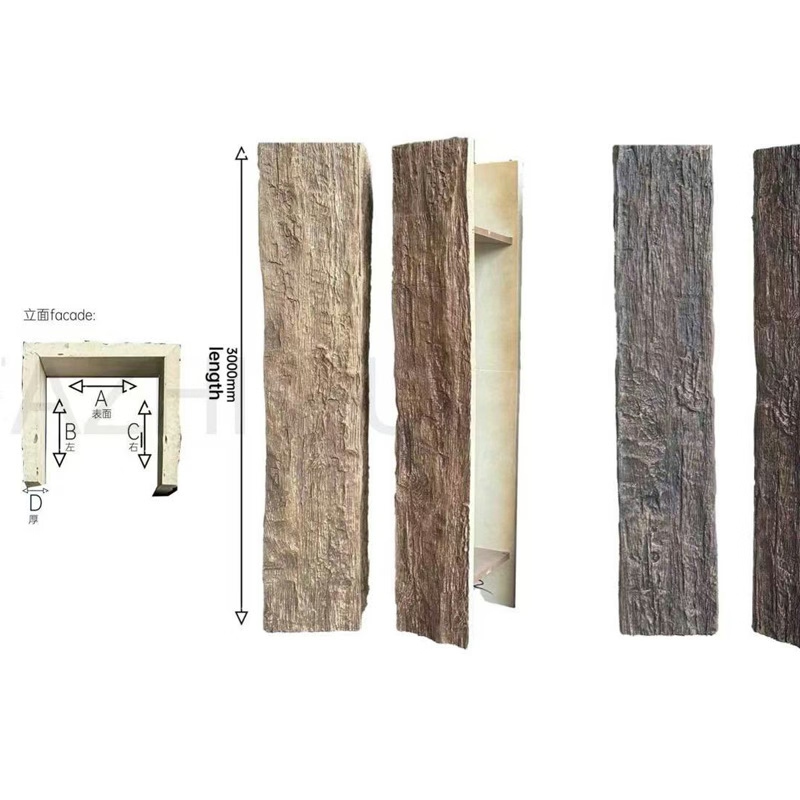
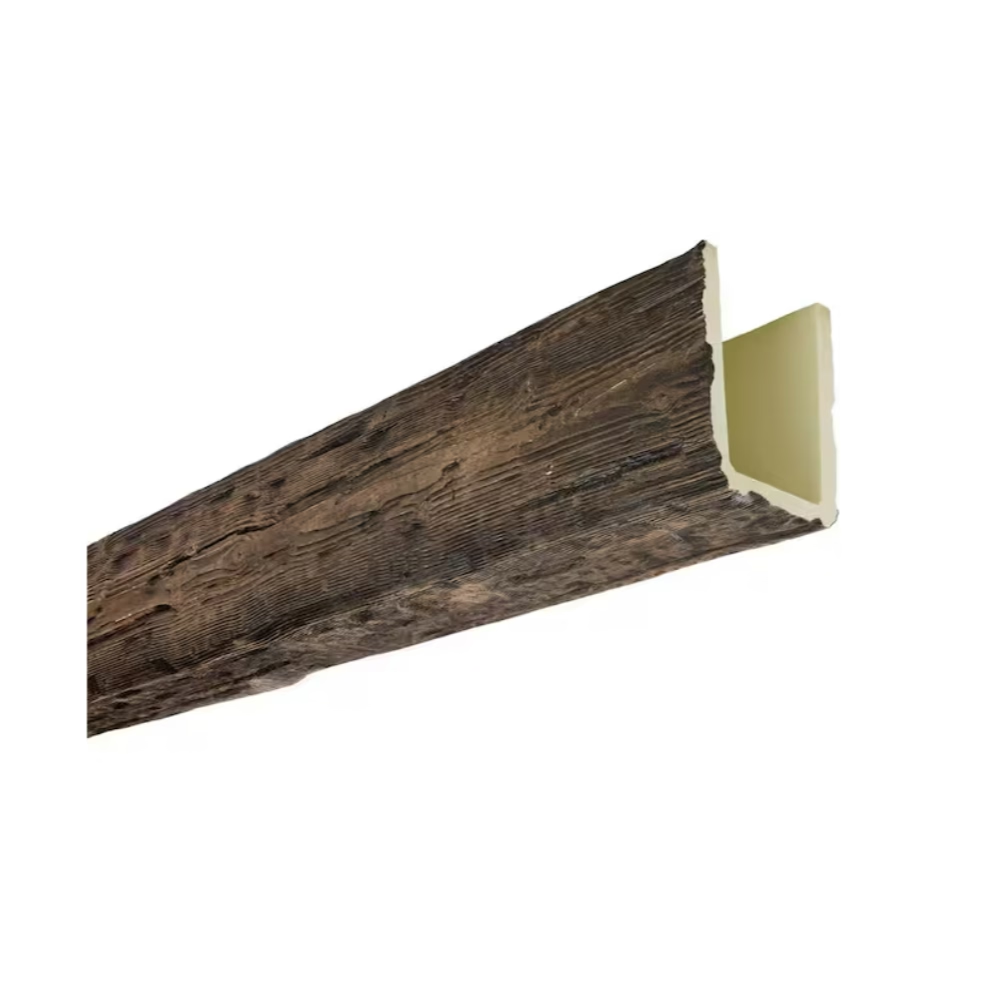
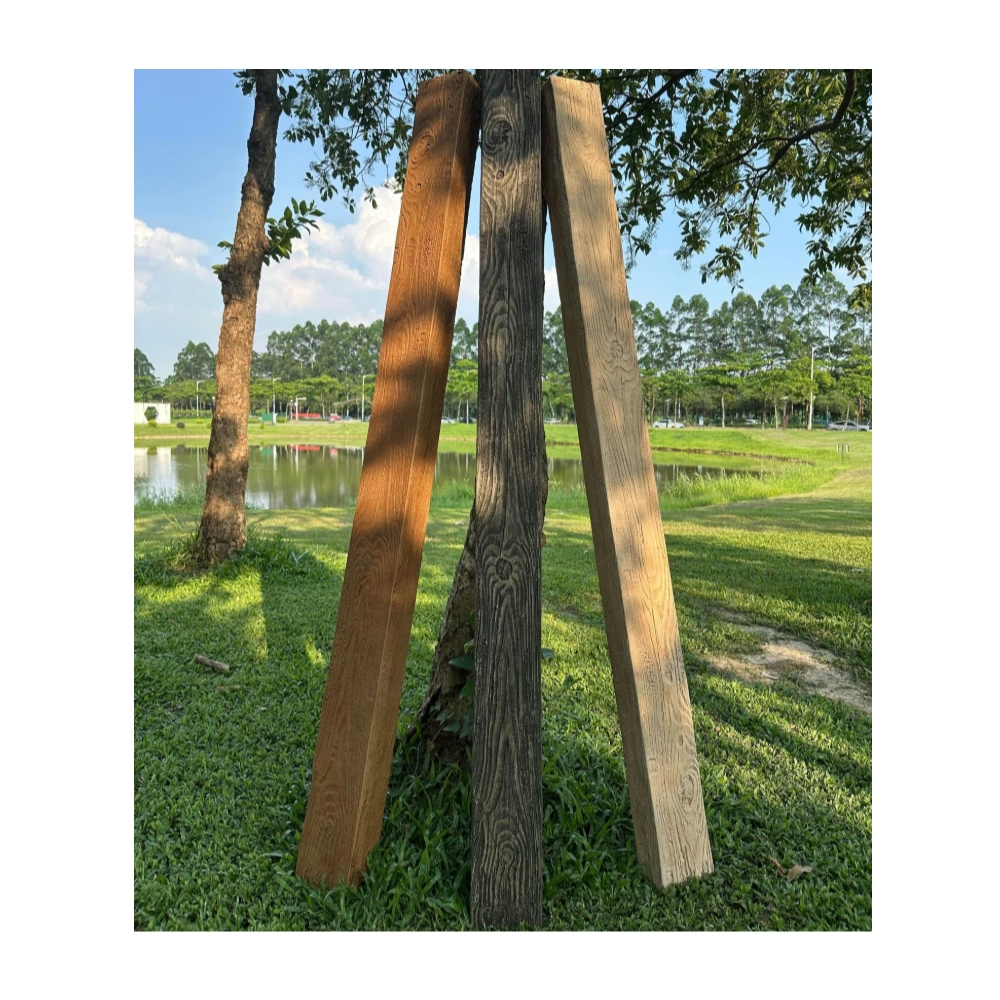
The classic residential interior draws its appeal from qualities that transcend temporary design trends. These are spaces designed for comfortable habitation rather than photographic display, where warm wood tones create the backdrop for family life across generations. Traditional details coexist with modern functionality, producing environments that feel genuinely inhabited rather than curated for appearance. Natural oak finish faux wood ceiling beams serve these classic interiors perfectly, providing the warmth and character that generations of homeowners have valued while eliminating the maintenance burdens that genuine timber would impose.

Oak has maintained its position as the preferred hardwood for residential applications across centuries of American home building. The species offers exceptional durability, beautiful grain patterns that become more interesting with age, and warm coloring that complements virtually every interior palette. These qualities have made oak the default choice for homeowners seeking wood character without the visual extremes of more dramatic species. Natural oak finish faux beams extend this legacy into contemporary applications, where the practical advantages of manufactured products combine with the aesthetic qualities that have made oak enduringly popular.
The Enduring Appeal of Oak in Residential Design
Oak's residential popularity stems from qualities that remain relevant regardless of changing fashion. The wood's medium-toned warmth avoids the extremes of pale maples and dark walnuts, creating visual balance that suits diverse design intentions. Whether paired with Victorian detailing or contemporary simplicity, oak contributes appropriate warmth without demanding specific accompaniment.
The grain character of oak provides visual interest without the aggressive pattern of some species. Medullary rays create the distinctive fleck that distinguishes oak from other hardwoods, adding subtle detail that rewards close observation. Broader grain lines establish overall rhythm across surfaces. This multi-scale texture keeps oak interesting across different viewing distances, performing well both as background element and as focal point.
Oak accepts stains and finishes with remarkable consistency, allowing precise matching to existing woodwork or specific color intentions. Natural finish reveals the wood's inherent beauty; tinted finishes shift toward warmer or cooler tones as design requires. This versatility has made oak the preferred species for projects requiring precise color matching between different wood elements.
Classic Interior Design Principles
Classic residential interiors prioritize comfort and livability over dramatic effect. Furniture arrangements support conversation and gathering rather than visual spectacle. Color palettes emphasize warmth and welcome rather than trendy sophistication. Materials display honest character rather than manufactured perfection. Natural oak beams contribute to all these qualities, providing warmth that invites occupation and authentic character that improves with age.
The traditional room layouts that classic interiors often feature benefit from the spatial definition that ceiling beams provide. Defined zones for sitting, dining, and reading emerge naturally from beam placement, helping inhabitants navigate spaces without requiring walls or other physical barriers. This architectural guidance proves particularly valuable in open floor plans where functional zones might otherwise blur together.
Natural light interacts beautifully with oak finish beams throughout the day. Morning light reveals the warmer tones in oak's natural coloring; afternoon sun brings out deeper amber hues; evening light creates the golden glow that makes classic interiors feel genuinely welcoming. This changing quality keeps rooms interesting across the rhythms of daily life without requiring any intervention from inhabitants.
Common Residential Applications
Living rooms and family rooms represent the most frequent applications for oak finish beams in residential settings. These gathering spaces benefit from the warmth that wood contributes, creating environments conducive to relaxation and connection. Beams across vaulted or flat ceilings establish architectural presence that organizes furniture arrangements while providing visual warmth.
Dining rooms gain intimate atmosphere from oak beam treatments. The meals shared, conversations held, and celebrations marked deserve settings that support rather than distract from these activities. Wood overhead creates the sense of enclosure that makes dining feel special without the confinement that walls might impose. The warmth of oak complements the gatherings that dining rooms host.
Bedrooms can incorporate oak beams for restful atmosphere, though the approach typically requires more restraint than living room applications. A single beam crossing the ceiling of a master bedroom adds architectural interest while maintaining the quiet quality that restful rooms require. The warm oak tone contributes to the cozy atmosphere that helps spaces feel genuinely sleep-inducing.
Kitchens in classic homes often feature oak beams, with the wood's warmth balancing the practical functionality that cooking spaces demand. Above kitchen islands, across cooking zones, or throughout entire kitchen ceilings—beam placement responds to specific spatial conditions while contributing the warmth that makes kitchens the heart of classic homes.
Coordinating with Traditional Architectural Elements
Classic residential architecture typically includes elements that predate current renovations—original millwork, period-appropriate hardware, existing hardwood floors that might not perfectly match new installations. Natural oak faux beams coordinate effectively with these existing elements, with the oak finish matching well enough to create visual harmony without requiring the expense and uncertainty of matching genuine timber.
Crown moldings and casings in older homes often feature profile details that contemporary products cannot precisely replicate. Oak faux beams provide visual warmth that complements these details without demanding exact matching that might be impossible to achieve. The contribution of authentic wood character outweighs minor profile differences that casual observation would never notice.
Fireplaces in classic interiors frequently feature wood mantels or surrounds that establish the material vocabulary for ceiling treatments. When existing fireplace woodwork cannot be replicated, oak faux beams provide complementary elements that extend the material throughout the space. This material continuity creates unified interiors where different elements feel related rather than disconnected.
Color Palette Coordination
The warm neutral quality of natural oak coordinates with diverse color palettes while contributing essential warmth. Earth tone schemes—browns, tans, warm greys—create direct harmony with oak coloring, producing interiors that feel grounded and natural. These palettes suit classic interiors particularly well, reinforcing the comfortable, inhabited quality that distinguishes these spaces.
Blue color schemes create more complex but ultimately successful relationships with oak. The complementary color to orange, blue creates visual tension that oak's warm tones help resolve. Navy, slate, and soft blue-greens all find accommodation within oak-toned interiors, with the wood providing grounding warmth that prevents cooler tones from becoming dominant.
Green accents in classic interiors connect naturally to oak through shared organic origins. Sage, forest, and olive greens complement oak's warm browns while introducing color variety that prevents monochromatic schemes. These combinations appear frequently in traditional interiors where botanical prints, potted plants, and natural fiber textiles reinforce connections to living systems.
The Practical Case for Residential Faux Oak
Homeowners seeking oak aesthetics face practical constraints that faux products elegantly address. Genuine old-growth oak timber in architectural dimensions has become scarce and expensive, with quality availability limited and costs reflecting scarcity. Faux oak beams provide the aesthetic qualities that design intentions require while avoiding these sourcing challenges and cost premiums.
Installation in existing homes requires consideration of structural limitations that older construction often presents. Floor joists and ceiling framing in historic homes were not designed to support the heavy loads that solid timber beams would impose. Lightweight faux beams eliminate these structural concerns, allowing aesthetic improvements that genuine timber would preclude.
The maintenance simplicity of faux oak supports the busy lifestyles that characterize modern households. Unlike genuine timber that requires periodic refinishing, protective treatment, and careful monitoring for moisture problems, faux oak beams maintain their appearance through routine cleaning. This practical advantage proves particularly valuable in family homes where maintenance time is limited.
Long-Term Value for Homeowners
The investment in quality ceiling beams should provide returns throughout extended occupation rather than requiring replacement or major maintenance within years. Faux oak beams maintain consistent appearance while genuine timber would show the accumulated effects of exposure, use, and aging. This stability preserves the initial design intent indefinitely.
The adaptability of faux beams supports future changes in interior direction. While the neutral oak tone remains appropriate across diverse design intentions, should complete renovation require different aesthetics, lightweight beams can be removed and replaced more easily than heavy timber would permit. This flexibility protects the investment value of initial installation.
Quality construction ensures that beam installations contribute positively to property value. Authentic wood character remains desirable across changing markets and buyer preferences, providing appeal that transcends temporary trends. Homes featuring thoughtful wood beam installations typically command premium interest from buyers who recognize the quality that these elements represent.
Selecting Appropriate Products
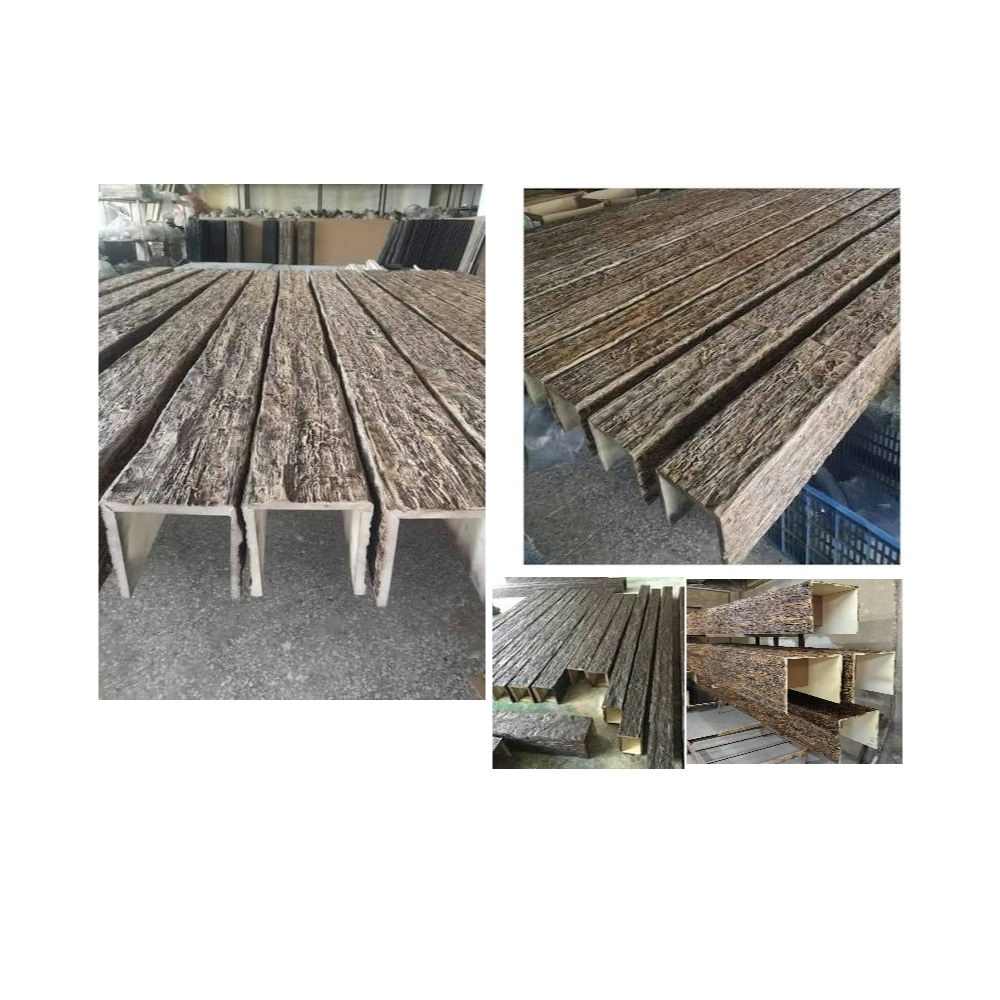
Product quality varies significantly in oak finish faux beams, and selecting premium products ensures results that satisfy design intentions. Grain authenticity—the accurate reproduction of oak's characteristic patterns—distinguishes quality products from budget alternatives. The medullary ray fleck that distinguishes oak should be clearly visible without appearing artificially repeated or excessive.
Finish quality determines how beams will appear and perform over time. Premium finishes replicate the subtle luster of natural oiled or lightly varnished oak rather than the heavy shine of polyester finishes. This refined appearance suits classic interiors better than high-gloss alternatives that would appear out of place in traditionally styled spaces.
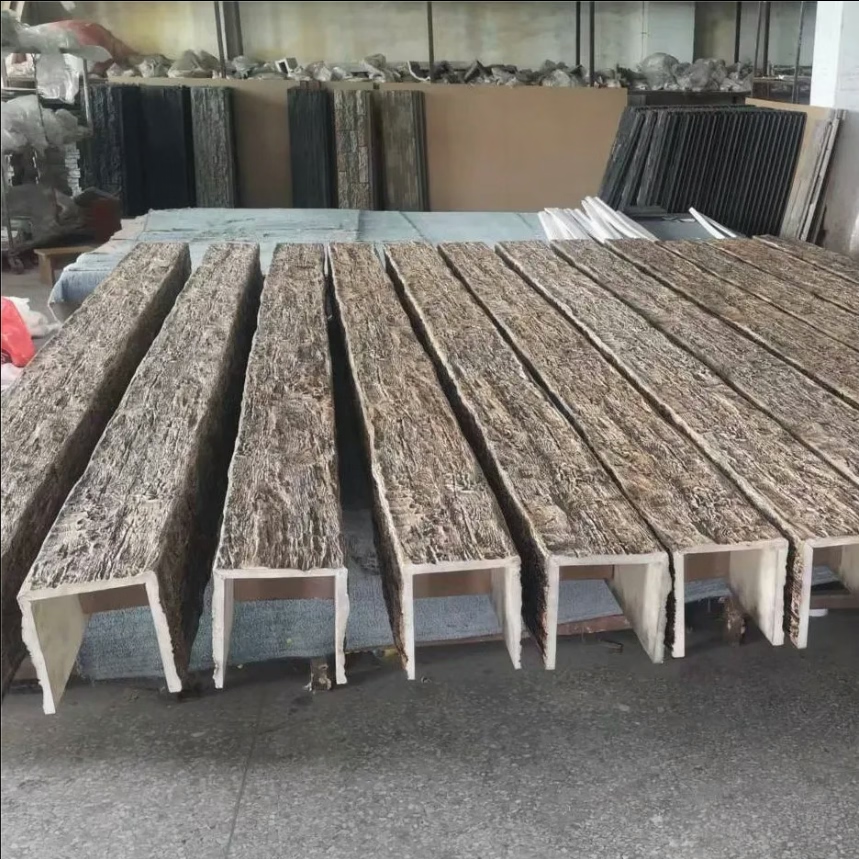
Structural integrity in manufactured beams affects both safety and appearance. Quality polyurethane provides solid feel and consistent dimensions throughout each beam and across complete orders. Beams that feel hollow, display visible seams, or show inconsistent dimensions indicate manufacturing problems that will affect both appearance and performance.
Professional Installation Considerations
While some homeowners successfully install faux beams as DIY projects, professional installation ensures results that meet the quality expectations that classic interiors require. Experienced installers understand how to create seamless joints between beams, secure mounting that maintains appearance indefinitely, and finishing details that elevate overall installation quality.
Installation timing should coordinate with other construction activities to minimize disruption. Beams are typically installed after painting but before final trim and furnishing, allowing access for finishing work while protecting beam surfaces from damage during later construction phases. Coordination with other trades ensures efficient installation without costly delays or damage repairs.
The final inspection of installed beams should verify both structural security and visual quality. Each beam should feel solid when pressure is applied, without movement or flexing that might indicate inadequate mounting. Visual inspection under both natural and artificial lighting reveals any imperfections that might require correction before the project is considered complete.
Technical References
ASTM standards cited in every specification
Test Data
Lab results from internal testing program
Updated 2026
Reviewed against current product specs