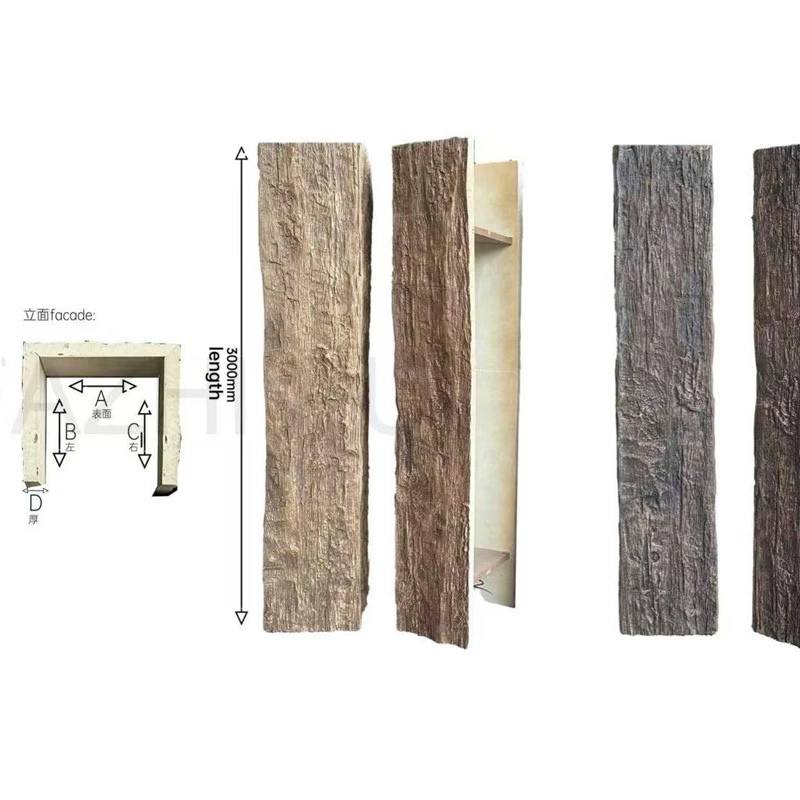
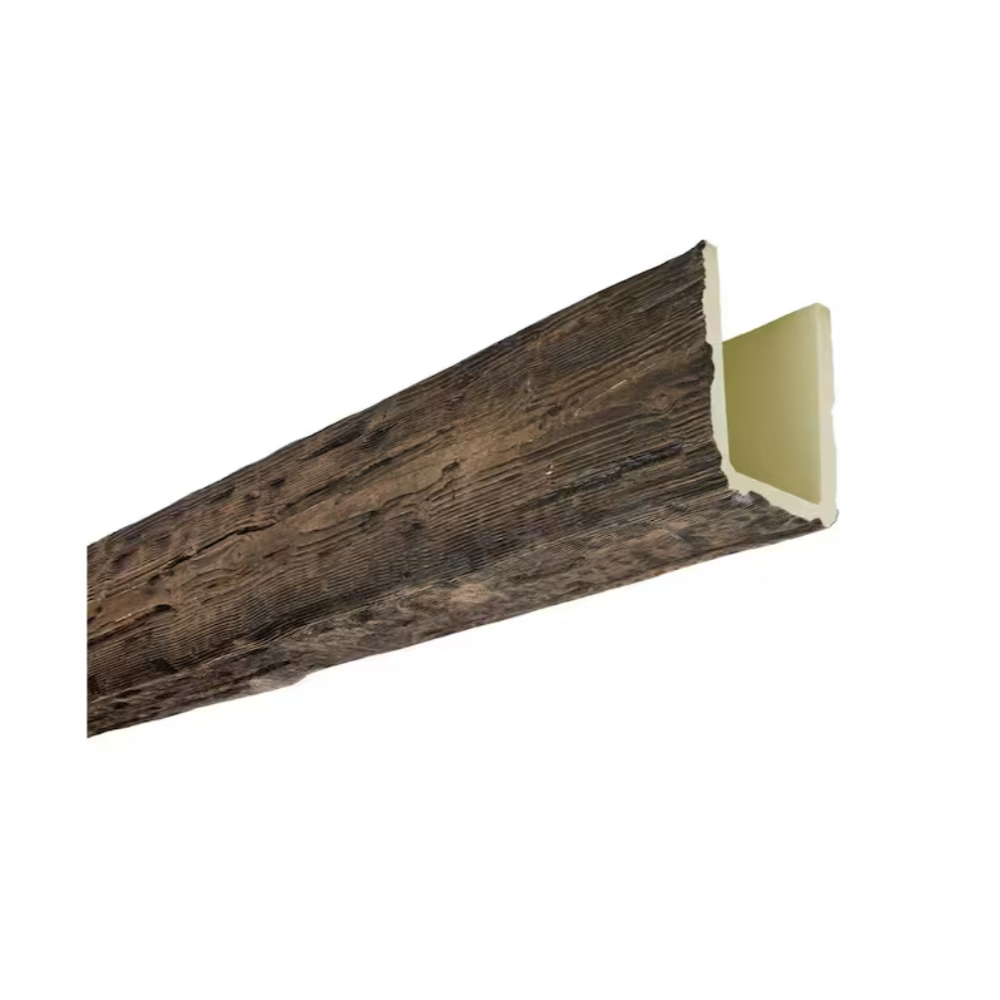
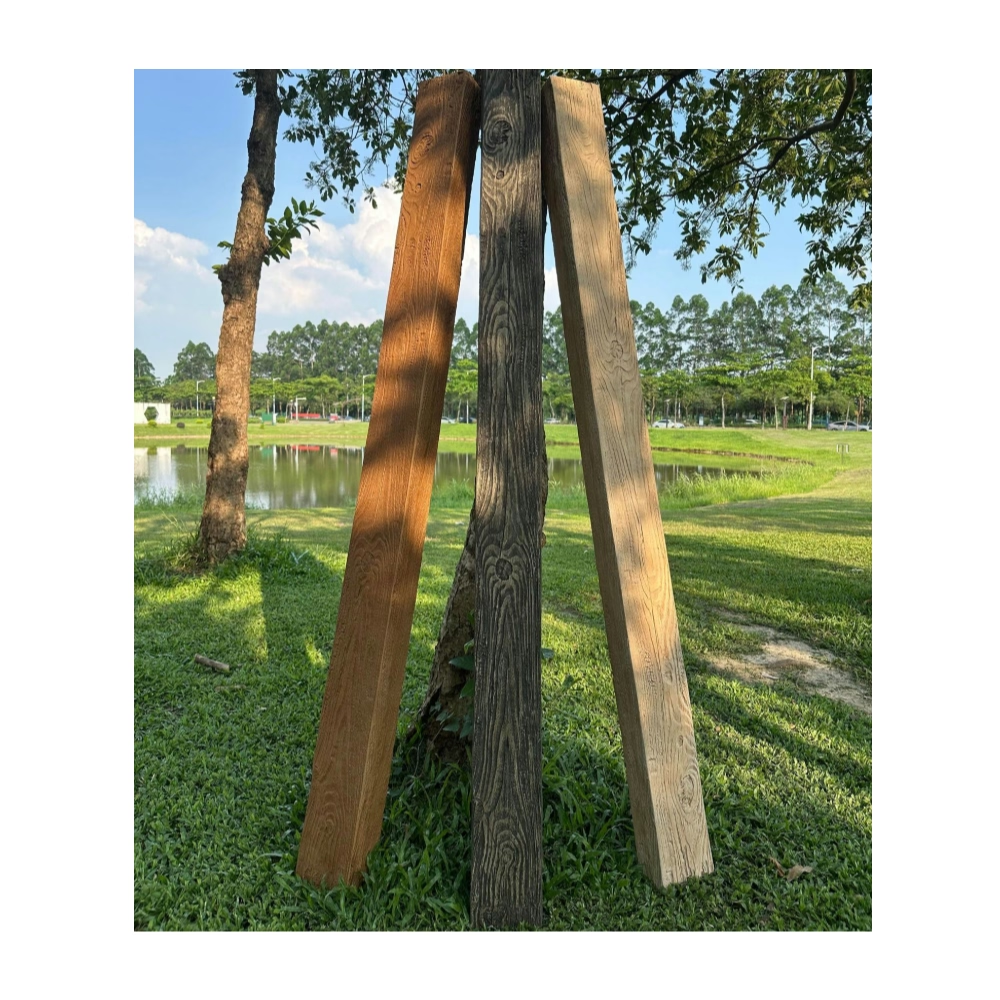
There's something undeniably inviting about authentic oak wood in a home. The warm honey tones, the subtle wave patterns that trace through the grain, the way light plays across the surface throughout the day—these are qualities that synthetic materials have historically failed to capture. Yet modern manufacturing techniques have changed this reality entirely. Natural oak grain PU faux wood ceiling beams now offer an incredibly convincing alternative that homeowners and designers are embracing with growing enthusiasm.
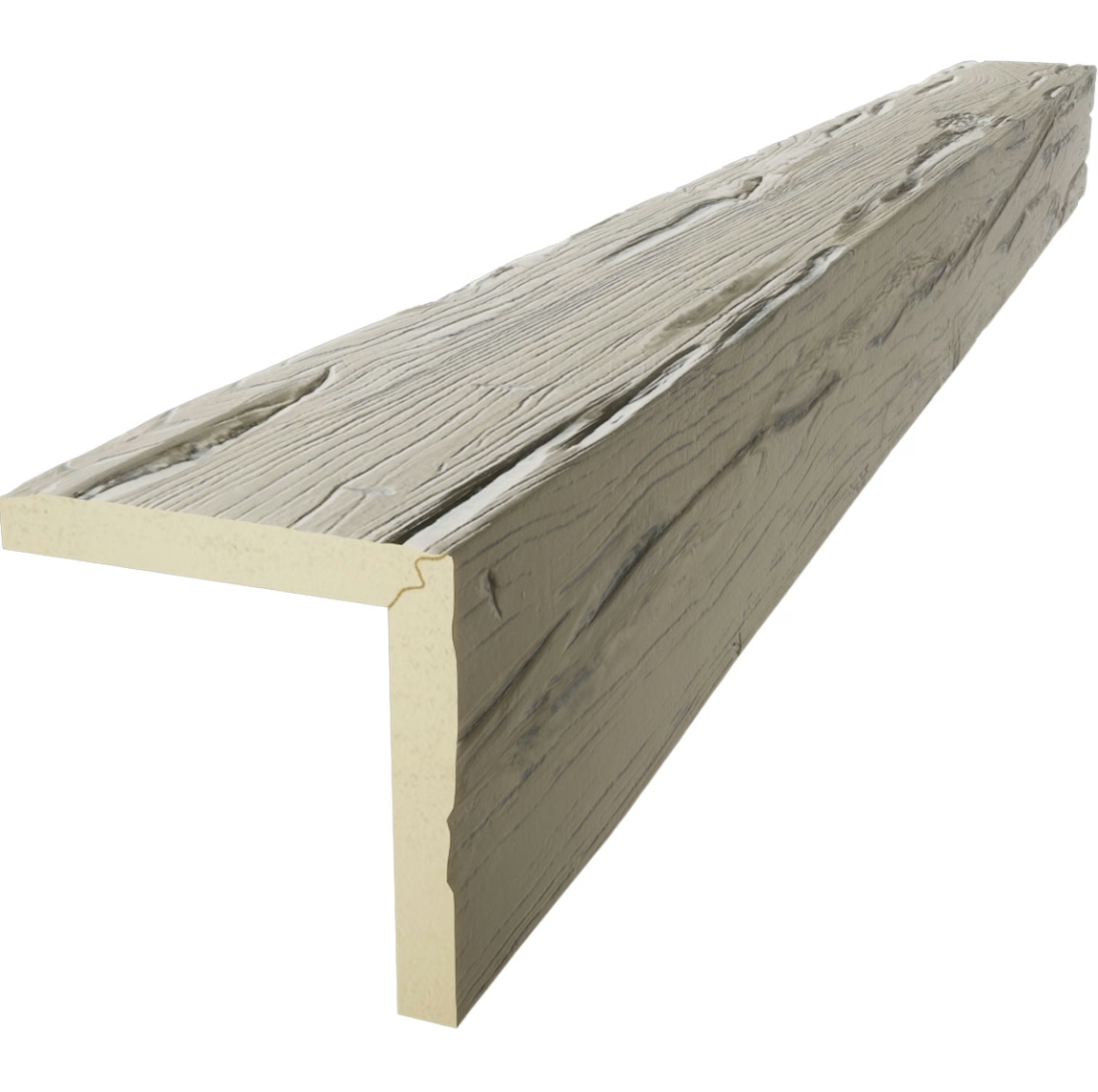
The secret lies in the sophisticated molding processes used to reproduce oak's distinctive character. Manufacturers start with carefully selected samples of genuine oak timber, capturing every nuance of the grain structure, from the tight annual ring patterns near the heartwood to the more open, flowing lines found closer to the bark. These molds then become the foundation for polyurethane beams that reproduce these patterns with remarkable fidelity. When you run your hand across the surface of a well-made PU beam, the texture tells the same story as real oak—the slight variation in density, the gentle raised lines that follow the grain's path, the occasional subtle knot that adds character without distraction.
Why Homeowners Choose PU Faux Oak Beams
The decision to install faux wood ceiling beams often comes after weighing several practical considerations that simply don't favor genuine timber. Real oak beams carry substantial weight, often requiring structural reinforcement before installation. A single eight-foot oak beam can weigh 80 pounds or more, creating not just installation challenges but ongoing concerns about the structures that support them. Homeowners who have dealt with sagging support beams or the gradual compression of load-bearing walls understand why this matters. PU faux oak beams typically weigh 80-90% less than their timber counterparts, making them practical for virtually any ceiling application without specialized structural work.
Beyond the weight issue, genuine oak requires regular maintenance to maintain its appearance. Oak responds to changes in humidity, expanding and contracting with the seasons in ways that can eventually cause visible cracking or warping. It needs periodic sealing or finishing to resist moisture damage, especially in kitchens, bathrooms, or other areas where humidity fluctuates. PU faux oak beams sidestep these concerns entirely. The polyurethane material doesn't absorb moisture, doesn't warp, and maintains its dimensional stability regardless of environmental conditions. Once installed, they require no ongoing maintenance beyond occasional dusting or cleaning.
Installation Advantages for Residential Projects
Installing natural oak grain PU faux wood ceiling beams transforms what might otherwise be a major construction project into a manageable weekend undertaking for experienced DIY enthusiasts or a quick task for professional contractors. The lightweight nature of these beams means they can be maneuvered by a single person, positioned precisely, and secured without the heavy equipment or multiple helpers that real timber installation demands.
Most PU beam installations rely on a mounting system that attaches to the existing ceiling structure. These mounting plates, typically made from heavy-gauge steel, anchor securely and provide the connection point for the beam itself. The beam then slides or clicks into place, with the connection hardware hidden from view once the installation is complete. This approach works equally well whether you're installing beams as decorative elements that don't extend fully between support walls or creating the appearance of full-span ceiling beams by mounting them directly to the ceiling surface with decorative mounting plates at the ends.
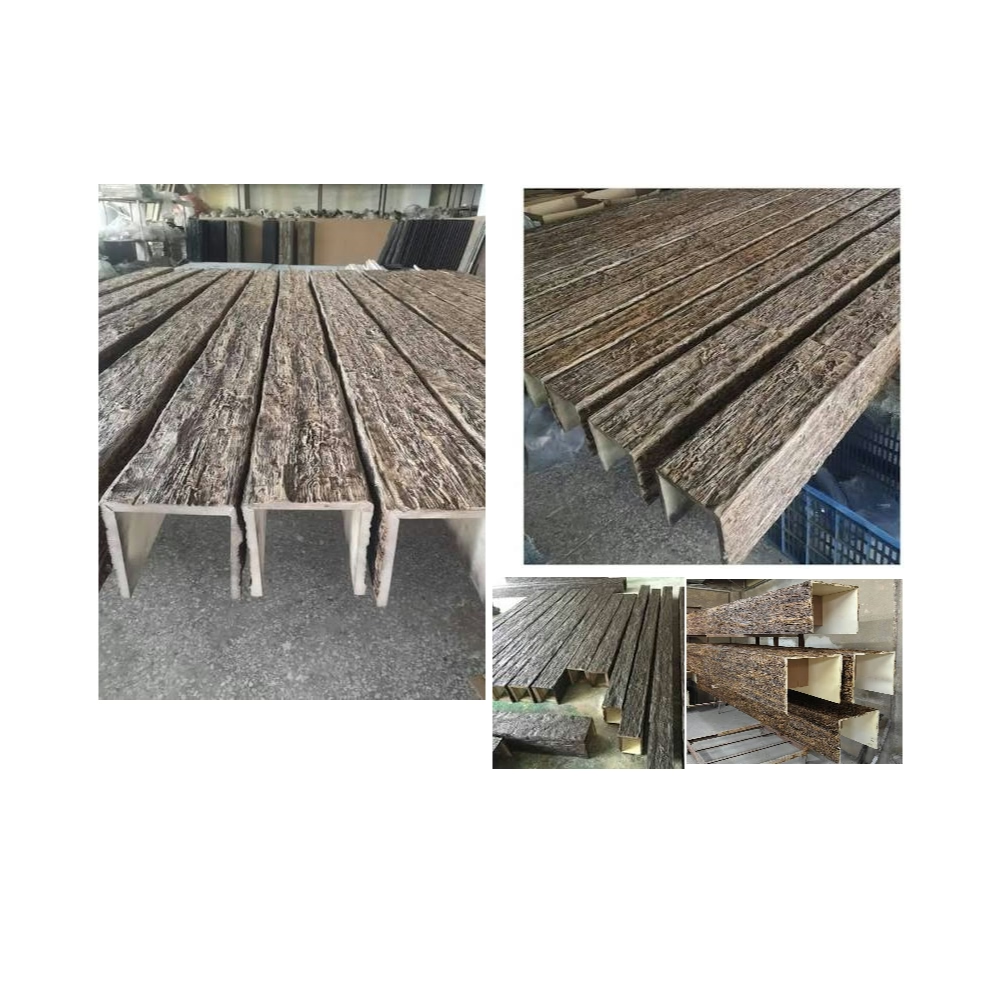
Professional installers appreciate the consistency that PU beams provide. Unlike genuine timber, which arrives with natural variations that can complicate matching and layout, PU beams emerge from the mold with predictable, repeatable dimensions. This consistency extends to the grain pattern as well—while the texture varies realistically across each individual beam, the overall appearance remains uniform across multiple beams used in the same project. The result is a cohesive, intentional look that reads as designed rather than assembled from salvaged materials.

Achieving Authentic Oak Character
The most convincing PU faux oak beams don't simply reproduce the color of oak—they capture the way oak actually looks across a range of lighting conditions and viewing angles. Authentic oak grain features subtle color gradients that shift from the warm amber tones found in the heartwood to the pale honey shades that appear in the lighter portions of the grain. Well-designed PU beams replicate this variation through careful coloring during the manufacturing process, creating depth that reads as genuinely organic rather than uniformly painted.
Designers often use these beams to introduce warmth into spaces that might otherwise feel cold or clinical. A minimalist modern kitchen with clean white cabinets and stainless steel appliances gains immediate visual warmth when exposed oak grain ceiling beams cross the overhead space. The beams create a focal point that draws the eye upward, making the ceiling feel intentional rather than empty. In living rooms with vaulted ceilings, strategically placed faux oak beams can define seating areas or architectural zones without requiring permanent structural changes.
The scale of ceiling beams dramatically affects how a room feels. Larger beams create a sense of grandeur and formality, suggesting traditional architecture or rustic lodge aesthetics. Smaller beams arranged in repeating patterns can achieve a more contemporary look, their regularity providing visual interest without overwhelming the space. Some designers mix beam sizes within the same room, using larger beams as primary architectural elements and smaller secondary beams to add texture and detail.
Design Applications and Style Combinations
Natural oak grain PU faux wood ceiling beams adapt remarkably well to various interior design styles, serving as versatile elements that can anchor a room's aesthetic or provide subtle supporting detail. In farmhouse and cottage-inspired interiors, the warm oak tones complement whitewashed walls, natural linen textiles, and vintage-inspired fixtures. The beams become integral to the overall composition rather than additions that fight against the established design language.
For more transitional spaces that blend contemporary and traditional elements, faux oak beams provide an easy bridge between different design vocabularies. A living room that mixes mid-century modern furniture with more traditional architectural details can find visual coherence through the warmth of oak-toned ceiling beams. The beams acknowledge the traditional while their clean, manufactured edges suggest contemporary precision.
Exposed beam ceilings in vacation homes and mountain retreats benefit from the durability advantages that PU materials provide. Properties in humid climates or near bodies of water often struggle with genuine timber that absorbs moisture and deteriorates over time. Faux oak beams maintain their appearance year after year, resisting the moisture damage and biological growth that can plague real wood in challenging environments. Homeowners can enjoy the aesthetic of authentic timber without the anxiety of ongoing preservation.
Making the Investment Decision
When evaluating whether natural oak grain PU faux wood ceiling beams represent the right choice for a particular project, several factors come into play beyond simple cost comparison. The installation savings alone can be substantial—avoiding the need for structural reinforcement, specialized lifting equipment, or professional timber craftsmen can shift what might be a five-figure project into a more accessible three-figure investment.
The long-term value proposition favors PU beams in most residential applications. Genuine timber beams require maintenance that accumulates costs over time—professional cleaning, periodic refinishing, repairs for any damage that occurs. PU beams need no such attention. Their color is baked into the material during manufacturing, so they don't require repainting or refinishing. They won't develop the splits, checks, or rot that can affect genuine timber, and they resist the insect damage that sometimes troubles natural wood products.
Many homeowners find that the aesthetic results exceed their expectations. The best PU faux oak beams earn their place in high-end residential projects precisely because they deliver the visual impact designers seek without the practical limitations of genuine timber. When visitors comment on the beautiful ceiling beams, most never suspect they're looking at polyurethane rather than oak—until, perhaps, they're told about the incredible lightness of the material when they happen to help during a renovation.
For projects where budget, timeline, or structural constraints make genuine timber impractical, natural oak grain PU faux wood ceiling beams offer a compelling alternative that delivers warmth, authenticity, and lasting beauty with none of the drawbacks that have traditionally limited wood beam applications in residential construction.

Technical References
ASTM standards cited in every specification
Test Data
Lab results from internal testing program
Updated 2026
Reviewed against current product specs