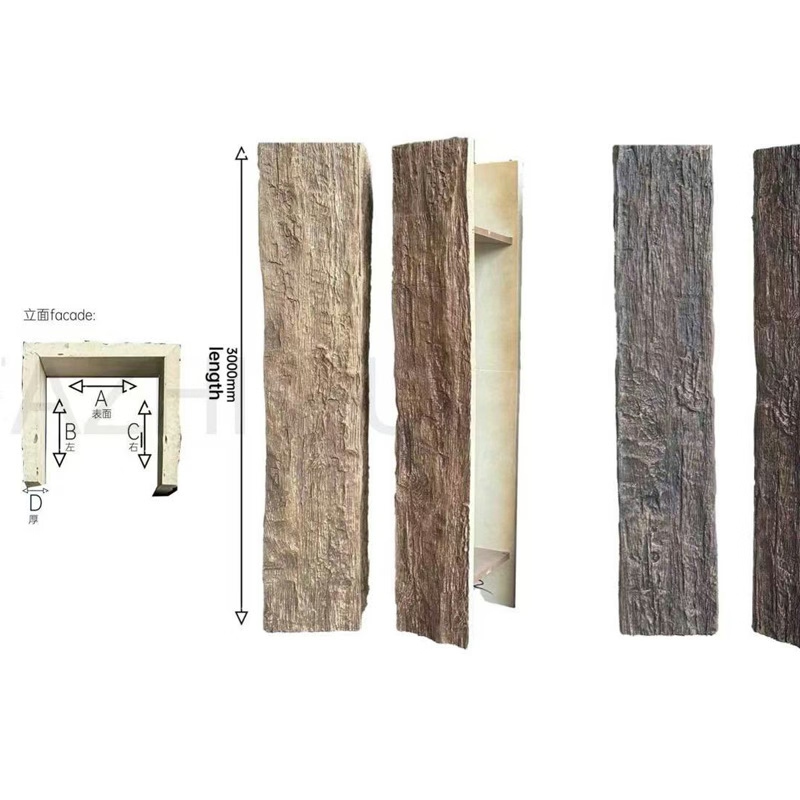
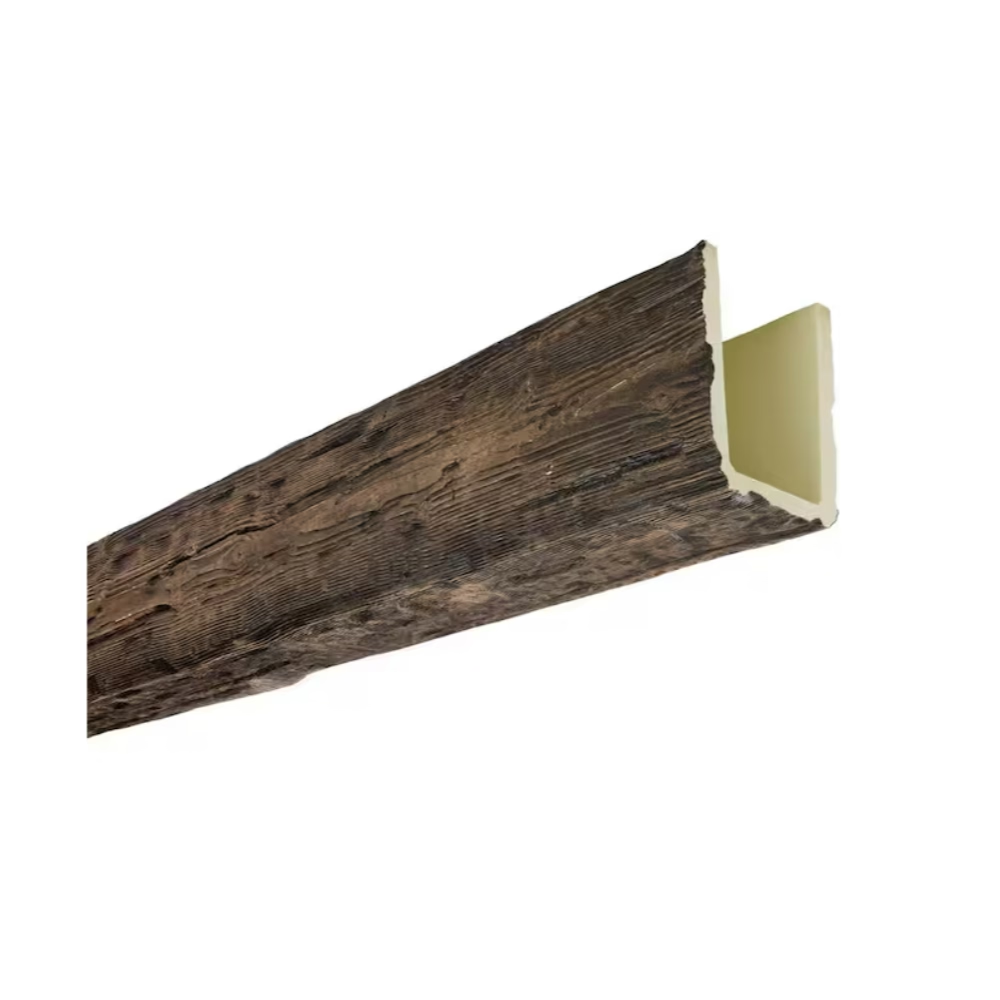
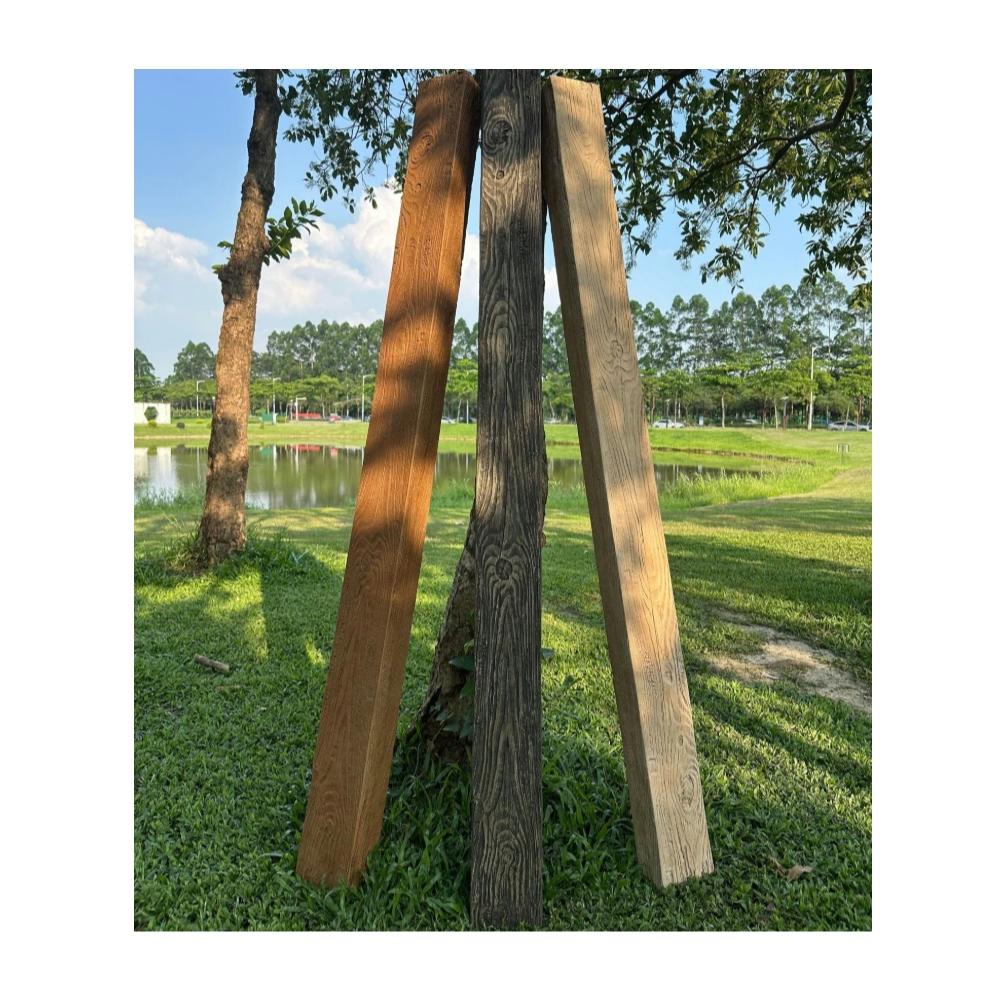
Pine has occupied a special place in the vernacular architecture of Northern Europe and North America for centuries. The wood's availability, workability, and distinctive character made it the default choice for countless generations of builders who needed structural timber, finish carpentry, and decorative elements that could be produced economically without specialized equipment. The result is an aesthetic vocabulary that we immediately recognize as warm, approachable, and authentically rustic. Natural pine grain PU faux wood beams tap into this rich tradition, bringing the characteristic charm of knotty pine into contemporary construction through modern manufacturing techniques.
What makes pine visually distinctive goes beyond simple color. The wood features prominent, dark knots that punctuate the relatively pale background of the grain. These knots range from small, tight formations that suggest mature growth to large, open knots that reveal the branch structure of the original tree. The grain lines themselves run relatively straight but show variation in color from the pale yellow of fresh-cut surfaces to the deeper amber tones that develop as the wood ages and oxidizes. This combination of knot patterns and color variation creates visual interest that never becomes monotonous, even in large installations covering extensive ceiling areas.
The Appeal of Knotty Pine
The knots in pine wood carry symbolic weight that goes beyond mere aesthetics. Each knot represents a branch that once grew from the living tree—a reminder of the natural origin of the material and the organic processes that shaped it. This connection to living things gives knotty pine an emotional warmth that smoother, more uniform materials cannot match. Spaces featuring pine timber feel less manufactured, more connected to natural rhythms that predate human construction.
Designers have long exploited this quality when creating spaces meant to feel welcoming and unpretentious. Mountain lodges, lake cabins, country kitchens, and casual living rooms all benefit from the relaxed informality that pine introduces. Unlike formal woods like mahogany or walnut that contribute gravitas and sophistication, pine contributes approachability. It says "come in and make yourself comfortable" rather than "admire the quality of these materials."
Natural pine grain PU faux beams preserve this welcoming character while addressing practical concerns that sometimes limit genuine pine's application. Real pine timber can prove problematic in humid environments, where the wood absorbs moisture and may eventually rot or develop mold. It dents and scratches more easily than harder woods, showing wear from normal use. And it requires protection from insect damage, particularly in regions where wood-boring beetles are prevalent. Polyurethane sidesteps all these concerns while maintaining the aesthetic qualities that make pine desirable.
Reproducing Pine's Distinctive Character
Capturing pine's knotty character in manufactured products presents unique challenges. The knots themselves represent points of structural weakness in genuine pine—a branch that died or was removed created a discontinuity in the wood's grain structure that affects how the material cuts, shapes, and behaves. Replicating this discontinuity convincingly requires mold designs that include not just the visual appearance of knots but the surrounding grain distortion that genuine knots create.
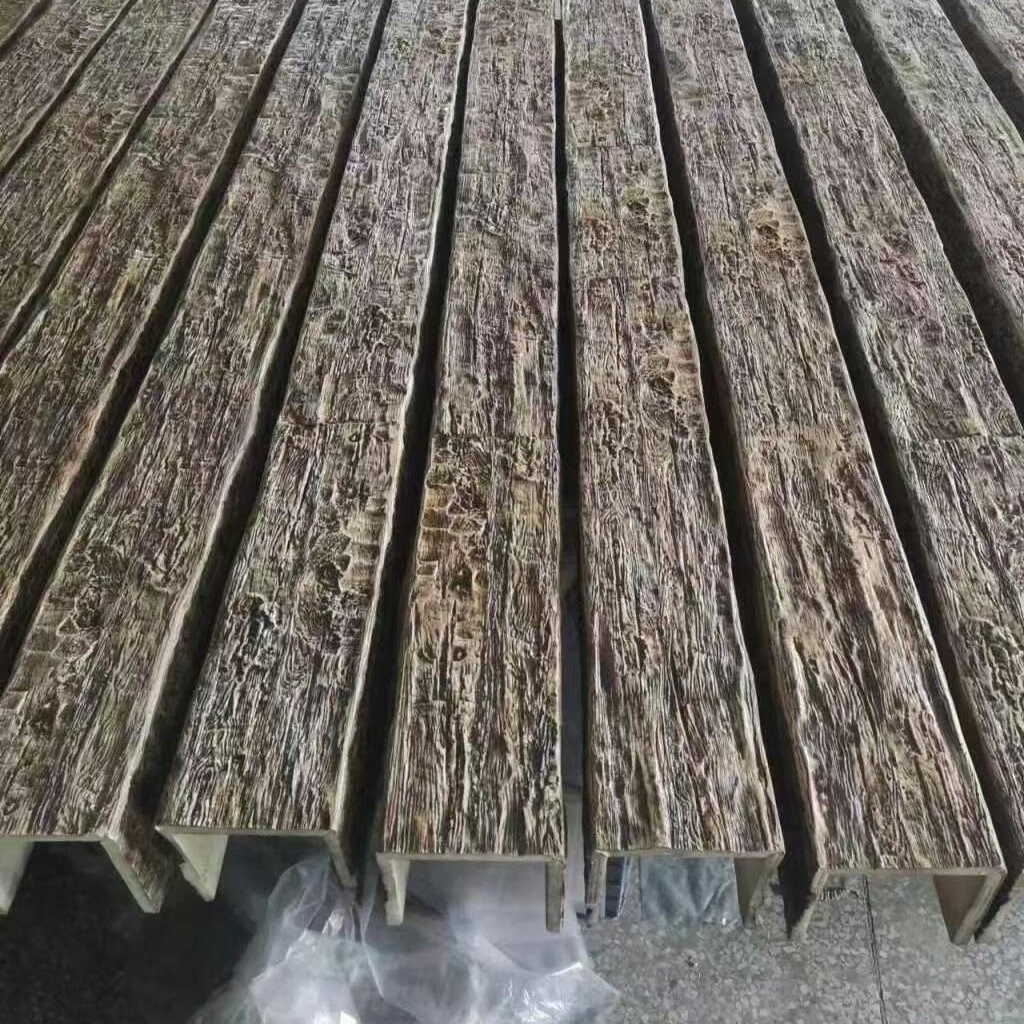
High-quality pine-textured PU beams begin with careful source material selection. Manufacturers examine numerous samples of genuine pine to identify knot patterns that are visually interesting without being grotesque—the goal is charming character rather than alarming abnormality. These selected patterns become the basis for production molds that capture the full complexity of the original including the raised ridges that often surround genuine knots, the color variations from dark heart wood to pale sapwood, and the subtle surface texture that distinguishes pine from other species.
The coloring process adds another layer of authenticity. Pine's characteristic yellow-orange tones develop through natural oxidation of the wood's extractives, a process that takes years in genuine timber. PU beam manufacturers replicate this aged appearance through carefully formulated colorants that achieve the warmth of naturally aged pine without requiring decades of waiting. The result looks like timber that's been in place long enough to develop full character, avoiding the washed-out appearance of newly cut wood that can feel less substantial.
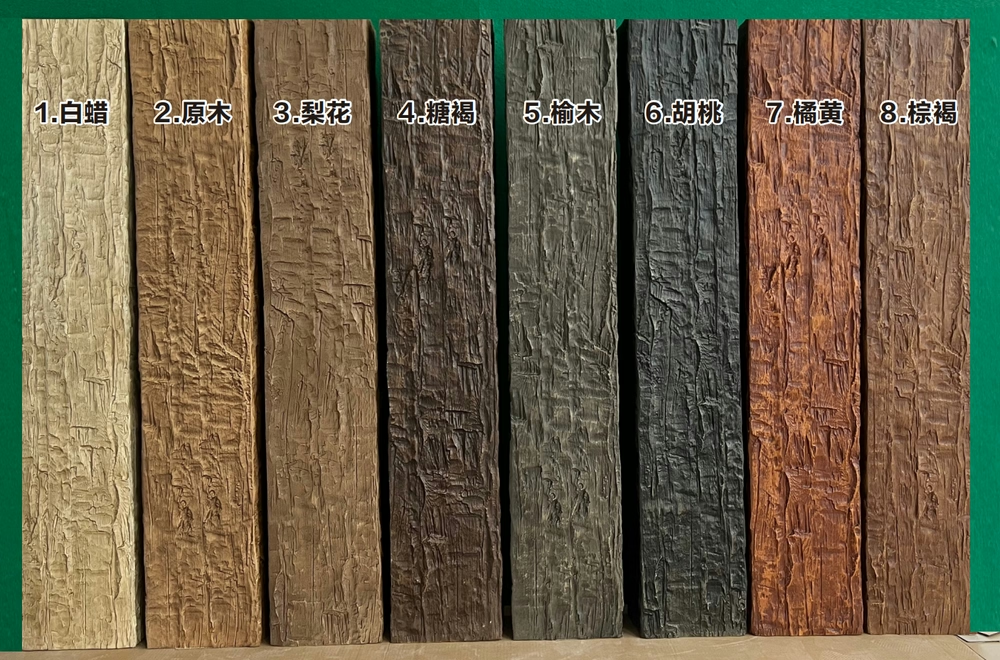
Installation Contexts for Rustic Pine Beams
Pine-textured polyurethane beams suit various installation contexts, from dedicated rustic spaces to surprising juxtapositions that create visual interest through contrast. Understanding how different settings interact with pine aesthetics helps ensure satisfying design outcomes.
The most obvious application involves spaces already committed to rustic or country aesthetics. Kitchens with farmhouse sinks and open shelving, great rooms with stone fireplaces and leather furniture, mudrooms with beadboard walls and utilitarian fixtures—all create contexts where pine beams feel completely at home. In such spaces, the beams reinforce the established design language, adding ceiling interest that complements rather than competes with other elements.
More interesting results often emerge when pine beams appear in less expected contexts. A contemporary loft with industrial finishes and minimalist furnishings might incorporate knotty pine beams that introduce organic warmth and textural complexity. The contrast between the rough-hewn character of the beams and the sleek precision of the surrounding elements creates visual tension that animates the space. Such combinations require confidence to execute—they challenge expectations about what materials belong in what contexts—but when successful, they create rooms that feel both fresh and timeless.

Managing Knot Density and Pattern
When specifying pine beams for a project, the density and arrangement of knots significantly affects the overall impression. Dense knot patterns create rustic intensity that reads as deliberately primitive or country-inspired. Lighter knot patterns feel more refined, suggesting pine character without overwhelming spaces with busy visual texture. Understanding these differences helps align beam selection with overall design intentions.
Some manufacturers offer beams with varying knot densities as distinct product lines, allowing designers to specify the appropriate character for each application. Others produce beams with consistent knot patterns throughout their range, accepting the resulting visual uniformity in exchange for manufacturing simplicity. A few premium producers create beams with intentionally varied knot patterns, mimicking the natural variation found in genuine timber and allowing installers to stagger beam orientation for more organic appearances.
The orientation of knot patterns relative to the room's primary sight lines also matters. Beams with dramatic knot patterns work best when viewed from angles that minimize the visibility of individual knots while emphasizing the overall textural quality. Installations in rooms with high ceilings often allow beams to recede into the visual background, with knot detail contributing to overall warmth rather than demanding direct attention. Lower ceilings with more direct viewing angles may benefit from more restrained knot patterns that avoid visual competition with other room elements.
Performance in Challenging Environments
Pine's natural characteristics create vulnerability in certain environmental conditions, which is one reason polyurethane replicas offer meaningful advantages. Genuine pine absorbs moisture readily, causing dimensional changes that accumulate over time. In bathrooms, kitchens, or other spaces with fluctuating humidity, real pine beams may eventually develop cracks, checks, or warping that compromises both appearance and structural integrity. Polyurethane eliminates these concerns entirely.
Temperature variations also affect genuine wood differently than manufactured alternatives. In spaces adjacent to heat sources like kitchen appliances or fireplace chimneys, real timber may dry out and crack over time. Polyurethane tolerates such conditions without difficulty, maintaining its dimensions and surface qualities regardless of temperature exposure. This stability makes PU beams practical for installation locations that would prove problematic for genuine timber.
The insect resistance of polyurethane provides another practical advantage. Wood-boring insects that would eventually damage genuine pine timber leave polyurethane completely untouched. This benefit proves particularly valuable in rural settings where such insects are more prevalent, or in older structures where the risk of existing infestations might spread to new wood installations. Homeowners who've dealt with termite damage or powder beetle infestations often appreciate the peace of mind that manufactured materials provide.
Balancing Aesthetic and Practical Goals
The choice between genuine pine timber and polyurethane faux beams ultimately involves tradeoffs that each project must evaluate according to its specific circumstances. For projects where authentic material presence matters more than practical performance—historic restorations where authenticity takes priority, for instance—genuine timber may represent the only acceptable option despite its vulnerabilities. For most contemporary applications, however, the convincing aesthetics of quality PU beams combined with their superior practical performance make them the clear choice.
The manufactured origin of polyurethane beams shouldn't diminish their design legitimacy. These products fulfill the same fundamental purpose as genuine timber—they create the visual impression of wood ceiling beams while contributing warmth, character, and architectural interest to interior spaces. The means of production differ, but the design outcome aligns with what builders and designers have sought from wood ceiling treatments throughout architectural history. Natural pine grain PU faux wood beams continue a tradition while adapting it for contemporary realities.
Technical References
ASTM standards cited in every specification
Test Data
Lab results from internal testing program
Updated 2026
Reviewed against current product specs