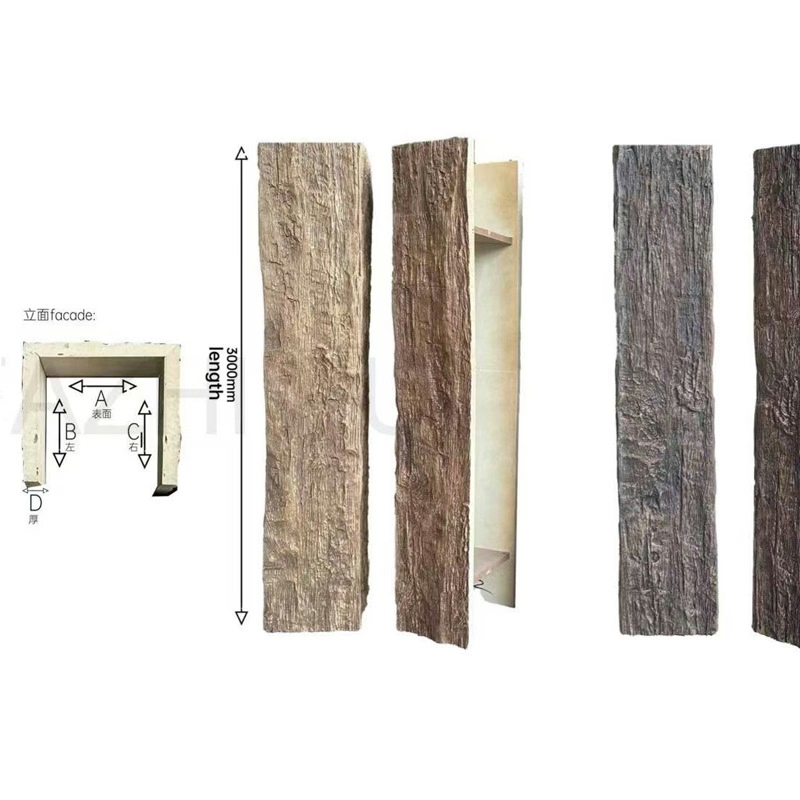
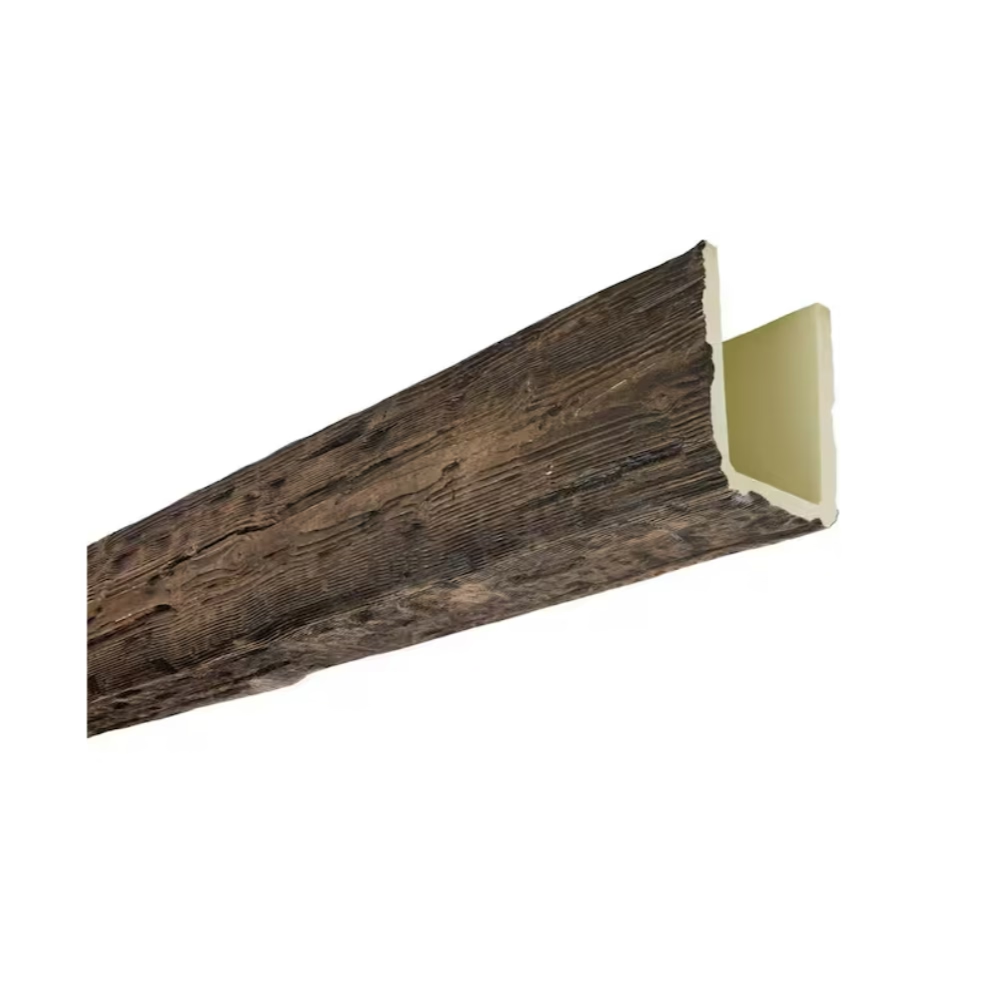
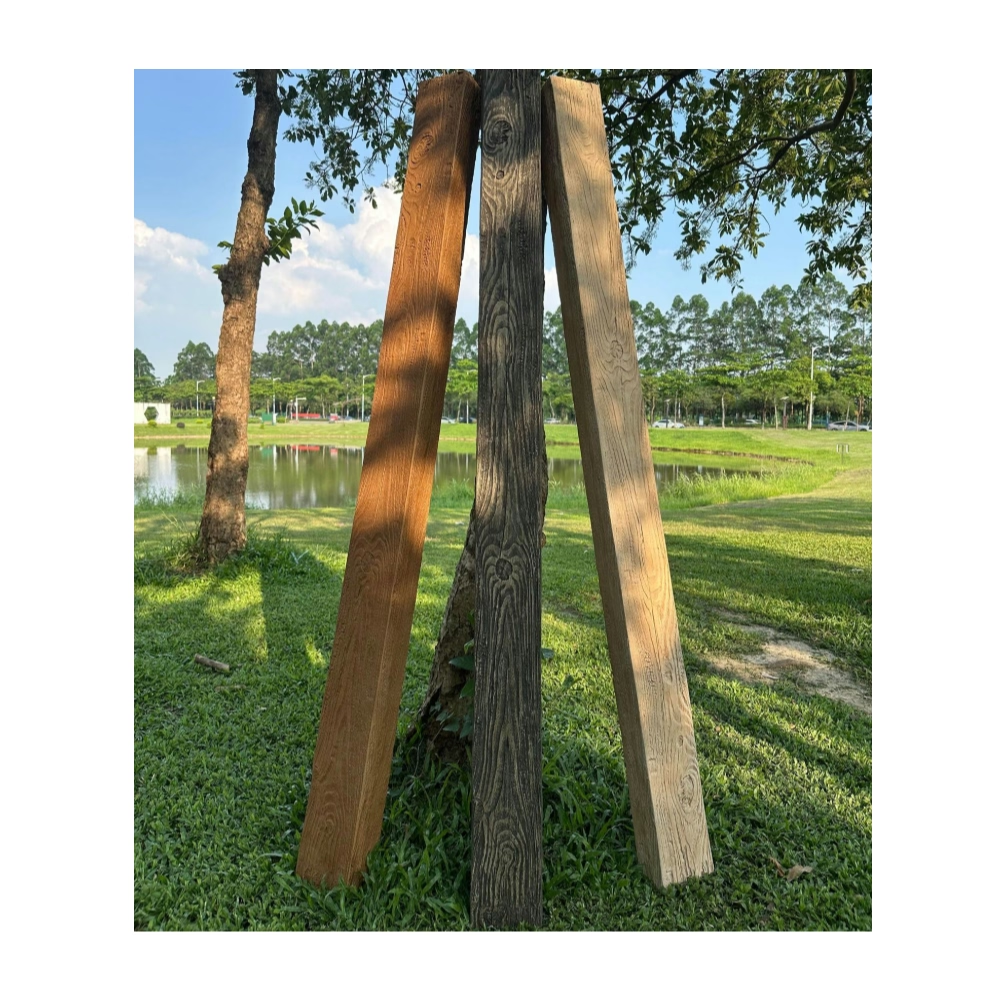
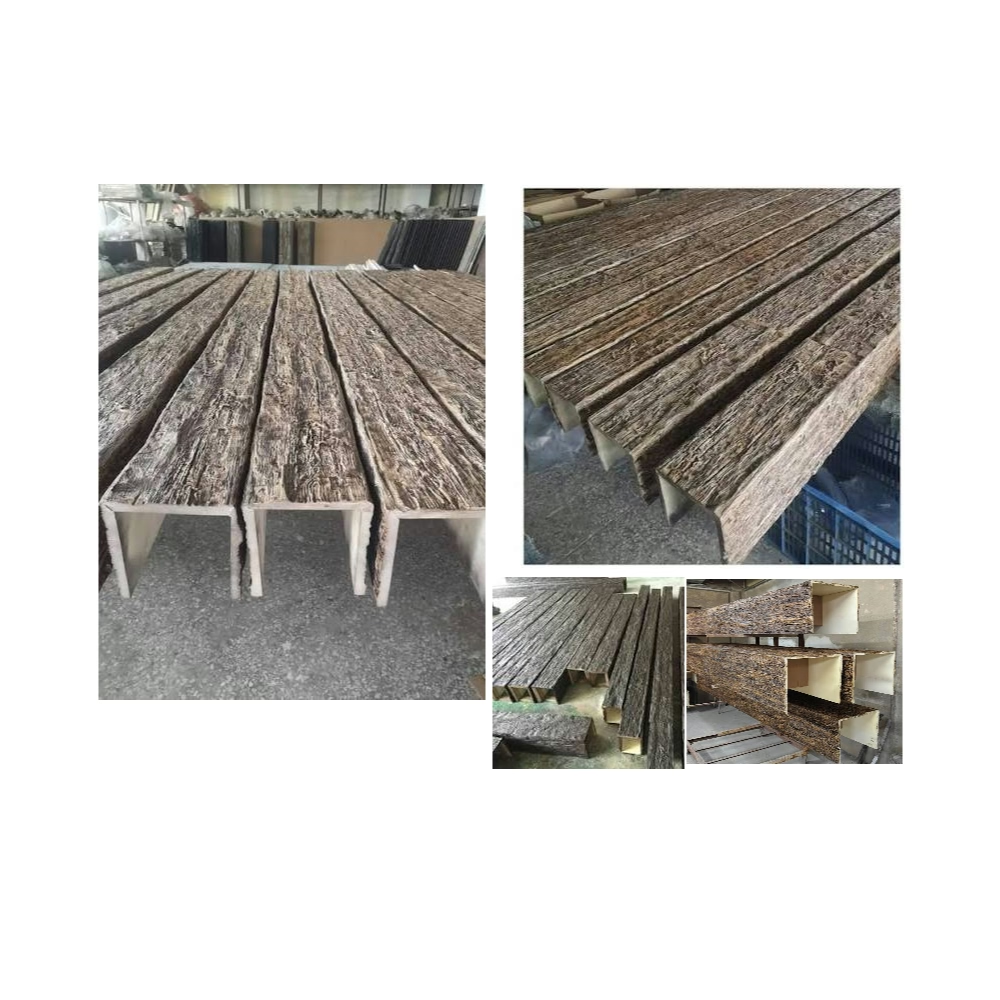
Home decoration ultimately serves human needs rather than abstract design principles. We decorate our spaces to create environments that support the lives we want to live—environments that welcome us after work, encourage the gatherings we value, and reflect the identities we claim. When these goals align with aesthetic trends, the results feel effortless; when they conflict, the results create discomfort that residents may not immediately be able to articulate. Natural pine wood look PU faux beams serve human needs as much as they serve design principles, contributing warmth and character that make houses feel more like homes.
The impulse toward rustic aesthetics in home decoration reflects deeper human connections to natural materials and traditional craft. Living surrounded by synthetic surfaces that reveal nothing of their origins can create subtle psychological discomfort that accumulates over time. Wood surfaces—real or convincing replicas—remind us of connections to the living world, to trees that grew in sunlight and exchanged gases with the atmosphere. This reconnection, even if mediated through manufactured materials, satisfies needs that purely synthetic environments cannot address.
Creating Welcoming Entry Points
The entrance to a home sets the tone for everything that follows. A welcoming entry creates anticipation of the comfort waiting within; a stark or unwelcoming entry creates cognitive dissonance that makes the home feel less cohesive than it might otherwise. Natural pine wood look beams positioned in entry spaces create immediate warmth that prepares residents and guests for the domestic comfort that follows.
Foyers with high ceilings often benefit particularly from beam installations. The elevated ceiling height that creates architectural drama can also create spatial disconnection if the ceiling plane remains undefined. Beams crossing the entry ceiling provide visual structure that connects the elevated ceiling to human scale, making the space feel intentional rather than merely large. The pine aesthetic adds warmth that prevents the entry from feeling like a mere transitional space, instead creating a destination that invites pause before proceeding deeper into the home.
Even modest entry spaces can accommodate beam installations that create significant visual impact. A single faux beam crossing a narrow hallway ceiling defines the space without overwhelming it. The pine texture adds character that elevates what might otherwise be merely utilitarian circulation space. Such installations prove particularly effective in homes with long central corridors, where beam placement at key points breaks the monotony and creates visual interest that makes corridor travel less tedious.
Living Room Applications
The living room typically serves as the primary gathering space in most homes, the room where families spend time together and where hosts welcome guests. These social functions benefit from the welcoming warmth that pine-textured beams provide. The casual, unpretentious character of pine aligns well with living room functions, creating spaces that encourage relaxation and connection rather than formal observation.
Vaulted or cathedral living room ceilings create obvious opportunities for beam installation. The sloping ceiling planes that create architectural interest also create the empty space that beams address. A series of parallel beams following the ceiling slope creates visual rhythm that unifies the vault while providing texture and warmth that prevents the space from feeling cold or austere. The pine color palette complements the warm neutrals often used in living room color schemes, creating color harmonies that enhance overall design coherence.
Living rooms with flat ceilings can accommodate beams as well, though the installation approach differs. Beams might cross perpendicular to exposed ceiling joists, adding warmth to what might otherwise be merely painted structural elements. Alternatively, beams might run parallel to one wall, creating an asymmetric visual element that responds to furniture arrangement or architectural features. Such installations require more careful integration with the existing ceiling plane but can achieve results that feel equally intentional.
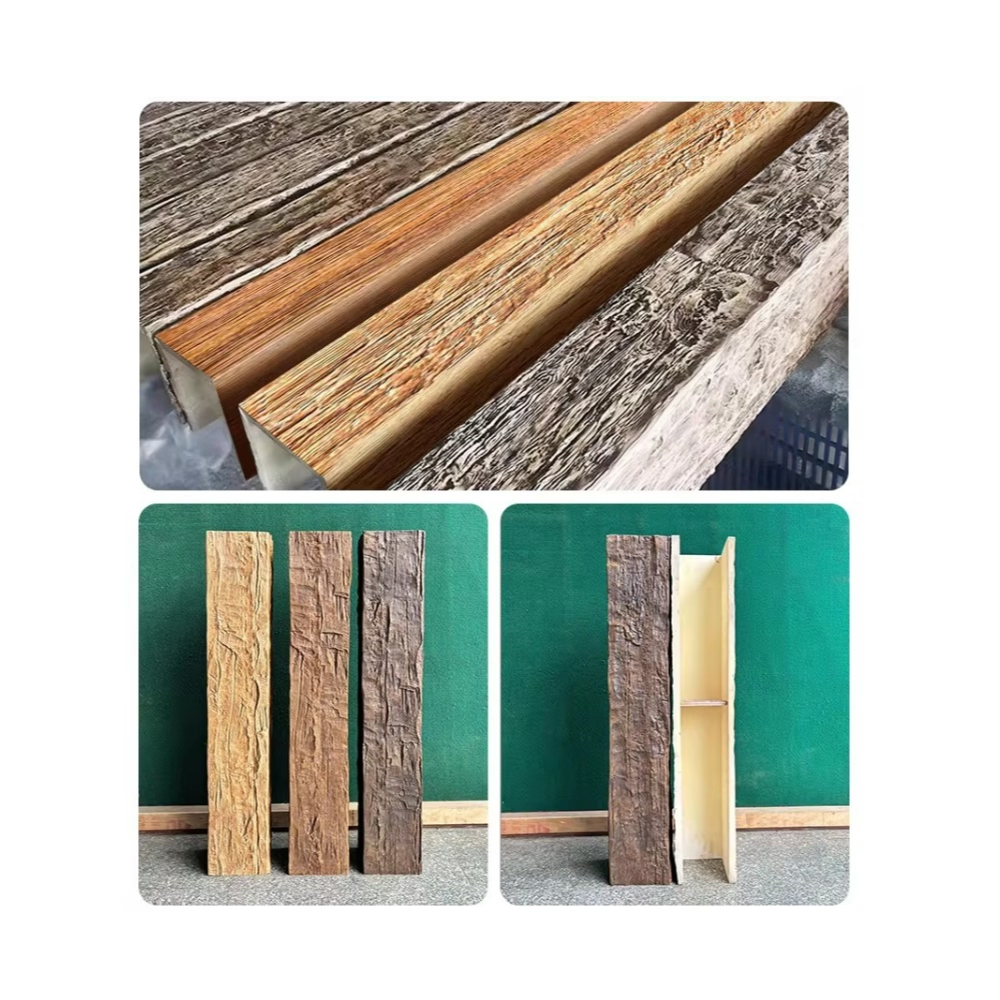
Bedroom Ambiance
Bedrooms serve functions distinct from common living areas—rest, privacy, personal expression through chosen furnishings and decorations. The warm, approachable character of pine-textured beams contributes to bedroom ambiance without introducing the formality that heavier wood tones might create. The result supports the bedroom's restful function while adding visual interest that prevents the space from feeling generic.
Master bedrooms with sitting areas benefit from beam installations that help define separate functional zones within a larger space. Beams crossing the ceiling above the sleeping area create visual separation from adjacent sitting or dressing zones without requiring physical partitions. This zone definition through ceiling treatment maintains the open feeling that many bedroom designs prioritize while providing the structure that prevents the space from feeling like undifferentiated openness.
Guest bedrooms with beam installations create memorable spaces that distinguish themselves from the more generic hotel-like rooms that dominate much contemporary residential construction. Guests encountering authentic-looking wood beams in a bedroom feel the care and intention that went into the home's design, sensing that they've been welcomed into a genuine living space rather than a commercial accommodation. This impression contributes to the overall guest experience in ways that generic ceiling treatments cannot match.
Kitchen and Dining Integration
Kitchens and dining rooms present specific challenges for wood ceiling elements due to cooking moisture, temperature variations, and grease accumulation. Genuine wood in these locations requires careful specification and maintenance to withstand the challenging environment. Polyurethane faux beams sidestep these concerns entirely, providing wood aesthetics without the vulnerability to moisture and cooking byproducts that plague genuine timber.
Kitchen islands with beam elements above create gathering points that extend the warmth of wood into the most functional area of many homes. The island often serves as the family's informal gathering spot, the place where homework happens, quick meals are consumed, and conversations accompany cooking activities. Beams above the island create visual focus that reinforces the island's importance while adding material warmth that balances the stainless steel and stone that typically dominate kitchen surfaces.
Dining rooms with beams create the atmosphere of occasion that special meals deserve. Whether formal dinner parties or casual family gatherings, dining experiences involve more than food—the environment contributes significantly to how meals are perceived and remembered. Pine-textured beams overhead create the grounded, connected feeling that makes dining experiences feel substantial rather than merely utilitarian. The casual character of pine prevents such spaces from feeling overly formal, maintaining the everyday usability that family dining requires.
Outdoor Living Spaces
Protected outdoor living spaces—covered porches, screened rooms, enclosed patios—often benefit from beam installations that create continuity with indoor design while acknowledging the outdoor context. Pine-textured beams provide warmth that balances the connection to nature that outdoor rooms prioritize. The moisture resistance of polyurethane proves particularly valuable in these applications, where humidity, rain, and temperature variations create challenging conditions for genuine wood.

The integration between indoor and outdoor spaces increasingly shapes contemporary residential design. Open floor plans often flow directly from interior living areas to covered outdoor rooms, with minimal separation suggesting spatial continuity. Beam installations that extend from interior ceilings to covered exterior spaces maintain this continuity, creating a unified design language that spans the boundary between inside and outside. Such integration requires careful material selection to ensure that exterior installations perform adequately in their challenging environment.
Practical Benefits for Residential Use
Beyond aesthetic contributions, natural pine wood look PU faux beams provide practical benefits that enhance their value in residential applications. The light weight simplifies installation in existing homes where ceiling structure might not support heavy timber. This simplification often translates to cost savings that make beam installations feasible for projects with constrained budgets.
The durability of polyurethane proves valuable in active households where walls and ceilings see normal wear and tear. Faux beams resist impacts, moisture, and temperature variations in ways that genuine timber cannot match. This resilience means that beam installations maintain their appearance through the various challenges that residential surfaces encounter—children's toys, furniture movement, humidity fluctuations, and the general use that all homes experience.
For homeowners seeking to enhance their spaces with wood warmth without committing to the maintenance requirements of genuine timber, natural pine wood look PU faux beams offer compelling advantages. They deliver the authentic aesthetic that design goals require while providing the practical performance that real-life households demand. The result represents a genuine advancement in residential design options, making beautiful ceiling design accessible to more homeowners in more contexts than traditional materials could ever support.
Technical References
ASTM standards cited in every specification
Test Data
Lab results from internal testing program
Updated 2026
Reviewed against current product specs