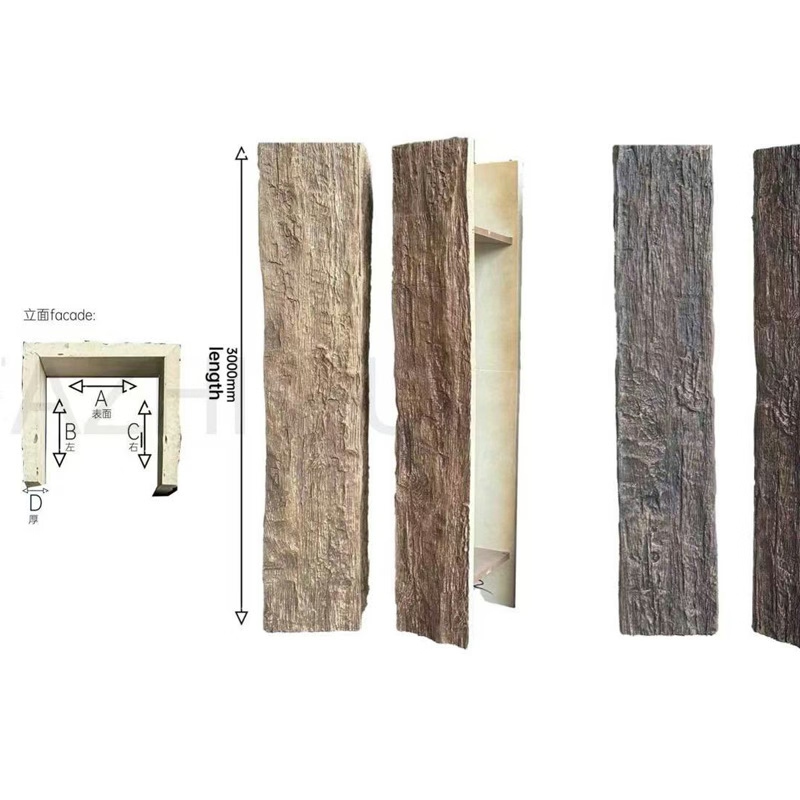
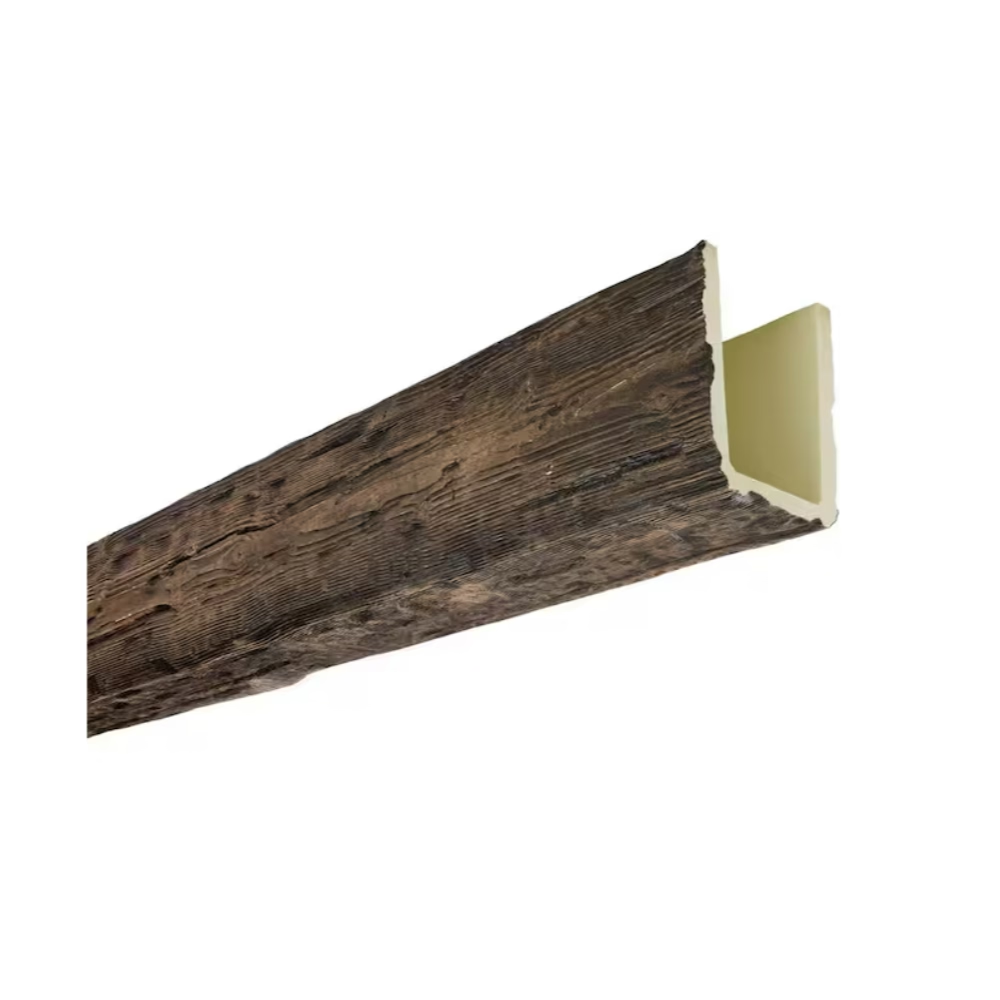
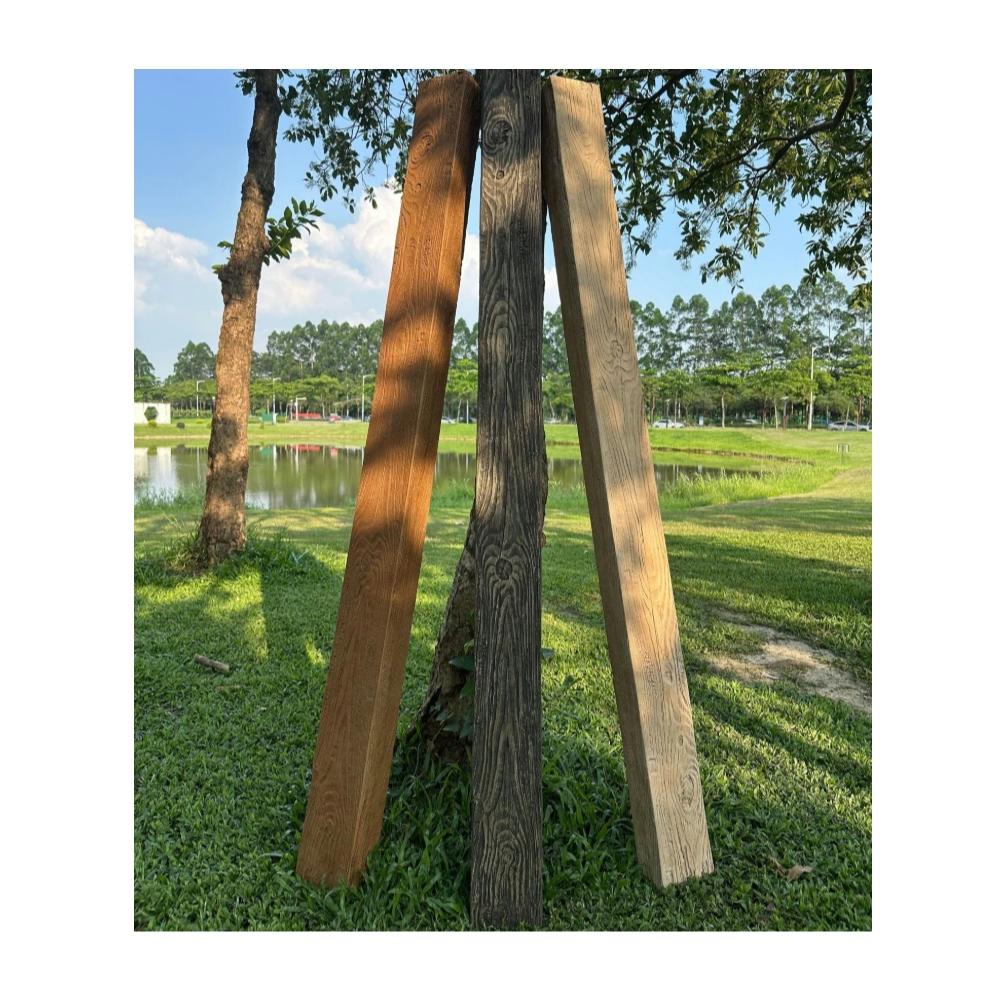
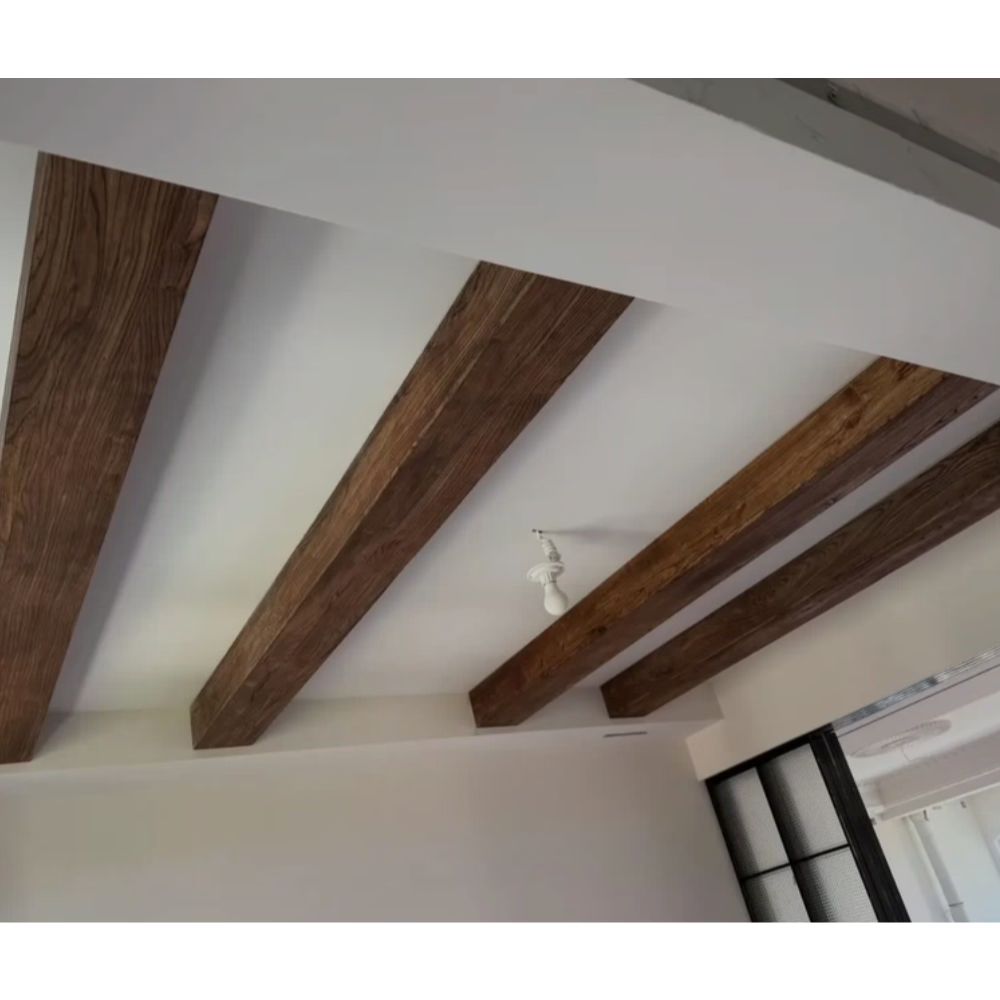
Poplar occupies an unusual position among American hardwoods—it ranks among the most abundant and widely available species while remaining relatively underappreciated in design contexts compared to more visually dramatic alternatives. This underappreciation likely stems from poplar's subtle aesthetic character. Unlike the bold grain patterns of oak or the rich tones of walnut, poplar presents a quiet, subtle appearance that rewards closer attention rather than making immediate visual claims. Yet this restraint makes poplar particularly versatile, capable of serving backgrounds and supporting roles without competing with more assertive design elements. Natural poplar wood grain PU faux beams translate these characteristics into ceiling applications that bring quiet warmth to contemporary spaces.
The practical advantages of poplar wood contribute to its value beyond aesthetics. The species grows rapidly and reaches large sizes, making it relatively economical compared to slower-growing hardwoods with more dramatic visual qualities. It machines cleanly, accepts finishes readily, and maintains dimensional stability better than many more prized species. These practical characteristics made poplar a workhorse for furniture production, paint-grade millwork, and other applications where visual subtlety serves rather than limits the material's utility.
Understanding Poplar's Visual Character
Poplar wood presents a pale, often greenish-tinged base color in its untreated state, with subtle grain patterns that rarely create dramatic visual interest. The wood's subtle character means it takes paint exceptionally well, which explains its prevalence in painted furniture and interior trim applications where a uniform surface matters more than wood grain visibility. Yet poplar grain does exist—it becomes more apparent when clear finishes rather than paint reveal its understated patterns.
The grain lines of poplar typically run relatively straight with gentle wave patterns rather than the bold swirls found in species like oak or walnut. Growth ring patterns remain subtle, creating low-contrast variations across the surface rather than the prominent figure that other species display. Occasional darker streaks or figures add visual interest without demanding attention. The overall effect is quiet and refined, qualities that serve contemporary design preferences increasingly oriented toward calm, uncluttered spaces.
Poplar's subtle character creates interesting possibilities for faux beam applications. Beams that compete with strong design elements might introduce unwanted visual complexity; beams that support design goals without creating competition often prove more valuable. Poplar-textured PU beams occupy this supporting role effectively, contributing warmth and organic character without overwhelming the spaces they inhabit.
Fresh Contemporary Aesthetics
Contemporary interior design has increasingly embraced light, airy palettes that maximize natural daylight and create impressions of spaciousness. Dark wood ceiling beams that might have dominated design thinking in earlier decades often feel too heavy for these lighter design contexts. Natural poplar wood grain PU beams provide the warmth of wood without the visual weight that darker species introduce, making them ideal for contemporary spaces prioritizing brightness and openness.
The subtle grain patterns of poplar align well with contemporary design's preference for clean lines and understated elegance. Spaces featuring minimalist furniture, neutral color palettes, and simple architectural details create contexts where more dramatic wood species might feel like visual intruders. Poplar beams fit naturally into such compositions, their quiet character supporting the overall design without competing for attention.
Material mixing has become increasingly common in contemporary interiors, with designers combining wood with metal, glass, stone, and other materials in sophisticated compositions. Poplar's neutral character makes it an excellent partner for these material combinations. The warmth of wood balances the cool precision of metal; the organic texture of wood contrasts with the typically more uniform surfaces of stone or glass. Poplar contributes these benefits without introducing color or pattern complexity that might complicate the material mixing logic.
Practical Styling Applications
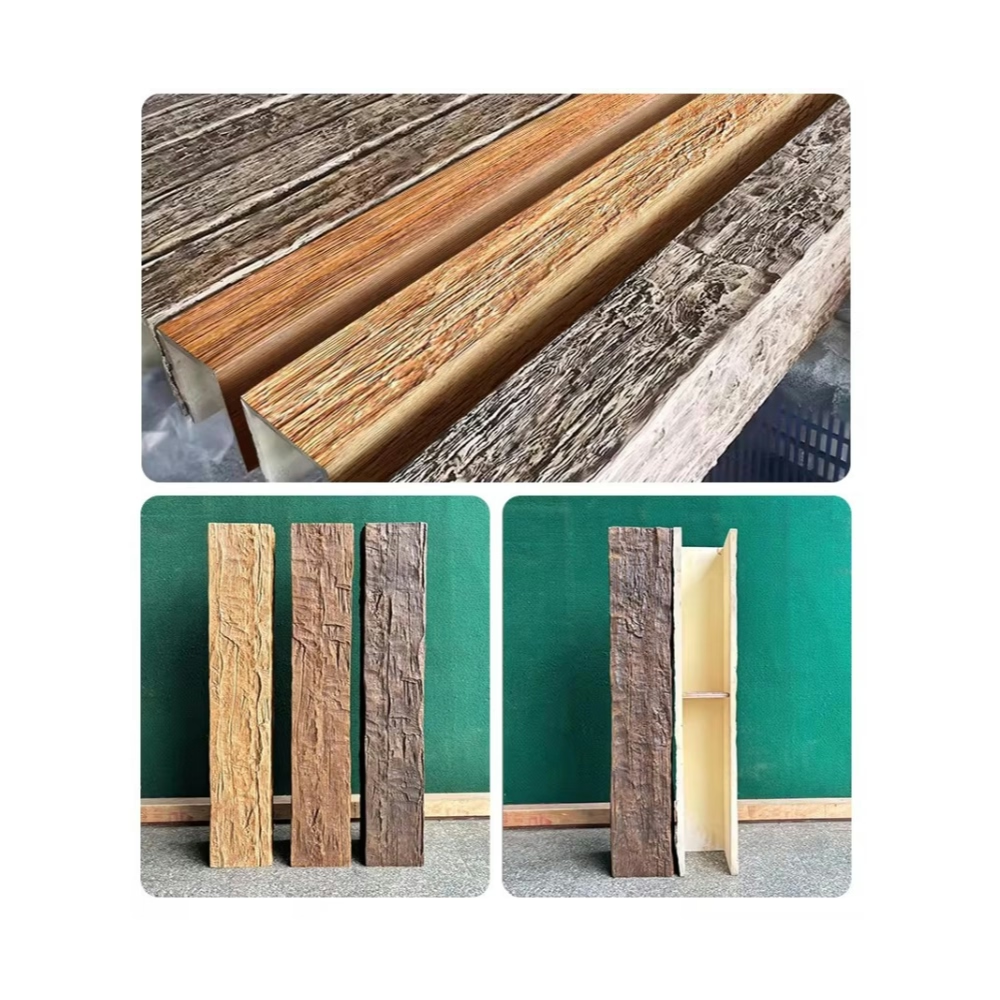
Fresh casual home styling encompasses various aesthetic directions that share certain characteristics. The overall effect should feel light, welcoming, and approachable—spaces where families actually want to spend time rather than merely observe. Wood ceiling beams contribute to these qualities through the warmth and organic character they add to ceiling planes that might otherwise feel blank or institutional.
Open plan living spaces often include multiple functional zones within larger continuous areas. Beam installations can help define these zones without requiring physical partitions that would disrupt the open feeling that such spaces typically prioritize. A series of beams crossing the living area might visually separate it from an adjacent dining space while maintaining spatial continuity. The warmth of wood beams adds domestic comfort to these transitional zones, making the boundaries between functions feel softer and more welcoming.
Kitchens with breakfast nooks or casual dining areas benefit from beam installations that create intimate zones within larger kitchen spaces. The beam coverage above the dining area provides visual focus that distinguishes it from food preparation zones without requiring walls or barriers. This zoning approach maintains kitchen openness while creating the sense of separate spaces that many families appreciate for different household activities.
Coordinating With Existing Finishes
Integrating wood ceiling beams with existing finishes requires attention to how colors and textures interact. Poplar's pale base creates different effects depending on surrounding colors. Against pure white walls and ceilings, poplar beams appear as warm-toned accents that add subtle character without creating strong contrast. Against walls in warmer neutrals—cream, light tan, soft greige—the same beams blend more completely, contributing warmth without reading as distinct elements.
Floor materials significantly affect beam perception. Hardwood floors in light to medium tones create material continuity between ceiling and floor, with wood textures at both levels that establish organic warmth throughout the space. Stone or tile floors provide stronger material contrast, making wood ceiling beams stand out more distinctly. Such combinations work well when the contrast serves design purposes, creating visual interest through material juxtaposition.
Existing wood elements elsewhere in the room also affect how ceiling beams read. Furniture, interior trim, and exposed structural elements that already feature wood create opportunities for color matching or intentional contrast. Matching ceiling beam color to other wood elements creates design coherence; introducing a different wood tone adds complexity that might serve or undermine overall composition depending on design intentions.
Light Reflection and Room Brightness
Light-colored wood ceiling beams interact with both natural and artificial light in ways that differ from dark wood alternatives. Rather than absorbing light like darker species, pale wood surfaces reflect and distribute available light across the ceiling plane. This light-enhancing effect proves particularly valuable in rooms with limited windows or northern exposures where maximizing brightness improves the living environment.
In rooms with skylights or clerestory windows, beam color affects how light distributes throughout the space. Dark beams might create pools of shadow beneath them while leaving surrounding ceiling areas bright. Light beams distribute light more evenly, reducing harsh contrasts and creating softer overall illumination. This characteristic influences not just appearance but the quality of light available for tasks and activities throughout the day.
Artificial lighting interacts with ceiling beams in ways that warrant consideration during design development. Recessed lighting positioned between beams creates different effects than lighting mounted directly on beams. The direction from which light falls—particularly natural light changing throughout the day—affects how beam textures read and how shadows animate the ceiling plane. Well-designed lighting plans account for these interactions, ensuring that beam installations look good throughout the day and evening hours.
Benefits for Active Households
Fresh casual styling typically accompanies active household patterns where spaces see regular use rather than careful preservation. The durability characteristics of polyurethane beams prove valuable in these contexts, providing surface quality that maintains appearance despite normal wear and tear. Unlike genuine wood that might show scratches, dents, or water damage from everyday activities, polyurethane surfaces resist these common forms of deterioration.
The easy-clean nature of polyurethane simplifies maintenance in busy households. Dust accumulation, occasional splatters, and normal environmental dirt can be addressed with standard cleaning products without special treatments or professional attention. This practical advantage aligns with the casual living approach that fresh styling typically supports—spaces designed for genuine use rather than careful preservation.
For families with young children, the light weight of polyurethane beams provides safety advantages worth considering. Lightweight beams that might shift slightly during building movement or curious exploration pose less risk than heavy timber that could cause injury if dislodged. While all ceiling installations require proper secure mounting, the reduced consequences of any eventual mounting failure make polyurethane a sensible choice for family homes.
Design Flexibility and Future Updates
The subtlety that makes poplar-textured beams versatile also creates flexibility for future design updates. Design trends evolve, and spaces that feel current today might benefit from updates in coming years. Beams that contribute warmth without making strong visual statements can remain through such updates, their quiet character adapting to whatever new directions design evolution takes.
This flexibility contrasts with more dramatic wood options that make stronger aesthetic commitments. A space featuring bold walnut beams has established a clear design direction that might prove limiting if preferences evolve. The same space featuring poplar beams has added warmth without declaring strong aesthetic allegiances, leaving more options available for future changes.
For homeowners who value design flexibility, natural poplar wood grain PU faux beams offer advantages beyond their immediate aesthetic contributions. They provide warmth and organic character while preserving options for future evolution, supporting both current design goals and the uncertainty that any long-term residential investment must acknowledge.
Technical References
ASTM standards cited in every specification
Test Data
Lab results from internal testing program
Updated 2026
Reviewed against current product specs