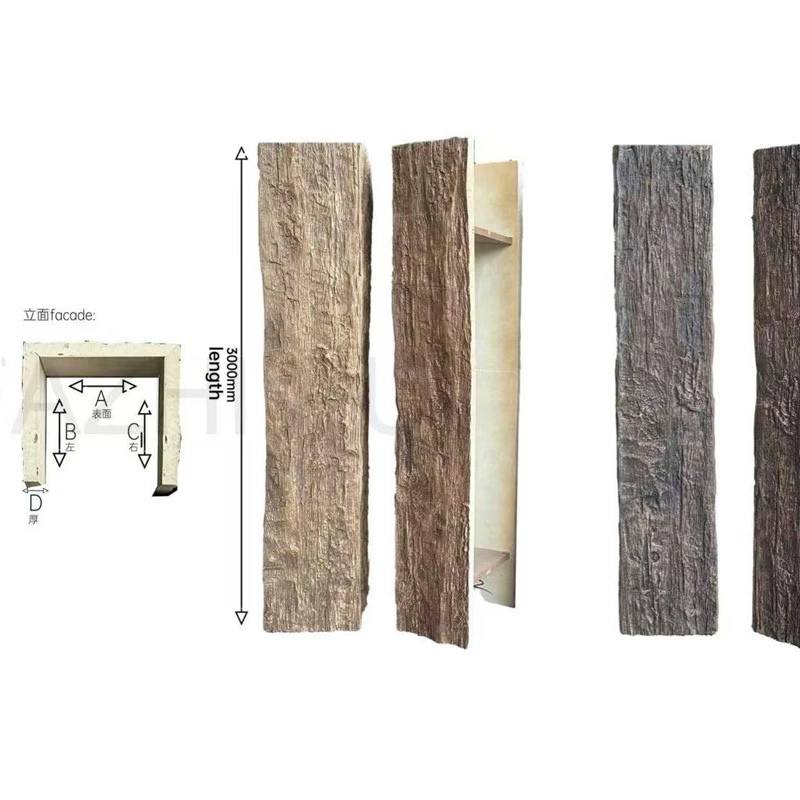
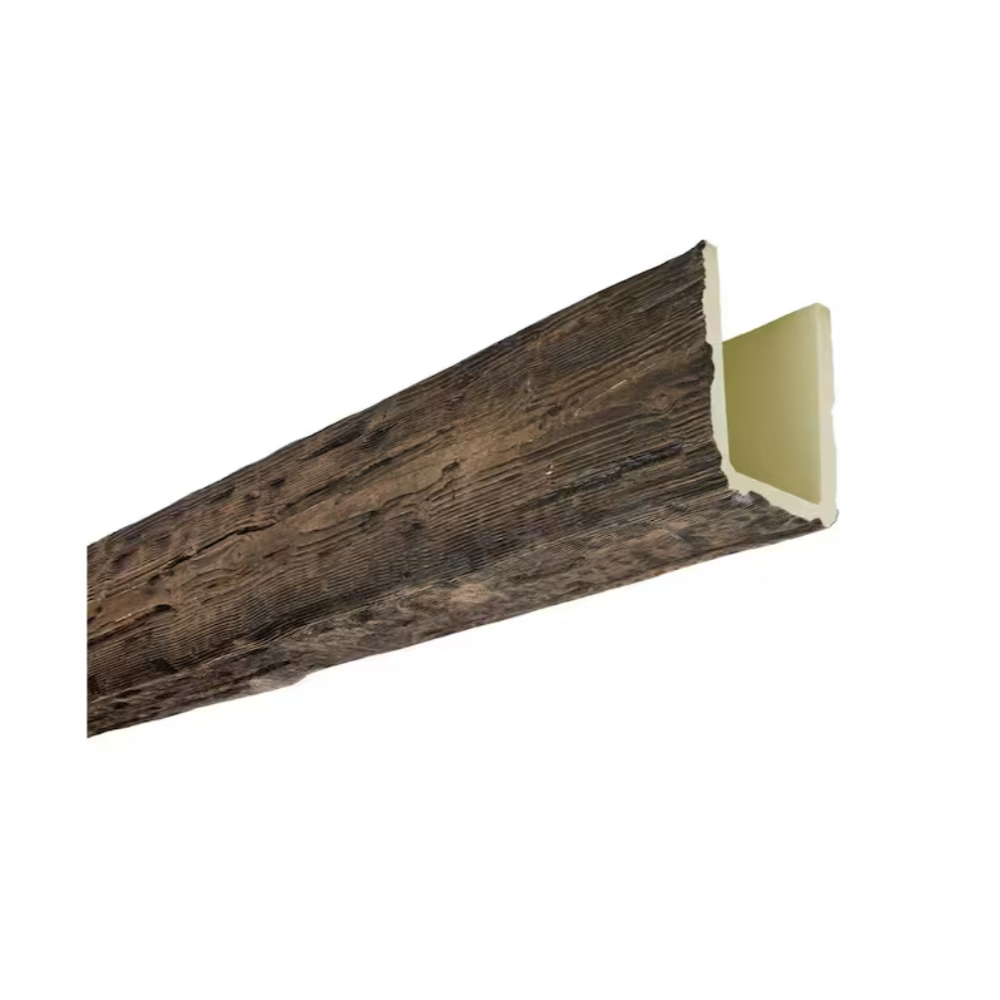
Genuine coast redwood has captivated builders and designers since European settlement of North America revealed the towering trees of California. The wood's remarkable resistance to decay, its workable character despite massive size, and its distinctive warm reddish tones made it invaluable for construction applications ranging from structuraltimber to finish carpentry. Today, sustainable harvest restrictions have made genuine old-growth redwood unavailable for most applications, with younger second-growth material commanding premium prices that limit its use to special applications. Natural redwood grain PU faux wood beams capture the aesthetic qualities that make redwood desirable while making those qualities accessible despite genuine redwood's scarcity and cost.
The visual character of redwood develops from the species' unique growth characteristics. The trees' remarkable height—reaching over 300 feet in mature specimens—creates extraordinarily long grain lines with minimal interruption. The color palette ranges from pale pink through rich burgundy, with darker streaks and occasional figure patterns adding visual interest. The wood's relatively soft character produces fine texture that contributes to the species' distinctive handfeel.
The Allure of Redwood Aesthetics
Redwood's appeal combines several distinct qualities that work together to create its characteristic character. The warm reddish tones create immediate visual comfort, warmer and more saturated than the pinks and creams of many other species. This warmth aligns naturally with the color palettes that interiors traditionally employ—earth tones, sunset colors, and the rich neutrals that suggest comfort and welcome.
The long, flowing grain patterns of redwood create visual calm that contrasts with the busier patterns of more complex species. Where oak's pronounced grain demands attention, redwood's subtle lines provide texture without competing for visual dominance. This restraint makes redwood particularly versatile, capable of supporting bold design elements without adding visual noise.
The wood's historical associations contribute emotional resonance that purely visual qualities cannot capture. Redwood evokes the ancient forests of the California coast, the massive timber construction of early American building, the romance of tall trees and vast spaces. Spaces featuring redwood-toned elements carry these associations implicitly, connecting present inhabitants to histories that predate their own occupation.
Manufacturing Authentic Redwood Appearance
Reproducing redwood's distinctive character in polyurethane requires attention to the specific qualities that make the species recognizable. The long, subtle grain patterns differ fundamentally from the bold grain of oak or the complex swirls of walnut—reproduction techniques must capture this refined character rather than imposing more dramatic patterns that would misrepresent the species.
Color formulation demands particular care for convincing redwood appearance. The warm reddish tones must include subtle variations that suggest natural color development without crossing into the browns of other species. The pale areas should read as naturally light rather than washed out; the rich burgundy areas should suggest age and extractive concentration rather than stain or finish. Quality color development achieves this balance through layered application that builds complexity gradually.
Surface texture affects authenticity significantly. Redwood's relatively soft character produces fine texture quite different from the pronounced grain of denser species. The surface should feel refined rather than rustic, suggesting the smooth surfaces that well-finished redwood typically displays. This refinement distinguishes redwood-toned beams from oak or pine alternatives with their respective textural characters.
Design Contexts for Redwood-Toned Beams
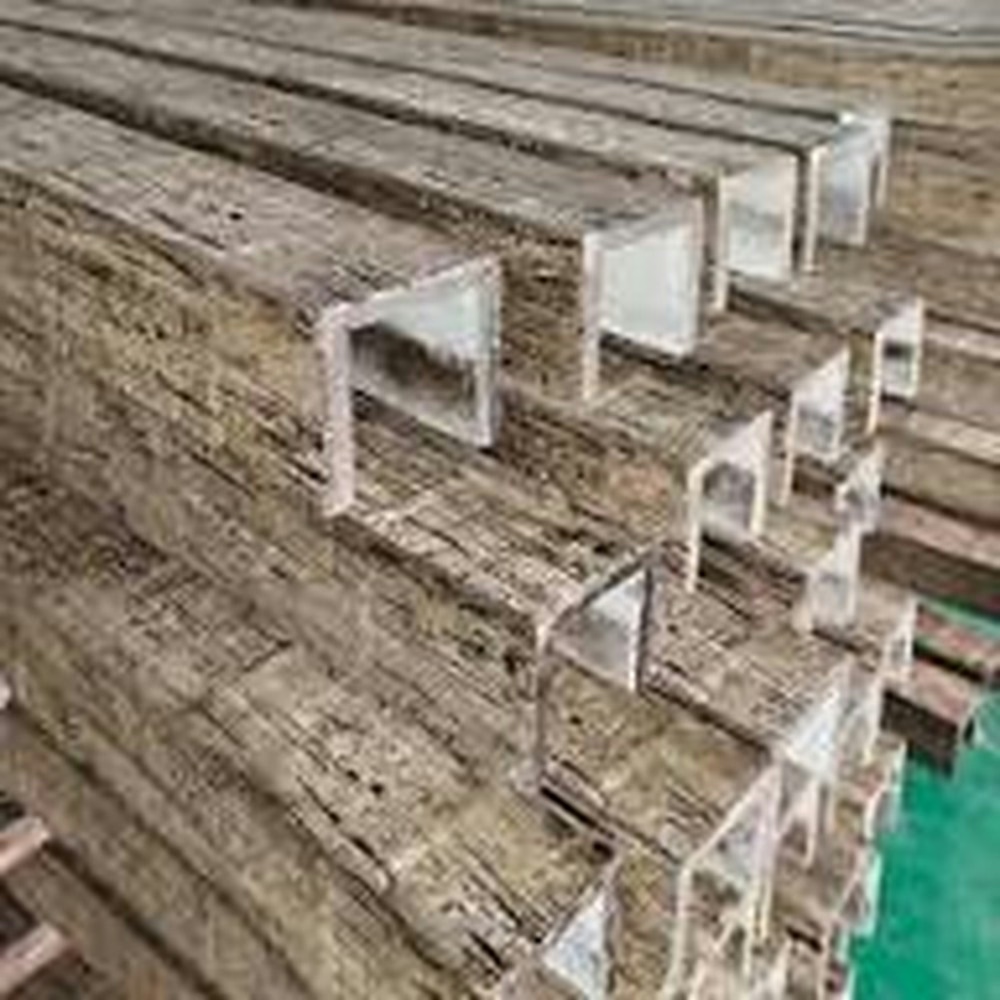
Redwood's warm restraint creates numerous design possibilities across interior style categories. The aesthetic works equally well in formal traditional spaces and casual contemporary interiors, adapting its character to surrounding elements without demanding specific stylistic commitment. This versatility makes redwood-toned beams valuable for projects where design direction might evolve over time.
Mediterranean and Spanish Colonial Revival interiors have long featured redwood or redwood- toned elements, with the warm palette complementing the terracotta, stucco, and wrought iron that define these styles. Redwood-toned beams contribute warmth to vaulted ceilings and exposed timber details that such spaces typically feature. The manufactured origin matters less than the aesthetic outcome—the beams read as appropriate to the established design language.
Contemporary spaces seeking warmth without heavy visual weight find redwood tones particularly suitable. The subtle grain keeps the beams from demanding too much attention while the warm color adds necessary life to potentially cool contemporary palettes. Such combinations work best when the redwood beams serve as accent elements rather than dominant features, contributing warmth while allowing other design elements to establish primary visual character.
Coordinating With Color Palettes
The warm tones of redwood create specific color relationships that designers should consider during palette development. Colors with similar warmth—creams, golds, soft oranges—create harmonious combinations that feel cohesive and intentional. Cool colors—blues, greens, grays—create complementary contrast that can produce visual interest when managed thoughtfully.
Wall colors significantly affect how redwood beams read in completed spaces. Light warm neutrals create contexts where beams emerge as warm accents against neutral backgrounds. Deeper warm colors create more uniform warmth where beams blend into surrounding surfaces rather than standing out. Cool wall colors make beams read more distinctly, with the contrast emphasizing their warm character.
Existing wood elements in the room also deserve consideration. Hardwood floors, furniture, and interior trim that already feature wood should relate to ceiling beam color intentionally. Matching creates cohesion; intentional contrast creates visual interest. Either approach can succeed depending on overall design intentions; the mistake lies in relationship by default rather than by design.
Practical Advantages for Residential Applications
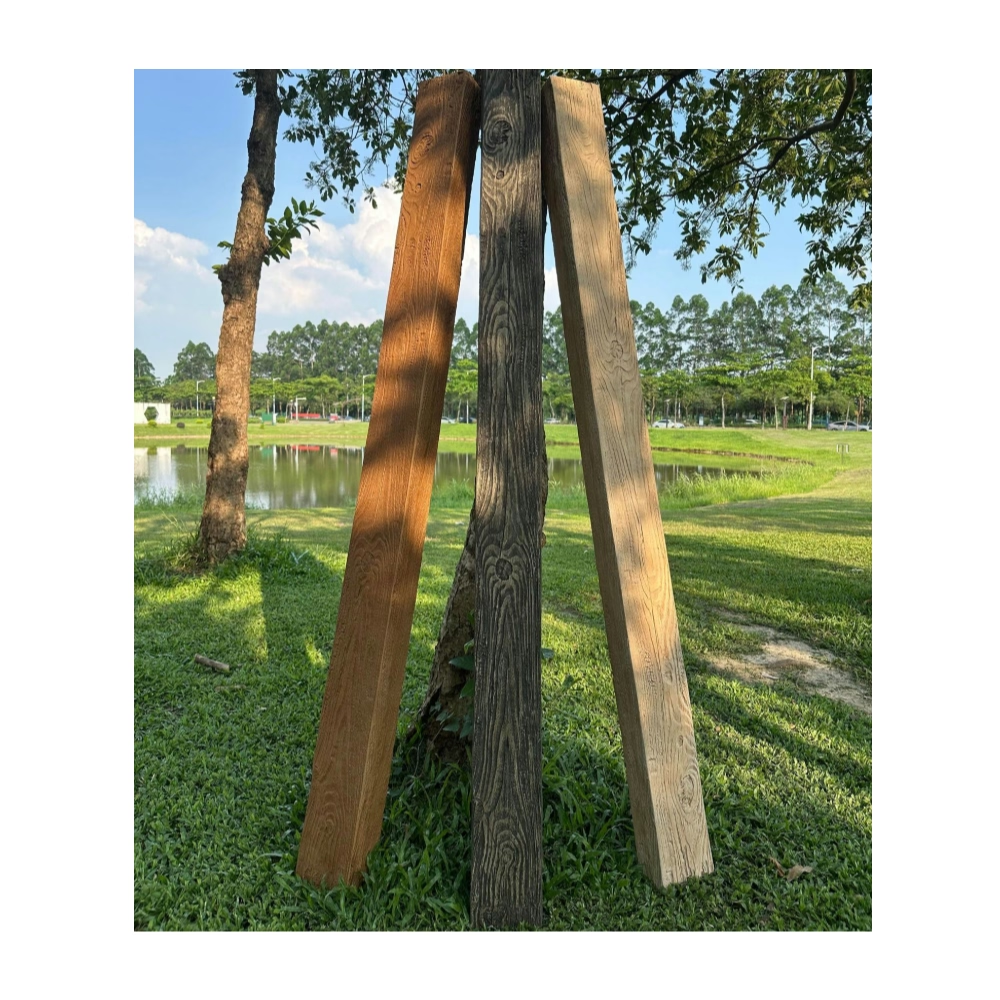
Beyond aesthetic considerations, redwood-toned PU beams provide practical advantages that enhance their value in residential applications. The moisture resistance of polyurethane proves particularly valuable in regions where humidity fluctuations create challenges for genuine wood. Kitchens, bathrooms, and homes in coastal climates all benefit from materials that don't absorb moisture.
The insect resistance of polyurethane addresses concerns that affect genuine wood in many regions. Termites, powder beetles, and other wood-boring insects that might eventually damage genuine timber pose no threat to polyurethane. This protection provides peace of mind for homeowners who have experienced wood-boring insect damage or live in regions where such pests are prevalent.
The light weight of polyurethane simplifies installation in ways that genuine redwood could not match. A beam that might weigh 80 pounds in genuine timber weighs perhaps 8-10 pounds in polyurethane. This reduction transforms installation from a structural engineering challenge into a straightforward mounting project that existing ceiling structures can accommodate readily.
Long-Term Value Considerations
The investment represented by ceiling beam installation deserves evaluation across the full lifecycle of the product rather than merely initial cost comparison. Genuine redwood beams might cost less initially but accumulate maintenance costs and eventual replacement expenses over time. Quality PU beams require no ongoing maintenance and maintain appearance for decades, representing better lifetime value despite higher initial cost.
The environmental considerations of manufactured versus natural materials affect some buyers' decisions. Redwood forests, despite improved management practices, represent finite resources whose harvest carries environmental implications. Polyurethane production has its own environmental footprint, but it does not contribute to deforestation or forest habitat loss. For environmentally conscious consumers, this distinction may matter in purchasing decisions.
What ultimately matters most is whether the installed beams serve design goals effectively over time. Natural redwood grain PU faux wood beams provide warm aesthetic character that enhances interior spaces while delivering practical performance that genuine timber cannot match. For homeowners seeking redwood's distinctive beauty without its practical limitations, they represent a thoughtful choice that satisfies both aesthetic and practical considerations.
Technical References
ASTM standards cited in every specification
Test Data
Lab results from internal testing program
Updated 2026
Reviewed against current product specs