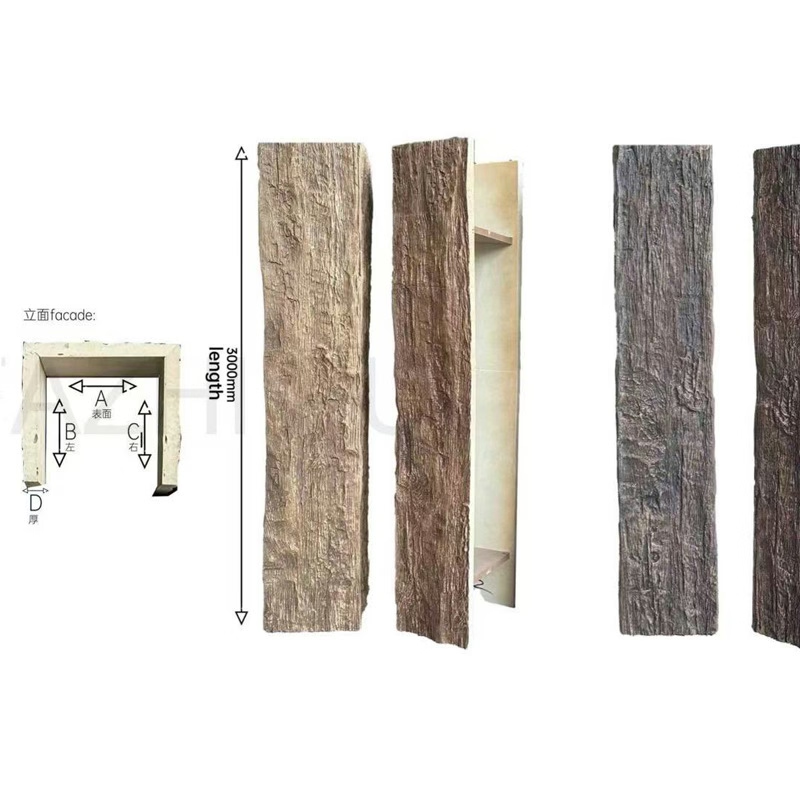
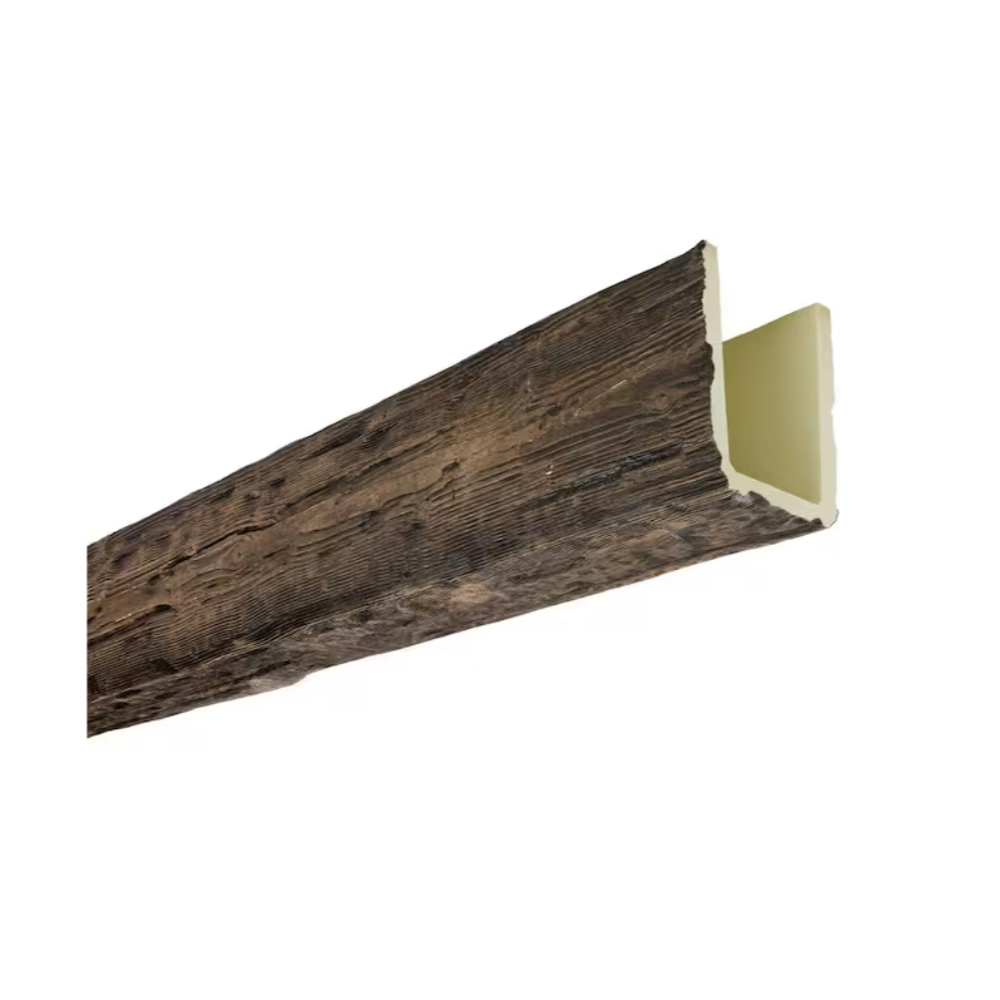
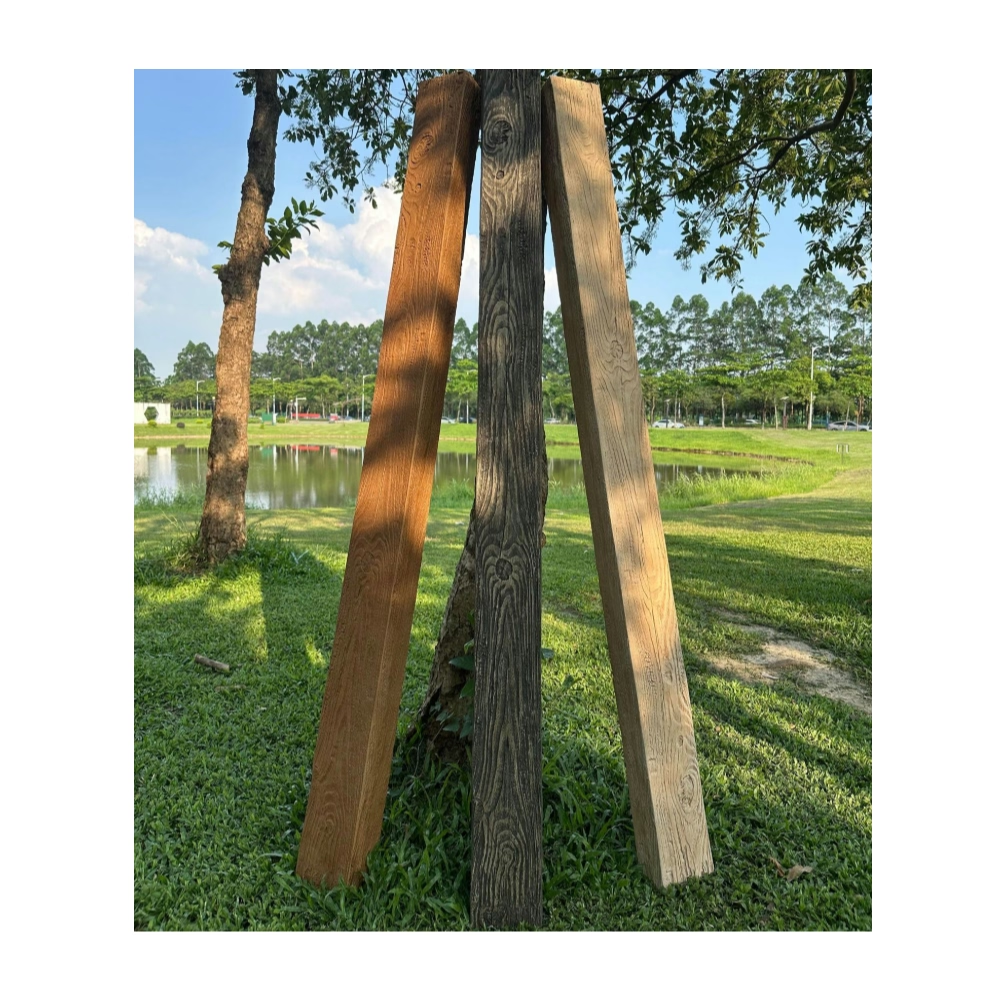
The distinction between different wood surface treatments—rough sawn versus planed, hand-hewn versus machine-cut, weathered versus fresh—creates a vocabulary of texture that thoughtful designers employ deliberately. Each treatment carries specific associations and produces particular perceptual effects. Rough-cut surfaces occupy a particular position in this vocabulary, suggesting origins in traditional timber processing while delivering bold visual presence that demands attention. Natural rough-cut texture PU faux ceiling beams make this distinctive treatment available for ceiling applications where genuine rough-cut timber might prove impractical.
Rough-cut surfaces emerge from initial milling operations that reduce logs to usable timber sizes. Unlike subsequent planing or surfacing operations that create smooth surfaces, rough-cut wood retains the marks of the primary milling process. The depth and character of these marks vary with saw type, blade condition, and wood species, creating surface qualities that differ from one piece to another even within the same timber.
The Bold Character of Rough-Cut Surfaces
Rough-cut texture makes immediate visual claims that refined surfaces cannot match. Where smooth wood recedes into visual neutrality, rough-cut surfaces demand attention through pronounced surface variation. This boldness creates specific effects that suit particular design purposes—spaces seeking strong visual presence benefit from rough-cut character in ways that subtle refinements cannot achieve.
The shadow patterns created by rough-cut surfaces contribute substantially to their visual impact. Deep saw marks create shadows that persist even in bright lighting, preventing the flattening effect that uniform illumination produces on smooth surfaces. This inherent dimensional quality makes rough-cut beams appear three-dimensional even from a distance, creating presence that enhances their architectural contribution.
Color appearance differs between rough-cut and smooth surfaces as well. The increased surface area of textured surfaces absorbs more colorants during finishing, creating richer appearance than the same color would produce on smooth wood. This enhancement effect means rough-cut beams can achieve visual depth that smooth surfaces would require darker, more saturated colors to match.
Rustic Organic Style Foundations
Rustic organic style seeks environments that feel connected to natural origins rather than industrial production. The aesthetic celebrates materials in states that reveal their making—the marks of saws and chisels, the natural variations of organic growth, the evidence of honest labor in material production. Rough-cut surfaces embody these values through the most fundamental wood characteristic: surface texture that demonstrates how the material was produced.
The organic component of rustic organic style involves more than material selection. Spatial arrangements that flow rather than rigidly divide, forms that suggest natural rather than geometric origins, lighting that mimics natural patterns—all contribute to the organic quality that distinguishes these spaces. Rough-cut beams support these intentions through their association with traditional craftsmanship and natural material processing.
The warmth that rustic organic spaces seek emerges partly from material character and partly from the visual complexity that natural materials provide. Rough-cut surfaces create this complexity through their inherent variation, preventing the monotony that uniform surfaces sometimes produce. Even extensive ceiling coverage with rough-cut beams remains visually interesting because the surface offers different information to different viewing conditions.
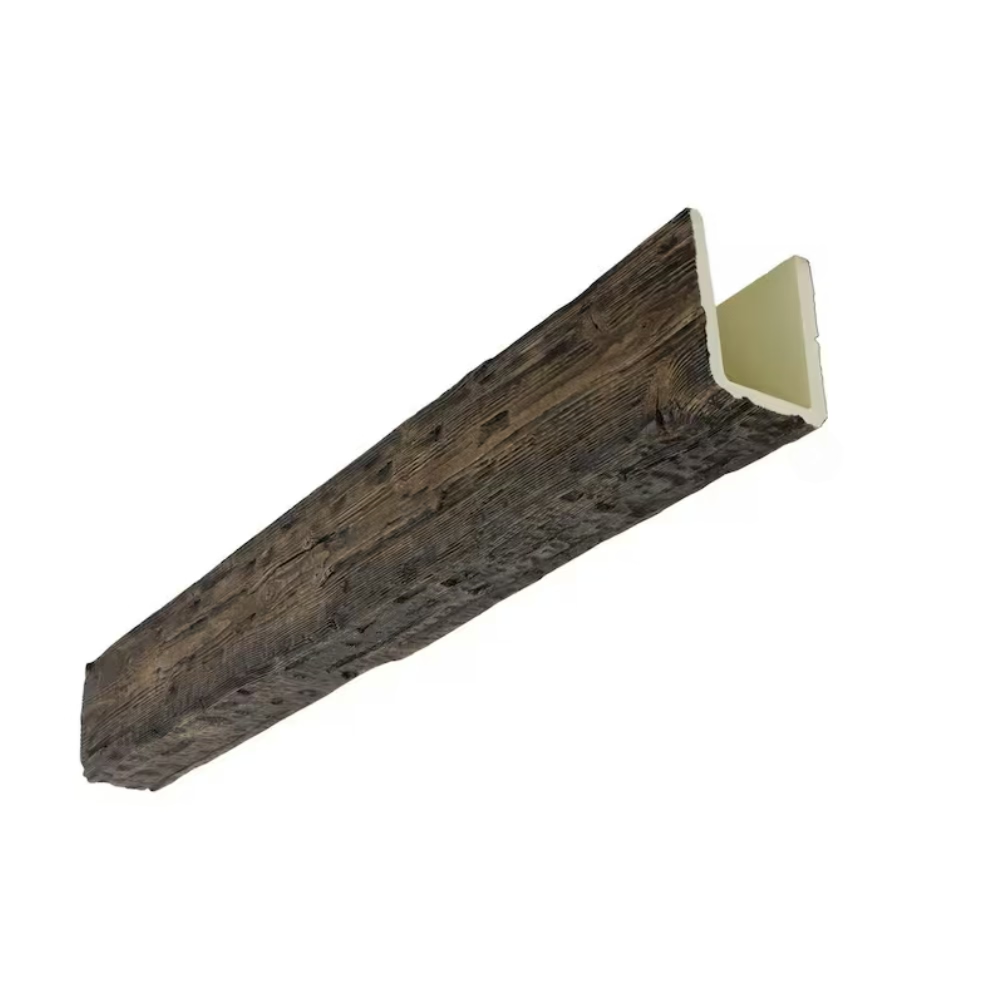
Ceiling Applications for Maximum Effect
Ceiling installations offer unique opportunities for rough-cut beam applications. The overhead position naturally frames viewing conditions—light from windows and skylights creates shadow patterns that emphasize surface texture. The typically higher viewing angles in rooms with substantial ceiling heights allow texture to register clearly, whereas the same beams installed at eye level might read differently.
The scale of ceiling beams affects rough-cut texture impact significantly. Larger beams provide more surface area for texture to create visual interest; the pronounced patterns of rough-cut milling have room to develop and establish presence. Smaller beams might display busy texture without achieving the substantial character that rough-cut surfaces should project. Successful rough-cut ceiling installations typically feature beams sized appropriately to the texture they carry.
The spacing between beams influences how ceiling installations read. Wider spacing creates individual beam presence where each beam's texture registers distinctly. Tighter spacing creates a more unified ceiling plane where individual beam textures blend into overall ceiling texture. Both approaches can succeed depending on the effect desired; the choice should align with overall design intentions for the space.
Pairing With Complementary Materials
Rough-cut beams combine effectively with stone surfaces of various types. The natural variation in stone echoes the natural variation in rough-cut wood, creating material harmony that unifies spaces. Stone fireplaces provide particularly effective partnerships with rough-cut ceiling beams, with both elements contributing bold natural texture to compositions that can support such visual weight.
Plaster and rough-cut beams create interesting contrast between refined smoothness and bold texture. The crisp, uniform surface of plaster provides foil against which rough-cut texture appears more dramatic. This contrast prevents both materials from competing for attention—each gains definition through opposition to the other.
Metal elements in rustic organic contexts typically favor those with aged or natural finishes. Wrought iron, weathered steel, and unlacquered brass develop patina that connects them to organic aging processes. These metals provide color and textural variety while respecting the organic aesthetic that rough-cut beams establish. Bright, highly polished metals would create dissonance that undermines the intended atmosphere.

Lighting Design Considerations
The interaction between rough-cut beams and lighting deserves attention during design development. Natural daylight creates the most dramatic texture presentation, with sun angle determining shadow patterns throughout the day. Positioning beams to receive beneficial daylight—side illumination rather than overhead flat light—ensures that texture registers appropriately throughout daylight hours.
Interior lighting choices affect how rough-cut beams appear during evening hours. Warm-toned light sources enhance the wood's natural warmth; cool sources can create dissonance between the warm wood tones and artificial lighting. The goal is lighting that supports the rustic organic atmosphere rather than contradicting it through inappropriate color temperature.
The placement of recessed fixtures relative to rough-cut beams requires coordination. Fixtures positioned to illuminate beam surfaces directly create dramatic shadow patterns within the texture; fixtures positioned between beams treat the ceiling plane more uniformly. Either approach can succeed depending on the effect desired, but the choice should be made deliberately during design development.
Durability and Maintenance
The textured surface of rough-cut PU beams provides practical benefits beyond aesthetics. Surface texture conceals minor damage—scratches, scuffs, impacts—that would be immediately visible on smooth surfaces. The natural variation of rough-cut texture creates camouflage that smooth materials cannot achieve, helping beams maintain good appearance despite the wear that residential and commercial surfaces inevitably encounter.
The moisture resistance of polyurethane eliminates concerns that affect genuine rough-cut timber. Real rough-cut wood absorbs moisture readily through its open surfaces, potentially leading to staining, warping, or biological growth. Polyurethane's resistance to moisture absorption means that rough-cut textured beams maintain their appearance regardless of humidity conditions, making them suitable for bathroom, kitchen, and high-humidity applications where genuine timber would struggle.
Cleaning rough-cut textured surfaces requires appropriate approaches. The grooves and crevices that create visual texture also accumulate dust and debris that simple dusting might not address. However, the same textured complexity that catches dust also distributes accumulated dirt across varied surfaces, reducing the visual impact of any dust that does accumulate. Periodic cleaning with appropriate tools maintains appearance without requiring the frequency that smooth surfaces might demand.
Investment Value Assessment
The value proposition for rough-cut textured PU beams involves considerations beyond initial purchase price. Genuine rough-cut timber beams of substantial size require significant structural support, specialized installation, and ongoing maintenance that accumulate costs over time. Polyurethane beams eliminate these ongoing costs while providing equivalent aesthetic outcomes.
The installation simplicity of lightweight polyurethane affects project economics substantially. Reduced labor requirements, minimal structural preparation, and faster installation schedules translate to lower installed costs that partially offset higher material prices. For projects where installation represents a significant portion of total budget, these savings can prove decisive in project viability.
Long-term appearance retention represents another dimension of value. Quality rough-cut PU beams maintain their appearance for decades without refinishing, repair, or replacement. The cumulative cost of maintaining genuine timber—including refinishing, damage repair, and eventual replacement—often exceeds the cost of PU alternatives that require no such attention. Total lifecycle cost analysis typically favors manufactured products despite their higher initial prices.
Technical References
ASTM standards cited in every specification
Test Data
Lab results from internal testing program
Updated 2026
Reviewed against current product specs