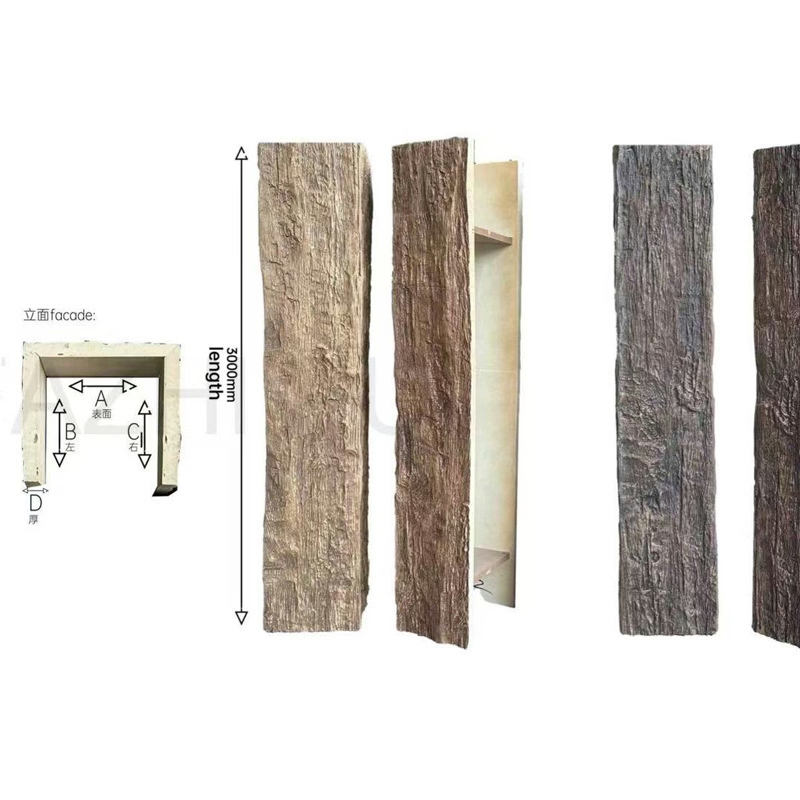
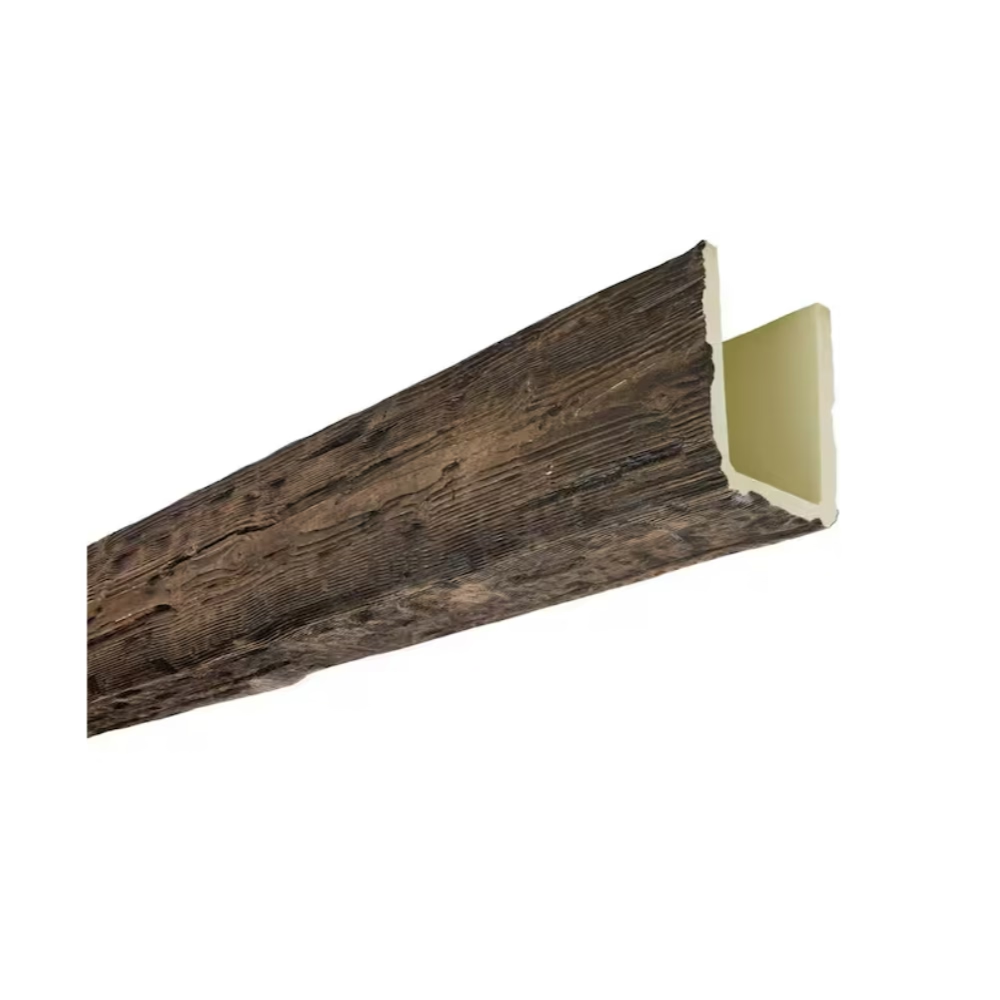
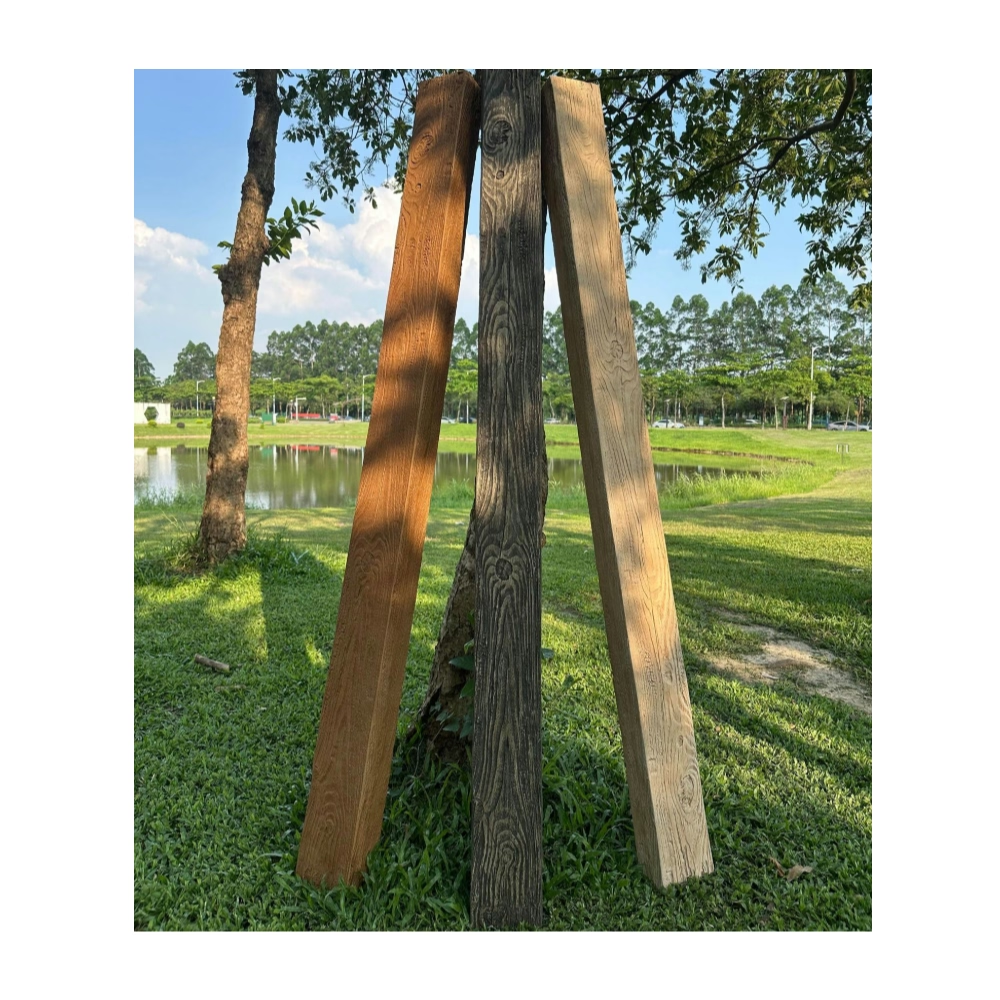
Southern Yellow Pine occupies a distinctive position in American construction history, having served as the primary structural material for generations of buildings throughout the southeastern United States. Its combination of strength, availability, and workability made it the default choice for everything from house frames to porch flooring to barn construction. The warm honey tones and pronounced grain patterns that characterize this species have become embedded in American design vocabulary, evoking casual comfort and unpretentious authenticity wherever they appear. Natural Yellow Pine fake ceiling beams translate this heritage into accessible form for contemporary residential applications where genuine yellow pine's limitations might otherwise preclude specification.
The visual character of Yellow Pine reflects the species' growth characteristics and traditional processing methods. The wood displays prominent, widely-spaced growth rings that create pronounced grain patterns visible even at distance. Knot clusters appear regularly where branches once joined the trunk, their dark centers and radiating checks creating focal points that add visual interest. The overall color palette centers on warm yellows and ambers, with darker tones appearing in heartwood sections and lighter tones in younger growth. This combination of color warmth and pattern variety creates surfaces that read as characterful without demanding attention.
Genuine Yellow Pine timber suitable for ceiling beam applications presents sourcing and specification challenges that many contemporary projects cannot address. Structural-grade material focuses on engineering properties rather than appearance, often featuring characteristics that make it unsuitable for exposed applications. Appearance-grade material commands premium pricing that reflects the selection required to achieve acceptable visual quality. And the dimensional instability that characterizes southern pine—substantial movement in response to humidity changes—creates concerns about long-term performance in climate-controlled interiors.
Polyurethane Yellow Pine appearance beams address these specification challenges while preserving the essential visual qualities that make the species desirable. Manufacturing processes capture the distinctive grain patterns, knot characteristics, and color tones that identify Yellow Pine, producing beams that satisfy observers familiar with the species. The dimensional stability of polyurethane eliminates concerns about movement, checking, or gap formation that genuine pine might exhibit in service. And the consistent quality that manufacturing provides ensures that every beam in an installation presents uniform appearance.
The casual character that Yellow Pine contributes to interior spaces suits residential applications particularly well. Unlike formal wood species that project elegance and refinement, Yellow Pine communicates approachability and comfort—the visual equivalent of well-worn jeans or a favorite armchair. This casual quality makes yellow pine beams appropriate for family rooms, children's spaces, and informal living areas where more refined materials might feel uncomfortable or inappropriate. The warmth they provide encourages relaxation rather than formality.
Consider a family room renovation where the homeowners sought to create a space that all family members would actually use and enjoy. The original room featured a flat white ceiling, standard carpet, and builder-grade fixtures—a blank canvas that could have become anything but required substantial investment to become anything memorable. Yellow Pine appearance beams installed across the ceiling transformed the space's character immediately, their warm tones and casual texture creating the comfortable atmosphere the family wanted. The transformation cost a fraction of what genuine timber would have required and achieved exactly the welcoming character the family desired.
Scale selection for Yellow Pine beams should account for the species' visual weight and pronounced patterns. The prominent grain and frequent knots create substantial visual presence that smaller beams might not adequately support. In typical residential ceiling heights of eight to ten feet, beam depths of six to ten inches allow Yellow Pine characteristics to display effectively without overwhelming the space. Larger rooms with higher ceilings can accommodate correspondingly larger beams, while smaller spaces may benefit from shallower profiles or more restrained finish selections.
Integration with other yellow or warm-toned materials in residential spaces creates material palettes that feel naturally cohesive. Hardwood flooring in oak or hickory shares the warm color family that Yellow Pine establishes.Brick or stone fireplaces complement wood tones while adding textural contrast. And textile selections in earth tones, warm neutrals, and natural fibers reinforce the organic material vocabulary that wood beams introduce. This material coordination creates environments where beams feel like natural components rather than isolated additions.
The maintenance advantages of polyurethane Yellow Pine beams prove particularly valuable in family households where ceiling elements might encounter accidental contact. The durable surface resists dents and scratches that might damage genuine pine. Moisture from spilled drinks, cooking activity, or humidity fluctuations cannot affect manufactured material as it might affect genuine wood. And the absence of splintering eliminates the safety concern that genuine pine might present, particularly important in households with young children who might touch ceiling elements.
Color matching between Yellow Pine beams and existing wood elements requires attention to the specific tone being replicated. Yellow Pine's color range spans from pale yellow to rich amber, and different manufacturers' appearance beams emphasize different points within this range. Requesting samples and evaluating them alongside existing materials ensures appropriate matching. In new construction or complete renovation contexts where no existing materials constrain selection, the natural yellow tones of Yellow Pine provide flexibility for coordination with whatever complementary materials are specified.
The acoustic properties of Yellow Pine appearance beams contribute to comfortable residential atmospheres in ways that matter for family living. The pronounced grain texture creates surface irregularity that diffuses sound reflections, reducing echo and improving speech clarity in rooms with hard flooring or many windows. This acoustic benefit proves valuable in open floor plans where kitchen, dining, and living areas flow together without acoustic separation. The improved sound quality supports the multiple activities—conversation, television viewing, music listening—that family rooms typically accommodate.
Lighting design for rooms with Yellow Pine beams should emphasize warm color temperatures that reinforce the wood's natural tones. Incandescent and warm LED sources in the 2700-3000K range enhance honey and amber tones, creating evening environments that feel appropriately cozy. Fixture positioning should consider how light will interact with grain patterns, potentially grazing beam surfaces to emphasize texture or positioning fixtures to wash light across grain to minimize shadow.
Outdoor and covered area applications of Yellow Pine beams extend their warmth to porches, covered patios, and similar spaces. The casual character that suits interior residential spaces translates effectively to covered outdoor living areas where the same comfortable atmosphere is desired. Polyurethane's resistance to moisture and UV exposure makes these outdoor installations practical, though specification for fully exposed conditions should confirm adequate UV resistance in the selected product.
The investment value of Yellow Pine appearance beams for residential applications reflects the combination of aesthetic benefits and practical advantages they provide. The authentic wood appearance satisfies design aspirations without requiring premium pricing that genuine timber would command. The installation simplicity reduces labor costs that might otherwise consume substantial project budgets. And the maintenance-free performance eliminates ongoing costs that genuine wood would generate throughout its service life. These combined advantages make Yellow Pine beams accessible to projects across residential budget ranges.
For homeowners uncertain about beam specifications, consulting with design professionals or experienced suppliers helps ensure appropriate selection for specific contexts. Room proportions, existing materials, lighting conditions, and overall design direction all influence optimal beam specifications. Professional guidance identifies considerations that might not be apparent to homeowners and ensures that final selections achieve the intended character without unexpected disappointments.
The timeless appeal of Yellow Pine in residential design reflects the species' successful service across generations of American homes. The warm, casual character that distinguished farmhouses, cottages, and beach houses remains equally appealing in contemporary contexts. By making this character accessible through practical faux beam alternatives, residential projects can incorporate the proven appeal of Southern Yellow Pine without requiring the sourcing challenges, installation complexity, or maintenance demands that genuine material would impose.

Technical References
ASTM standards cited in every specification
Test Data
Lab results from internal testing program
Updated 2026
Reviewed against current product specs