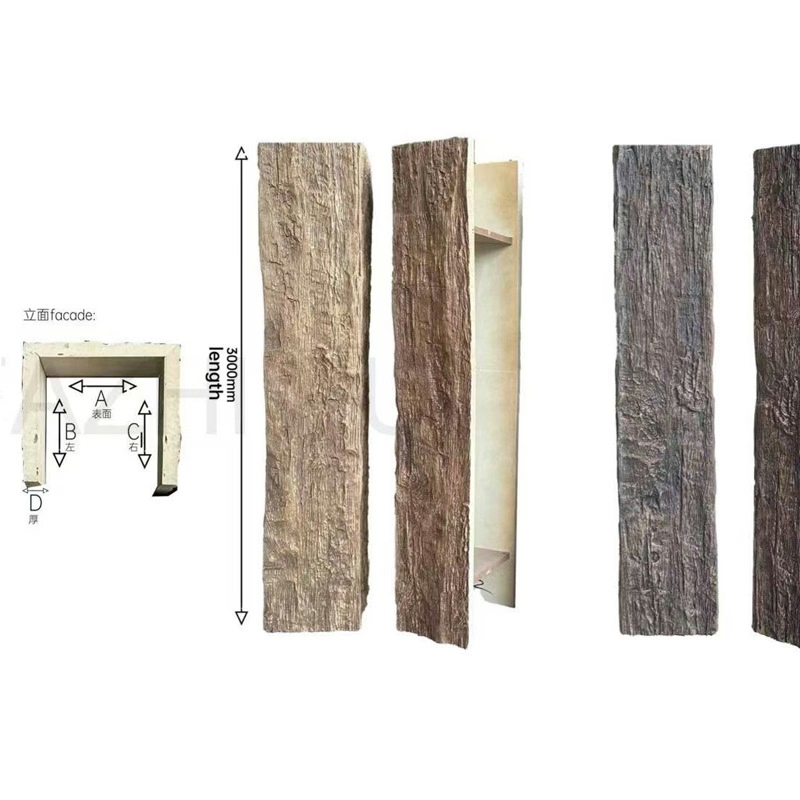
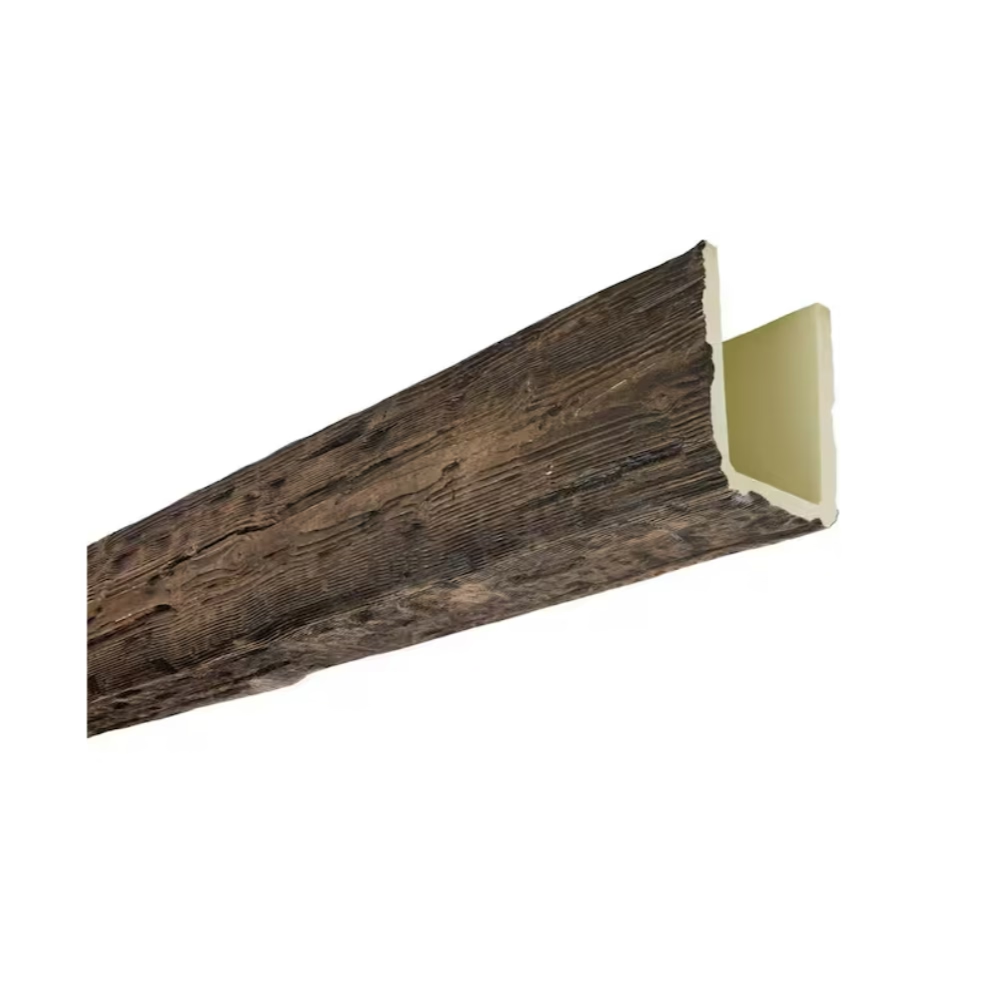
The interplay between light and dark in interior design creates visual dynamics that engage viewers while establishing clear hierarchies of emphasis. When neutral-toned walls provide expansive lightness and dark wood beams introduce dramatic weight overhead, the result is a spatial conversation between surfaces that grounds a room while preventing it from feeling top-heavy or unstable. This combination has proven reliable across diverse design vocabularies, from traditional interiors where dark timber contrasted with plaster walls to contemporary spaces where dramatic beams anchor minimalist volumes. Dark wood faux ceiling beams make this powerful contrast achievable across projects without the installation complexities that genuine dark timber often involves.
Dark wood species bring specific characteristics to interior applications that lighter alternatives cannot replicate. Walnut displays rich chocolate tones with subtle purple undertones that create warmth without brightness. Ebony and ebonized oak provide near-black options that create bold statements in appropriate contexts. Traditional dark oaks and mahoganies offer mid-range options that combine drama with warmth. Each species presents distinct grain patterns and figure characteristics that affect how the dark coloration reads across a space. Polyurethane faux beams available in these various dark finishes allow specification that matches specific species aesthetics without requiring premium pricing or sourcing complexity.
The contrast principle underlying dark beam and light wall combinations operates on visual perception mechanisms that designers leverage intuitively. Lighter surfaces tend to recede visually, appearing more distant and less substantial. Darker surfaces advance toward viewers, creating impressions of solidity and presence. By applying these principles to ceiling and wall treatments, designers create spatial compositions where the ceiling feels anchored and substantial despite its elevated position, while walls provide expansive backdrop without demanding attention. This visual equilibrium creates rooms that feel simultaneously grounded and open.
Consider a contemporary living room where the design concept emphasized the contrast between cozy enclosure and expansive openness. The walls were finished in a warm greige that provided sophisticated neutrality without asserting itself. Dark walnut-appearance beams crossed the ceiling in parallel formation, their rich brown tones creating visual weight that defined the living area below without enclosing it physically. The result was a space that felt intimate and sheltered when furniture groupings concentrated below the beams, yet open and expansive when sight lines extended beyond the beam boundaries. The beams served multiple spatial purposes through their dramatic presence.
The scale of dark beams should relate to ceiling height and room proportions with attention to the visual weight that dark coloration creates. Dark surfaces appear more substantial than equivalent light surfaces, meaning that dark beams may feel oversized relative to their actual dimensions compared to lighter alternatives. This perceptual amplification suggests selecting slightly smaller dark beam proportions than might be chosen for equivalent light-colored beams. Conversely, rooms with very high ceilings may benefit from the visual weight that dark beams provide, using the amplification effect intentionally to bridge large volumes.
Material combinations with dark beams and neutral walls should consider how other elements in the space will interact with the established contrast. Light-colored upholstery maintains the visual hierarchy that dark beams and light walls create. Dark accent pieces—side tables, area rugs, lamp bases—introduce grounding elements that echo the ceiling's presence without competing. Metallic accents in warm brass or bronze tones harmonize with dark wood while adding luminosity that prevents spaces from feeling heavy.
The lighting design for rooms with dark beams deserves particular attention because the interplay between light and dark surfaces becomes most apparent under artificial illumination. Recessed lighting that washes uniformly across ceiling surfaces may diminish the beam presence by reducing contrast with the surrounding plane. Accent lighting that grazes across beam surfaces emphasizes texture and increases the apparent depth of carved details. Consider combining ambient and accent lighting to maintain dramatic impact while providing adequate overall illumination.
The warmth character of dark wood beams should relate to surrounding materials and the overall atmosphere being created. Warm dark tones—rich browns with amber or red undertones—create inviting atmospheres suitable for residential living spaces. Cooler dark tones—near-blacks with grey or blue undertones—establish more dramatic, formal environments. The choice depends on how the space will be used and the emotional character that occupants seek. Warmer dark beams typically serve residential purposes better, while cooler options may suit formal entertaining or professional contexts.
Texture interaction between dark beams and light walls requires consideration for overall visual effect. Bold grain patterns on dark beams create strong visual presence that may overwhelm subtle wall textures. More restrained textures allow dark beams to provide weight without creating competing focal points. The wall texture should provide sufficient visual interest to prevent flatness without competing with beam drama. Smooth wall finishes often work best with textured beams, while textured walls may benefit from calmer beam surfaces.
The maintenance of dark wood beams requires attention to how the darker surface reveals dust, handling marks, and surface contamination. Light-colored dust accumulates visibly on dark surfaces, requiring more frequent cleaning in some environments. Handling during installation and maintenance may leave marks that show more plainly on dark finishes. These practical considerations suggest that dark beams may require more attention than lighter alternatives to maintain pristine appearance, though the manufactured surface of quality polyurethane simplifies any cleaning that becomes necessary.
The acoustic implications of dark beam installations relate to how the darker coloration often correlates with more substantial beam dimensions and more pronounced textures. The larger visual presence of dark beams typically indicates deeper profiles that provide greater acoustic diffusion surface area. This enhanced diffusion can improve sound quality in rooms with hard surfaces, though the acoustic benefit derives more from profile and texture than from coloration itself.
The investment value of dark wood beams relates to their dramatic impact relative to material and installation costs. Dark coloration typically requires no additional manufacturing investment beyond standard production processes. The installation simplicity that polyurethane provides reduces labor costs that might otherwise make dramatic beam installations prohibitive. And the visual impact achieved—strong architectural presence with sophisticated color—competes with much more expensive alternatives that genuine dark timber would require.
Specifier selection among dark wood beam options should consider how specific species characteristics align with intended applications. Walnut's rich warmth suits residential contexts seeking comfortable sophistication. Ebonized oak's near-black drama creates contemporary statements. Traditional mahogany appearances reference classic elegance. Understanding these species characteristics helps ensure that selected products align with design intentions.
The longevity of dark beam specifications relates to the color's timeless quality in interior design. Dark wood has been valued across centuries and cultures, suggesting that its appeal will persist regardless of design fashion shifts. Spaces with dark beams will not feel dated as trends evolve, though they may feel more or less fashionable at different moments. This temporal resilience makes dark beam specifications economically sensible for long-term investments.
For living rooms specifically, the dark beam and neutral wall combination creates the comfortable sophistication that these social spaces typically require. The warmth of dark wood prevents living rooms from feeling cold despite substantial visual presence. The dramatic contrast establishes design credentials without requiring elaborate decorative schemes. And the neutral walls accommodate diverse furniture styles, art collections, and color accents without conflict. This combination serves living room purposes elegantly, which explains its continued popularity across design applications.

Technical References
ASTM standards cited in every specification
Test Data
Lab results from internal testing program
Updated 2026
Reviewed against current product specs