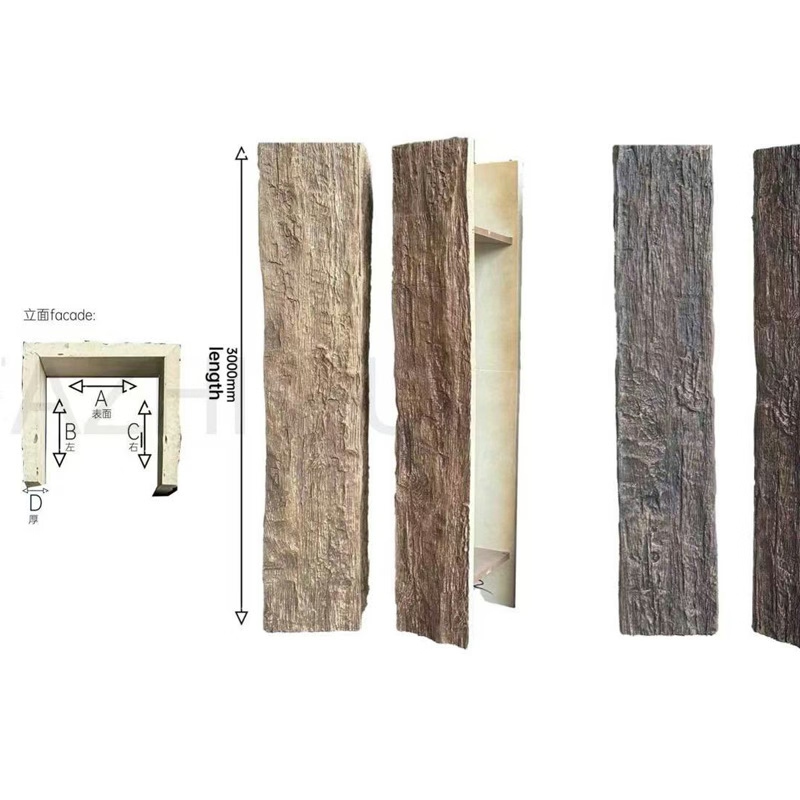
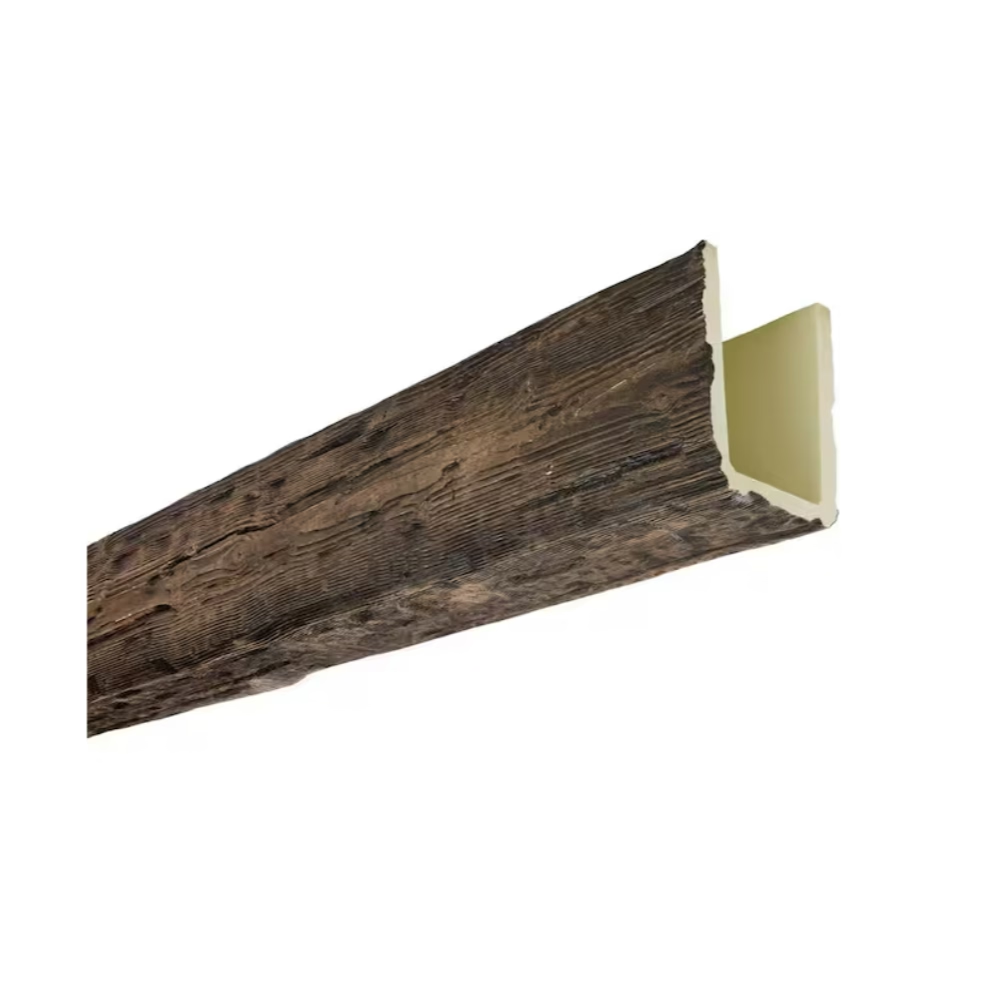
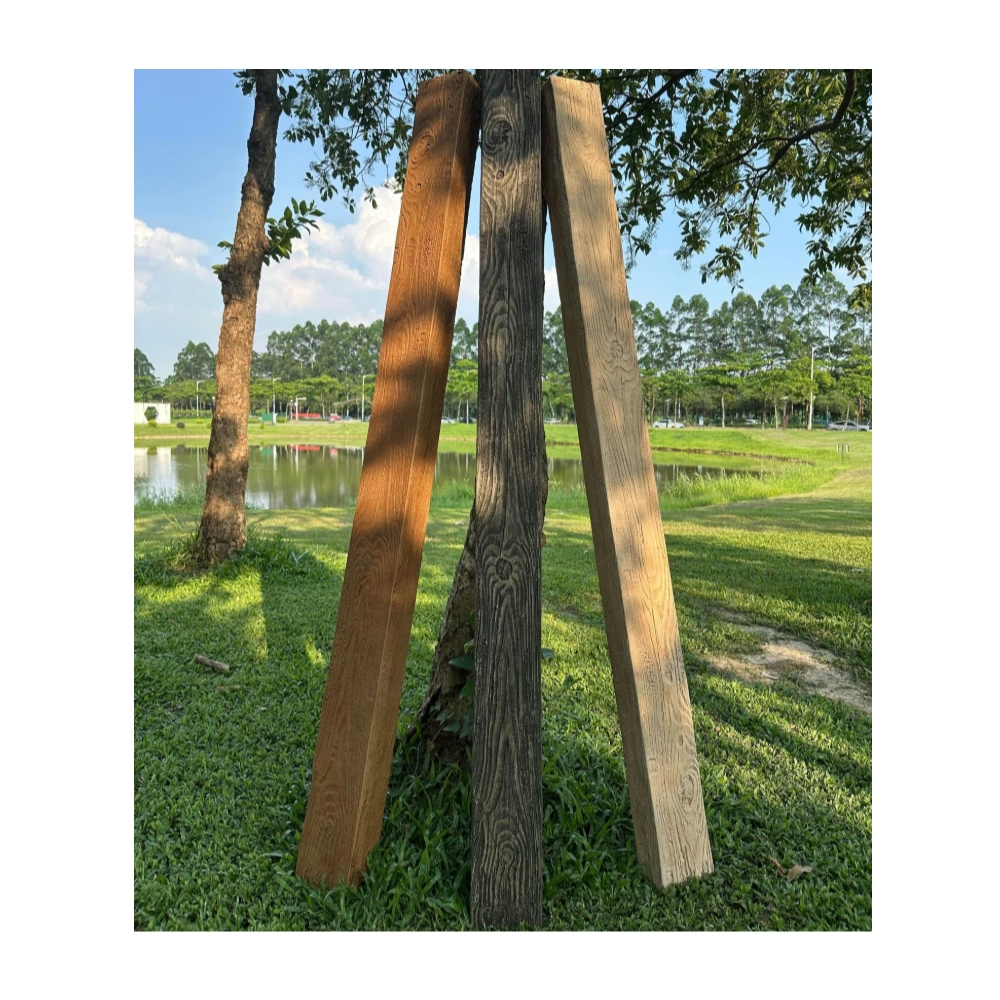
The covered patio represents one of the most versatile spaces in residential architecture—a transition zone between climate-controlled interiors and the natural environment beyond. How this space gets finished dramatically influences both its visual appeal and functional enjoyment throughout the year. Faux wood beams offer an exceptional solution for homeowners seeking the warmth and character of natural timber without the considerable maintenance demands that outdoor wood installations typically require.
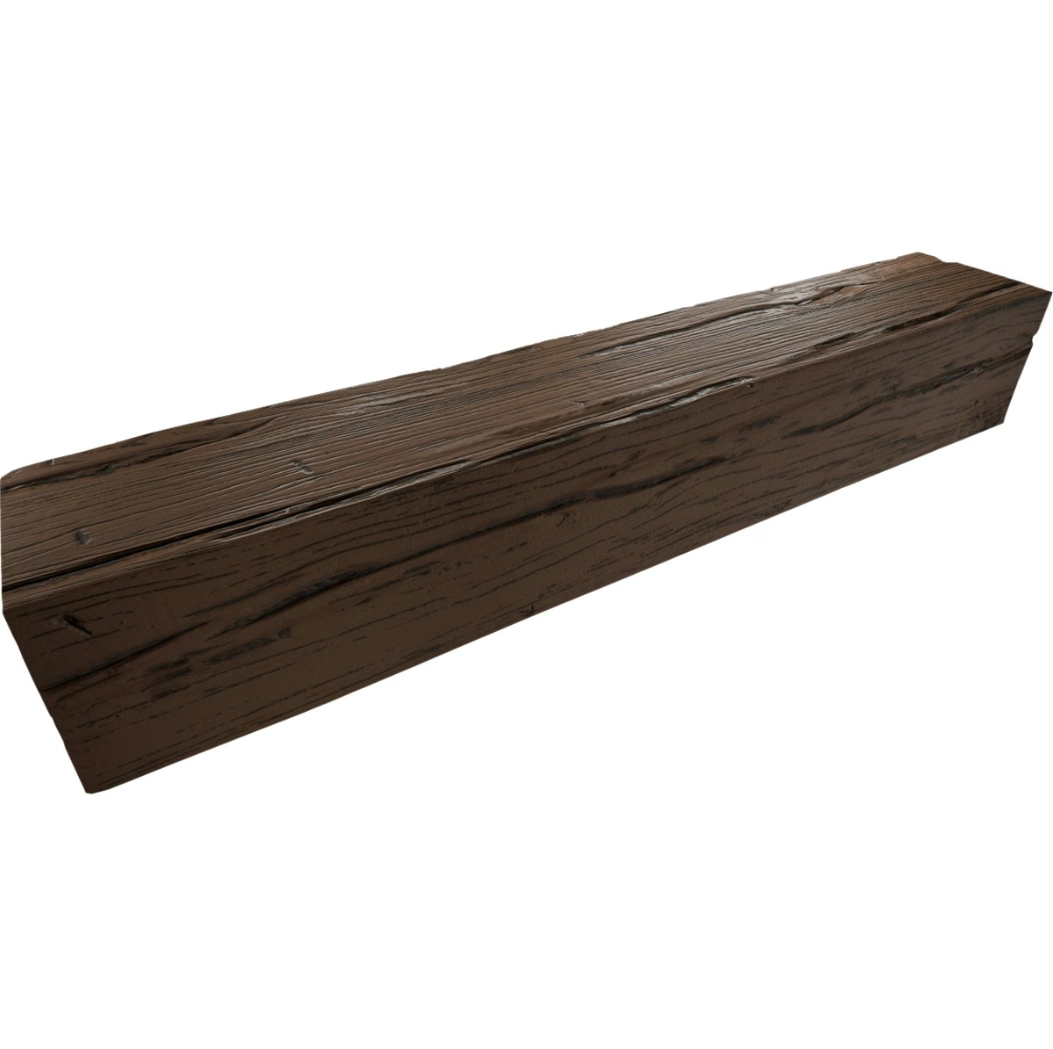
Modern manufacturing techniques have produced polyurethane faux beams that achieve remarkable visual fidelity to authentic timber. Deep grain textures, natural color variations, and convincing surface details distinguish quality products from cheap imitations that detract from rather than enhance outdoor living spaces. The distinction matters considerably when beams will serve as prominent visual elements in frequently used living areas.

The transitional nature of covered patios—partly sheltered yet fully exposed to ambient conditions—creates specific demands that faux wood beams address effectively. These structures experience temperature fluctuations, humidity variations, and occasional precipitation exposure despite roof coverage. Materials must tolerate these conditions without the cupping, splitting, and decay that affect natural wood in similar circumstances.
Design Possibilities for Covered Outdoor Spaces
The architectural style of your home should guide beam selection and installation approaches. Craftsman and cottage-style homes pair naturally with beams featuring pronounced grain patterns, slightly irregular surfaces, and warm stain finishes that complement traditional aesthetics. Contemporary and modern homes often benefit from cleaner beam profiles with more subtle texture and bolder color statements.
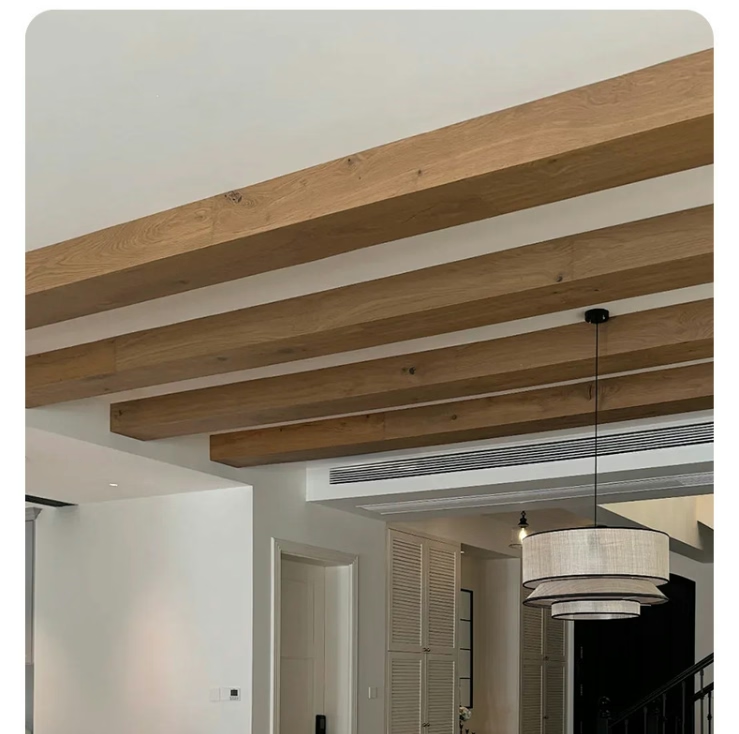
Ceiling-mounted beams create the most dramatic impact in covered patios, visually lowering overhead space while introducing the substantial, grounded character that timber brings to any environment. The combination of exposed beams above with comfortable seating below establishes an inviting atmosphere that encourages outdoor relaxation and entertainment.
Accent beams installed perpendicular to structural rafters add depth and visual interest without requiring ceiling-height installations. These partial-length beams terminate before reaching walls, creating the impression of decorative framing that enhances architectural interest without overwhelming smaller patio spaces.
Gable-end installations place beams within the triangular wall sections that cap many covered patio designs. These horizontal or diagonal beam arrangements create striking focal points visible from both the patio below and approaching visitors, establishing design continuity between exterior and interior spaces.
Arched and curved beam configurations accommodate curved ceiling profiles found in Spanish revival, Mediterranean, and contemporary designs. The flexible nature of polyurethane manufacturing allows curved beam production that would require expensive custom milling or steam-bending of natural timber.
Practical Advantages for Outdoor Living
Maintenance considerations frequently drive homeowners toward faux wood beams for covered patio applications. Natural wood requires regular restaining or sealing to maintain appearance and prevent deterioration, with the frequency of this maintenance increasing in exposed outdoor conditions. Faux wood eliminates this ongoing commitment, requiring only occasional cleaning to maintain attractive appearance.
Insect resistance provides significant advantages in regions where termites and carpenter ants threaten wooden structures. These destructive pests can compromise natural wood beams within seasons of initial infestation, creating safety concerns and expensive remediation requirements. Polyurethane faux beams provide zero appeal to wood-destroying insects, maintaining structural integrity indefinitely.
Moisture-related issues affect natural wood even in covered patio applications where roof overhangs limit precipitation exposure. Humidity, condensation, and occasional splash from adjacent landscaping all contribute to wood deterioration. The moisture-resistant properties of quality polyurethane beams prevent these degradation mechanisms while preserving authentic wood-like appearance.
Installation practicality favors faux wood for many covered patio projects. The lightweight nature of polyurethane beams simplifies handling and positioning, reducing installation labor and enabling ceiling installations that would require structural reinforcement for heavy timber components. This weight advantage becomes particularly significant for elevated patio designs and upper-story balcony coverings.
Matching Beams to Existing Architecture
Assessing the relationship between proposed beam installations and existing home architecture ensures cohesive design outcomes. Consider the scale of proposed beams relative to the covered patio dimensions—oversized beams can overwhelm small spaces, while undersized beams may disappear visually in larger areas.
Finish selection should complement exterior color schemes, roofing materials, and landscape elements visible from the patio space. The variety of available faux wood finishes—from honey-toned natural wood appearances to dramatic dark stains—allows coordination with virtually any existing color palette.
The architectural style of beam end treatments influences overall aesthetic considerably. Some designs feature finished end caps that create clean terminations where beams meet walls, while others embrace rustic cut ends that suggest authentic timber construction. The appropriate choice depends on the overall design vocabulary of the home and patio space.
Texture depth affects both visual authenticity and practical maintenance. Deeply textured beams create substantial visual presence but may accumulate dust and debris in outdoor environments. Lighter textures offer easier cleaning while potentially sacrificing some of the organic character that motivates wood beam selection.
Installation Approaches and Techniques
Professional installation ensures proper support and lasting performance for covered patio beam installations. The mounting method depends on whether beams serve purely decorative purposes or require structural capability for ceiling support or hanging elements.
Decorative beams can mount directly to ceiling surfaces using brackets, adhesive, or concealed fasteners that create the appearance of weight-bearing installation without requiring structural attachment to building framing. This approach simplifies installation while allowing removal and replacement if design preferences evolve.
Structural-appearing installations typically involve mounting beams to simulated corbels or bracket systems that suggest traditional timber construction techniques. These decorative supports add visual weight and authenticity while distributing any actual loads appropriately.
The transition between beam ends and adjacent walls benefits from careful attention during installation. Gaps, inconsistent spacing, and visible fasteners detract from finished appearance. Quality installations include caulking, trim pieces, or other detailing that creates clean, professional transitions.
Investment and Value Considerations
The total project investment for faux wood beam installation includes material costs, mounting hardware, and potentially professional installation labor. While individual beam costs vary by size, finish, and complexity, the overall project typically represents a fraction of comparable natural timber installation when lifecycle maintenance requirements factor into the calculation.
Long-term value considerations favor faux wood for most covered patio applications. The absence of ongoing staining, sealing, and repair requirements translates to direct cost savings and eliminated maintenance headaches over the years of patio enjoyment.
Quality manufacturers stand behind their products with warranties that reflect confidence in material performance. These guarantees provide additional assurance that the investment will maintain appearance and functionality for decades of outdoor living enjoyment.
The covered patio serves as a valuable extension of living space when properly designed and finished. Faux wood beams contribute significantly to the atmosphere and aesthetic appeal that make these spaces genuinely enjoyable. Thoughtful selection and professional installation ensure that the chosen beams deliver lasting satisfaction while elevating the patio from functional necessity to beloved retreat.
Technical References
ASTM standards cited in every specification
Test Data
Lab results from internal testing program
Updated 2026
Reviewed against current product specs