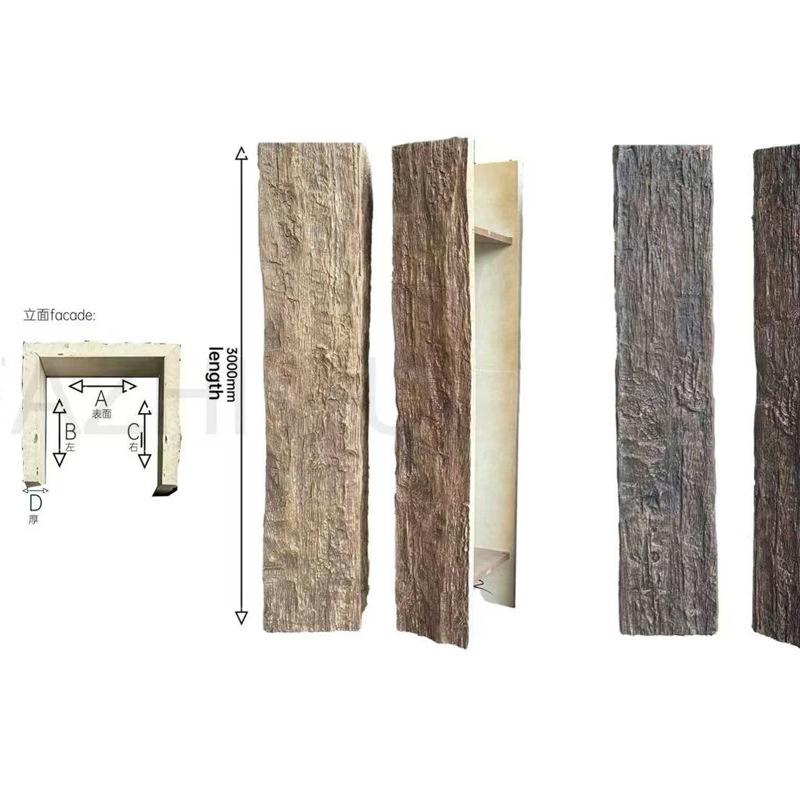
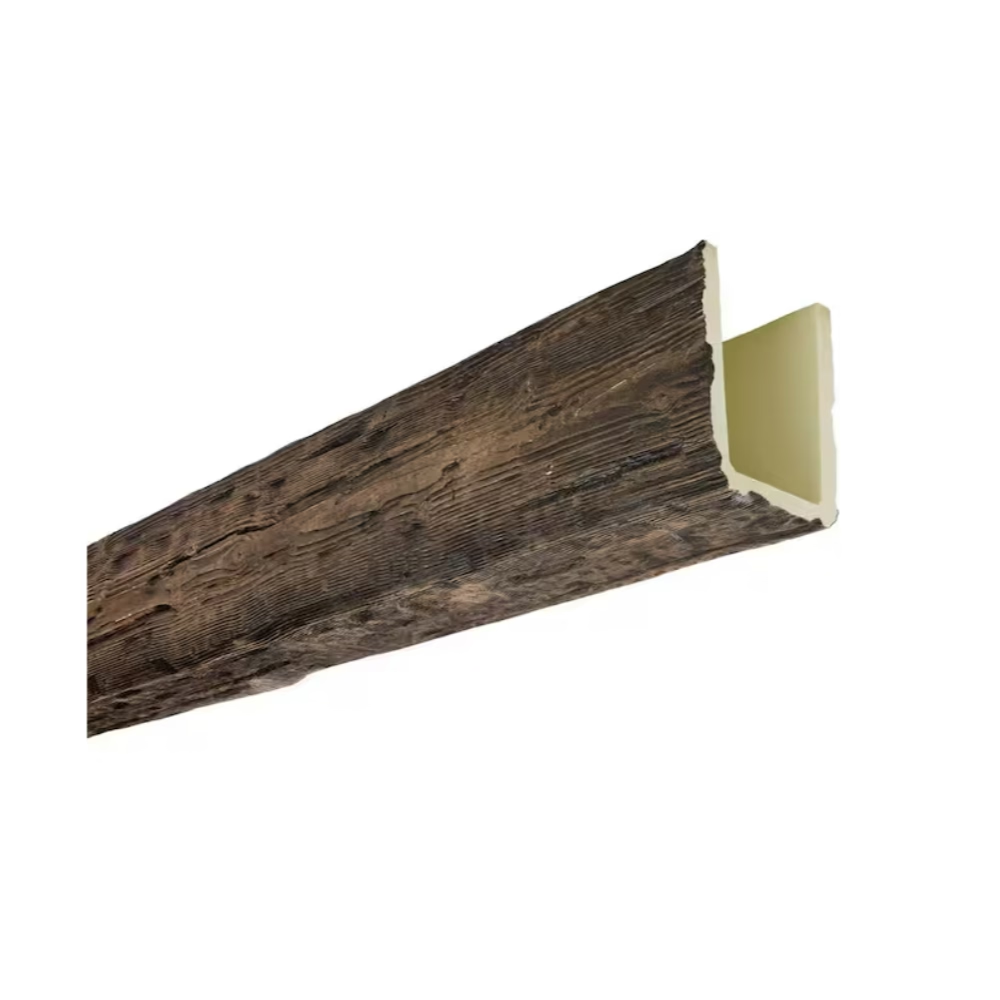
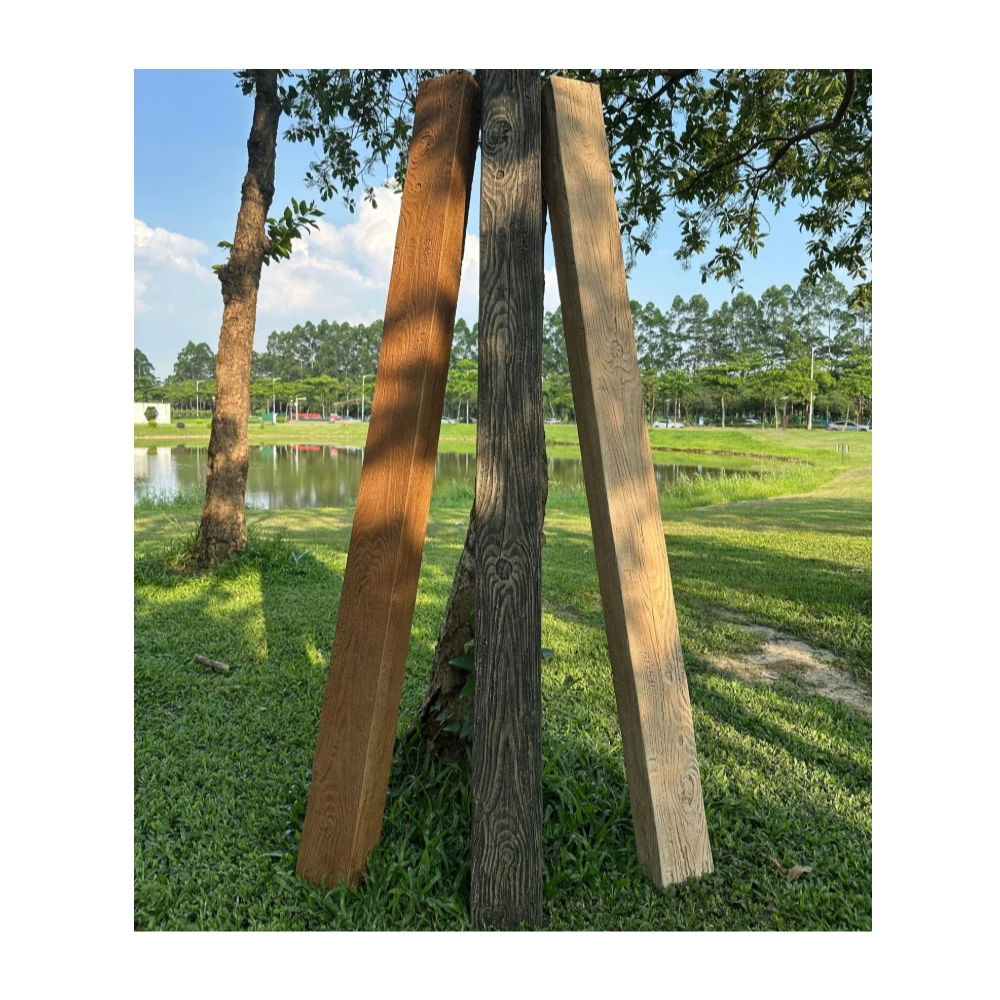
North American residential design draws from eclectic sources that each region and generation interprets differently. The farmhouse revival that social media amplified into cultural phenomenon represents just one strand of beam-using design traditions that populate housing across the continent. Understanding which styles resonate with specific markets enables specification choices that connect with buyer aspirations rather than imposing generic solutions.
Housing types shape beam application possibilities in ways that fixed design ideals cannot accommodate. Cathedral ceilings in custom homes create different canvas opportunities than flat ceilings in tract homes, while bonus rooms and basement developments present renovation possibilities that original construction ignored. Beam specifications must respond to these housing realities rather than assuming uniform application conditions.
Farmhouse and Country Influences
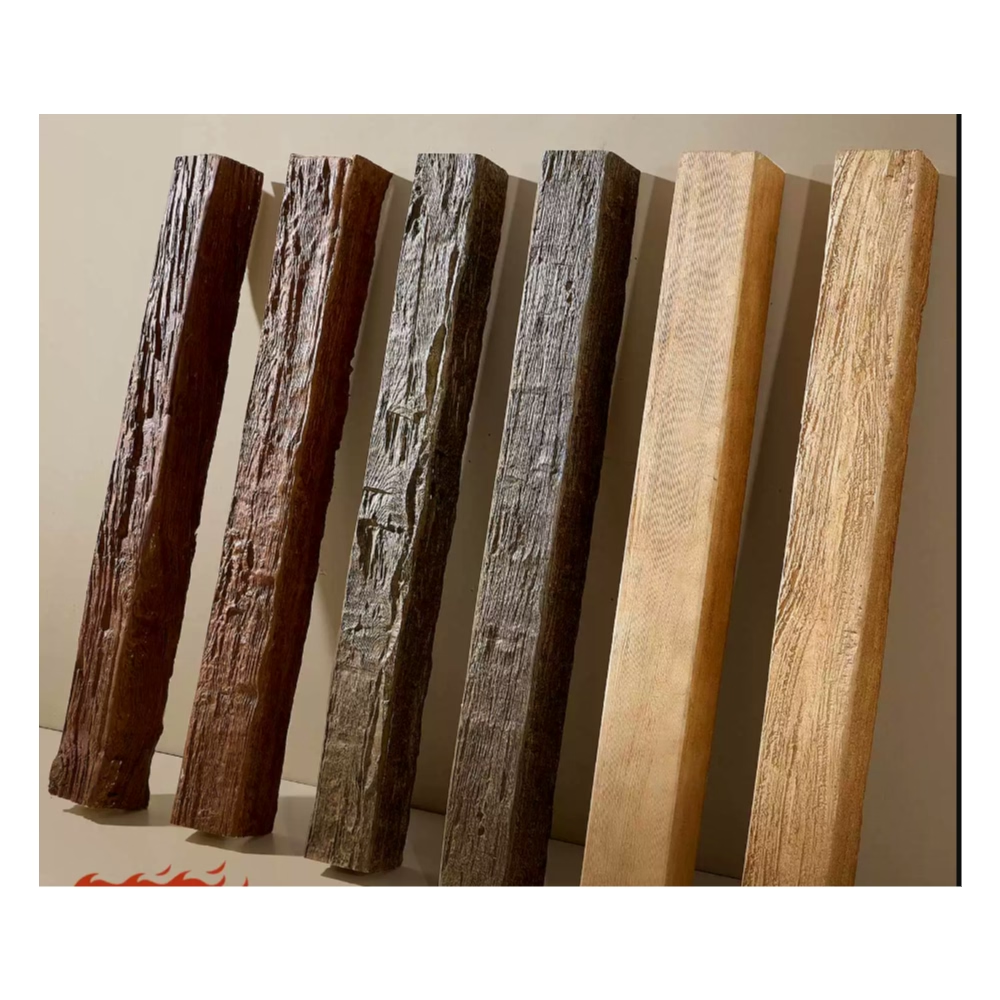
The farmhouse aesthetic dominates current residential beam popularity, driven by media influence that elevated rustic-chic into aspirational design vocabulary. Exposed beams in farmhouse applications typically emphasize warmth, authenticity, and substantial presence that make modest spaces feel grounded and authentic. These aesthetic goals translate into specific beam specifications—warm finish tones, prominent grain textures, and substantial proportions that communicate presence.
Whitewashed beam finishes provide farmhouse alternatives that suit brighter interior palettes. This treatment approach lightens wood appearance while preserving grain visibility, creating beams that contribute warmth without the heaviness that dark stain applications impose. Whitewashed beams suit coastal farmhouse variations, modern farmhouse interiors, and rental property applications where maintenance simplicity favors painted surfaces.
Shiplap ceiling backgrounds have become common companions to farmhouse beam installations, with painted white surfaces creating contrast that beams frame. This material pairing has achieved near-ubiquity in contemporary farmhouse design, appearing across television programs, design publications, and social media feeds that establish consumer expectations. Polyurethane beams coordinating with shiplap backgrounds benefit from finish selections that complement rather than compete with white-painted surfaces.
Craftsman and Arts and Crafts Traditions
The craftsman aesthetic rooted in Gustav Stickley furniture and Greene & Greene architecture offers different beam vocabulary than farmhouse influences. Craftsman beams favor mission-style simplicity—cleaner profiles, minimal ornamentation, and honest construction that suggests good design rather than elaborate decoration. These aesthetic preferences translate into beam specifications favoring straightforward profiles and natural finish tones.
Quarter-sawn oak grain patterns characterized original craftsman woodwork, creating distinctive ray fleck patterns that contemporary reproductions attempt. Polyurethane beams serving craftsman interiors benefit from texture selections suggesting quartersawn character, whether through specific grain pattern design or through embossing techniques that capture the visual quality that original construction exhibited. This authenticity attention distinguishes serious craftsman interpretation from superficial styling.
Built-in beam features—bookcases flanking fireplaces, window seats integrated with beam compositions, integrated lighting—distinguish craftsman architecture from simpler beam applications. These built-in relationships require coordination between beam specification and adjacent casework that standard beam catalogs may not address. Custom integration work distinguishes professional craftsman installations from amateur combinations of standard components.
Modern Rustic Blends
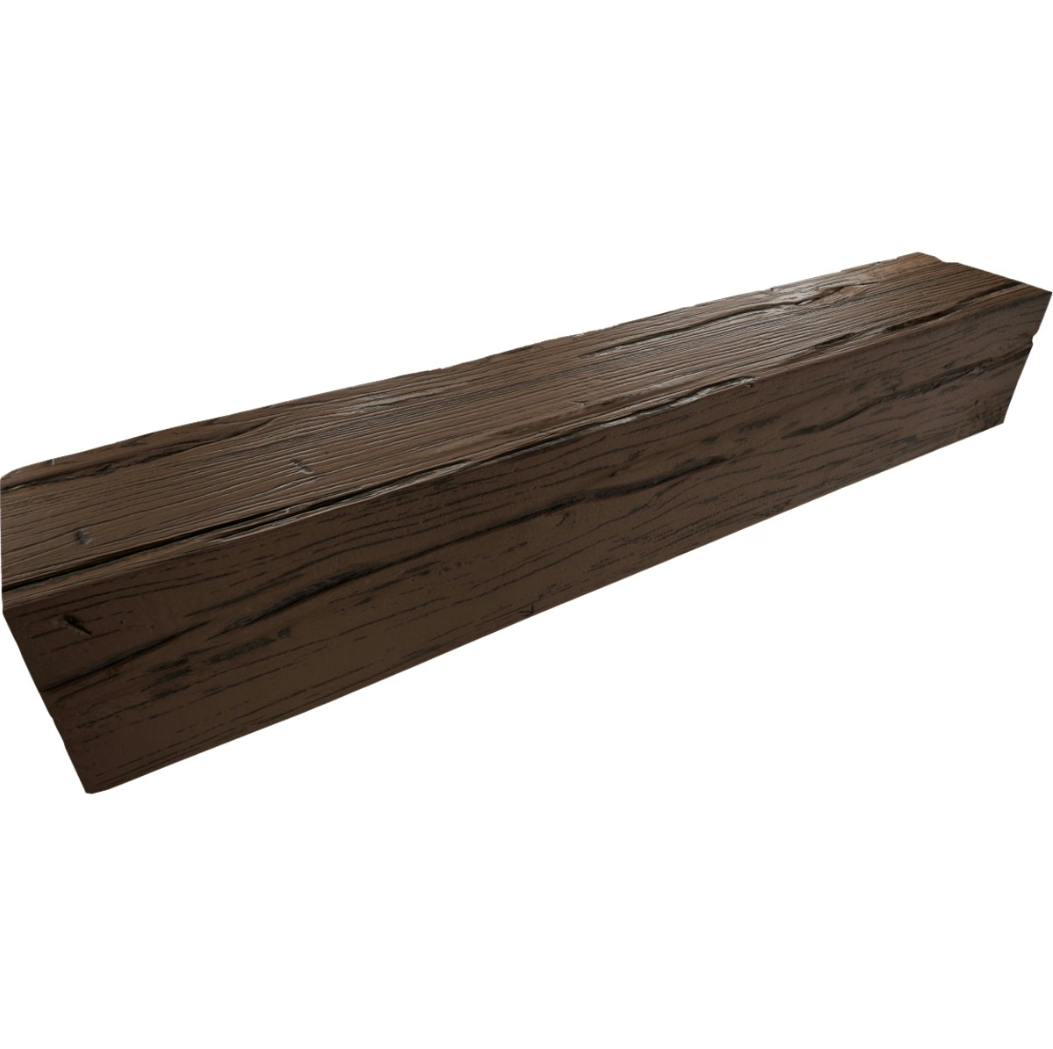
Contemporary residential design increasingly blends rustic and modern elements that previous generations would have considered incompatible. Clean-lined modern interiors acquire warmth through carefully selected rustic accents—beams that introduce organic material character without the visual heaviness that fully rustic environments create. This blending requires beam selections that bridge aesthetic territories.
Finish coordination with modern material palettes—concrete, steel, glass, minimal wood—affects beam specification significantly in modern rustic applications. Beams should contribute warmth that these cool materials lack while maintaining visual compatibility that prevents jarring aesthetic contradictions. Warm-toned finishes with restrained grain patterns often succeed in these contexts, providing organic character without overwhelming modern clarity.
Proportion adjustments suit modern interiors where substantial rustic beams might overwhelm clean spatial compositions. Lighter beam profiles, thinner flange dimensions, and more restrained texture depth create beam presence appropriate for contemporary spaces. These modern rustic beams sacrifice some authenticity for visual compatibility, representing design tradeoffs that conscious specification addresses.
Log Home and Mountain Style Applications
Log home construction establishes distinctive beam-using contexts where exposed timber traditionally characterized authentic building. Polyurethane beams in log home applications must coordinate with round log walls, chinking patterns, and rustic door and window trim that log home programs establish. Successful coordination requires understanding how log home design vocabulary differs from stick-built residential conventions.
Beam profiles in log home contexts often echo the substantial character that original log construction exhibited. Vigas spanning like original Southwest examples, or heavy timber frames recalling pioneer construction, create continuity with log home building traditions. Polyurethane reproductions of these traditional forms enable new construction achieving log home aesthetics without the maintenance requirements that genuine timber vigas demand.
Mountain lodge design shares log home vocabulary while incorporating additional rustic elements. Stone fireplaces, antler accessories, and wildlife art create total design environments where beams participate as components rather than focal features. Beam specifications serving these comprehensive design programs must coordinate with numerous other elements, suggesting catalog selections tested against complete design palettes rather than considered in isolation.
Regional Variation Across North America
Pacific Northwest residential design absorbs Scandinavian influences that regional populations brought to forest-rich territories. Clean-lined beams with subtle textures suit this design orientation, creating warmth appropriate for rainy climates while maintaining contemporary sensibilities. Polyurethane beams serving Pacific Northwest markets benefit from finish options that complement gray-day interiors without appearing too dark.
Southwest residential design incorporates Hispanic influences that Spanish colonial traditions established throughout Arizona, New Mexico, Texas, and California. Adobe architecture creates different contexts than frame construction, with beam applications adapted to thick wall construction and earth-toned palettes. Faux beams serving these markets should acknowledge regional vocabulary that generic national trends may ignore.
Northeast colonial heritage creates residential contexts where period accuracy influences beam specifications more than contemporary trends. Federal, Georgian, and Colonial revival styles each carry beam-using conventions that homeowners seeking authenticity expect specification to respect. These style-specific requirements demand product variety that catalog-limited suppliers cannot provide.

The diversity of North American residential design ensures that no single beam style dominates across all markets and contexts. Successful specification professionals match beam selections to specific client aspirations, housing conditions, and regional contexts rather than imposing personal preferences or national trends. This customization capability distinguishes professional specification from commodity product selection.
Market awareness that tracks regional design evolution helps specification professionals stay current with changing preferences. What sells today may decline as consumer tastes shift, requiring ongoing attention to design media, market research, and client feedback that signals preference changes. This market intelligence investment supports specification confidence that keeps clients satisfied and referrals flowing.
The relationship between beam specification and overall project success deserves the attention that some practitioners undervalue. Beams represent substantial visible investments that buyers notice and remember. Specification choices that serve design intentions create satisfaction that justifies the cost, while choices that prioritize price over appropriateness generate disappointment that no subsequent correction can remedy.

Technical References
ASTM standards cited in every specification
Test Data
Lab results from internal testing program
Updated 2026
Reviewed against current product specs