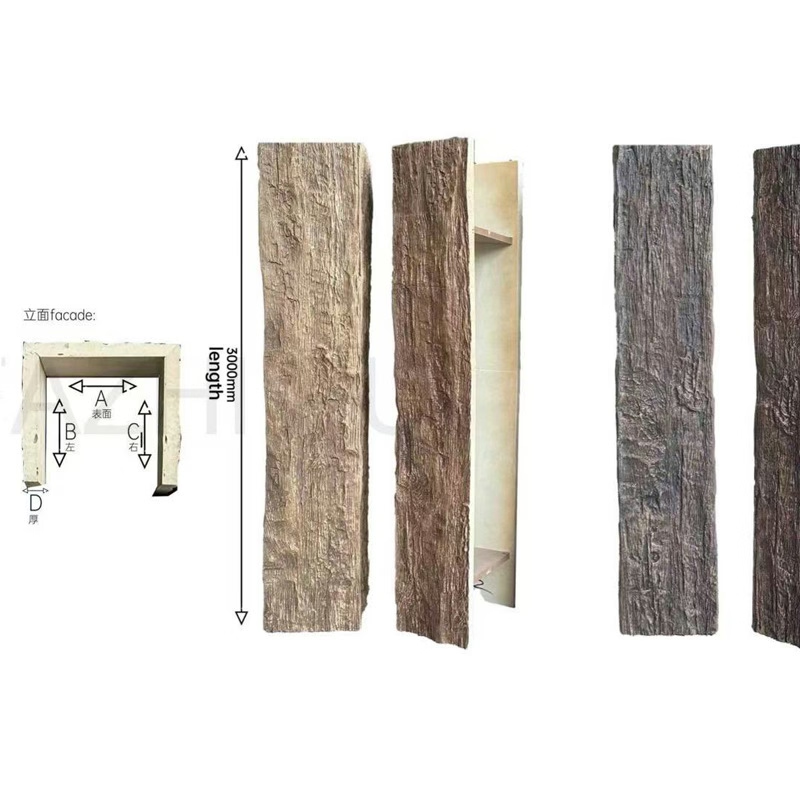
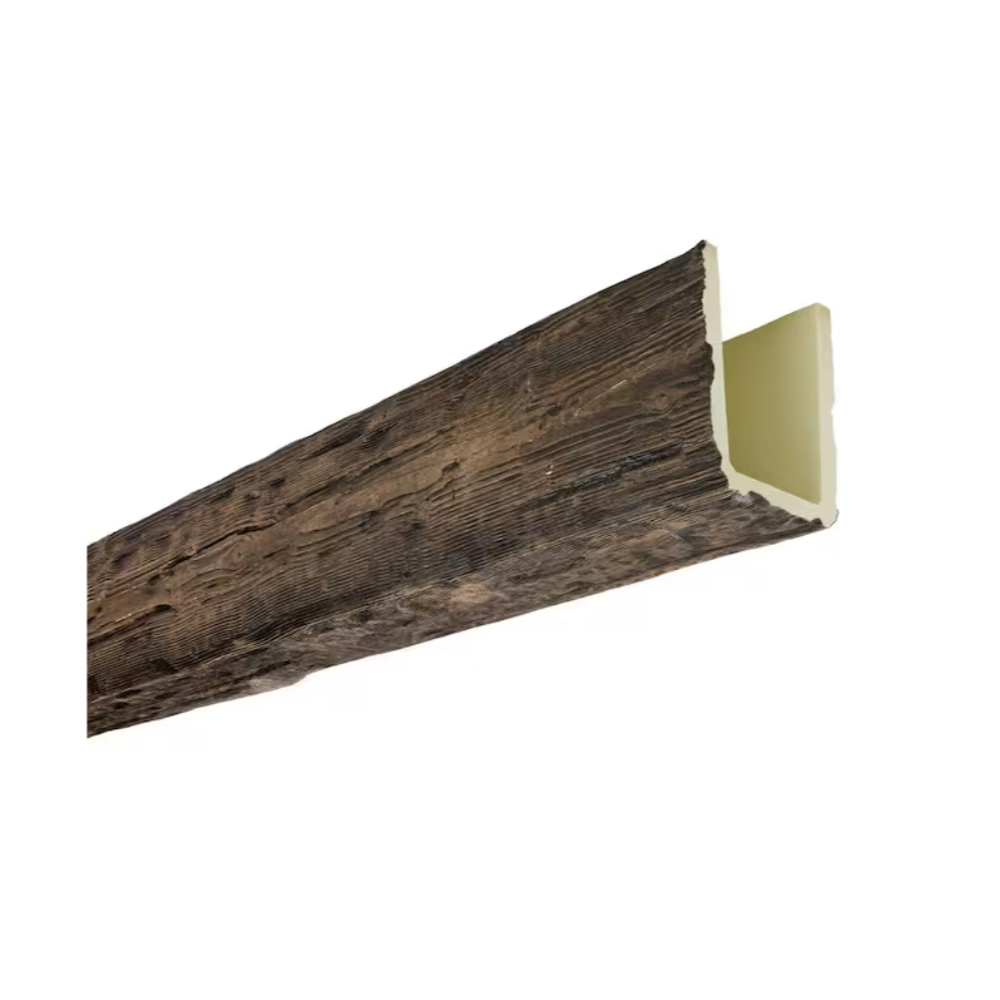
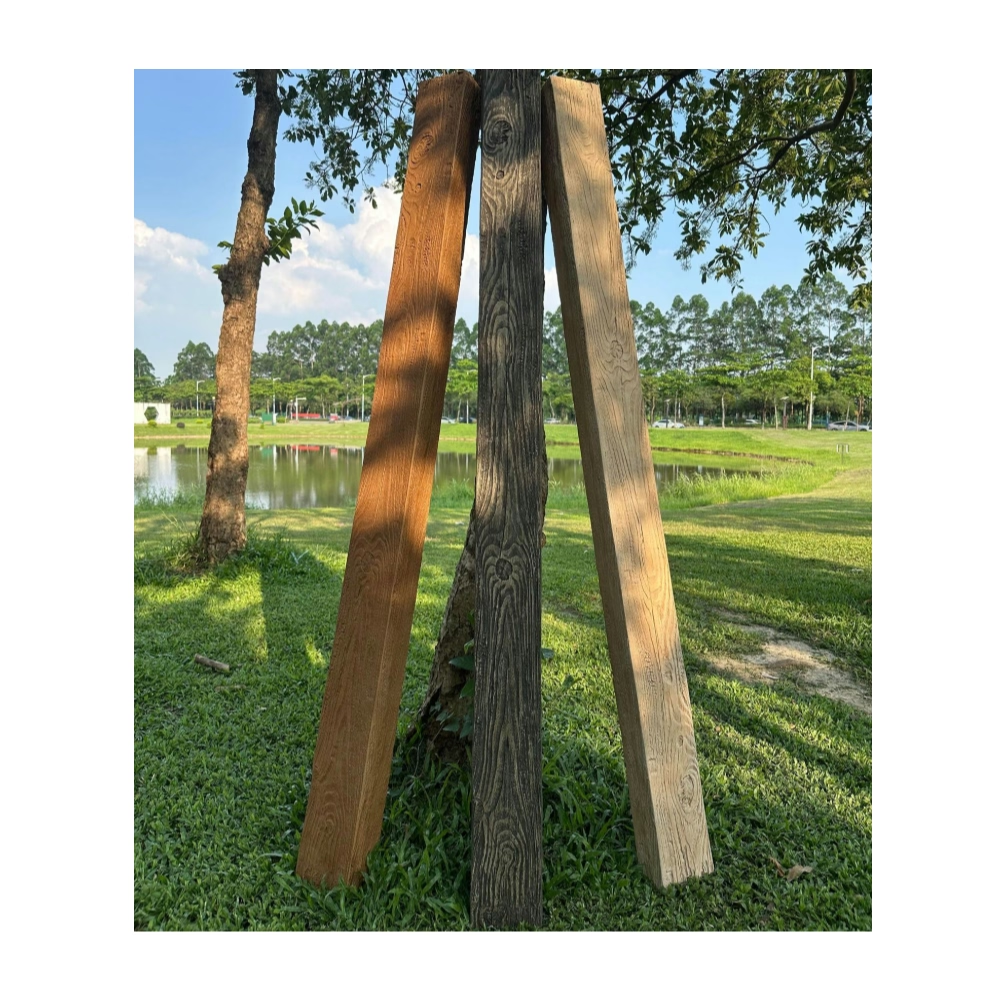
European interior design traditions developed over centuries in dialogue with local timber availability, climate conditions, and cultural preferences that each region expressed distinctively. These historical foundations continue influencing contemporary European residential design, creating contexts where timber and beam elements carry meanings that imported design approaches may not understand. Faux beam products serving European markets must acknowledge these traditions while meeting modern performance requirements.
The sustainable design movement has intensified European interest in timber construction and natural materials that polyurethane faux beams support through appearance and performance advantages. Environmental consciousness shapes material selection decisions in ways that previous generations did not experience, creating specification preferences that favor responsible material choices alongside aesthetic and performance considerations.
Nordic Scandinavian Influences
Scandinavian design has achieved global influence that extends well beyond Nordic countries into international residential design. The aesthetic vocabulary—light woods, minimal ornamentation, functional beauty, and craft quality—resonates with contemporary preferences that simplicity satisfies. Timber elements in Nordic interiors express these principles through pale wood tones, subtle grain visibility, and clean-lined applications that avoid decorative excess.
Swedish folk tradition—Småland, Swedish grace, and other regional variations—influences residential design through furniture, hardware, and architectural details that carry cultural meaning. These folk elements create warmer, more decorated alternatives to the international Scandinavian minimalism that often dominates design media. Timber beam treatments in folk-influenced interiors might incorporate painted details, carved elements, or decorative joinery that purely minimal approaches avoid.
Danish hygge culture emphasizes comfort and coziness that timber elements naturally support. The warmth that wood surfaces provide contributes to hygge atmospheres that cooler materials cannot create. Beam installations serving hygge-oriented interiors benefit from warmer finish tones, visible texture that invites touch, and proportions that suggest enveloping shelter rather than industrial minimalism.
Alpine and Central European Traditions
Alpine architecture developed distinct timber traditions responding to mountain climate, available materials, and agricultural lifestyles that shaped building requirements for centuries. Heavy timber framing, exposed beam ceilings, and balcony construction characterized authentic Alpine building, creating vocabulary that contemporary renovation often references. Polyurethane faux beams serving Alpine-influenced interiors should acknowledge this traditional vocabulary.
Bavarian and Austrian residential design incorporates timber elements through exposed beams, wooden wall paneling, and decorative ceiling treatments that regional identity celebrates. These traditional elements appear in both rural homes maintaining vernacular character and urban apartments pursuing Alpine-inspired aesthetics. Beam specifications for these applications benefit from understanding traditional proportions, textures, and finish treatments that authentic references establish.
Swiss modern architecture interprets timber traditions through contemporary lenses that achieve warmth without literal traditional reproduction. Clean-lined timber elements, innovative joinery details, and contemporary proportions create modern Alpine character that respects heritage while embracing current design values. Polyurethane beams serving Swiss modern interiors should balance these competing demands—traditional material in contemporary application.
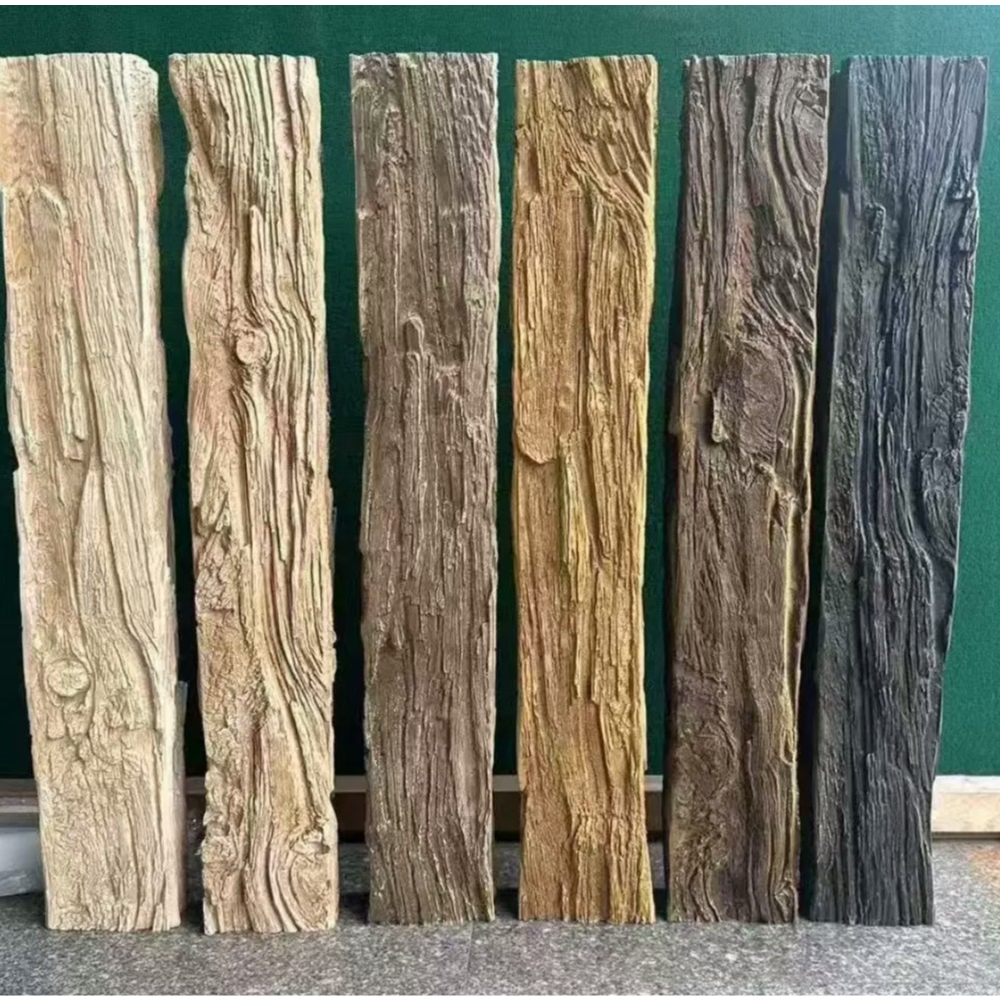
British and Celtic Woodworking Heritage
British residential architecture encompasses diverse traditions—from Tudor timber framing through Georgian refinement to Victorian elaboration—that each contribute to contemporary interpretations. The Arts and Crafts movement that William Morris and Charles Rennie Mackintosh championed created timber-using traditions that continue influencing British design. Understanding these historical contexts enables specification that resonates with design-literate British clients.
Celtic woodworking traditions influence design through knotwork, interlacing patterns, and carved details that add decorative dimension to timber surfaces. While polyurethane cannot replicate carved intricacy economically, design elements suggesting Celtic influence—simplified knot patterns, geometric interpretations, symbolic motifs—can reference traditions that literal reproduction would cost prohibitively.
British cottage design establishes intimate scale contexts where timber beams contribute cozy character rather than dramatic architectural statements. Small-scale beams in cottage interiors should complement diminutive room dimensions rather than overwhelming modest spaces. This proportion sensitivity distinguishes appropriate cottage beam specification from generic sizing that ignores spatial context.
Mediterranean and Southern European Approaches
Mediterranean climate shapes different timber traditions than northern European contexts produce. Lighter construction, different material availability, and diverse cultural influences create design vocabularies that generic European categorization obscures. Spanish, Italian, Greek, and Portuguese traditions each express timber-using aesthetics distinctively, requiring regional understanding rather than continental generalizations.
Italian terraced housing and apartment living creates beam application contexts different from northern European detached housing. Ceiling beams visible in Italian interiors often appear in converted agricultural buildings, palazzo renovations, and rural properties rather than urban apartments. These exposed ceiling applications reference agricultural heritage that urban construction abandoned, creating authentic Italian beam contexts that renovation serves.
Greek island architecture employs timber through different construction traditions—flat roofs, thick walls, whitewashed surfaces—that beams frame rather than dominate. Beam treatments in Cycladic-inspired interiors should complement white surfaces through restrained proportions and coordinated color relationships. These aesthetic requirements differ substantially from northern European contexts where timber surfaces might dominate color schemes.
Contemporary European Timber Innovation
European architectural innovation continues advancing timber construction possibilities through engineered wood products, sustainable forestry, and digital fabrication techniques. Mass timber construction—cross-laminated timber panels, glulam beams, and similar technologies—enables building scales previously requiring steel or concrete. These engineering advances influence residential design through commercial construction demonstration effects.
Environmental certification systems prevalent in European markets—FSC, PEFC, and national variations—shape timber specification expectations that non-certified alternatives cannot meet. While polyurethane faux beams sidestep these certification requirements as synthetic materials, the environmental consciousness they represent influences how manufactured products are received in environmentally-aware European markets.
The European Renovation Wave policy initiatives drive retrofit activity that creates demand for ceiling improvement products including beam installations. Energy performance upgrades, accessibility modifications, and aesthetic renovations all create opportunities where beam treatments add value. Understanding these policy drivers helps anticipate market demand evolution that affects product development priorities.
Market Considerations for European Distribution
European product standards—CE marking, country-specific requirements, and voluntary certification systems—create compliance obligations that global suppliers must address. Understanding which standards apply to specific products and markets enables compliance planning that prevents market access barriers. Professional European market participation requires investment in regulatory understanding that casual exporters may overlook.
Logistics for European distribution involve distance, customs procedures, and delivery complexity that domestic markets avoid. Polyurethane beam suppliers serving European customers benefit from inventory positioning, fulfillment partnerships, and pricing structures that accommodate these logistics realities. The landed cost calculations that European pricing requires differ substantially from domestic market pricing approaches.
Local language support, currency accommodation, and cultural understanding affect European market success that product quality alone cannot guarantee. Suppliers who invest in European market development through language capability, regional understanding, and responsive service build relationships that transactional competitors cannot maintain. This relationship investment generates returns through repeat business and referrals that characterize successful international market participation.

The rich diversity of European timber design traditions creates specification contexts that generic product approaches cannot adequately serve. Understanding Nordic simplicity, Alpine heritage, British craft traditions, and Mediterranean vernacular requires cultural knowledge that extends beyond product catalog familiarity. Specification professionals serving European markets invest in this cultural understanding as prerequisite to successful project outcomes.
The environmental consciousness shaping European material preferences influences reception of manufactured products like polyurethane faux beams. While these products offer sustainability advantages through durability and reduced maintenance, communicating these benefits requires understanding how European audiences process environmental claims. Honest sustainability communication that acknowledges manufacturing impacts while highlighting lifecycle advantages resonates better than unsupported green marketing.
European market participation rewards long-term relationship investment over transactional sales approaches. The cultural proximity that European countries share despite national differences creates shared expectations about quality, service, and business conduct that international suppliers must meet. Those who invest in meeting these expectations establish market positions that price-focused competition cannot displace.

Technical References
ASTM standards cited in every specification
Test Data
Lab results from internal testing program
Updated 2026
Reviewed against current product specs