When Sarah and Michael bought their 1990s colonial in the suburbs, the kitchen had the classic problem of so many homes from that era: a large open-concept space that felt neither cozy nor grand, just expansive in a way that emphasized the absence of architectural personality. The ceilings were ten feet high, which should have felt impressive, but without any visual break or detail, the height just made the room feel like a big box. Adding character seemed obvious. The challenge was that every contractor they consulted about exposed timber beams quoted them numbers that made the renovation feel impossible.
The solution arrived through a recommendation from a neighbor who had used polyurethane faux beams in her own home. At roughly one-fifth the installed cost of real timber beams, and with none of the structural engineering requirements, the project suddenly fit within the renovation budget they had allocated for the kitchen and adjacent dining area.
The practical appeal of polyurethane beams for homeowners centers on a few interconnected realities. First, real timber beams are heavy. A structural beam in a residential ceiling must meet building codes, which means real dimensional lumber or engineered wood products with specific load-bearing capacity. Even decorative timber beams often require additional blocking, support calculations, or engineering sign-offs that add thousands of dollars to a project and sometimes require permits. Polyurethane beams, labeled and marketed as decorative elements, sidestep all of that complexity.

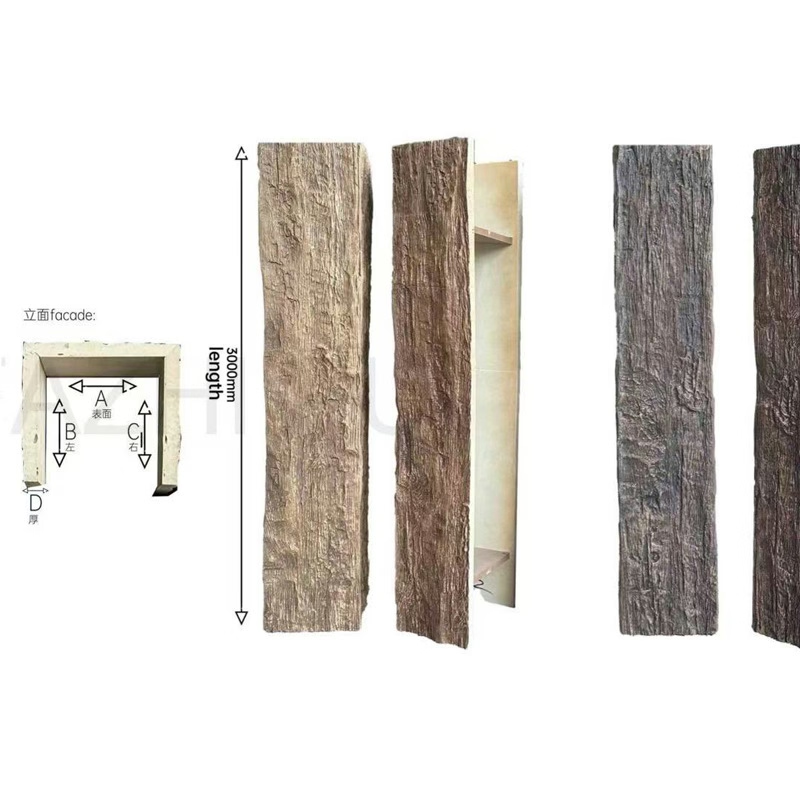
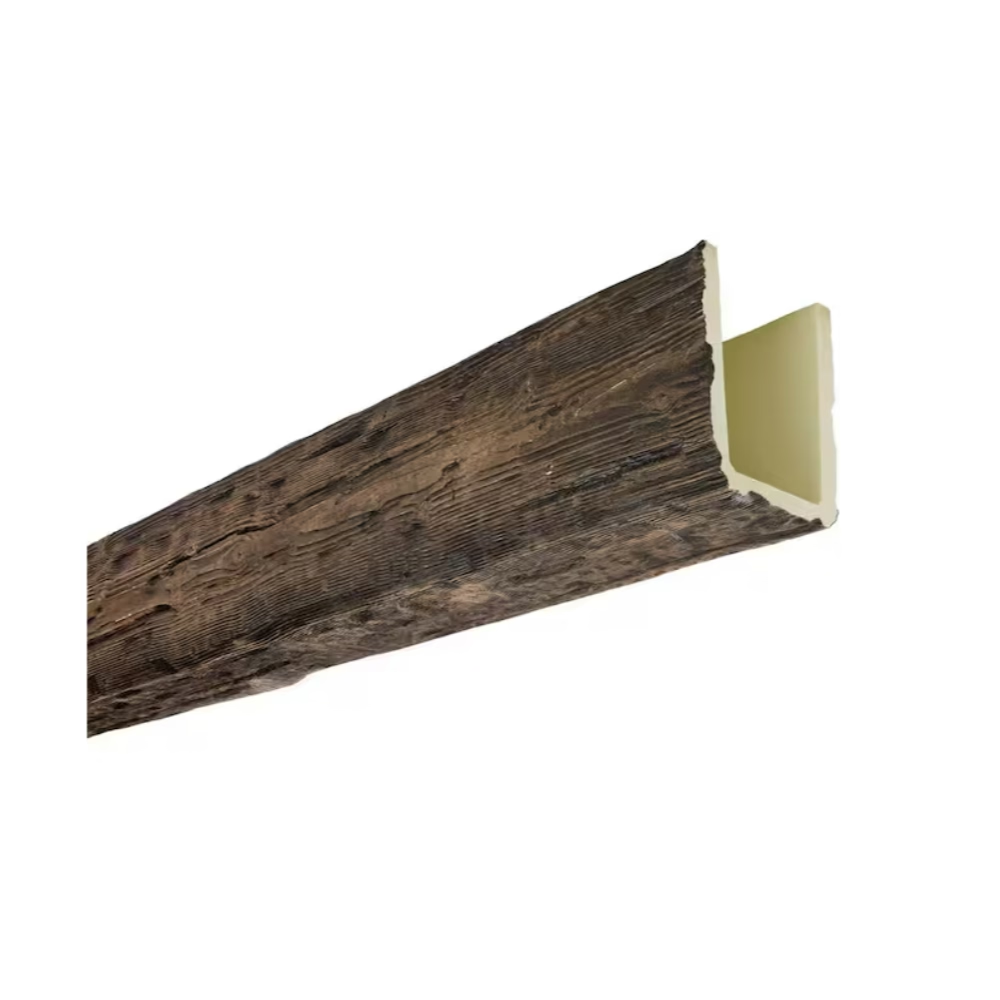
For the kitchen project, the homeowner decided on a classic cross-beam configuration—two beams running perpendicular to the ceiling joists, positioned to create a visual division between the cooking area and the dining space. The beams would sit proud of the ceiling surface by approximately four inches, adding genuine depth and dimension rather than appearing merely painted on. With the eight-inch-by-eight-inch hollow profile, the visual presence was substantial while the actual weight meant no special structural provisions were needed.
The installation took two days, which included careful measurement, cutting the beams to length with a standard miter saw, and fitting the end caps and corner joints. The homeowners handled the work themselves after watching a few installation videos and reading the manufacturer guidelines. They report that the trickiest part was matching the stain color between the beam ends and the factory-finished surfaces—something they resolved by ordering custom color-matched finishing kits from the same supplier.
Beyond kitchen applications, homeowners across the country are discovering polyurethane beams in contexts ranging from bedroom ceiling details to basement refinishing projects. The basement application deserves particular attention because it highlights an advantage that real timber simply cannot offer: resistance to moisture and humidity. A real timber beam in a basement can warp, cup, or develop mold in response to moisture exposure. Polyurethane absorbs no water, resists mold growth, and maintains its dimensions regardless of basement humidity levels.

The fireplace mantel represents another extremely popular application that blurs the line between architectural element and furniture piece. Homeowners building custom fireplace surrounds discover that using full-length faux beams as the mantel shelf provides the substantial presence of aged timber without the cost of a dense hardwood that could support real objects. The hollow beam construction typically offers sufficient strength for mantel applications when properly mounted, though manufacturer guidelines should always specify weight limits for shelf use.
Outdoor applications also merit consideration, particularly for covered porches, patios, and pool enclosures. UV-resistant finish options handle direct sunlight exposure without the bleaching or weathering that would degrade real wood within a few seasons. The material handles temperature fluctuations without splitting or checking. For vacation homes in climates with harsh winters or coastal properties exposed to salt air, polyurethane beams deliver the aesthetic of timber without the maintenance demands.
For any homeowner considering this type of project, the practical path forward starts with three measurements: the room dimensions, the desired beam size, and the available budget. Matching these three factors usually points clearly toward the appropriate beam profile and finish. Then, visiting a showroom or requesting samples to see and touch the actual materials before committing ensures the final result matches expectations. The combination of affordability, ease of installation, and design flexibility makes polyurethane faux beams one of the most accessible architectural upgrades available to today's homeowners.
Technical References
ASTM standards cited in every specification
Test Data
Lab results from internal testing program
Updated 2026
Reviewed against current product specs