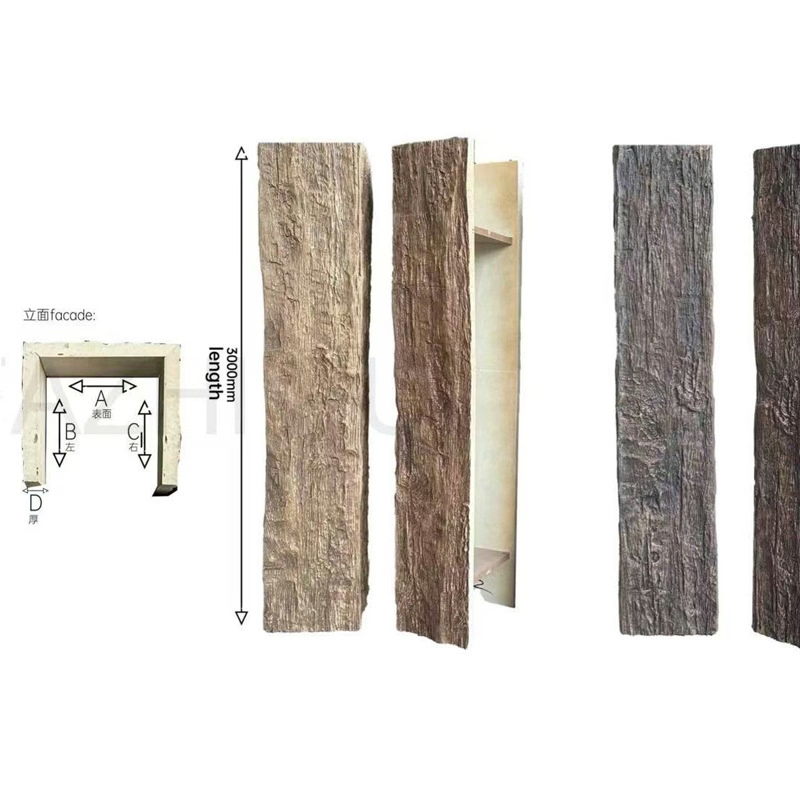
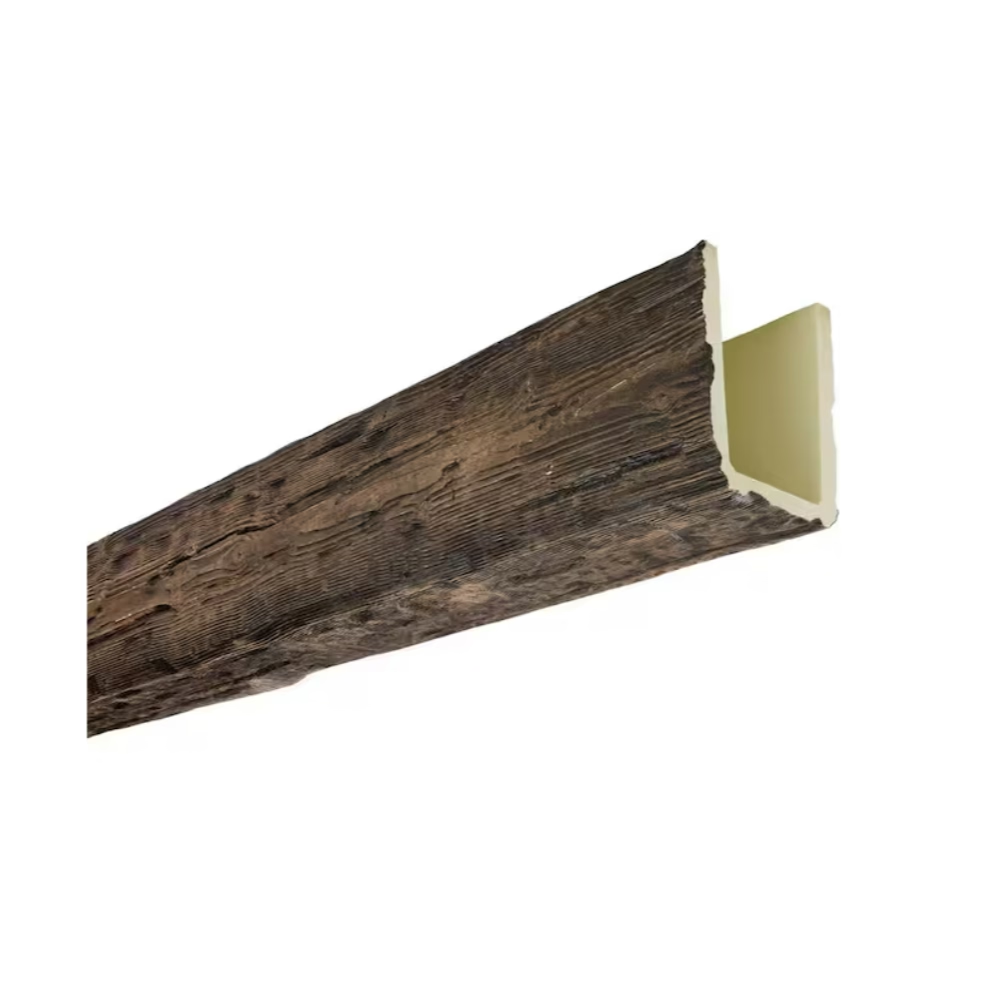
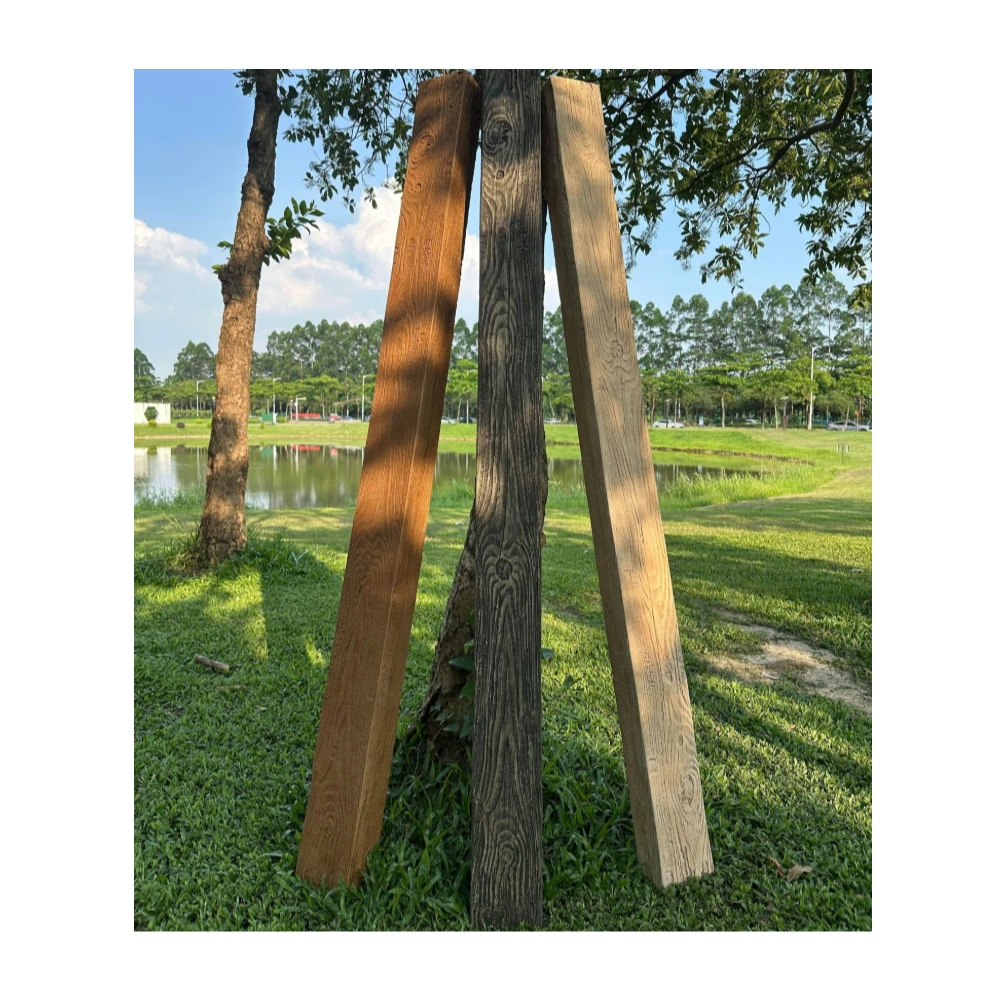
Vancouver's residential architecture reflects its Pacific Northwest setting: emphasis on natural materials, connection to the surrounding landscape, and interiors that balance contemporary design with organic warmth. The city's design community has consistently championed wood as an essential material, using it to introduce warmth and texture that prevent modern interiors from feeling sterile or disconnected from the forested environment beyond city limits. This design culture creates natural opportunities for ceiling beams—architectural elements that bring wood's character to prominent positions in Vancouver homes.
The practical realities of Vancouver's climate have historically complicated ceiling beam installations. The city's famous rain, combined with heating systems that create interior humidity variations, produces conditions that challenge traditional timber products. Premium fake PU ceiling beams constructed from polyurethane have emerged as solutions that honor Vancouver's wood aesthetic tradition while addressing the practical climate challenges that make genuine timber problematic.
Understanding Vancouver's Climate Challenges
Vancouver experiences a temperate rainforest climate characterized by mild temperatures, abundant rainfall, and humidity levels that remain elevated throughout much of the year. While this climate supports the region's famous natural beauty, it creates specific challenges for building materials that require careful consideration during renovation planning.
Moisture exposure affects timber in multiple ways. Genuine wood absorbs atmospheric moisture, causing dimensional changes that stress joints and fasteners over time. The seasonal cycle of absorption and release creates movement that gradually works loose connections, creates gaps in joints, and can crack adjacent finishes. In Vancouver's climate, this cycle repeats throughout the year, with the most pronounced changes occurring during the transition between heating season and the wetter periods.
Rainwater exposure creates additional concerns for homes in Vancouver's hillside neighborhoods or in areas exposed to wind-driven rain. Any leak in a roof or building envelope that contacts timber beams creates conditions for rot, mold, and structural degradation. While properly sealed and maintained timber can tolerate occasional exposure, the consequences of failure—invasive remediation, structural repair, potential damage to contents—create risks that renovation planning should address.
Interior humidity variations compound exterior exposure concerns. Vancouver homes heated during winter experience humidity levels that drop significantly below exterior levels, creating moisture gradients that drive timber movement. The drying that occurs during heating season creates stresses that timber has evolved to tolerate but that nonetheless contribute to long-term degradation.
Polyurethane faux beams eliminate these climate-related concerns entirely. The material absorbs no moisture, supports no biological growth, and maintains dimensional stability regardless of humidity conditions. An installation in Vancouver performs identically to one in Arizona or Florida—there's no adaptation to local climate required and no ongoing maintenance to address climate effects.
Design Contexts for Vancouver Homes
Vancouver's residential architecture spans multiple design traditions, each creating different contexts for ceiling beam installation. Understanding these contexts helps homeowners and designers select beams that enhance rather than conflict with existing architecture.
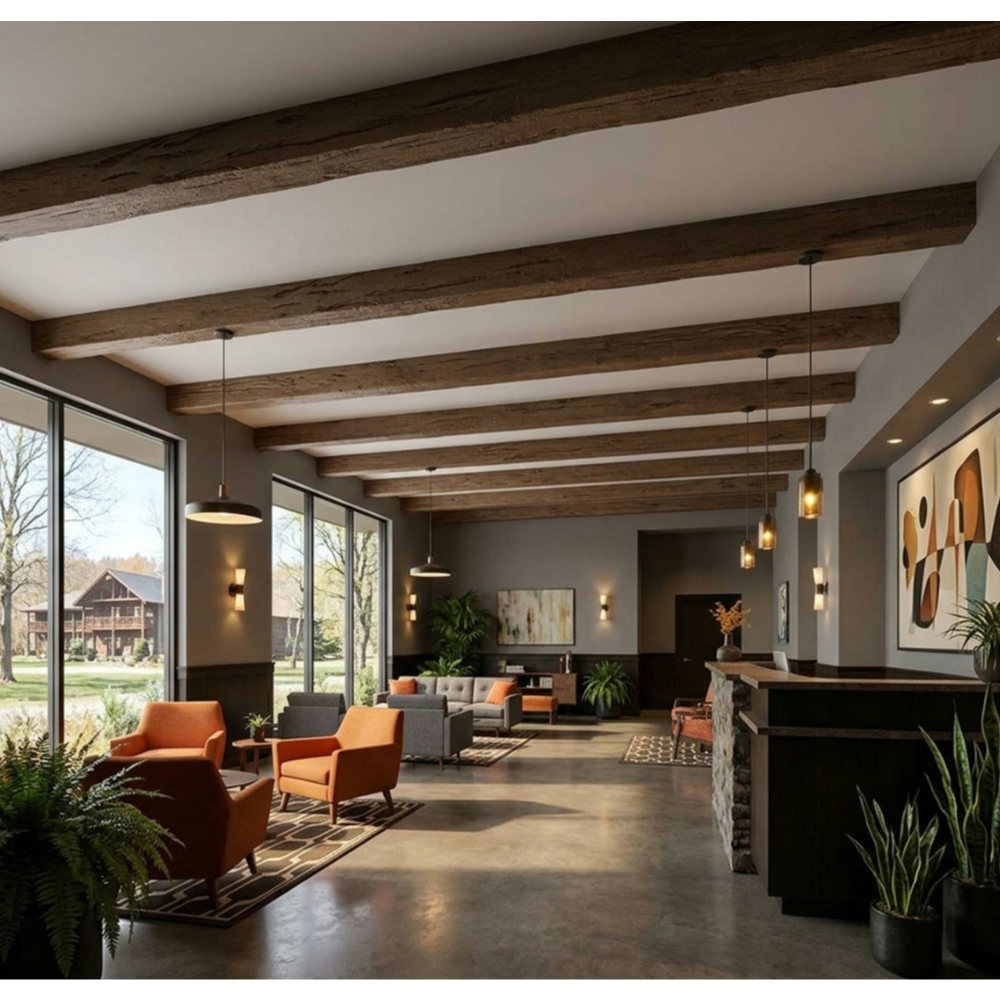
West Coast modern architecture provides particularly compelling opportunities for ceiling beams. This style—characterized by clean lines, generous glazing, and integration with natural surroundings—often incorporates wood as a counterbalance to the industrial materials and extensive glass that define the aesthetic. Faux beams in warm wood tones introduce the organic warmth that prevents these spaces from feeling cold despite their contemporary character.
The craftsman and mid-century heritage that Vancouver preserves in neighborhoods like Shaughnessy and Kerrisdale creates different opportunities. Homes from these periods often feature original beam elements—either genuine timber or modern reproductions of traditional profiles. Adding matching or complementary beams in these contexts requires attention to period-appropriate profiles and finishes that honor the architectural heritage without mimicking original construction too precisely.
Contemporary suburban homes throughout Metro Vancouver frequently feature open floor plans and generous ceiling heights that benefit from architectural detail. Ceiling beams in these contexts serve as design anchors that organize space and introduce visual interest without the extensive millwork that traditional construction employed. The beams provide the character that simpler construction methods sacrifice.
The city's significant Asian-Canadian population has introduced design influences that blend contemporary minimalism with traditional Japanese aesthetics. In these contexts, ceiling beams might appear as refined, understated elements rather than the prominent architectural features common in Western traditions. Polyurethane beams adapt to these subtler applications, where profile selection and placement create restrained effects that sophisticated observers will appreciate.
The Renovation Advantage
Home renovation in Vancouver presents specific opportunities for faux beam installation. The renovation context—work occurring in already-finished spaces, often with occupants continuing to live in the home—creates advantages for lightweight, quick-installing polyurethane products.
Minimal structural assessment is required for polyurethane beam installation. The lightweight nature of these products means that ceiling structures designed for standard ceiling loads can typically accommodate faux beams without modification. This simplicity contrasts with genuine timber, where structural engineering assessment is often required before installation can proceed. The eliminated assessment saves both time and money.
Clean installation processes suit occupied homes better than the alternatives. Faux beam installation generates minimal dust and debris compared to traditional construction. There's no heavy cutting requiring dust barriers, no sanding that spreads fine particles throughout a home, no finishing work that releases volatile compounds into living spaces. Families can often remain in their homes during installation with minimal disruption.
Speed of installation reduces the renovation period's impact on household routines. A project that might extend over multiple days with traditional timber—due to structural work, finishing time, and drying periods—completes in a single day with polyurethane beams. This speed proves particularly valuable for families with children, for occupied investment properties, and for renovations with tight completion deadlines.
No finishing work means no extended disruption. Traditional timber beam installation typically requires several days for staining, sealing, and finishing work to complete properly. During this period, the space may be unusable or require careful precautions. Pre-finished faux beams eliminate this waiting entirely—the installation is complete when the last beam is secured.
Selecting Appropriate Styles
Vancouver's design diversity creates opportunities for various faux beam styles, but thoughtful selection ensures that chosen products enhance rather than conflict with existing architecture.
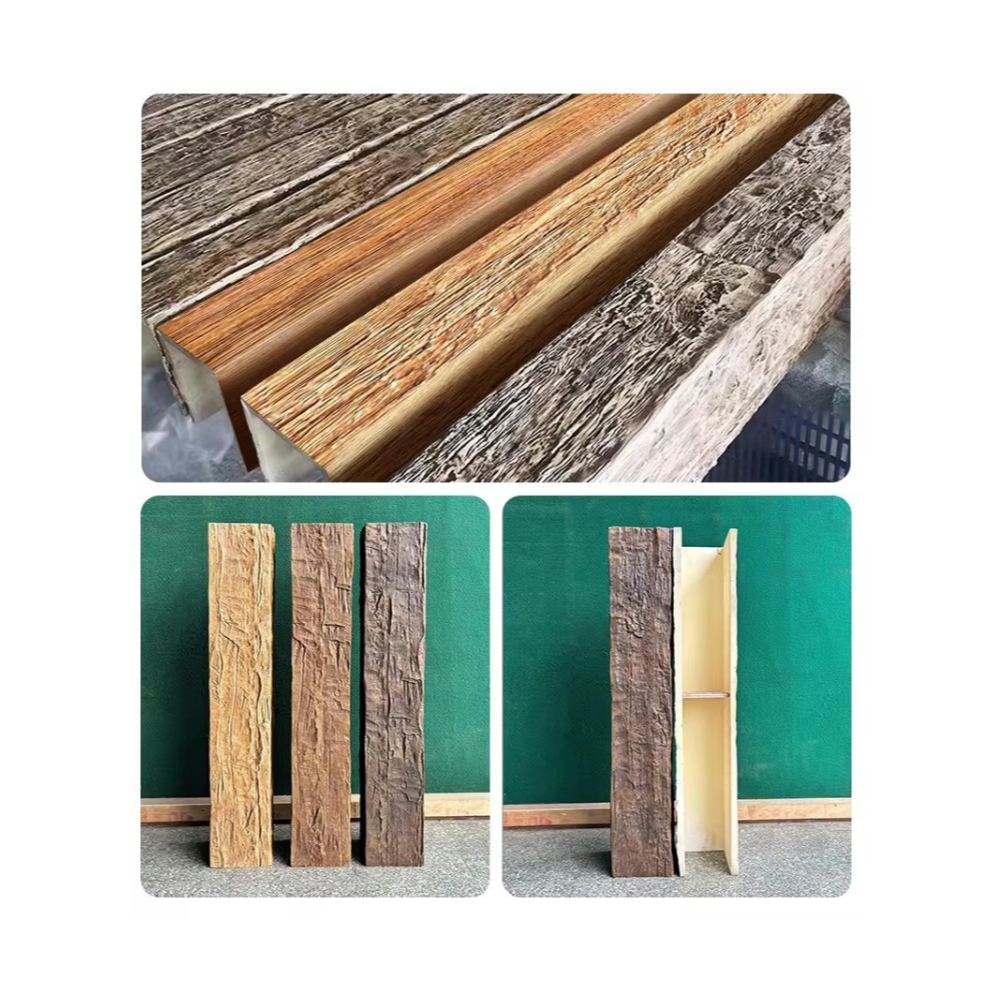
Profile selection should respond to the home's architectural character. Contemporary homes benefit from clean, refined profiles that maintain modern aesthetics. Traditional or heritage homes may accommodate more ornate profiles that reference historical building practices. Matching profile character to architectural context creates installations that appear intentional rather than arbitrary.
Finish color selection affects how beams relate to other wood elements in the home. Vancouver interiors frequently feature wood floors, wood furniture, and wood accents throughout. Selecting beam finishes that coordinate with existing elements creates visual continuity, while dramatically contrasting finishes may create disjointed effects that undermine design coherence.
Texture depth contributes to perceived authenticity. Contemporary interiors may benefit from smoother textures that suggest modern timber processing, while traditional interiors might accommodate more pronounced grain patterns and character marks. The texture should align with the overall design approach rather than introducing unexpected elements.
Scale relationships matter for convincing appearance. Beams that are too small for their context read as decorative trim rather than architectural elements. Proportional selection considers ceiling height, room dimensions, and the visual weight of surrounding elements to ensure that installed beams create appropriate impact.
Vancouver's climate creates practical renovation challenges that premium fake PU ceiling beams address directly. The combination of authentic wood appearance, climate resistance, clean installation, and design versatility makes these products particularly well-suited to the Pacific Northwest context. Vancouver homeowners discovering these options are finding accessible paths to ceiling transformation that were simply impractical with traditional timber alternatives.
Technical References
ASTM standards cited in every specification
Test Data
Lab results from internal testing program
Updated 2026
Reviewed against current product specs