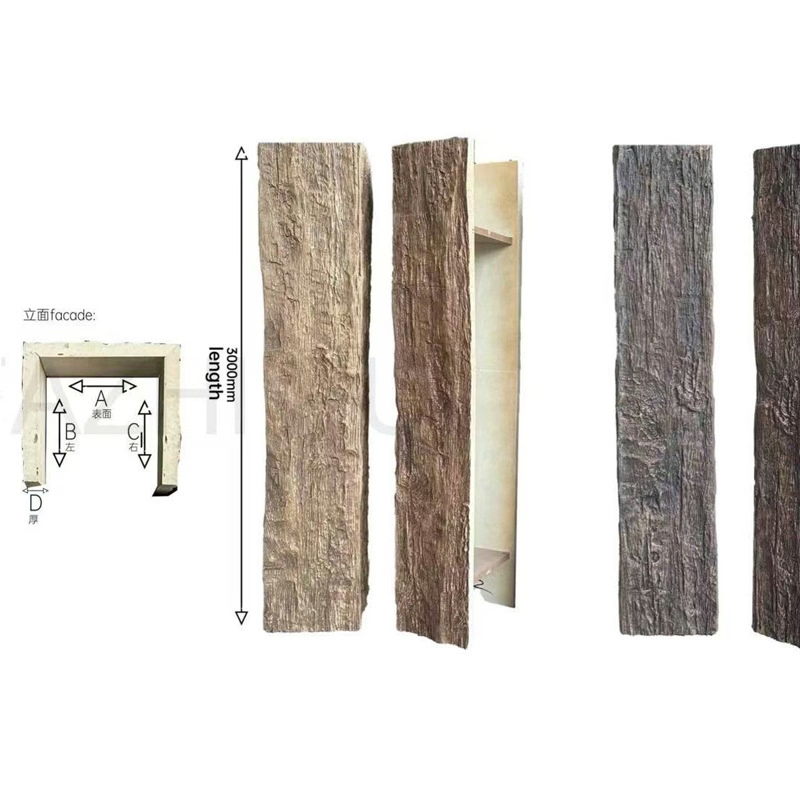
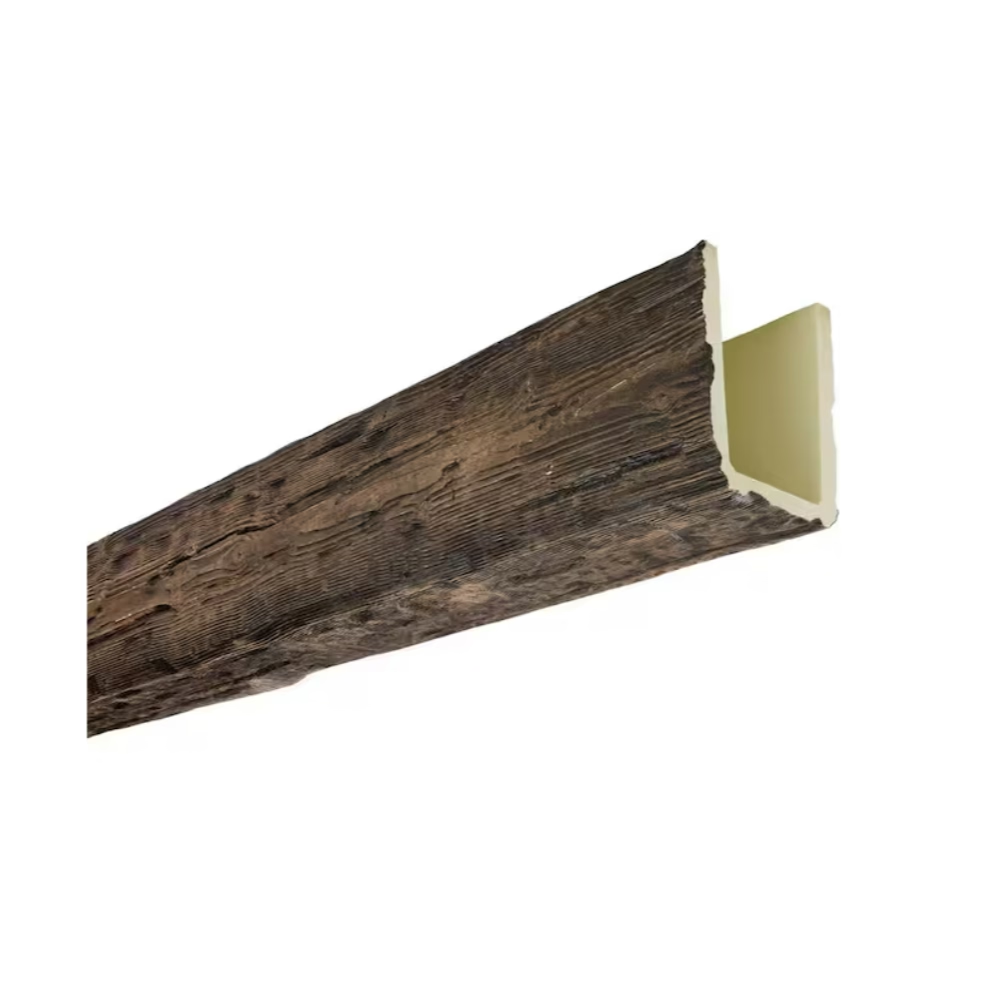
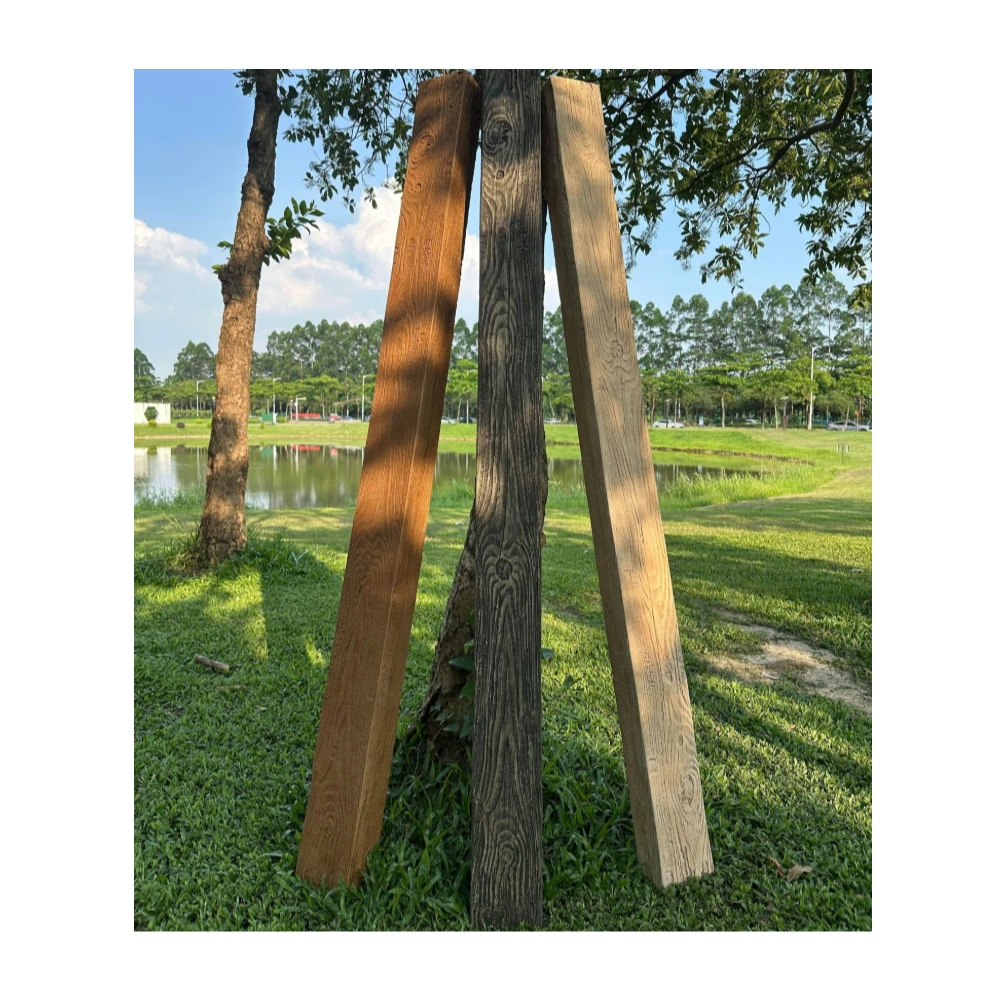
The residential construction market has evolved significantly over recent decades, with homeowners increasingly expecting features and finishes that previously appeared only in custom or luxury homes. Features like open floor plans, high ceilings, and architectural details that were once special request upgrades have become expected standards in many markets. This elevation of expectations creates both opportunity and pressure for residential contractors: opportunity to differentiate through quality and features, pressure to deliver these expectations within competitive price constraints. Premium faux wood beams address this environment effectively, providing architectural enhancement that meets buyer expectations while respecting the cost parameters that residential construction requires.
Differentiation in residential construction increasingly depends on features that distinguish builder offerings from competitor products. When multiple builders offer similar floor plans in similar communities, the decision between them often hinges on quality perception and included features. Faux wood beams provide a visible upgrade that buyers recognize and appreciate, creating differentiation that influences purchase decisions. Unlike features that only functionaries behind walls, beam installations create immediate visual impact that shapes buyer impressions from the first walk-through. This visible quality contribution makes faux beams an effective marketing element as well as a construction component.

Volume production considerations distinguish residential construction from custom building, requiring materials that can be specified consistently across multiple units while accommodating the inevitable variations between individual homes. Premium faux wood beams support volume production through dimensional consistency that simplifies specification and installation. Each beam matches specifications precisely, eliminating the fitting challenges that natural materials present when dimensions vary from nominal. Finish consistency across production batches ensures that replacement pieces match original installations if ever needed. This production-friendly character makes faux beams suitable for production builder programs where consistency and predictability matter more than the unique characteristics that natural materials provide.
The warranty and liability environment in residential construction requires careful attention to material performance and manufacturer support. When contractors provide warranties to homeowners covering structural and finish elements, they bear risk for any failures that occur during the warranty period. Materials that fail or deteriorate create claims that damage contractor profitability and reputation. Premium faux wood beams carry warranties that transfer performance risk to the manufacturer, protecting contractors from the financial impact of product failures. This warranty coverage, combined with the demonstrated durability of polyurethane construction, makes faux beams a low-risk specification that contractors can confidently include in their standard offerings.
Client satisfaction in residential construction depends on delivering expectations that were established during the sales and design process. When homeowners select a beam finish and configuration during design, they expect the completed installation to match their expectations. Any deviation, whether in appearance, quality, or execution, creates disappointment that may manifest as complaints, negative reviews, or legal claims. Faux wood beams support expectation fulfillment through consistent quality that reliably matches specifications. The dimensional accuracy and finish consistency of manufactured products ensure that what is specified is what is delivered, supporting the alignment between expectation and experience that drives client satisfaction.
Design flexibility becomes increasingly important as residential buyers seek homes that express their individual tastes rather than conforming to generic templates. Faux wood beams accommodate this desire for customization through the range of profiles, finishes, and configurations available from premium manufacturers. Buyers who want clean, contemporary lines can select minimal beam profiles with smooth finishes. Those who prefer traditional aesthetics can choose rustic profiles with weathered textures. The variety available ensures that buyer preferences across the market spectrum can be satisfied without requiring the custom fabrication that authentic timber might necessitate. This customization capability expands the market for beam features while maintaining the efficiency that production-oriented builders require.
Construction scheduling in residential projects requires materials that arrive when needed and install efficiently without creating delays for subsequent trades. Premium faux beam manufacturers understand these scheduling requirements and support them through reliable production and shipping capabilities. Lead times are predictable, allowing accurate material scheduling that keeps projects on track. The installation process proceeds quickly given the lightweight handling and adhesive attachment methods, creating minimal disruption to subsequent finishing work. This scheduling reliability supports the tight timelines that residential construction involves, particularly in markets where carrying costs create pressure to complete homes as quickly as possible.
The investment in faux wood beams for residential projects represents excellent value when evaluated against the benefits they provide. Buyer appeal translates into faster sales and potentially higher prices, recovering the beam investment through improved market performance. Contractor differentiation from competitors supports premium positioning that enables margin maintenance in competitive markets. The reliability of manufactured quality reduces callbacks and warranty claims that otherwise erode contractor profitability. These combined benefits make faux beams a sound investment that residential contractors increasingly recognize as essential elements of their standard offerings.
Technical References
ASTM standards cited in every specification
Test Data
Lab results from internal testing program
Updated 2026
Reviewed against current product specs