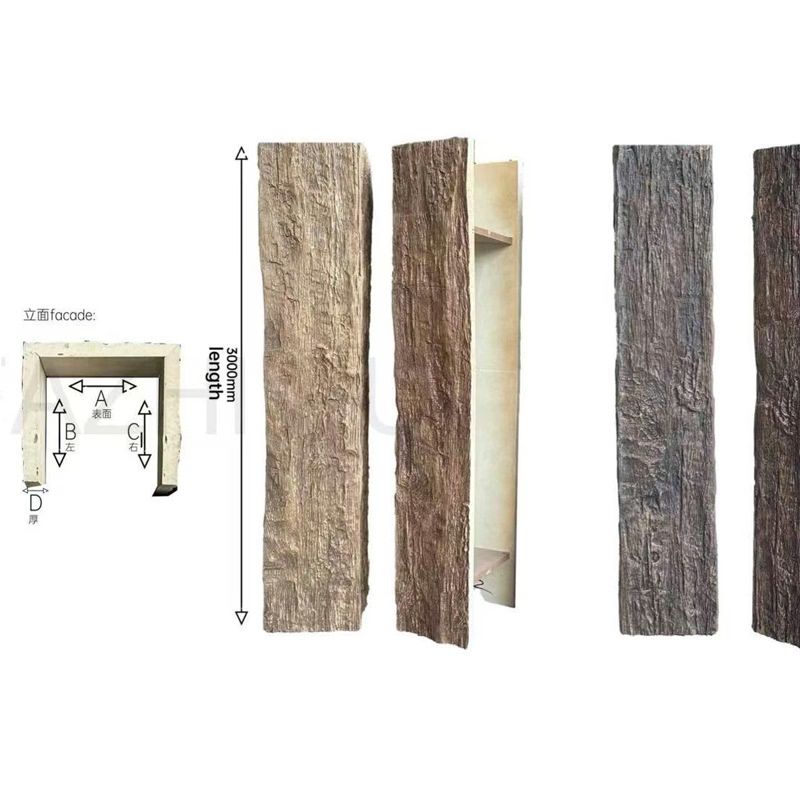
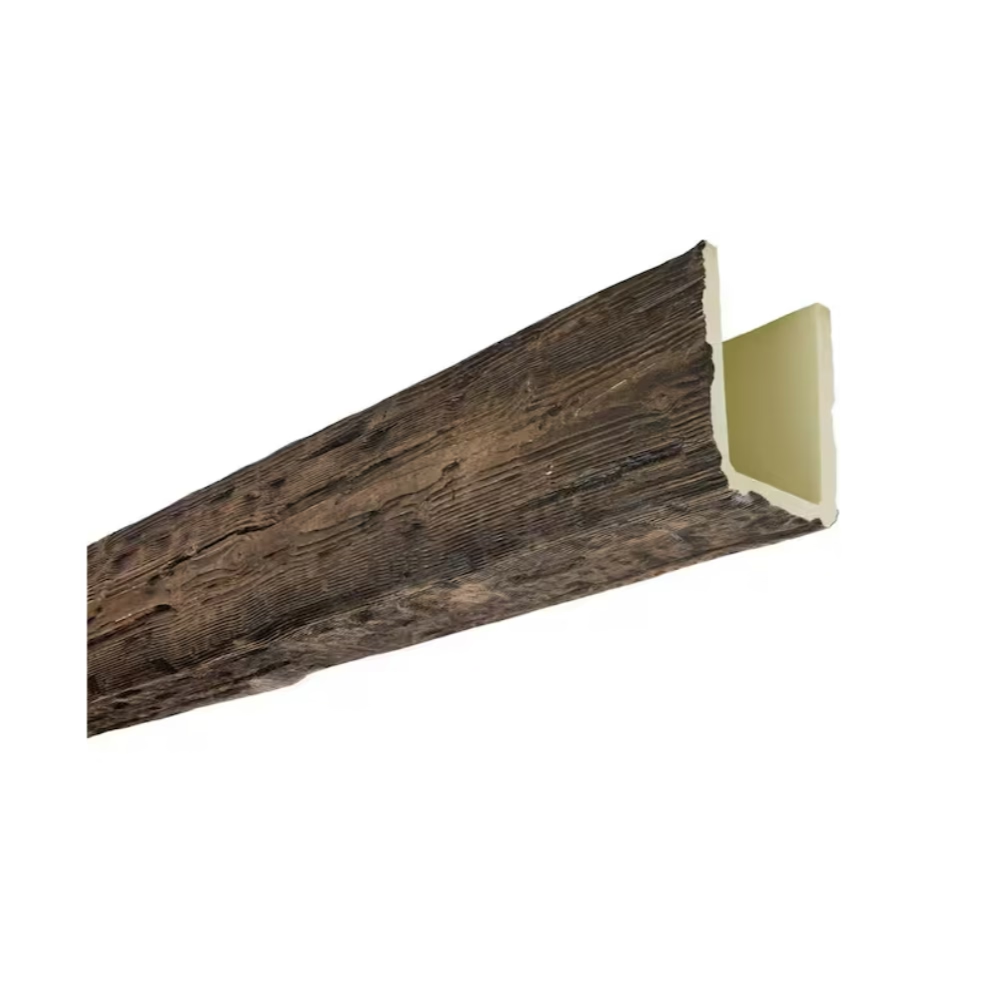
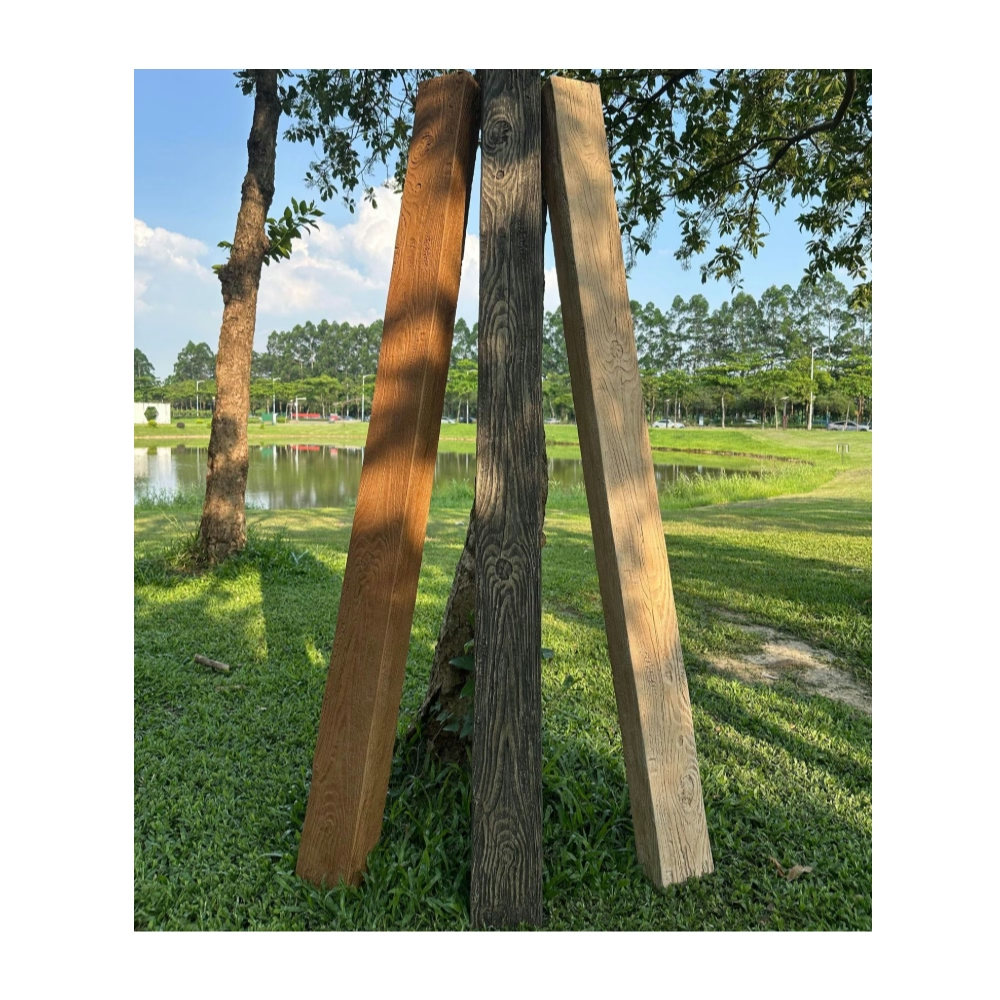
Every homeowner eventually reaches the same crossroads. The living room feels flat, the kitchen lacks character, and the hallway ceiling seems to swallow light rather than reflect it. Paint helps. New furniture helps. But something fundamental is missing — a layer of depth, warmth, and architectural personality that turns a house into a home.
This is precisely the gap that polyurethane faux wood beams were designed to fill. Unlike their solid timber counterparts, these man-made architectural elements arrive ready to install, weighing a fraction of what real wood demands while delivering a visual impact that homeowners and interior designers consistently rank among the most transformative renovations available.
Why Authentic Timber Often Falls Short for Renovation Projects
Solid wood beams carry a romantic appeal that is difficult to replicate. The grain patterns, the natural imperfections, the sheer heft of real timber — these qualities evoke farmhouse kitchens, lodge-style living rooms, and heritage buildings with centuries of settled character. Yet for the majority of renovation scenarios, authentic timber presents obstacles that many homeowners discover only after committing to the project.
The weight of structural-grade timber requires proper load calculations. A solid Douglas fir beam measuring 200mm by 300mm can easily weigh 30 kilograms per linear metre. Install that across a span of four metres and you are asking your ceiling structure to bear over 120 kilograms of dead load — before accounting for fixings, plasterwork, or any additional finishes. Older properties, in particular, often lack the ceiling joist strength to accommodate genuine heavy beams without significant structural reinforcement.
Moisture presents another challenge that catches many homeowners off guard. Natural wood expands and contracts with seasonal humidity changes, developing splits, checks, and warps over time. In coastal regions or homes without climate control, these movements can crack adjacent plasterwork and compromise the visual appearance that made real timber so appealing in the first place. Treating and sealing natural wood adds both cost and ongoing maintenance commitments.
Cost compounds these practical concerns. Premium hardwood beams can retail for several hundred pounds per linear metre, and that price tag excludes the specialized lifting equipment and skilled labour often needed for installation. A modest three-metre span in quality oak could easily consume a five-figure budget when material costs, delivery, and fitting are tallied together.
The PU Faux Beam Advantage for Modern Renovation
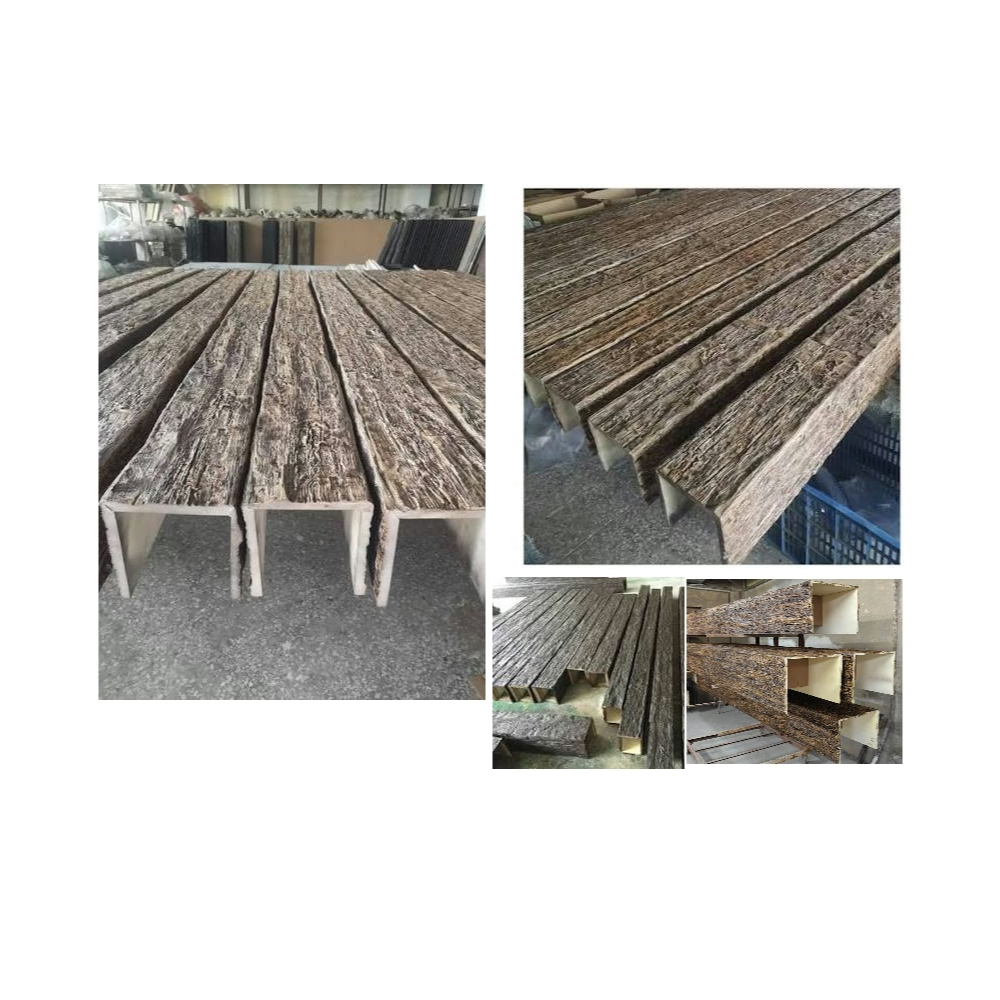
Polyurethane faux beams resolve each of these limitations through intelligent material engineering. The polyurethane core provides structural rigidity and screw-holding capacity while remaining light enough for a single person to handle during installation. A standard 3-metre beam typically weighs between 8 and 15 kilograms depending on profile — comparable to a filled rucksack rather than a pallet of timber.
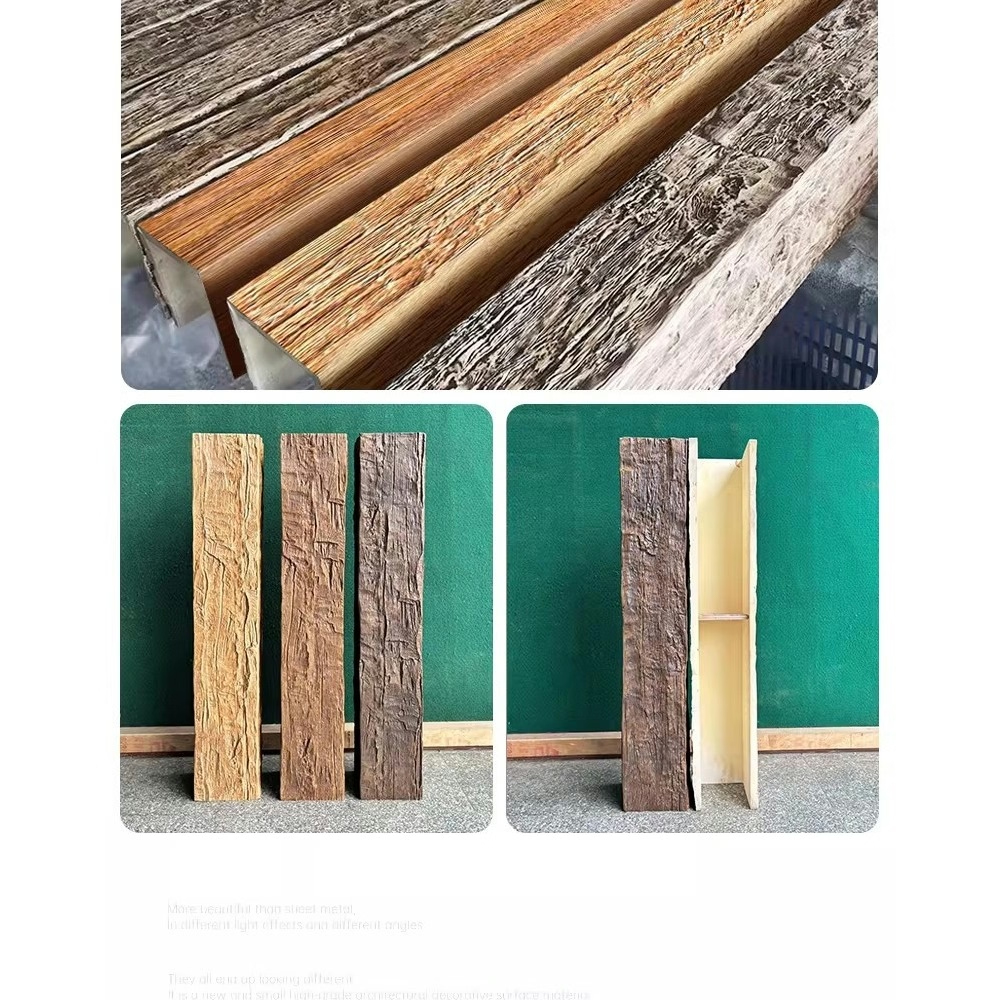
The moulded surface replicates the look of hand-hewn or sawmill-finished wood with remarkable fidelity. Manufacturers use high-quality silicone moulds taken from genuine timber samples, capturing knot patterns, grain textures, and surface irregularity that read as authentic at normal viewing distances. Whether the desired aesthetic is rough-sawn barn wood or smooth-edged contemporary plank beams, the range of available profiles covers virtually every design preference.
From a thermal perspective, polyurethane performs consistently across extreme temperature ranges without splitting or deforming. This stability makes PU beams equally suitable for vacation properties that experience seasonal temperature swings and climate-controlled urban apartments that maintain steady interior conditions. The material does not absorb moisture, which eliminates the swelling, rot risk, and insect attraction that plague natural wood in damp environments.
Integrating Faux Beams Throughout the Home
The ceiling remains the most obvious application, and for good reason. Exposed beams across a ceiling create immediate visual architecture, defining the scale of a room and establishing a design language that subsequent decisions can echo or contrast. A vaulted ceiling gains structure from beams running perpendicular to the ridge, while a flat ceiling transforms through the addition of cross beams that create geometric interest overhead.
Yet the application extends well beyond overhead installations. Kitchen islands and breakfast bars frequently incorporate faux beam overhangs to evoke the feeling of a farmhouse table beneath exposed rafters. Window openings framed with timber-look headers and side jambs introduce cottage-style charm without structural modifications. Bathroom vanities wrapped in faux beam detailing connect the warmth of natural materials with the practical demands of a wet environment where real wood would deteriorate rapidly.
Bedroom headboard installations represent an emerging trend that showcases the material's versatility. Rather than purchasing a manufactured bed frame, homeowners commission bespoke faux beam headboard panels that span the full width of the bed and rise to comfortable reading heights. The visual weight of timber above the sleeping area creates a cocooning effect that many designers describe as the single most impactful bedroom investment available.
Calculating Return on Investment
Home valuation experts consistently identify architectural character as a premium attribute in residential properties. While faux beams do not carry the same heritage cachet as genuine antique timber, the visual improvement they deliver translates into tangible market positioning benefits. Properties featuring well-executed beam installations frequently attract greater buyer interest and achieve stronger sale prices relative to comparable unrenovated homes.
The cost-to-impact ratio heavily favours polyurethane alternatives. For the price of a single solid hardwood beam installation, homeowners can equip multiple rooms with coordinated faux beam schemes that deliver cohesive visual results across the property. Budget allocation becomes a matter of design strategy rather than structural compromise.
Contractors and interior designers working on renovation projects appreciate the predictability that faux beams provide. Unlike natural timber, which may arrive with unexpected grain patterns, surface variations, or dimensional inconsistencies, polyurethane products arrive to specification. Project timelines remain intact, and client expectations can be managed with confidence based on manufacturer samples and installation photography.

Design Trends Shaping Faux Beam Applications
Contemporary interior design has moved decisively away from strictly themed spaces toward layered, material-rich environments where different wood finishes coexist comfortably. This shift has expanded the role of faux beams from single-purpose ceiling elements to flexible design tools that coordinate with flooring, furniture, cabinetry, and decorative accessories.
Whitewashed and grey-toned faux beams have gained significant market share as neutral design palettes dominate residential construction and renovation. These lighter finishes maintain the dimensional interest of exposed timber while complementing the grey oak, white oak, and washed linen colours that populate current kitchen and living room trends. The result is a sophisticated, airy aesthetic that reads as both modern and timeless.
At the opposite end of the spectrum, ultra-dark stained faux beams deliver dramatic contrast in contemporary lofts and industrial-influenced interiors. Deep espresso, carbon, and ebony finishes on beams installed against white or light grey ceilings create the kind of bold visual statement that defines signature spaces. The intensity of these dark finishes would be prohibitively expensive in real timber but remains accessible at polyurethane price points.
Texture has become as important as colour in current design thinking. The finest faux beam manufacturers now offer multiple surface finishes — from wire-brushed textures that expose deeper grain patterns to hand-scraped surfaces that suggest decades of settled wear. These textural variations allow designers to specify beams that match existing timber furniture, reclaimed wood flooring, or antique architectural elements already present in the space.
Making the Selection for Your Project
Approaching a faux beam purchase with a clear design vision significantly improves outcomes. Before browsing product catalogues, establish the intended mood — rustic and farmhouse, sleek and contemporary, coastal and relaxed, or industrial and edgy. Each aesthetic direction favours particular profiles, finishes, and installation configurations.
Consider the scale of the space carefully. A grand entrance hall with 4-metre ceiling heights can accommodate wide, deeply profiled beams that would overwhelm a modest bedroom or study. The proportions must relate to the room dimensions in a way that feels intentional rather than incidental. Consulting with an interior designer or experienced supplier before committing to a specific size is worthwhile, as repositioning installed beams represents significant rework.
Fastening methods deserve attention during the specification stage. Some beam profiles accommodate surface mounting via metal bracket systems that leave the ceiling structure essentially untouched. Others require routed channels that slot over existing joists or battens. Understanding the structural conditions of your ceiling will determine which profiles and mounting approaches are viable.
A Lasting Addition to Any Renovation
The appeal of timber-look architectural details has remained constant across design movements and trend cycles. What has changed is the accessibility of these elements for the full spectrum of homeowners, from first-time renovators working within modest budgets to property developers delivering premium-fitout specifications.
PU faux beams represent one of those rare renovation investments where the transformation is both immediately visible and long-lasting. Unlike decorative paint finishes that fade or statement furniture pieces that eventually date, well-chosen beams establish permanent architectural character that adapts gracefully as surrounding décor evolves. A home renovated with quality faux beams today will feel current and appealing when the next generation of design trends arrives.
The practical advantages — lightweight handling, dimensional stability, moisture resistance, and straightforward installation — combine with the aesthetic richness of authentic wood appearance to deliver a product category that genuinely improves the renovation options available to homeowners and trade professionals alike.
Technical References
ASTM standards cited in every specification
Test Data
Lab results from internal testing program
Updated 2026
Reviewed against current product specs