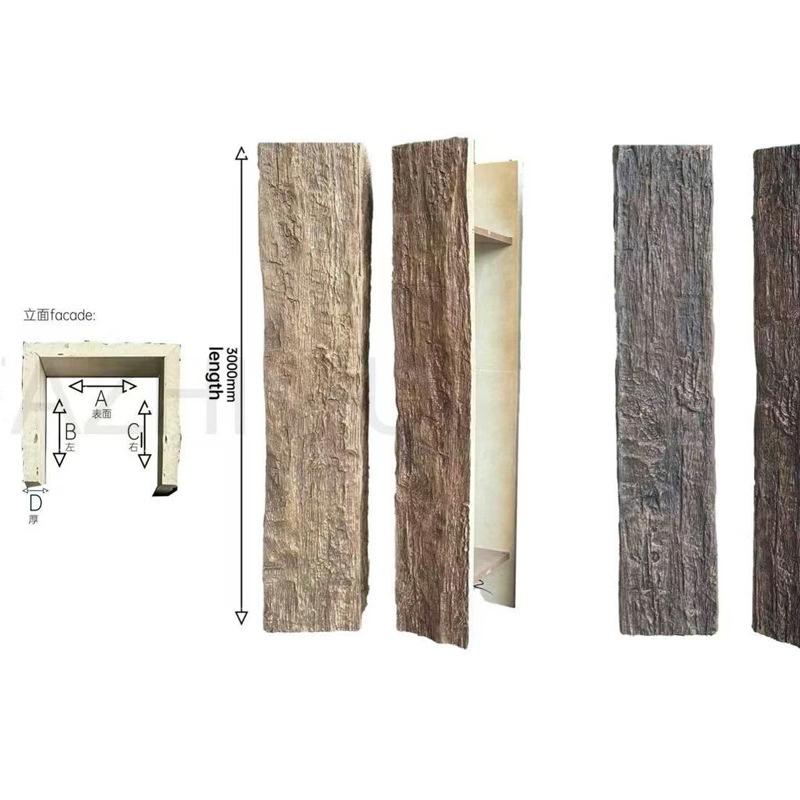
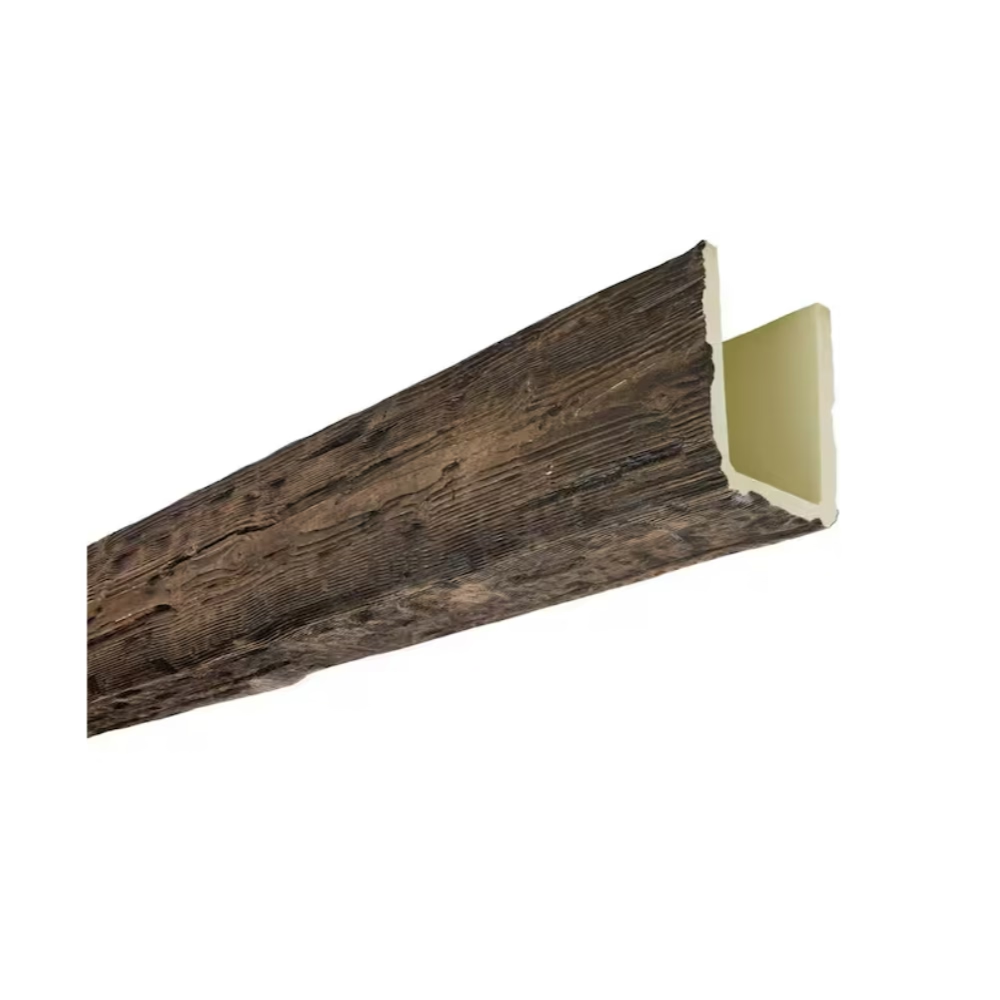
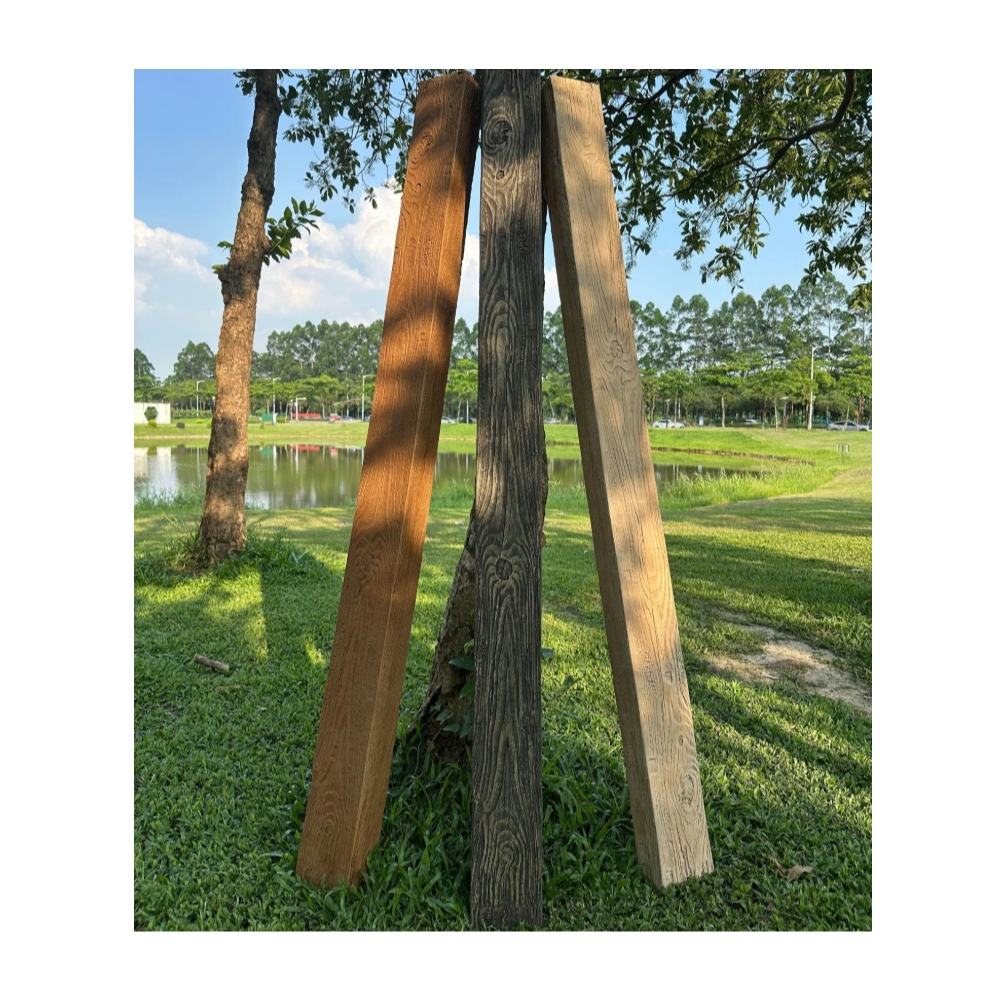
There is something deeply satisfying about walking into a room where the ceiling commands attention. The interplay of shadow and texture above draws the eye upward, making spaces feel larger and more intentional. For decades, achieving this effect required either structural timber—which demands skilled installation, serious load calculations, and ongoing upkeep—or the disappointment of painted drywall that never quite delivered the warmth designers envisioned. That equation has shifted considerably.
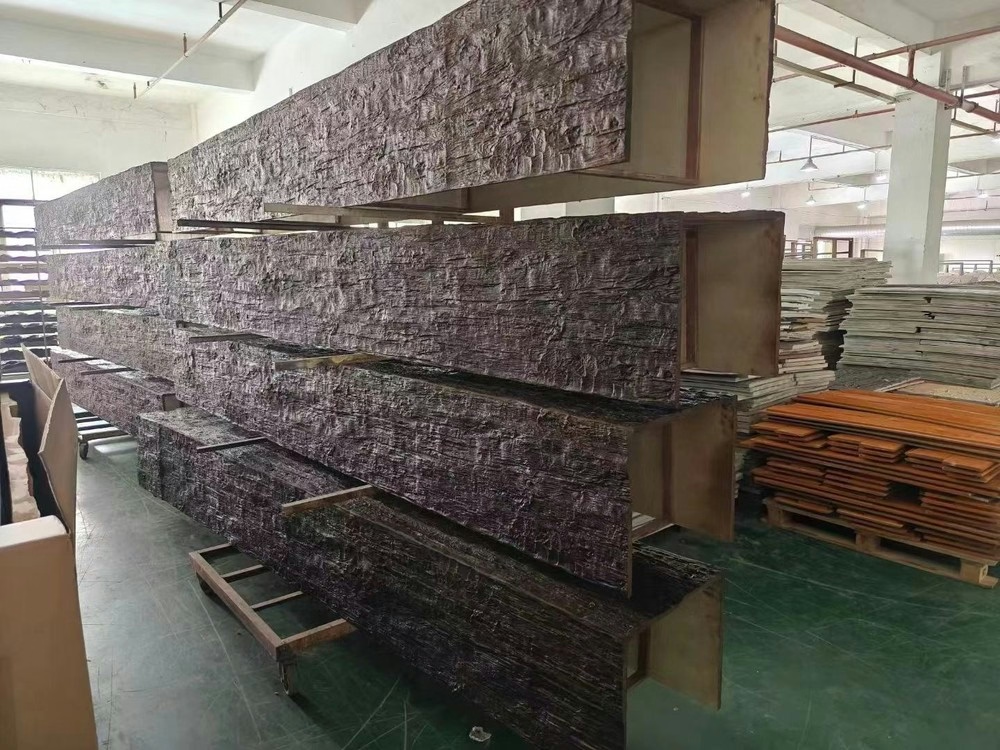
Polyurethane faux wood beams have emerged as a practical alternative that satisfies both aesthetic ambitions and real-world constraints. These products start as liquid resin formulations poured into precision molds that capture the grain patterns, knots, and color variations of genuine timber species. After curing, each beam receives a multi-step finishing process that simulates the patina of weathered wood or the rich tones of freshly milled lumber. The result is a ceiling element that reads as authentic from across the room and holds up to scrutiny at close range.
Why Polyurethane Outperforms Traditional Materials
The fundamental advantage of polyurethane lies in its material properties. A cubic foot of solid oak weighs roughly 37 pounds, while a comparable polyurethane beam weighs under 10 pounds. This dramatic difference simplifies every aspect of the installation process. Two people can handle beams that would otherwise require three or four, and the structural demands on mounting hardware drop accordingly. There is no need to reinforce ceiling joists or call in a contractor equipped for heavy lifting.
Moisture resistance represents another meaningful distinction. Real timber absorbs water, leading to warping, rot, and the gradual migration of insects that find organic material appealing. Polyurethane repels water entirely, which makes these beams suitable for bathrooms, kitchens, and basement spaces where humidity fluctuates throughout the year. The material does not swell, crack, or attract pests, which eliminates entire categories of maintenance concerns that plague authentic wood installations.
Factory-applied finishes on quality polyurethane beams resist scratching and fading in ways that site-applied paints cannot match. The coating bonds at the molecular level during production, creating a surface that handles routine cleaning without wearing thin. Homeowners who have lived with both materials often note that polyurethane beams retain their appearance for years while natural wood requires periodic refinishing to look its best.

Selecting the Right Beam Profile for Your Space
Ceiling beam profiles fall into several recognizable categories, each suited to different design intentions. Single beams running parallel across a room create a sense of direction and movement, guiding the eye along the length of the space. This approach works particularly well in long rectangular rooms where the beam direction reinforces the natural flow of the layout.
Coffered ceiling arrangements place beams in perpendicular grids, dividing the ceiling plane into geometric panels. This treatment carries associations with classical architecture and high-end residential construction. The visual complexity of a coffered ceiling draws focus upward and establishes a sense of craftsmanship that elevates the entire room. Polyurethane makes this traditionally labor-intensive treatment accessible to projects with modest budgets and timelines.
Tandem beam installations use pairs of parallel beams spaced close together, creating the impression of heavy timber framing without occupying the visual mass of single oversized beams. This approach reads well in contemporary interiors where the goal is texture and character rather than historical accuracy. The pairs can be spaced at regular intervals or clustered in specific zones to highlight particular areas like seating arrangements or dining spaces.
Vaulted and sloped ceilings present their own considerations. Beams installed along the slope of a vaulted ceiling follow the natural geometry of the space, reinforcing the architectural intention rather than fighting against it. In these applications, the interplay between the beam direction and the ceiling angle creates dramatic shadows that shift throughout the day as natural light moves across the room.
Installation Practices That Ensure Lasting Results
Successful beam installation begins with accurate measurement and planning. Before ordering materials, map the ceiling dimensions carefully, noting any obstructions like light fixtures, ceiling fans, or HVAC vents that beams will need to interact with. Most installers recommend sketching a layout that shows beam positions, end returns, and the relationship between beams and other ceiling elements.
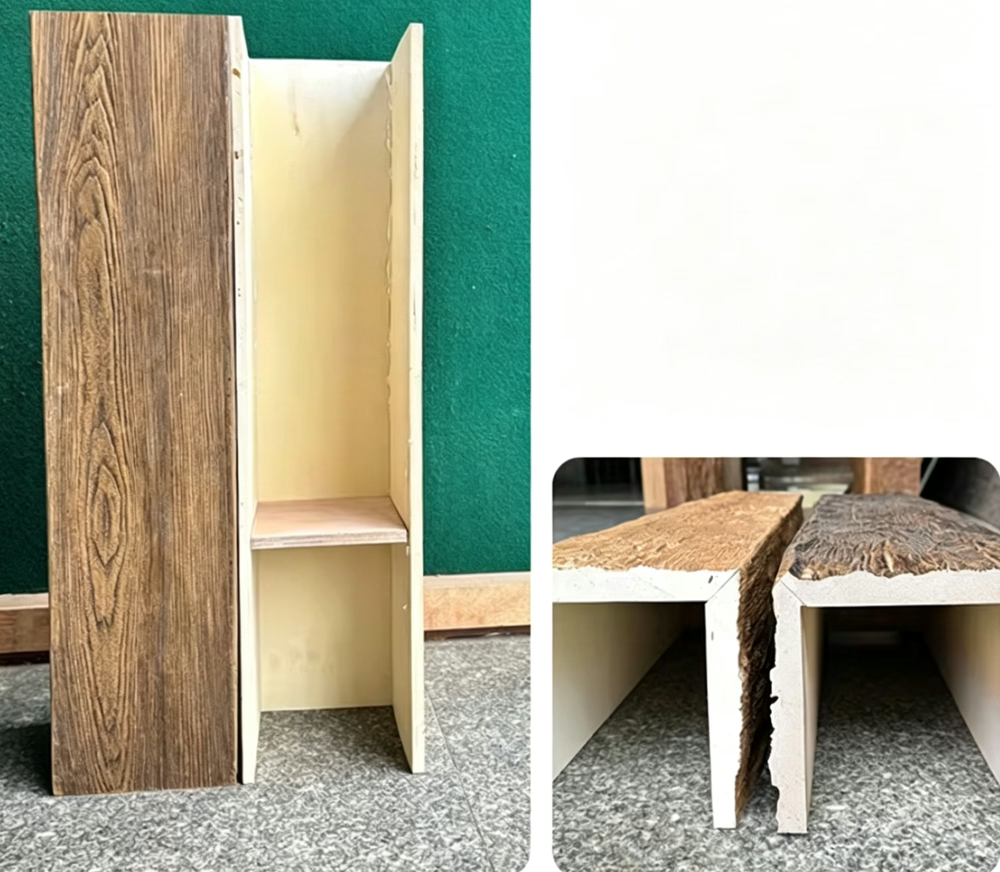
Mounting methods depend on the beam profile and the construction of the existing ceiling. Hanging ledgers—horizontal support boards fastened to ceiling joists—provide secure attachment points for beams that will carry no weight. The ledger receives the beam via adhesive, screws, or a combination of both, depending on the manufacturer's recommendations and the specific conditions of the installation site.
For beams that will bear weight, such as those used to support shelving or hang decorative elements, the mounting strategy must account for the load. Reinforced attachment points with threaded rods or specialty brackets transfer weight directly to the structural ceiling rather than relying on the beam itself. This engineering approach preserves the aesthetic benefits of the beam while ensuring that functional loads do not compromise the installation.
Corners and end conditions require careful attention. Mitered corners maintain clean lines when beams intersect, while scarf joints connect beams along their length when longer spans are needed. Quality polyurethane beam manufacturers offer matching corner blocks and trim pieces that simplify these transitions, creating finished looks that rival custom carpentry without the custom carpentry price.
Caring for Polyurethane Ceiling Beams
One of the most appealing aspects of polyurethane beams is the minimal maintenance they require. Unlike natural wood, which benefits from periodic oiling or sealing, polyurethane maintains its appearance with basic cleaning. A soft cloth dampened with water and mild detergent removes dust and airborne contaminants that accumulate over time. Harsh chemical cleaners are unnecessary and can degrade the finish if used repeatedly.
Inspections should focus on the attachment points rather than the beam surfaces. Over time, building settling and temperature fluctuations can stress mounting hardware. Checking that screws remain tight and that adhesive bonds stay secure prevents problems before they become visible. Catching a loose mounting point early preserves both the appearance and the safety of the installation.
Elevating Any Room with Minimal Disruption
The speed of installation makes polyurethane beams an attractive option for renovation projects where the goal is transformation without extended disruption. A typical living room can receive a complete beam treatment in a single day, with no need for drying time between coats or acclimation periods for the material. The space is immediately usable after installation concludes, which matters considerably in occupied homes where residents do not have the luxury of vacating during construction.
Designers working on hospitality projects appreciate this efficiency as well. Hotel lobbies, restaurant dining rooms, and retail environments often have narrow windows for renovation work between service periods. Polyurethane beams allow these projects to achieve high-impact visual upgrades within compressed timelines, supporting business continuity while delivering the atmosphere that the project requires.
The versatility of polyurethane as a material platform continues to expand what designers can accomplish. Current offerings include beams with integrated lighting channels, beams with authentic-sounding hollow acoustics, and beams with textured surfaces that catch light in nuanced ways. These innovations push the boundaries of what ceiling treatments can achieve while maintaining the core advantages of lightweight construction and minimal maintenance that have driven the category's growth.
A room transformed by well-chosen ceiling beams feels fundamentally different from the same space without them. The vertical dimension gains presence, the proportions shift toward intentionality, and the overall atmosphere acquires a quality that visitors consistently notice and remember. Polyurethane faux wood beams make this transformation accessible to projects of every scale, delivering architectural impact without architectural compromises.
Technical References
ASTM standards cited in every specification
Test Data
Lab results from internal testing program
Updated 2026
Reviewed against current product specs