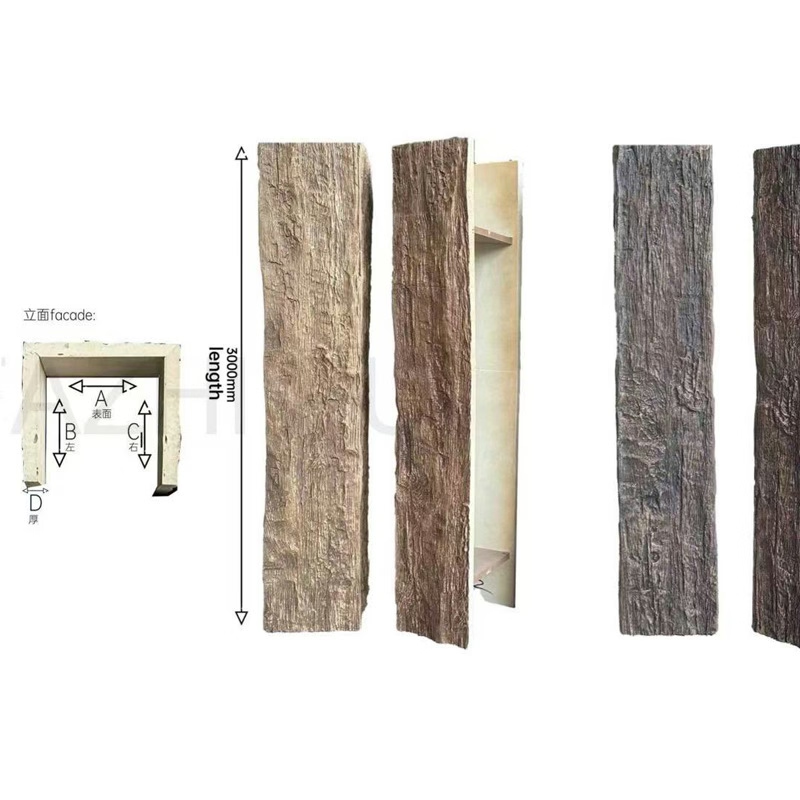
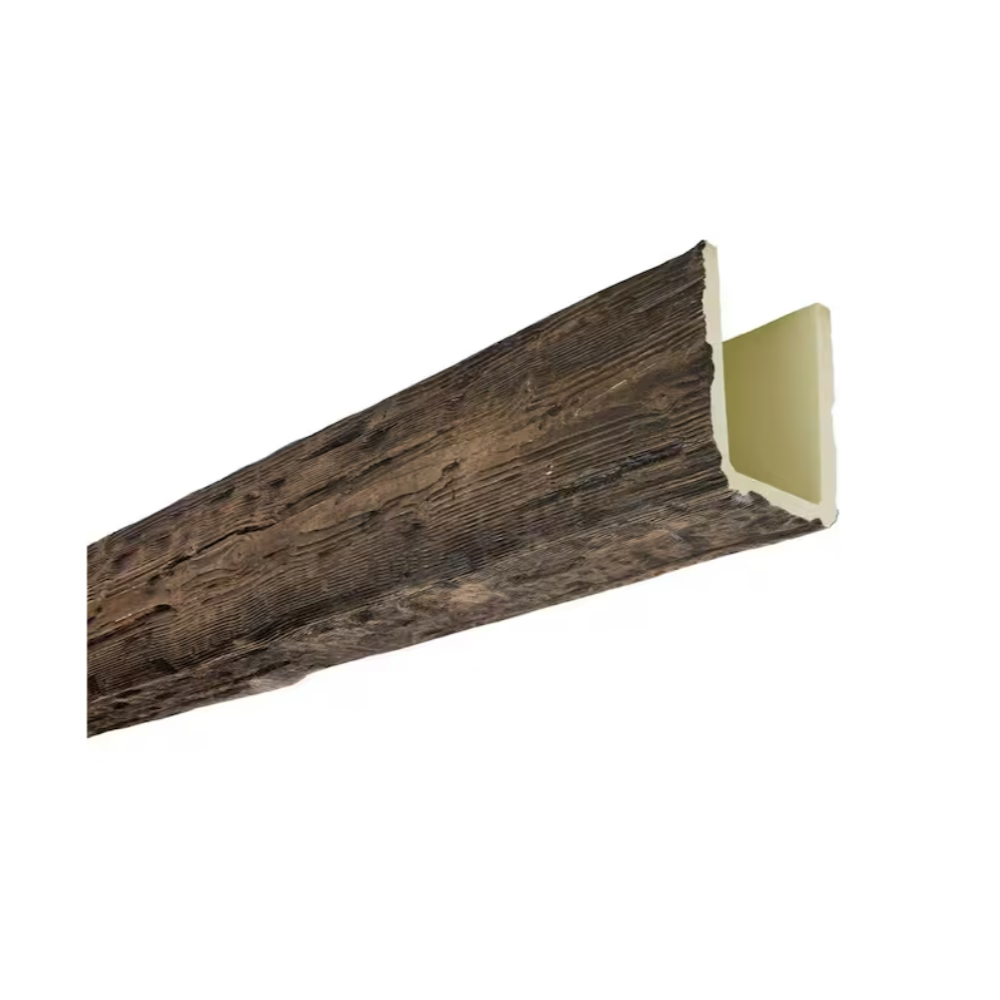
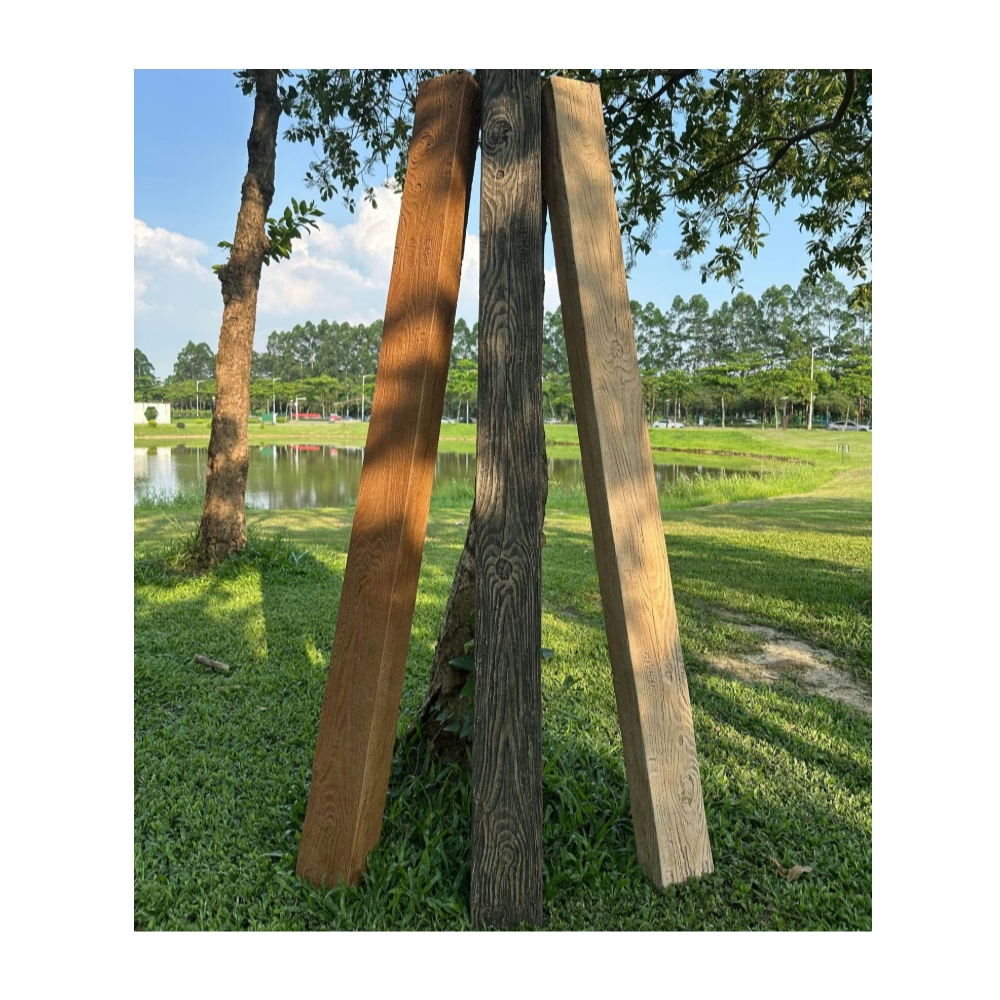
The difference between good and exceptional often lives in the details that only close inspection reveals. In luxury interiors, those details receive exactly the close inspection that reveals every imperfection. Clients paying premium prices expect premium quality, and that expectation extends to every visible surface including ceiling beams. Surface finish quality becomes a primary differentiator between products that satisfy luxury expectations and those that merely appear adequate from across the room.
Superior finish in polyurethane beams results from manufacturing discipline, premium materials, and quality control processes that identify and address issues before products reach the installation site. Understanding what distinguishes superior finish helps designers specify appropriately and evaluate products against their expectations.
The Anatomy of Superior Surface Finish
Surface finish quality involves multiple dimensions that together create the impression of premium quality. A deficiency in any single dimension can compromise the overall impression despite excellence in other areas.
Color quality begins with base formulation and extends through application technique. Premium products achieve consistent color across all surfaces, with no variation between the front and back of beams or between different production runs. The color should match specified targets with precision that ensures coordination with other design elements.
Gloss consistency affects how the surface reads under different lighting conditions. Premium finishes maintain consistent gloss levels across all surfaces, with no variation that creates a patched or uneven appearance. The gloss should remain stable over time without the chalking or degradation that lesser finishes exhibit.
Texture uniformity ensures that the surface feels consistent across the entire beam. Premium products exhibit no rough patches, dry areas, or texture variations that would create visible irregularities. The texture should complement the overall design character—smooth for contemporary aesthetics, light texture for traditional warmth.
Edge definition separates superior finishes from ordinary ones. The transitions between surfaces, the definition of corners, and the crispness of profiles distinguish careful execution from careless production. Premium finish means every edge looks sharp and intentional.
Manufacturing Processes That Enable Superior Finish
Premium surface quality requires manufacturing processes designed to achieve it. The difference between standard and superior finish begins with how products are made rather than with post-production intervention.
Mixing precision in polyurethane production ensures consistent material properties throughout each batch and between batches. Formulation control maintains exact ratios of components that affect surface quality. Any variation in mixing creates the potential for surface defects that inspection might not catch before shipping.
Mold preparation affects surface quality directly. Mold surfaces must be perfectly clean and properly treated with release agents that prevent sticking without compromising surface replication. Any contamination or incorrect treatment creates defects that copy across all products cast in the affected mold.
Curing control ensures that chemical reactions complete properly without creating surface blemishes. Temperature, humidity, and time all influence the curing process. Premium manufacturers maintain tight environmental control in production areas to ensure consistent cure quality.
Finishing procedures in premium production include multiple steps that build up to the final surface quality. Sanding, filling, priming, and topcoating each contribute to the result. The sequence and timing of these operations matter as much as the materials themselves.
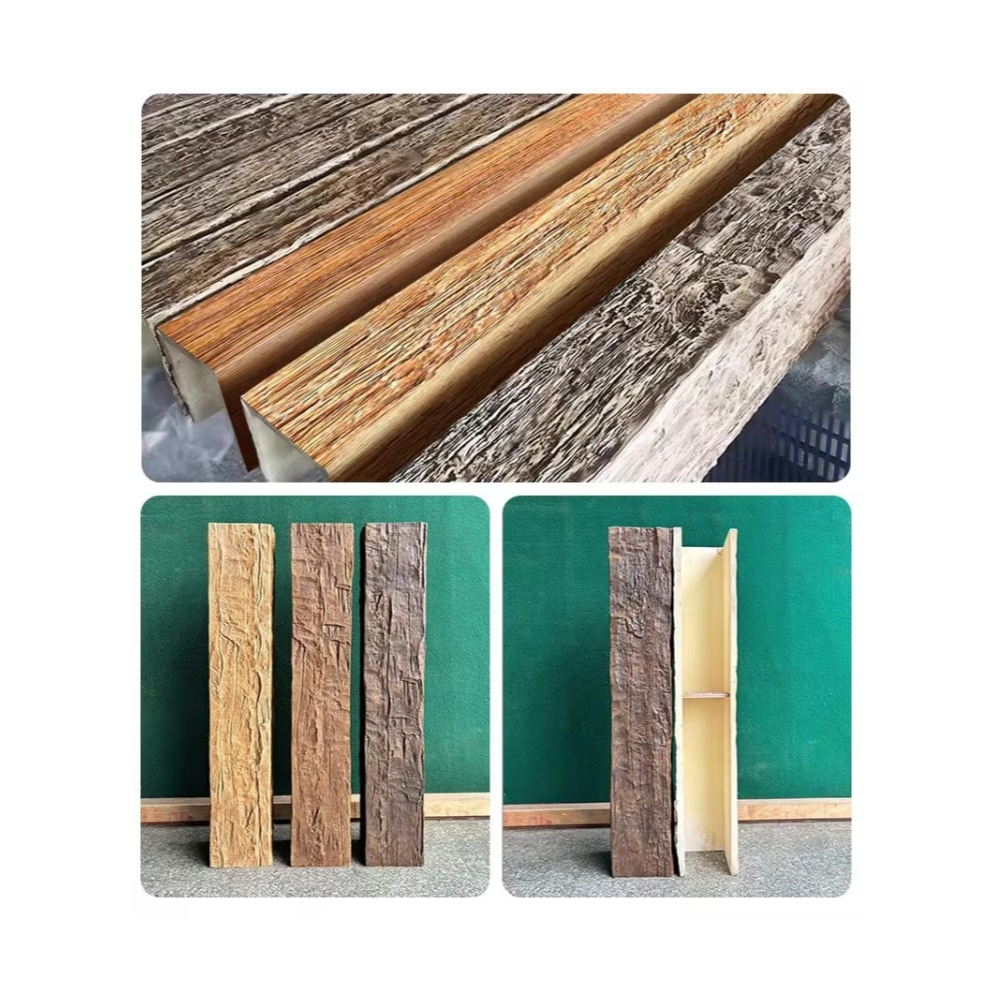
Quality Control for Luxury Standards
Quality control in premium production operates at standards that exceed what casual inspection would require. The goal is defect-free products that meet the expectations of clients who examine every detail.
Inspection procedures examine every surface of every piece rather than relying on sampling. This comprehensive approach catches issues that random sampling would miss. The cost of this inspection represents an investment in reputation that premium manufacturers accept as necessary.
Lighting conditions during inspection matter. Surfaces that appear perfect under shop lighting may reveal flaws under the controlled lighting of luxury interiors. Premium quality control examines products under lighting that simulates the conditions they will face in service.
Defect classification distinguishes between flaws that affect appearance and flaws that affect performance. Minor cosmetic issues that might be acceptable in standard products are rejected in premium production. The rejection rate represents the cost of maintaining quality standards.
Documentation traceability links each finished piece to the production conditions that created it. If issues arise in service, this traceability enables root cause analysis and appropriate response. The documentation represents quality assurance that protects both manufacturer and client.
Finish Options for Luxury Applications
Premium production supports finish options that standard manufacturing cannot achieve. These options address the full range of luxury interior requirements.
Custom color matching reproduces specific references with precision that catalog products cannot provide. Fabric swatches, stone samples, or client-provided references can be matched to ensure perfect coordination. The matching process involves both color measurement and visual evaluation by experienced finish technicians.
Metallic and pearlescent finishes add luminosity and visual interest that solid colors cannot achieve. These finishes respond to lighting conditions in ways that create dynamic appearance shifts throughout the day. The complexity of these finishes demands production expertise that premium manufacturers possess.
Low-gloss and matte finishes meet preferences that have become increasingly popular in contemporary luxury interiors. Achieving rich matte appearance without sacrificing depth or warmth requires formulation and application expertise that distinguishes premium production from standard approaches.
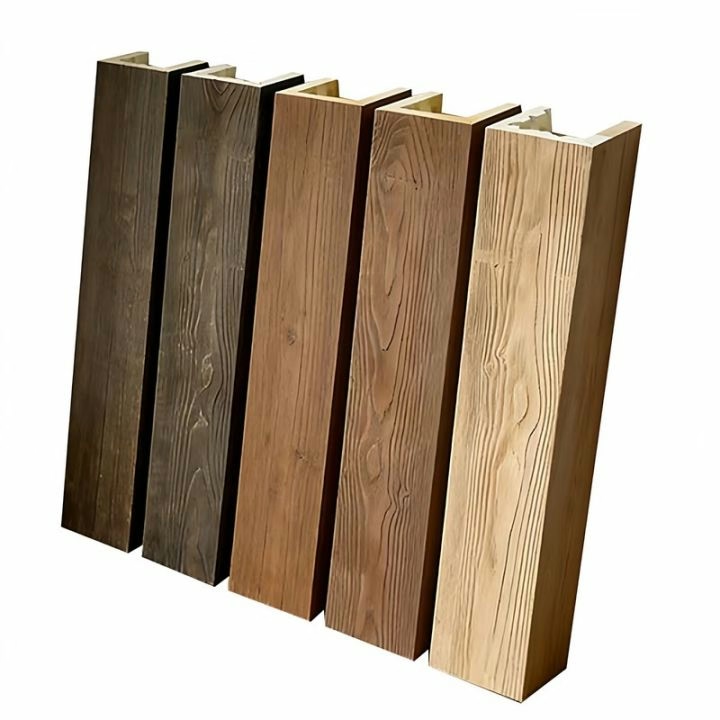
Textured finishes add tactile quality that smooth surfaces lack. Premium textures are designed to provide visual interest without collecting dust or appearing dirty. The texture vocabulary available in premium production spans subtle refinements through pronounced rustic effects.
Installation Practices for Finish Preservation
Superior finish can be compromised by careless installation. Protecting the surface quality through the installation process ensures that premium production translates into premium results.
Handling protocols prevent damage during transport and installation. Soft gloves prevent fingerprint transfer. Padding protects surfaces from impact. Careful maneuvering avoids contact with walls, scaffolding, and other obstacles. The cost of careful handling is negligible compared to the cost of damaged finish.
Protection during other trades prevents damage from subsequent work. Dust, debris, and impact from painting, trim work, and other activities can compromise finished surfaces. Temporary covering and work sequencing protect the investment in premium finish.
Touch-up capability addresses minor damage that installation inevitably creates. Premium products include touch-up materials matched to the finish. Minor scratches and scuffs receive treatment that restores appearance without visible evidence of repair.
Long-Term Finish Performance
Premium finish should remain premium throughout the product's service life. Superior quality extends beyond initial appearance to include lasting performance.
UV stability ensures that colors do not shift or fade under lighting exposure. Premium formulations resist the photodegradation that would compromise appearance over years of service. The stability enables specification in spaces with significant natural light without concern for color change.
Cleanability of premium finishes enables restoration to original appearance after soiling. The non-porous surface does not absorb stains, and the durable coating withstands cleaning without damage. Regular maintenance preserves the premium appearance indefinitely.
Impact resistance prevents the damage that would require repair or replacement. The combination of base material toughness and coating adhesion creates surfaces that handle the contact that ceilings occasionally experience.
Superior finish faux beams represent the commitment to quality that luxury interiors require. Every production decision, every quality check, and every handling precaution serves the goal of delivering premium appearance that meets the expectations of clients who accept nothing less than excellence.
Technical References
ASTM standards cited in every specification
Test Data
Lab results from internal testing program
Updated 2026
Reviewed against current product specs