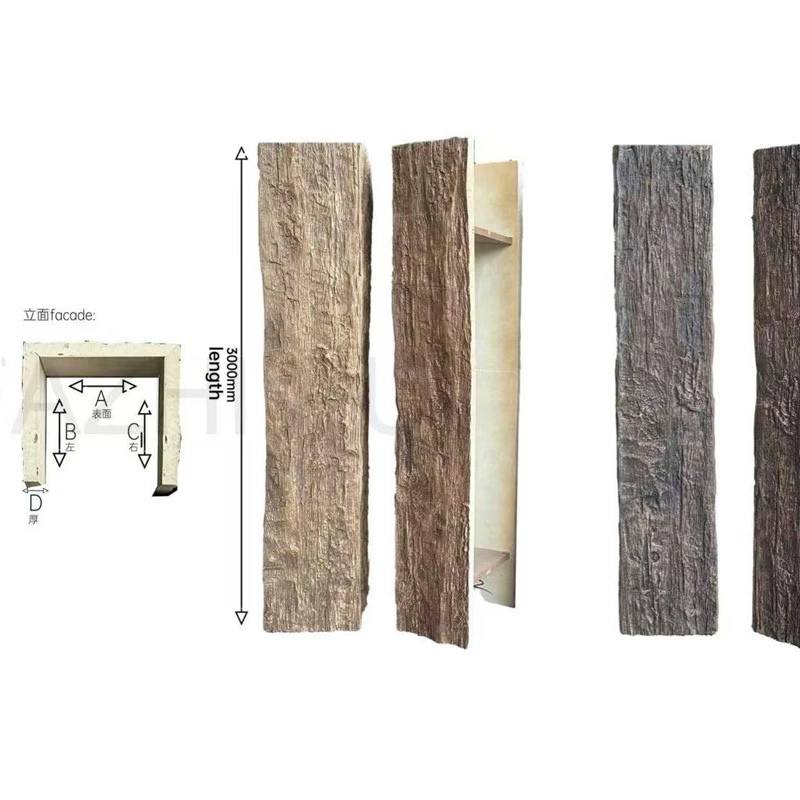
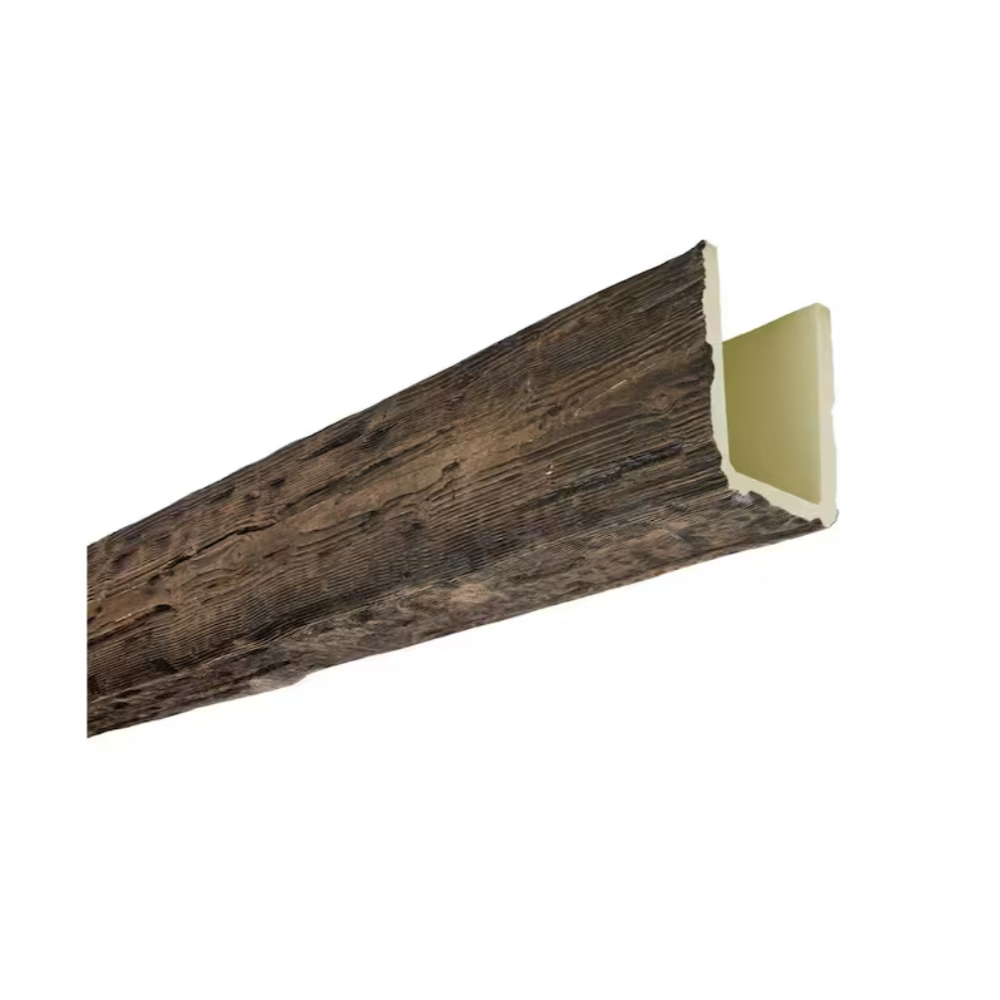
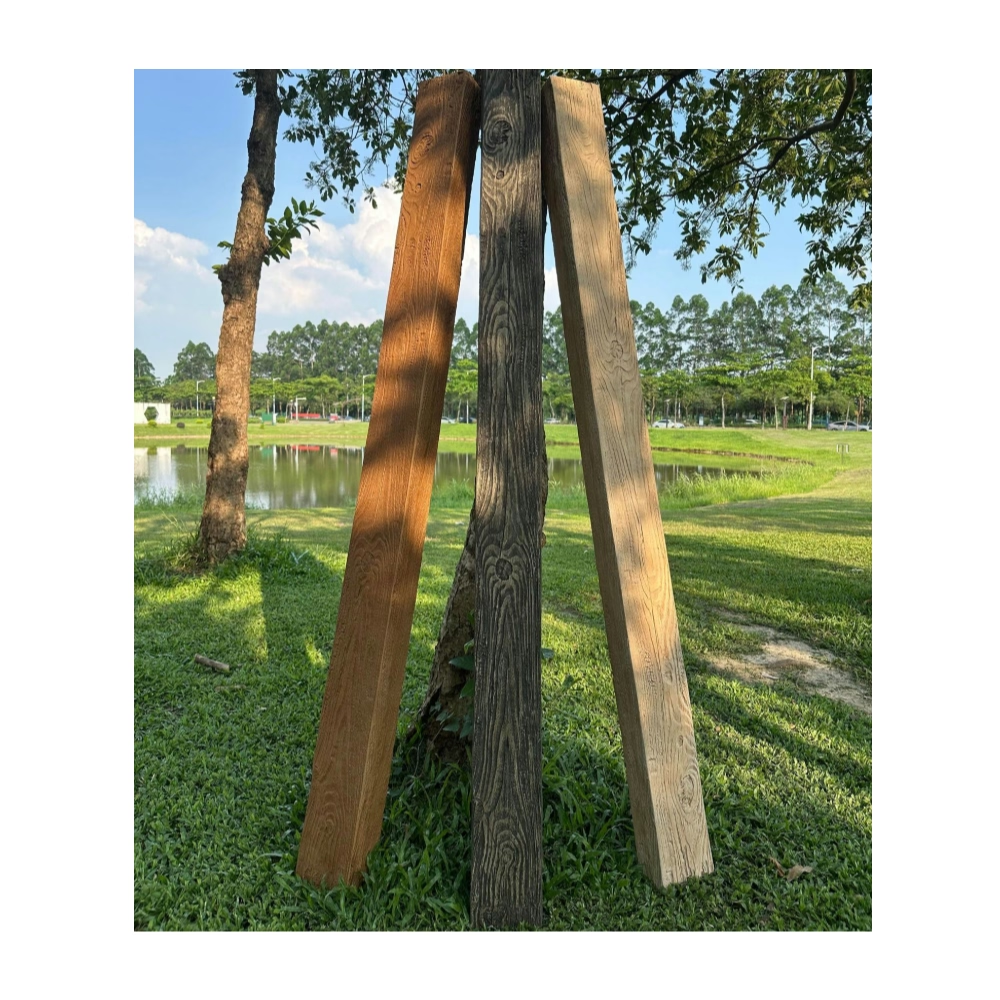
Walnut holds a position of particular prestige among American hardwoods. Native to the eastern United States, black walnut has been prized for furniture, cabinetry, and architectural millwork since colonial times. Its rich chocolate-brown heartwood, straight grain, and remarkable workability made it the preferred material for the finest furniture of successive generations. That heritage persists today, with walnut remaining the benchmark against which other dark woods are measured.
Bringing walnut aesthetics to ceiling applications historically required accepting significant compromises. Solid walnut beams would be extraordinarily expensive and impossibly heavy for most ceiling applications. Lighter alternatives like veneer-over-core or painted surfaces lost the authentic character that made walnut desirable in the first place. Polyurethane faux beams with genuine walnut grain finishing have resolved this dilemma, enabling walnut ceiling treatments that capture the species' distinctive character without the limitations that genuine walnut would impose.
The Character of Walnut Wood
Authentic walnut simulation requires understanding what makes the species visually distinctive. Walnut presents features that together create its recognized appearance of refined elegance.
Color in walnut ranges from pale sapwood through chocolate brown heartwood to near-black areas in figured portions. The color distribution within boards varies substantially, creating the visual complexity that distinguishes premium walnut from more uniform alternatives. Premium finishing reproduces this variation through layered application rather than uniform coverage.
Grain pattern in walnut is typically straight but includes characteristic figure that appears in varying degrees. The grain may include subtle waves, occasional swirls near knots, and areas where the pattern tightens. Premium walnut exhibits figure that adds visual interest without appearing busy or overwrought.
Texture of walnut surface combines the fine grain that makes the wood smooth to the touch with natural variation that prevents sterility. The surface accepts finish well, developing rich luster that deepens over time. Premium finishing simulates this textural quality accurately.
Premium Walnut Grain Simulation Techniques
Modern finishing technology enables walnut simulation that achieves remarkable authenticity. The techniques capture walnut's characteristic appearance while providing the durability that ceiling applications require.
Grain printing technology reproduces walnut's distinctive patterns with fidelity that exceeds what hand application could consistently achieve. High-resolution scanning of genuine walnut samples captures the full range of grain patterns, figure types, and color variations that characterize the species. The digital files inform printing processes that transfer these patterns onto polyurethane surfaces.
Color layering builds the depth that distinguishes authentic walnut from flat painted surfaces. Initial base coats establish the characteristic brown tones; subsequent applications add the darker areas, subtle highlights, and color variations that occur naturally in the species. The layering creates the visual complexity that premium walnut exhibits.
Finish topcoats protect the simulated surface while maintaining the natural appearance that walnut's oiled surfaces present. The coating should enhance the color and grain rather than appearing to sit atop them. Premium topcoats achieve this integration through careful formulation and application technique.
Applications in Luxury Interior Styling
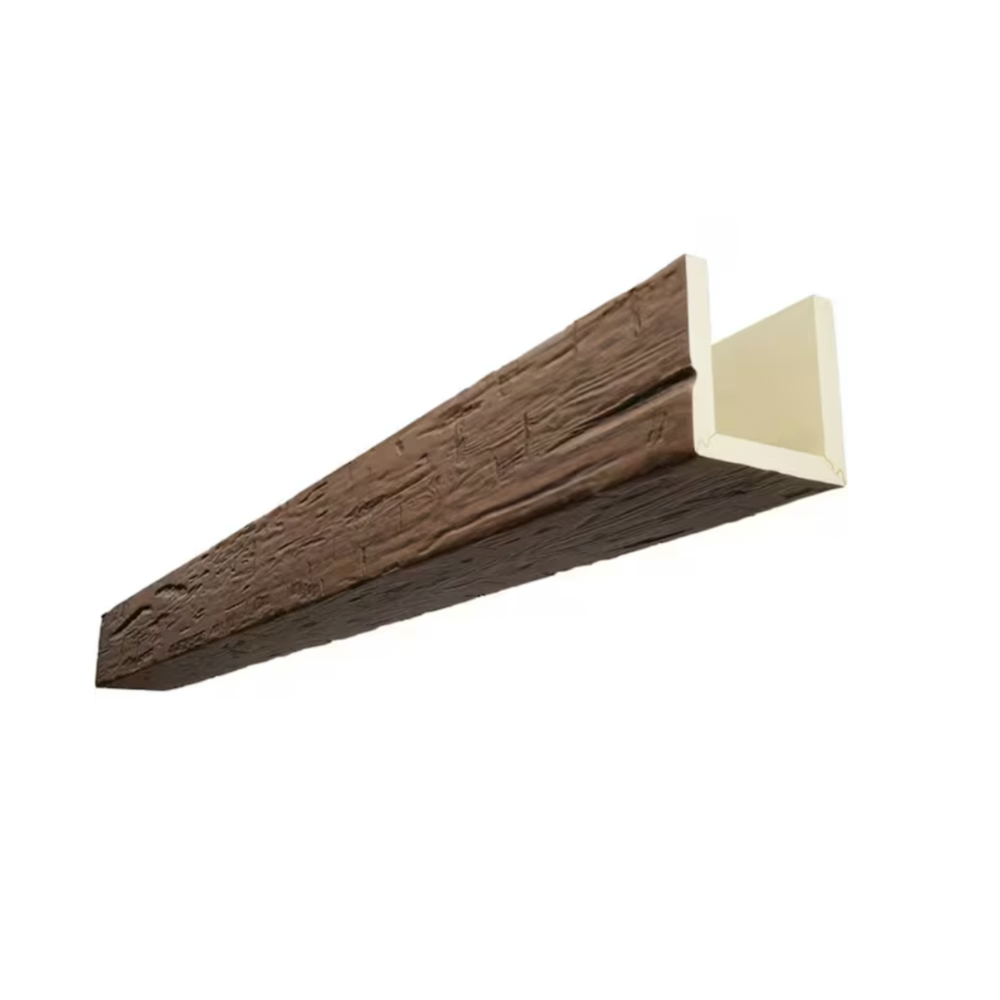
Walnut finish beams serve design approaches that emphasize warmth, richness, and sophisticated character. The applications span residential and commercial projects with consistent design intentions.
Executive residential interiors benefit from walnut beams that establish the refined atmosphere these spaces require. Home offices, libraries, dining rooms, and primary living areas all accommodate the sophisticated character that walnut provides. The beams coordinate with walnut flooring, cabinetry, and furniture that may already exist or be planned.
Professional office suites in law firms, financial services, and executive consulting use walnut beams to establish the gravitas that client-facing spaces demand. The material signals success, stability, and attention to quality. These associations support the business objectives that office environment design serves.
Hospitality environments including executive hotels, private dining clubs, and upscale restaurants use walnut beams to create atmospheres of cultivated luxury. The beams contribute to memorable experiences that justify premium pricing and generate positive word-of-mouth.
Design Coordination With Walnut Elements
Walnut finish beams participate in comprehensive interior compositions that extend beyond the ceiling plane. Successful integration requires attention to relationships with surrounding materials and elements.
Floor and ceiling coordination creates vertical relationships that connect the primary horizontal planes. Matching walnut finish on floors and ceilings intensifies the material presence throughout the space. The coordination requires careful color matching to ensure that the different applications relate appropriately.
Furniture coordination extends the walnut character throughout the interior. Built-in cabinetry, architectural millwork, and substantial furniture pieces in walnut create a material language that the ceiling beams reinforce. The comprehensive approach creates environments where material quality permeates every surface.
Upholstery and textile coordination balances the richness that walnut provides. The deep brown tones pair effectively with cream, gold, and subtle blue accents. The textiles should complement rather than compete with the wood presence that the beams establish.
Light and Walnut Appearance
The appearance of walnut changes substantially with lighting conditions. Understanding these relationships helps specify products that perform well in their intended settings.
Natural light brings out the warmth and depth that walnut possesses. The golden-brown tones glow under sunlight in ways that artificial lighting may not fully replicate. Beams positioned to receive natural light contribute most substantially to interior atmosphere.
Artificial lighting choices affect walnut appearance significantly. Warm LED sources enhance the characteristic tones; cool sources may make walnut appear flat or gray. Lighting specification should consider how beams will appear under the illumination planned for the space.
Surface sheen affects how walnut reads under different conditions. The slight sheen of oil-finished walnut creates subtle highlights that animate the surface as viewing angles change. Higher gloss finishes create more dramatic effects that may or may not suit the design intention.
Long-Term Appearance of Walnut Finish
The durability of premium walnut finish ensures that the initial appearance persists throughout the service life of the installation.
Color stability in UV-stable formulations prevents the fading or shifting that might otherwise occur. The deep brown tones remain consistent despite years of light exposure. This stability distinguishes premium finish from cheaper alternatives that may darken, fade, or yellow over time.
Aging character in premium polyurethane simulates the subtle patina that aged walnut develops. Rather than appearing artificially uniform, the surface includes the variation that suggests maturity and quality. This simulated aging adds authenticity to the appearance.
Maintenance simplicity preserves the luxury appearance without demanding the regular attention that genuine walnut requires. Simple cleaning maintains the appearance indefinitely, without the refinishing that natural wood would need to retain its character.
Walnut finish polyurethane beams make the rich sophistication of this prized hardwood accessible to ceiling applications that genuine walnut would make impractical. The combination of authentic appearance, practical performance, and reasonable cost opens design possibilities that scarcity and expense would otherwise limit.
Technical References
ASTM standards cited in every specification
Test Data
Lab results from internal testing program
Updated 2026
Reviewed against current product specs