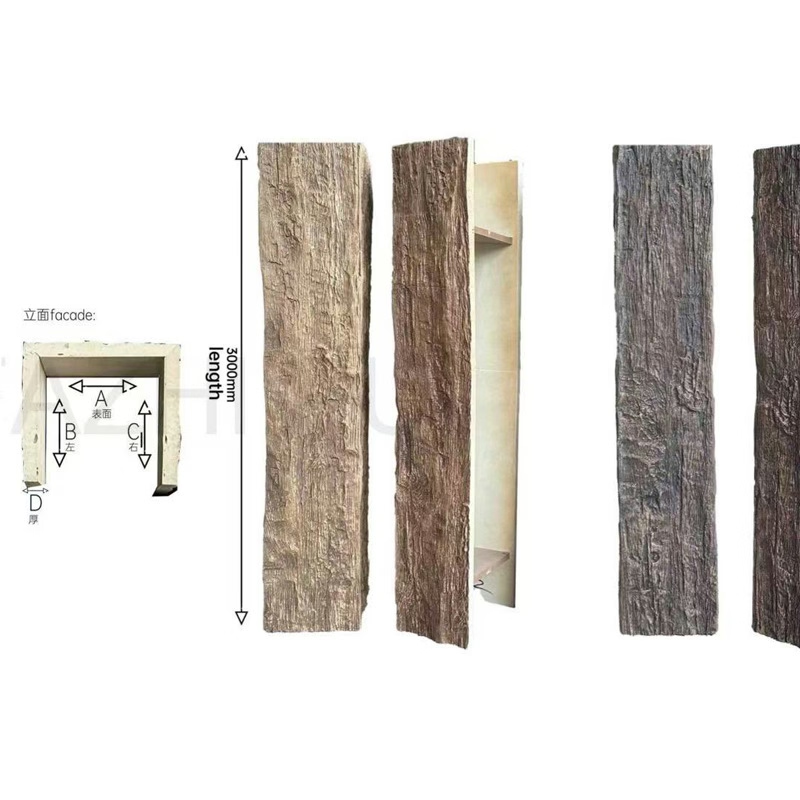
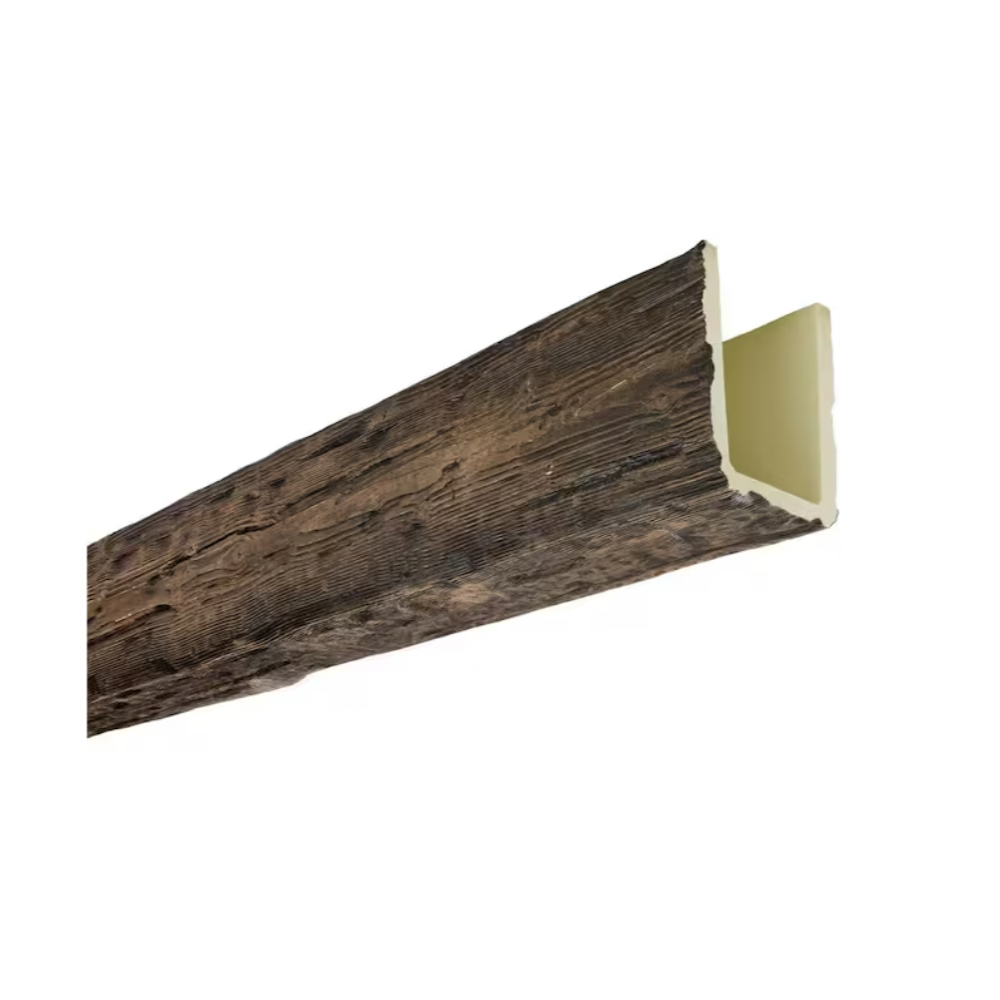
Ceiling beams often define the character of interior spaces, whether serving purely decorative purposes or maintaining structural functions while contributing to overall aesthetics. When these elements become dated, damaged, or inconsistent with updated design intentions, renovation becomes necessary. Polyurethane beam sleeves provide solutions that avoid the complexity and expense of beam replacement while delivering the refreshed appearances that renovation projects require.
The renovation approach to ceiling beams balances multiple objectives. Structural integrity must be preserved, aesthetic goals must be achieved, and project budgets must be respected. Polyurethane sleeves address all three concerns through solutions designed specifically for renovation applications where demolition and replacement would prove impractical or unnecessarily expensive.
Renovation Challenges Addressed by Sleeves
Dated architectural styles frequently feature ceiling beams that no longer align with contemporary design preferences. The heavy, dark beams popular in past decades may overwhelm spaces that current owners prefer lighter, more open aesthetics to achieve. Rather than removing these structural elements, sleeve installation transforms their appearance while preserving their functions.
Water damage, surface degradation, and physical damage create maintenance challenges that sleeve solutions address effectively. Beams suffering from these conditions may appear deteriorated and compromised despite retaining structural capacity. Covering damaged beams with sleeves eliminates visible problems while protecting underlying elements from further deterioration.
Style inconsistencies arise when additions or renovations introduce beams that clash with existing architectural elements. Matching new construction to established patterns proves difficult, and discrepancies become increasingly apparent over time. Sleeve systems can standardize appearances across mixed-age installations.
Polyurethane Material Advantages for Ceiling Applications
Ceiling installations present specific challenges that polyurethane addresses effectively. The weight of ceiling-mounted elements affects structural requirements and installation methods, making the lightweight nature of polyurethane advantageous. Heavier materials would stress mounting systems and complicate installation logistics.
Moisture resistance proves particularly valuable in ceiling applications where condensation, roof leaks, or humidity from below might affect materials. Polyurethane's resistance to moisture absorption prevents the swelling, warping, and decay that compromise wood alternatives in these conditions. This durability translates to longer service life and reduced maintenance.
Surface consistency throughout ceiling installations creates clean, professional appearances. Unlike wood, which varies naturally between pieces, polyurethane production yields predictable results that facilitate matching and coordination. This consistency supports both initial installation and future maintenance.
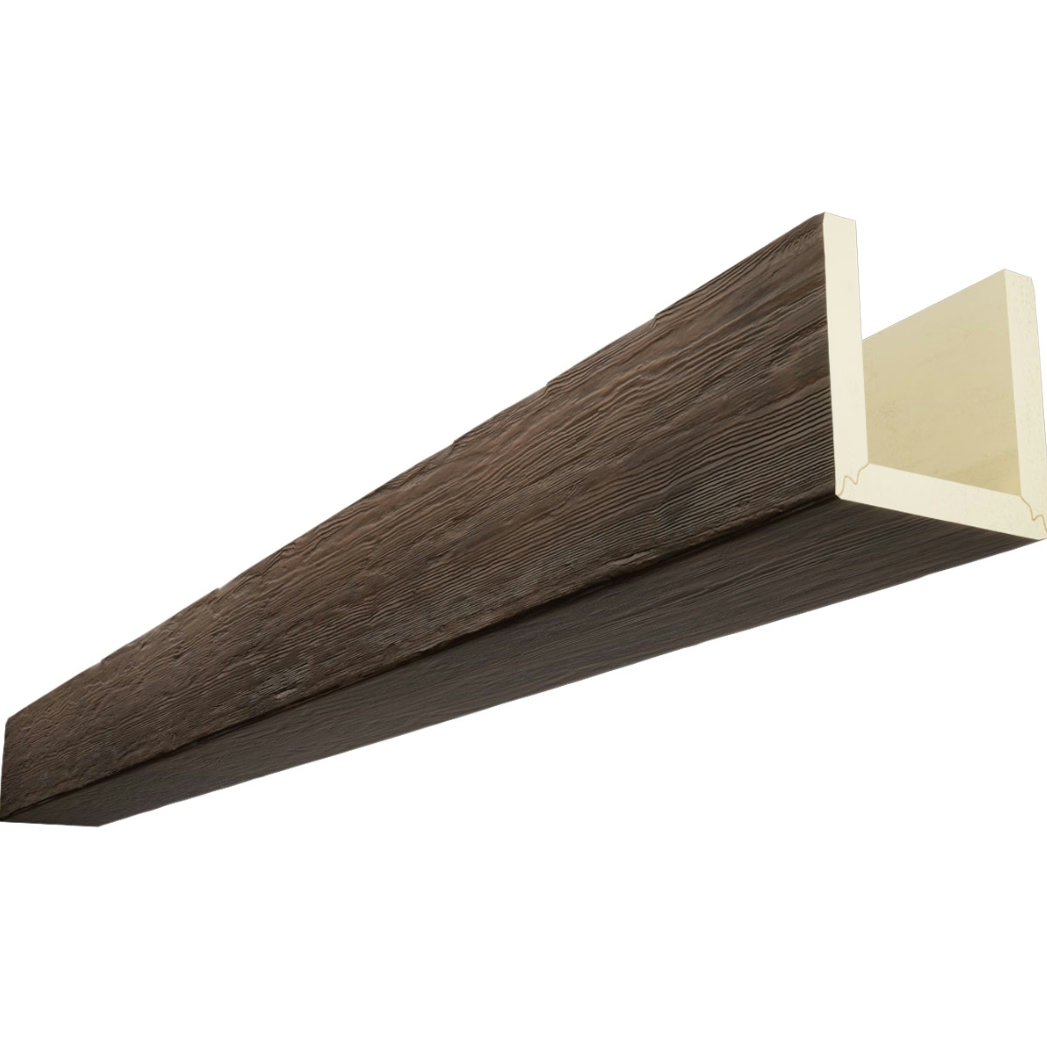
Design Approaches for Different Room Types
Living rooms and common areas accommodate substantial beam installations that create visual impact and define spaces. The larger scales appropriate for these areas suit decorative beam sleeves that contribute significantly to room character. These prominent installations benefit from quality materials and professional installation.
Bedrooms typically call for more restrained beam treatment that supports restful atmospheres. Smaller-profile sleeves or applications limited to visible beam portions maintain design coherence without creating overly dramatic effects. Color and finish selection should support relaxation rather than stimulation.
Kitchens present challenging conditions for ceiling installations due to grease, humidity, and temperature variations. Smooth, easy-clean polyurethane surfaces handle these conditions better than textured wood alternatives. Sleeve selection should emphasize cleanability alongside aesthetic considerations.

Planning Ceiling Beam Renovation Projects
Scope definition begins renovation planning by establishing which beams require treatment and what outcomes property owners expect. Complete coverage versus partial treatment, single-room versus whole-house approaches, and budget constraints all influence project scope decisions. Clear scope definition prevents mid-project changes that complicate execution.
Timeline planning addresses both project duration and coordination with other renovation work. Ceiling beam renovation may proceed independently or coordinate with broader renovation activities. Sequencing decisions should consider access requirements, finish coordination, and protection of completed work from subsequent activities.
Material selection occurs after scope and timeline are established. The range of available sleeve options requires evaluation against project requirements, budget constraints, and aesthetic preferences. Obtaining samples for evaluation helps confirm selections before committing to purchases.
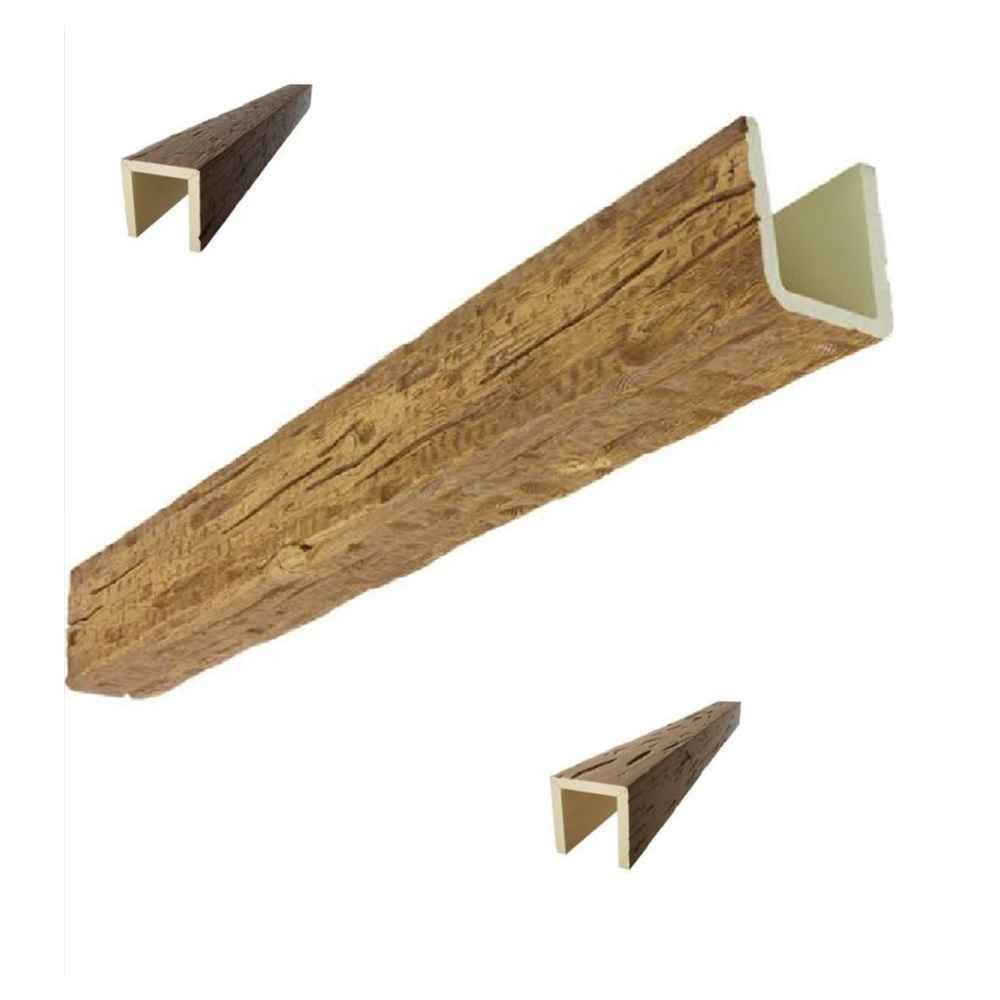
Installation Considerations for Ceiling Work
Working overhead presents physical challenges that affect technique selection and labor requirements. Scaffold systems, ladders, or lifts provide access depending on ceiling height and room dimensions. Adequate access provisions ensure safe, efficient installation while protecting installers from injury.
Lighting conditions during installation differ from finished appearance, potentially affecting color matching and finish decisions. Professional installers understand these differences and make adjustments that account for lighting variations. Property owners should view samples in actual lighting before finalizing color selections.
Coordination with other ceiling work ensures integrated results. Electrical work, HVAC modifications, and other ceiling-mounted systems may require adjustment to accommodate beam sleeves. This coordination should occur during planning rather than creating surprises during installation.
Finish Coordination with Ceiling Treatments
Sleeve finishes should coordinate with overall ceiling treatments to create cohesive appearances. Paint-matched sleeves create seamless integration where beams should recede visually. Contrasting finishes emphasize beam presence as deliberate design features. The choice depends on design intentions for each space.
Texture coordination requires attention when ceilings feature texture treatments. Sleeve surfaces that differ dramatically from ceiling textures create visual disconnect. Matching textures or selecting intentionally contrasting surfaces produces more coherent results.
Transition details at walls and other boundaries complete the renovation. These edge conditions require careful attention to ensure clean transitions between sleeves and adjacent surfaces. Professional installation includes these details as essential rather than optional elements.
Budget Management for Renovation Projects
Cost estimation begins with material requirements calculated from measured beam dimensions. Adding contingency percentages accounts for cuts, waste, and unexpected conditions discovered during installation. Professional estimates include these factors, while DIY estimators may underestimate requirements.
Labor cost estimates vary based on approach. Professional installation ensures quality results but involves contractor costs that DIY approaches avoid. The tradeoffs between professional and DIY installation merit evaluation based on skill levels, available time, and consequence of errors.
Value engineering explores cost reduction opportunities without compromising essential outcomes. Standard profiles instead of custom options, pre-finished instead of field finishing, and simplified installation details can reduce costs while maintaining acceptable results. Professional guidance helps identify these opportunities.
Long-Term Performance and Maintenance
Quality polyurethane beam sleeves provide decades of service with minimal maintenance requirements. The durability characteristics that make polyurethane suitable for ceiling applications ensure long-term performance that justifies initial investments. Understanding these expectations helps property owners plan appropriately.
Routine maintenance involves simple cleaning procedures that remove accumulated dust and maintain appearance. The frequency depends on environmental conditions and building use patterns. Commercial spaces typically require more frequent cleaning than residential applications.
Periodic inspection identifies any issues requiring attention before they escalate. Loose fasteners, joint separations, or surface damage should receive prompt attention. Professional maintenance services provide this inspection and service for commercial applications, while residential owners can incorporate beam inspection into routine home maintenance schedules.
Technical References
ASTM standards cited in every specification
Test Data
Lab results from internal testing program
Updated 2026
Reviewed against current product specs